






Vintage Collection Box
A vintage collection box gathers curated items or serves as a repository for mail, alms, and ballots across centuries of craftsmanship.
Vintage Collection Box
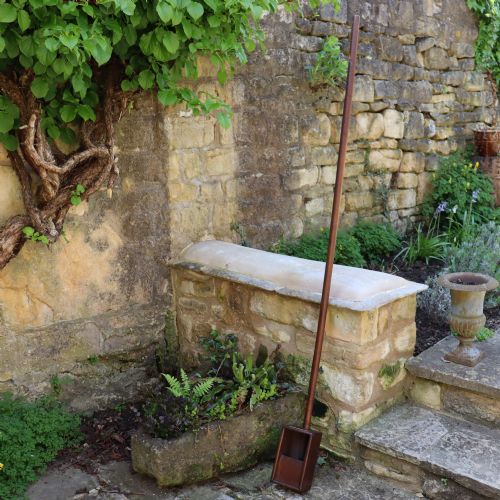
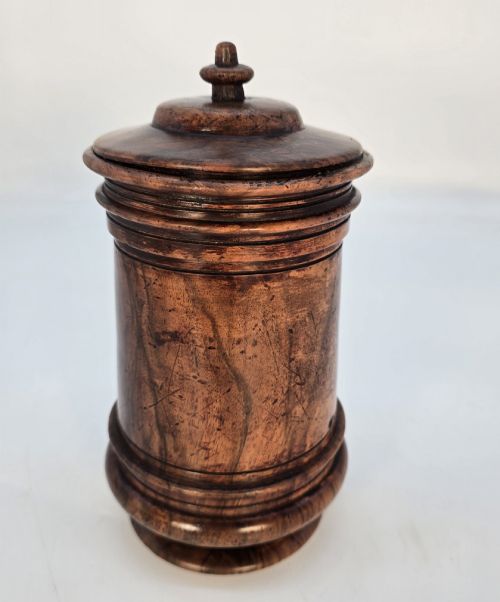
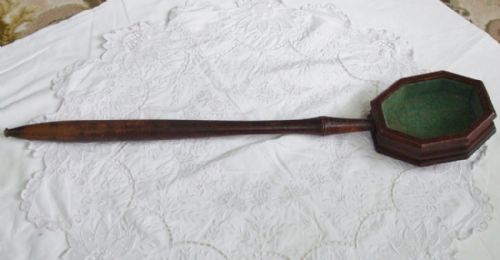
A vintage collection box encompasses diverse forms such as church alms dishes, long arm collection poles, ballot boxes, and postal boxes from the eighteenth and nineteenth centuries. These utilitarian objects served specific civic and religious functions, constructed from robust timbers and metals to withstand regular communal handling.
Buyers frequently encounter Victorian country house postal boxes, Georgian mahogany post boxes, and nineteenth century French ballot boxes on this page. Such pieces reflect the bureaucratic and domestic routines of past eras, often featuring specialised compartments or slots for letters and coins.
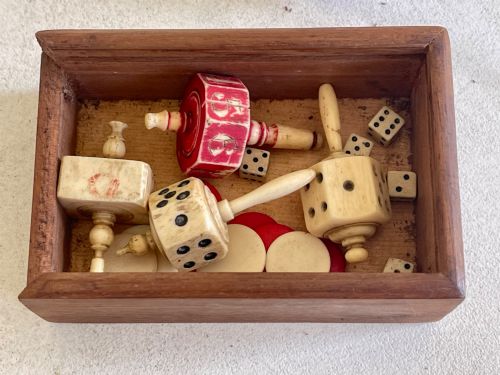
The category also extends to grouped assemblages and decorative boxes incorporating bone, mother of pearl, and brass details. These multi-piece lots and specialised storage crates demonstrate the broad scope of historic containers preserved by collectors.
How they were made
Cabinetmakers utilised dense timbers such as walnut, mahogany, oak, and burr walnut to construct the primary bodies of these boxes. These woods were chosen for their durability and grain patterns, providing structural integrity for items subjected to daily use.
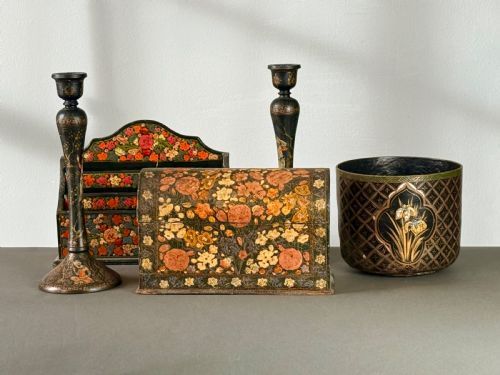
Surface ornamentation involved inlaying bone and mother of pearl into the wood, alongside the application of velvet linings and brass hardware. Artisans also employed lacquer techniques and carved intricate details into treen tobacco jars and storage crates.
Vintage Collection Box Retail Price Guide 2026
Typical asking prices for vintage collection box among the pieces listed under this phrase on Sellingantiques today, from the lower quarter to the upper quarter. They describe what is for sale here now, not the wider market.
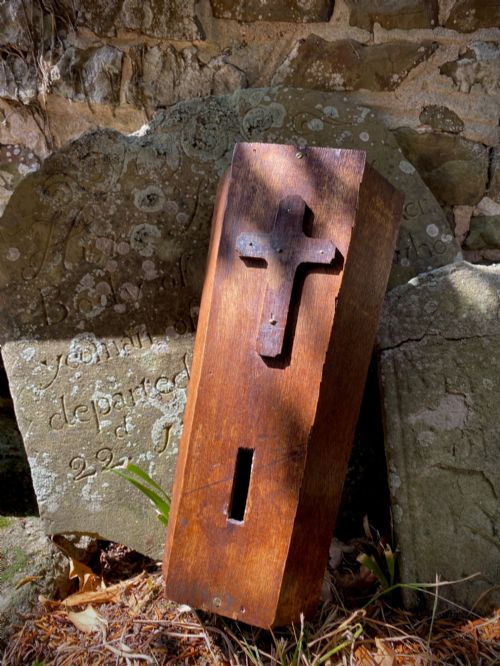
One church collection box comes equipped with a remarkably long arm, suggesting parishioners sat at a very safe distance from the collection.
What varies in quality
Quality rests upon the precision of the joinery and the selection of timber veneers, such as figured burr walnut or rich mahogany. Superior examples display tight, stable joints and unwarped lids that maintain their alignment over decades of opening and closing.
The refinement of secondary materials also dictates the grade of a piece, from cast brass hinges and locks to finely fitted velvet interiors and delicate bone inlay. Pieces retaining their original operational mechanisms and patination command greater appreciation among discerning collectors.
The Vintage Collection Box Glossary
- Alms dish
- A shallow basin or receptacle used in churches for collecting monetary offerings from the congregation. These metal or wooden vessels often date from the Victorian period or earlier.
- Ballot box
- A secure container designed to receive voting papers anonymously during elections. Nineteenth century French examples frequently incorporate locking mechanisms and slotted lids.
- Burr walnut
- A prized timber harvested from the wart-like growths on walnut trees, yielding turbulent and highly decorative grain patterns. Cabinetmakers utilised this veneer on high-end compendium and games boxes.
- Postal box
- A secure receptacle mounted in a wall or freestanding for the collection of letters. Victorian country house models often feature brass letter plates and compartmented interiors.
- Treen
- Small handmade wooden household objects, ranging from tableware to tobacco jars. Eighteenth century examples display the tool marks and lathe work of traditional turners.
Vintage Collection Box: Frequently Asked Questions
What is a church collection box?
A church collection box is a specialised wooden or metal receptacle used during services to gather charitable donations. Many historic examples feature long handles or mounting brackets for communal use.
These pieces range from simple eighteenth century timber boxes to ornate Victorian alms dishes and long arm poles designed to reach seated congregants.
How do I date a postal box?
Dating a postal box involves examining the timber species, construction methods, and hardware style. Eighteenth century versions typically employ solid mahogany or walnut with hand-cut dovetails.
Later Victorian models often display machine-made screws, stamped brass letter plates, and specific regional designs associated with country houses or institutions.
What was a ballot box used for?
A ballot box served as a secure container for collecting votes during public or institutional elections. They required robust locks and narrow slots to maintain secrecy and prevent tampering.
Nineteenth century French ballot boxes often utilise durable timber construction and fitted lids designed to secure the contents during transport.
How should I clean antique wood?
Cleaning antique wood requires gentle dusting with a soft, dry cloth to remove surface particles. Avoid modern liquid polishes that can build up and soften historic finishes.
Applying occasional microcrystalline wax helps protect the timber and preserves the natural patination developed over centuries of handling.
Are these boxes still functional?
Many historic collection and postal boxes remain entirely usable for sorting mail, storing keepsakes, or holding small household items. Their robust construction from timbers like oak and walnut ensures ongoing durability.
Collectors should check that hinges, locks, and internal compartments remain stable before utilising them for daily storage.