



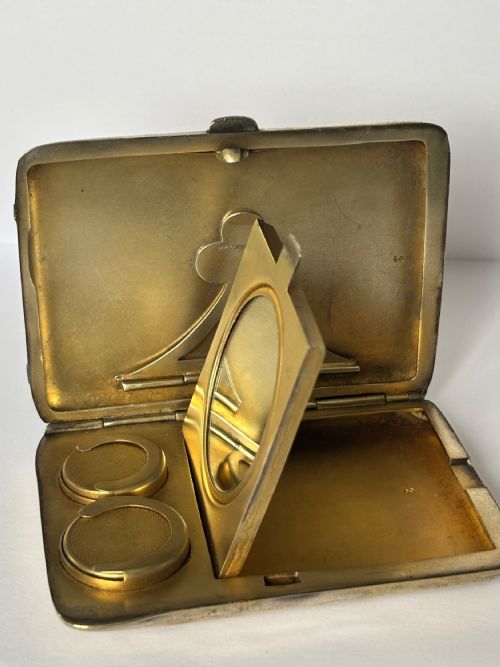


Vintage Coin Holder
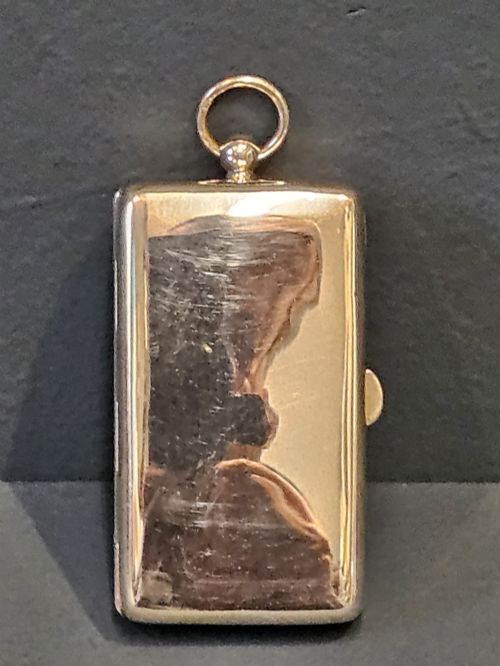
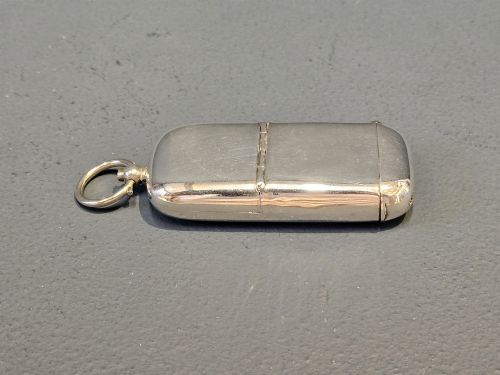
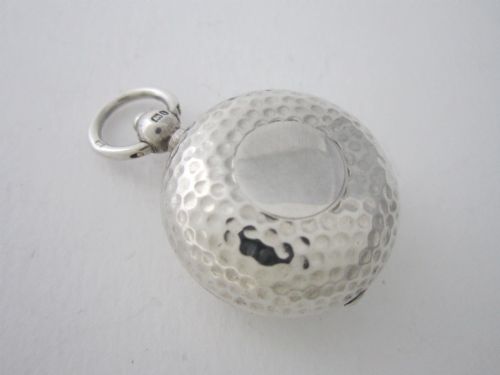
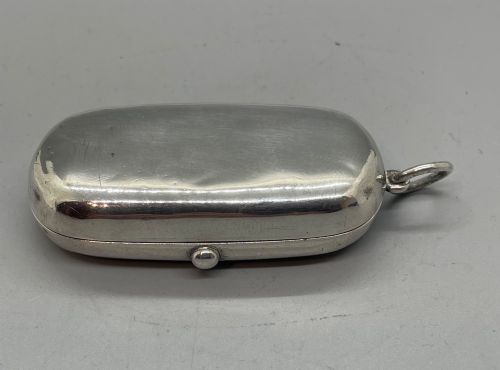
These vintage coin holder examples span Edwardian and George V sterling silver and silver gilt forms, offering pocketable precision for daily use.
Vintage Coin Holder
A vintage coin holder satisfies the practical demand for carrying currency securely in a pocket or bag. The primary form met here is the sovereign case, alongside vesta combinations, compacts, and coin trays.
Most examples originate from the Edwardian and George V eras, running from the late nineteenth century through to the nineteen-twenties. These pieces reflect the period requirement for organising gold sovereigns and paper banknotes neatly.
Materials range from polished sterling silver and silver gilt to leather, hardwood, mahogany, and mirror glass. Smaller pocket pieces dominate the current selection, supplemented by larger desk coin trays.
How they were made
Silversmiths utilised sterling silver and silver gilt to form spring-loaded sovereign cases and match-safe vesta combinations. These metals required precise stamping, hinged fitting, and interior coin clips to hold currency securely.
Woodworkers constructed coin trays and cases from hardwoods like mahogany, relying on traditional box-making joints. Leather and mirror glass appear in fitted vanity and purse combinations from the early twentieth century.
Vintage Coin Holder Retail Price Guide 2026
Typical asking prices for vintage coin holder among the pieces listed under this phrase on Sellingantiques today, from the lower quarter to the upper quarter. They describe what is for sale here now, not the wider market.
Current listings feature sterling silver, silver gilt, mirror glass, leather, and mahogany across Edwardian, George V, and nineteenth-century periods.
What varies in quality
Quality rests in the crispness of hallmarks, the tension of internal coin springs, and the tightness of hinged closures. Maker attribution also separates standard commercial items from distinguished workshop output.
Surface finish distinguishes pieces, from plain polished silver to intricate engraved decoration and heavy silver gilt applications. The integrity of internal coin clips determines daily utility and desirability.
Aaron Lufkin Dennison·Henry Charles Freeman
The Vintage Coin Holder Glossary
- Sovereign case
- A small pocket container engineered with internal sprung clips designed to hold gold sovereign coins securely. These objects date predominantly from the late Victorian and Edwardian periods.
- Vesta case
- A small pocket box used for holding wooden safety matches, frequently combined with sovereign holders or stamp compartments in Edwardian silver.
- Silver gilt
- Sterling silver that has been coated with a thin layer of gold on the surface, seen on select Edwardian and Art Deco combination pieces.
- Hallmark
- An official stamp applied to precious metals indicating the standard of purity, the assay office, and the date letter for the year of manufacture.
Vintage Coin Holder: Frequently Asked Questions
How do I date a silver coin case?
Dating relies primarily on the hallmarks stamped into the metal, which record the assay office, standard, and specific year of production.
Stylistic markers such as Edwardian restraint or Art Deco geometry also help place the piece within a broad historical decade.
What is a vesta combination case?
A vesta combination case integrates a sovereign holder with a match-safe compartment into a single dual-purpose pocket accessory.
These items allowed Edwardian gentlemen to carry both ready money and matches for cigars within one coordinated silver housing.
How do I care for silver coin holders?
Silver pieces benefit from gentle cleaning with a specialised cloth to remove tarnish without wearing down engraved details or hallmarks.
Storage in dry environments prevents moisture damage to internal spring mechanisms and associated leather or mirror elements.