

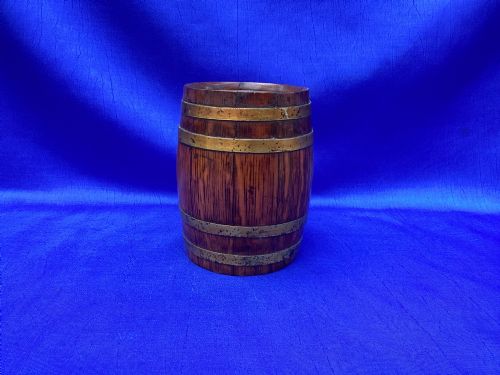


Vintage Coin Box
These vintage coin box selections bring together Victorian and Edwardian money banks, sovereign cases, and cabinets designed to hold currency and small valuables.
Vintage Coin Box
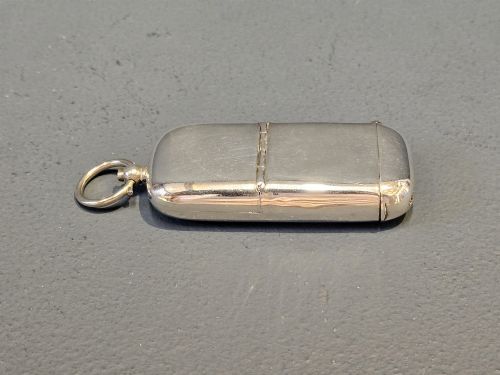
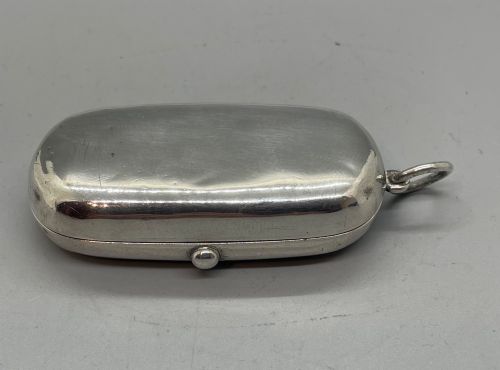
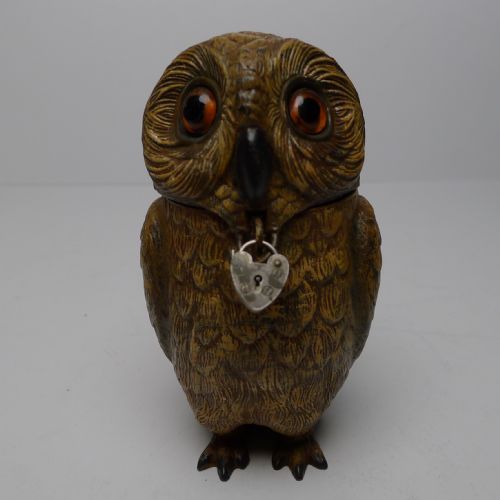
When you search for a vintage coin box, you find a diverse range of functional receptacles spanning the nineteenth and twentieth centuries. These objects include cast iron mechanical banks, oak barrels, Staffordshire figures, and specialised cases for sovereigns.
The most common examples on this page date from the Victorian and Edwardian eras, reflecting the domestic thrift and pocket-change storage habits of those periods. Formats range from humble carved hardwood misers and puzzle books to hallmarked silver pocket cases and sturdy iron banks.
Collectors also encounter small cabinets and donation boxes designed to secure currency in domestic or public settings. Each piece preserves a distinct method of saving, from mechanical trick banks to locking wooden chests.
How they were made
Wooden pieces employ oak and carved hardwoods, constructed with fitted drawers, barrel staves, or secret compartments. Textile linings and glass panels occasionally appear in collector cabinets.
Makers applied specialised casting, joinery, and metalworking techniques suited to each material, ensuring secure enclosures for coins and valuables.
Vintage Coin Box Retail Price Guide 2026
Typical asking prices for vintage coin box among the pieces listed under this phrase on Sellingantiques today, from the lower quarter to the upper quarter. They describe what is for sale here now, not the wider market.
Some Victorian misers were carved to look like grumpy gentlemen who literally swallowed your savings through their wooden mouths.
What varies in quality
The refinement of the mechanism and the integrity of the materials dictate the grade of a piece. Intricate cast iron movements and crisp hallmarked silver demonstrate superior manufacturing ambition.
The preservation of original painted finishes on cast iron and spelter models influences the character of the object. Substantial joinery in oak cabinets and well-fitted hinges on sovereign cases separate standard items from finer examples.
Aaron Lufkin Dennison·John Harper Co.·Hermes Paris
The Vintage Coin Box Glossary
- Vesta case
- A small pocket box originally designed to hold matches, frequently adapted or grouped alongside sovereign cases. These silver and metal containers feature hinged lids and strike marks.
- Sovereign case
- A compact pocket container engineered to hold gold sovereign coins securely. They appear in single and double configurations with spring-loaded or tight-fitting caps.
- Mechanical bank
- An interactive money box where inserting a coin triggers a kinetic action, such as a figure moving. These are typically cast in iron during the nineteenth century.
- Collector's cabinet
- A small wooden case fitted with multiple shallow drawers or compartments for organising specimens or coins. They often include a working key and lock.
- Spelter
- An alloy of zinc used as a cheaper alternative to bronze for decorative figures and money boxes. It is frequently painted to resemble patinated metal.
Vintage Coin Box: Frequently Asked Questions
What is a sovereign case?
A sovereign case is a small pocket-sized container manufactured to hold standard gold sovereign coins safely.
These sterling silver or metal pieces feature hinged lids and tight tolerances to prevent coins from rattling.
How do mechanical cast iron banks work?
Mechanical cast iron banks use internal springs and levers activated by placing a coin into a slot.
Weight or manual pressure causes figures to move and deposit the coin into the internal reservoir.
What materials were used for Edwardian money boxes?
Edwardian money boxes utilised materials such as oak, sterling silver, and painted metals.
Woods were shaped into barrels or cabinets, while metals formed pocket cases and small stationary banks.
How do I date an antique coin box?
Dating relies on metal hallmarks, maker stamps, fasteners, and the prevailing style of the period.
Silver pieces often bear assay office marks and date letters that pinpoint the exact year of manufacture.