

Vintage Coat Rack Stand
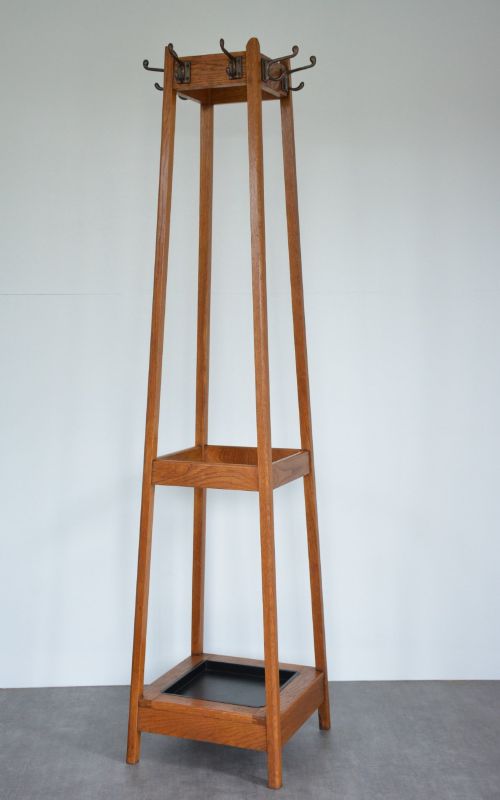
These vintage coat rack stand options combine practical hallway storage with period character, offering structural oak, bentwood, and cast iron designs.
Vintage Coat Rack Stand
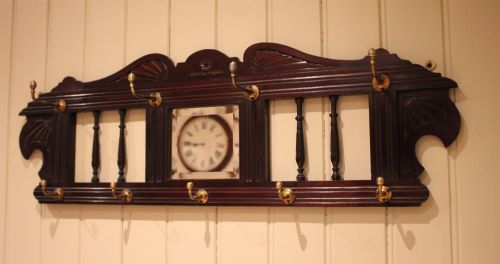
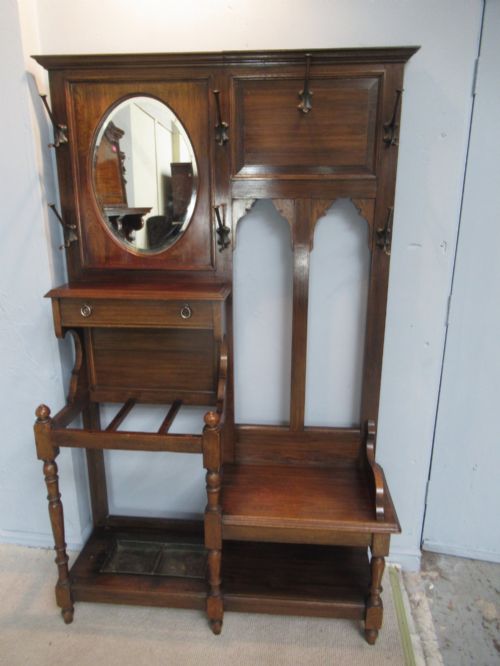
A vintage coat rack stand serves as a functional piece of hall furniture designed to hold hats, coats, umbrellas, and sticks in an entranceway. When searching for this phrase, buyers encounter various forms including tall freestanding hatstands, wall-mounted racks, and multi-functional hall seat stands.
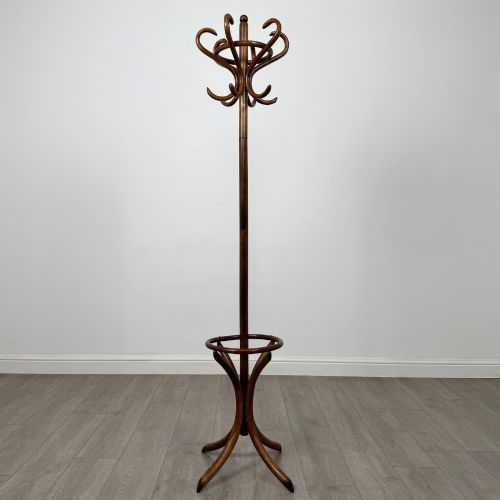
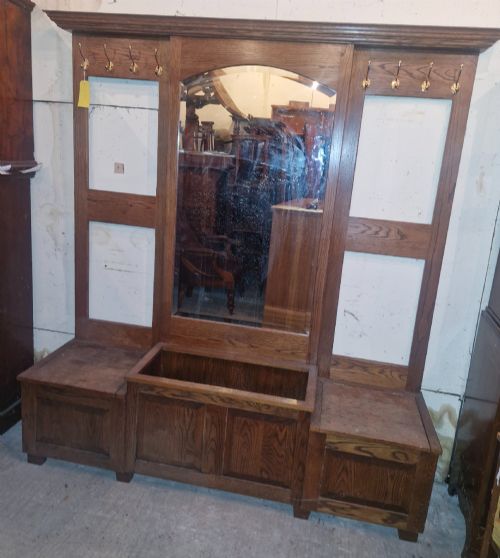
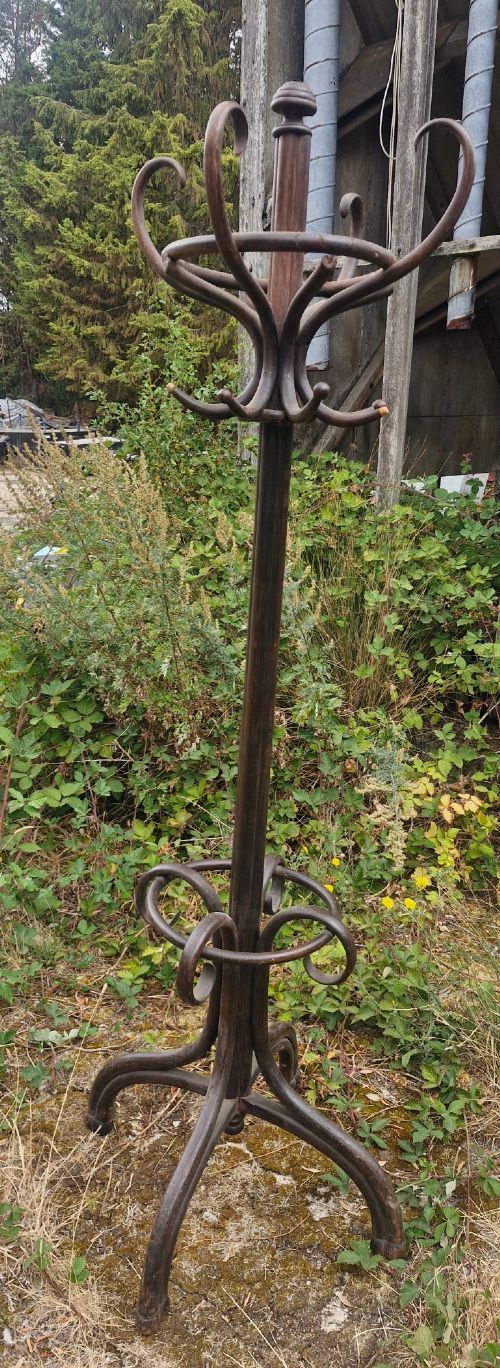
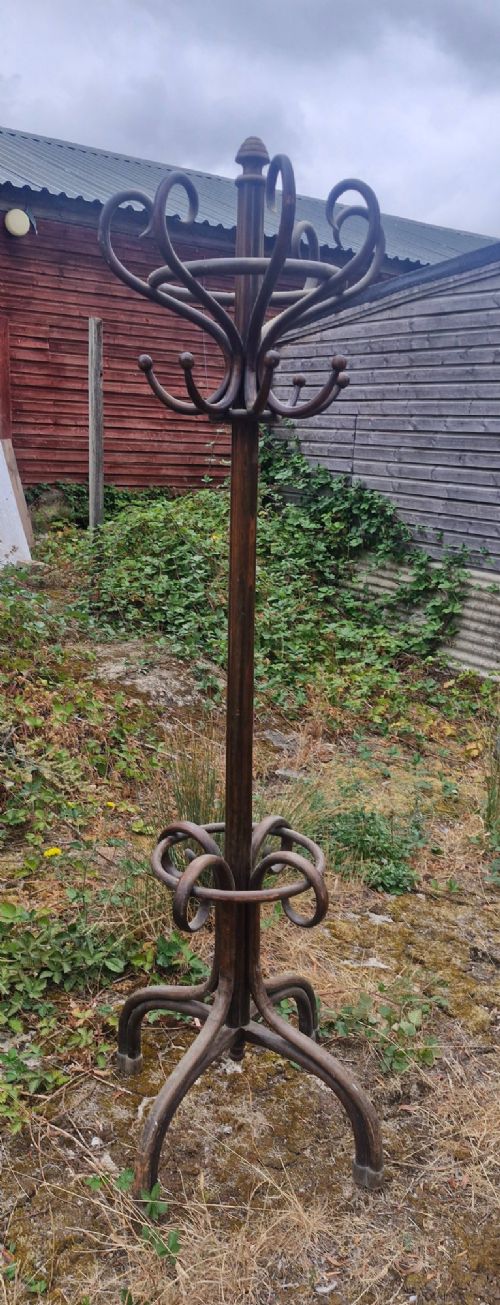
The selections span several periods, with pieces originating from the Victorian and Edwardian eras alongside early twentieth-century designs. Common object types include bentwood hatstands, revolving stands, and heavy hallstands equipped with integrated drip trays and umbrella holders.
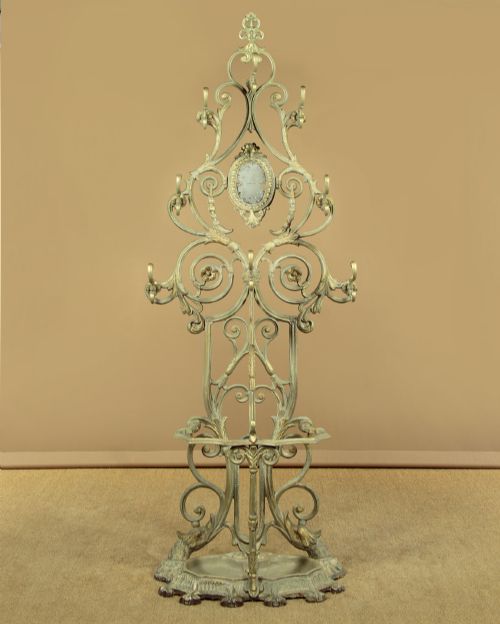
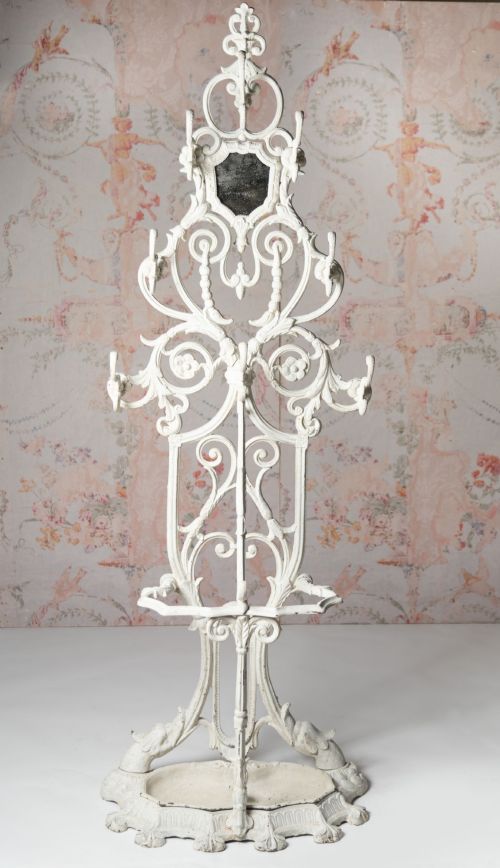
Origin variations include English oak examples, French cast iron pieces, and Austrian bentwood items. Buyers most frequently meet bentwood constructions in beech, alongside robust oak and cast iron versions suited for daily domestic use.
How they were made
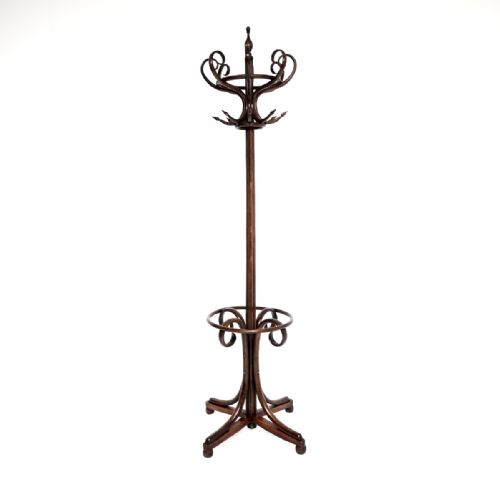
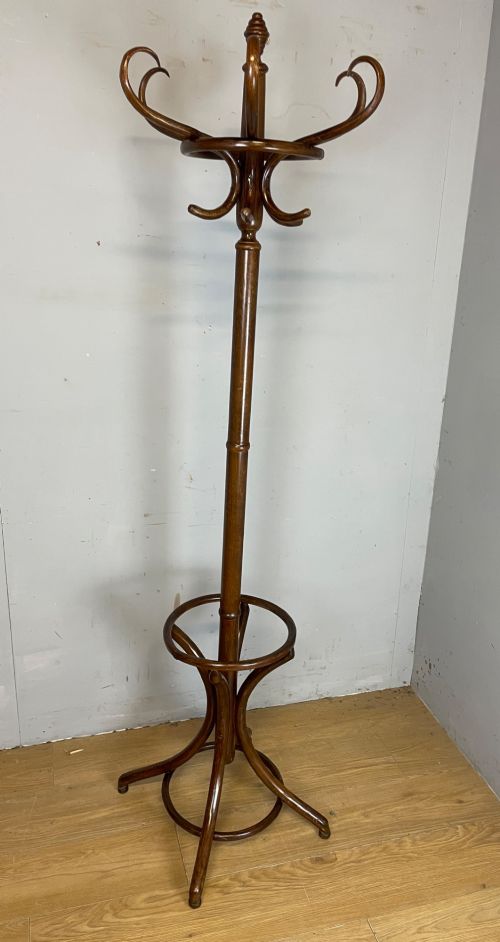
Manufacturers utilised steam-bending techniques to shape beech into curved, continuous lines for lightweight yet resilient bentwood hatstands. This process allowed makers to create graceful scrollwork hooks and rounded frames without traditional joints.
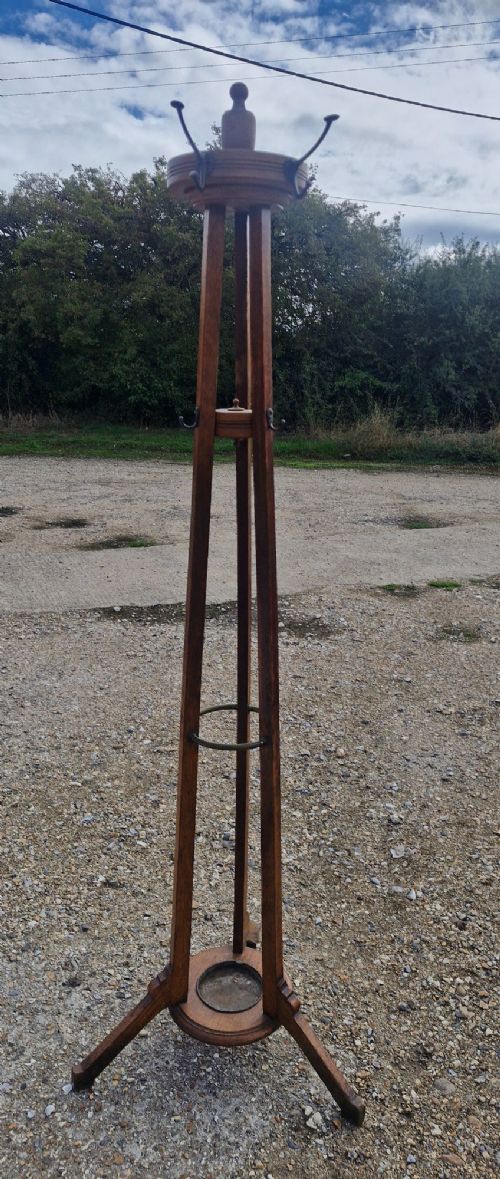
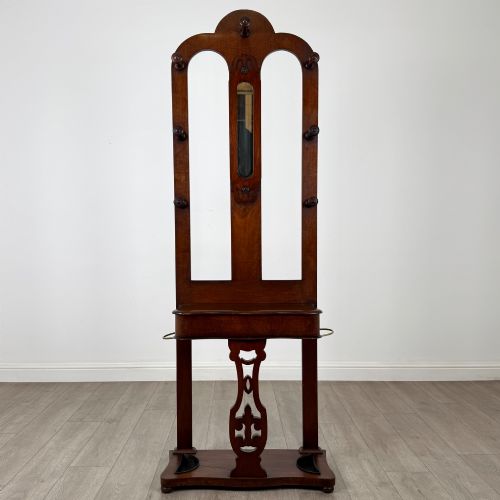
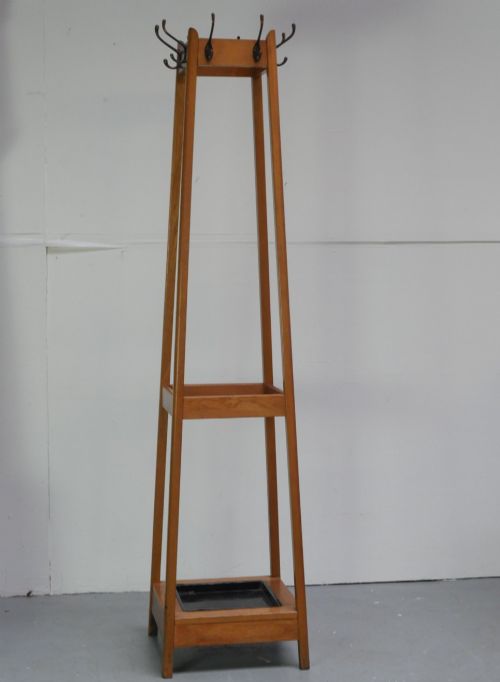
For heavier hall furniture, joiners relied on solid oak and mahogany, incorporating panelled backs, carved details, and integrated brass or metal hardware. Cast iron examples employed sand-casting methods to produce intricate structural frameworks, often finished with faux bamboo details or decorative motifs.
Practical additions such as brass hooks, metal drip trays, and umbrella rings were fitted securely to withstand regular domestic weight. Surface finishes typically involved polishing the natural wood grain or applying protective coatings to cast iron and metal components.
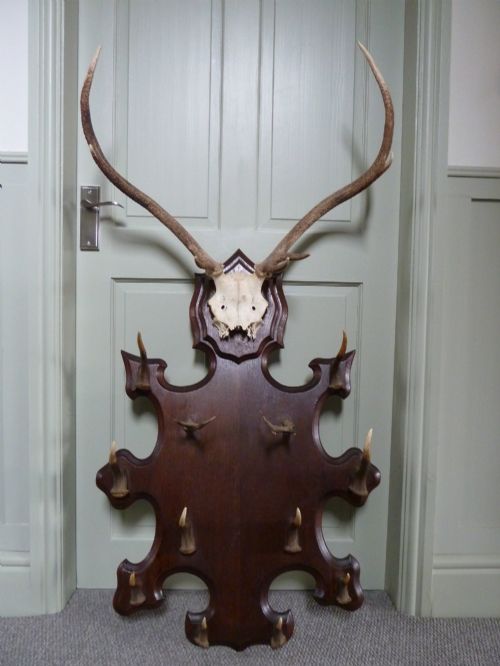
Stags horn elements appear alongside traditional timber, bringing unexpected wilderness directly into the Victorian hallway.
What varies in quality
The structural integrity of the frame distinguishes standard examples from exceptional pieces, particularly in bentwood designs where the smoothness of the steam-bent curves indicates superior craftsmanship. Heavier oak and cast iron stands rely on robust original fittings and stable bases to support weighted garments safely.
The presence of original hardware, such as brass hooks, maker markings, and matching drip trays, elevates the standing of an individual piece. Finer examples display meticulous attention to detail in carved ornaments, harmonious timber selection, and well-preserved surface patination.
Thonet·J. Parker of Woodstock·Astrola
The Vintage Coat Rack Stand Glossary
- Bentwood
- Wood that has been heated with steam and bent into curved shapes. This technique defines lightweight nineteenth-century hall stands.
- Hallstand
- A piece of entrance hall furniture combining coat hooks, umbrella holders, and frequently a mirror or seat. These items organise outdoor wear in domestic interiors.
- Drip tray
- A metal or ceramic tray placed at the base of a stand to catch water from wet umbrellas. It protects flooring from moisture.
- Valet stand
- A freestanding piece designed to hold a suit, jacket, and accessories overnight. Gents versions typically include hangers and trouser bars.
- Aesthetic Movement
- A late nineteenth-century design style emphasising visual beauty over narrative function. Pieces often incorporated bamboo and unconventional decorative forms.
Vintage Coat Rack Stand: Frequently Asked Questions
How do I identify a bentwood coat stand?
Bentwood stands are characterised by smooth, continuous curved wooden members forming the legs, stem, and hooks. They utilise beech or similar timbers shaped through steam-bent processes.
These pieces typically feature lightweight yet strong constructions without heavy carved ornamentation, often bearing the distinct aesthetic of nineteenth-century Austrian production.
What is the difference between a hallstand and a coat rack?
A hallstand is a larger, freestanding item of furniture that often includes umbrella holders, a mirror, a glove box, or an integrated seat. They anchor the hallway as substantial architectural pieces.
By contrast, a coat rack is generally a simpler board fitted with hooks, designed either for wall mounting or as a streamlined vertical tree.
How were cast iron hall stands used?
Cast iron hall stands served busy nineteenth-century households by providing durable, heavy-duty storage for wet coats, heavy capes, and dripping umbrellas. The integrated metal drip trays protected indoor floor surfaces from water damage.
Their robust weight ensured the stand remained stable when loaded with heavy winter garments.
Are revolving hat and coat stands stable?
Revolving hat and coat stands feature a rotating upper section supported by a sturdy central column and a wide base. When placed on a level floor, the balanced weight distribution prevents tipping during daily use.
Careful placement ensures that hanging garments distribute evenly around the revolving mechanism.