


Vintage Coal Chest Box
A vintage coal chest box brings robust utility and hearthside warmth into a room, combining practical fuel storage with period craftsmanship.
Vintage Coal Chest Box
A vintage coal chest box is a fireside accessory designed to hold solid fuel neatly beside the hearth. When you search for this phrase, you encounter practical receptacles spanning the Victorian and Edwardian eras, along with earlier utilitarian forms.
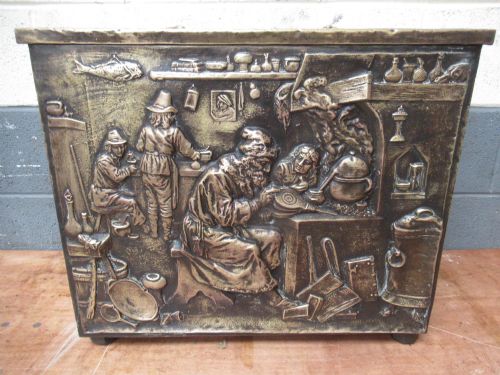
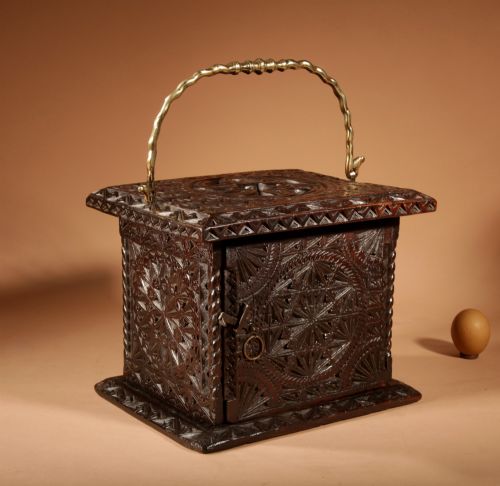
The selections here range from heavy oak logs boxes mounted with copper panels to embossed brass and iron bins. You will also find regional variations like chip-carved foot stoves and utilitarian railway-themed containers.
Most examples rely on sturdy timbers such as oak and pine, frequently lined or clad in metals like copper, brass, and wrought iron. These materials ensured durability against heavy coal and abrasive logs.
Construction and materials
Carpenters built the primary structures of these boxes in solid oak and pine, utilising traditional joinery to withstand heavy loads of fuel. Metal components were then integrated to protect the wood from moisture and impact.
Coppersmiths and brassworkers applied hand-embossing and riveting to sheet metals, producing decorative panels that reflect Victorian, Edwardian, and Arts and Crafts tastes.
One unexpected box takes the delightful form of a miniature Victorian railway coal wagon.
Assessing quality and finish
Quality in a vintage coal chest box rests on the thickness of the timber and the gauge of the metal used in its construction. Heavier brass and copper panels fixed with robust rivets separate substantial pieces from lighter decorative items.
The distinction between standard utility items and finer examples lies in the detailing, such as crisp chip carving on wooden bodies or sophisticated metalwork associated with the Arts and Crafts and Aesthetic movements.
The Vintage Coal Chest Box Glossary
- Coal box
- A container specifically built for storing coal near a fireplace. These often feature hinged lids and metal linings to contain dust.
- Log bin
- A receptacle designed to hold firewood rather than smaller mineral fuel. They tend to be open or deep-sided to accommodate longer logs.
- Slipper box
- A specialised form of fireside box with a sloping lid, historically used for warming footwear or storing fuel. The name derives from its characteristic profile.
- Foot stove
- A small portable heating box, historically filled with hot embers to warm feet. Examples often feature pierced wooden or metal covers to release heat.
- Arts and Crafts
- A design movement prioritising traditional craftsmanship and simple forms. Pieces from this style often display visible construction and hand-worked copper panels.
Vintage Coal Chest Box: Frequently Asked Questions
What is a vintage coal chest box?
It is a fireside container traditionally used to store coal or logs beside a fireplace. Makers constructed them from sturdy woods and metals to withstand daily domestic use.
Today, they serve as practical storage containers or decorative room accents while retaining their historic character.
How were these boxes used originally?
Households kept them near the hearth to maintain a ready supply of fuel for open fires. Their sturdy lids and metal linings kept coal dust contained and protected the surrounding floor.
Some specialised forms, such as foot stoves, held hot embers directly to warm individuals seated in cold rooms.
How do I care for timber and metal boxes?
Maintain the wood with appropriate wax polish to keep the grain nourished and protected against dry indoor air. Clean metal panels gently without abrasive agents to preserve the natural patina.
Avoid placing damp logs directly inside unlined wooden boxes to prevent moisture damage over time.
How can I tell Victorian from Edwardian boxes?
Victorian examples often feature heavier, ornate ornamentation such as deeply embossed brass and dark, dense timbers. They reflect a preference for robust historicism and eclectic decorative styles.
Edwardian pieces generally lean towards lighter oak construction, sometimes with simplified Arts and Crafts metal detailing and cleaner structural lines.