
Vintage Clothing Cabinet
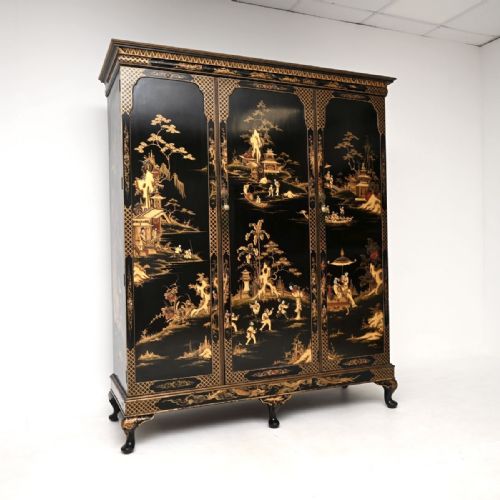
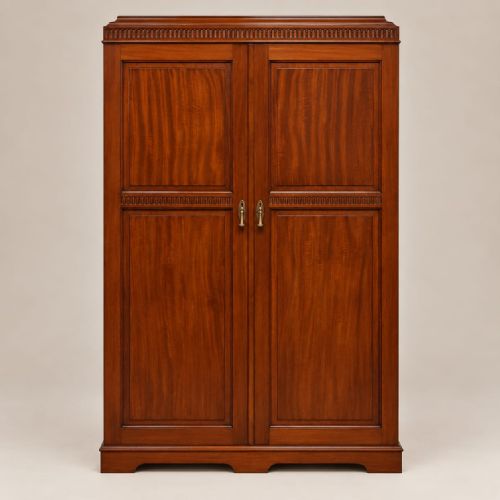
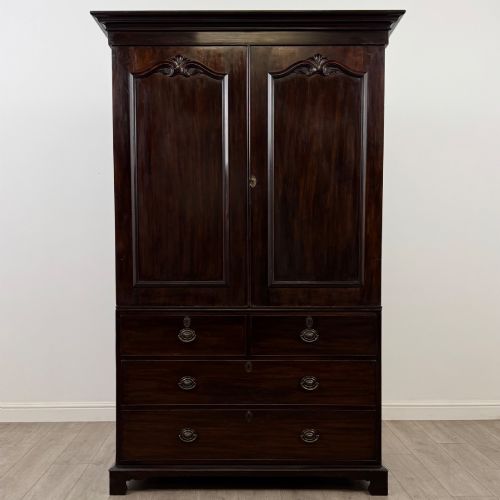
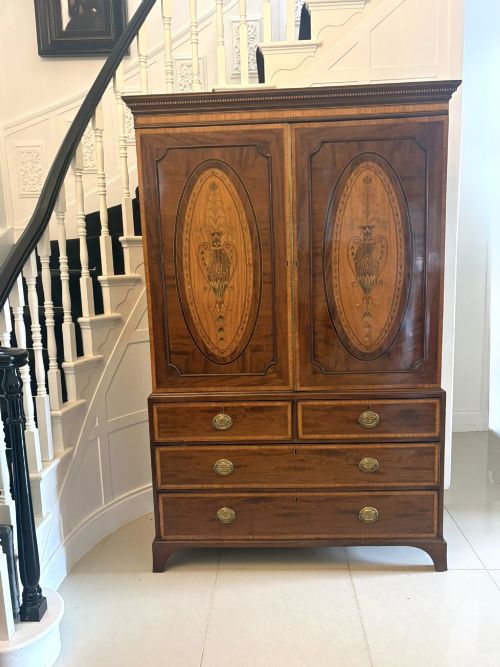
A vintage clothing cabinet provides substantial storage through timeless wooden construction, encompassing wardrobes, linen presses, and armoires from multiple centuries.
Vintage Clothing Cabinet
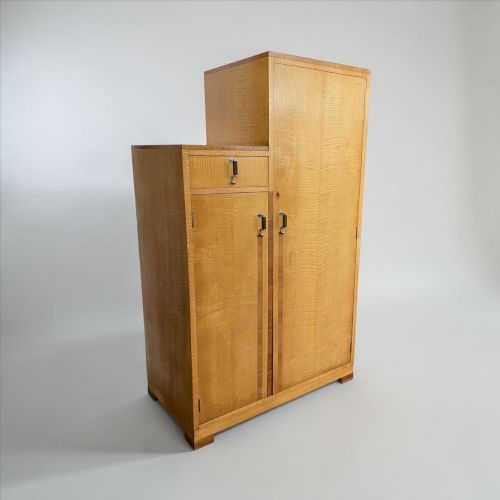
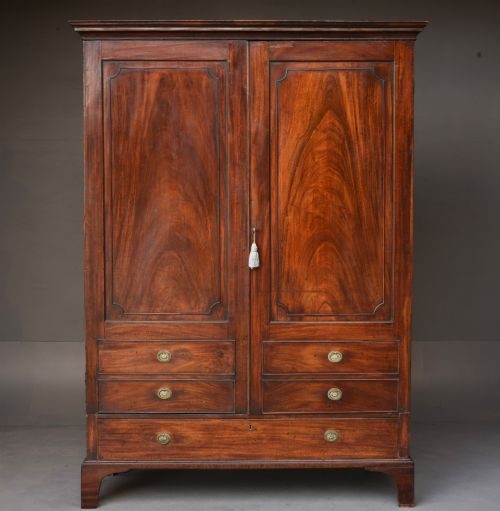
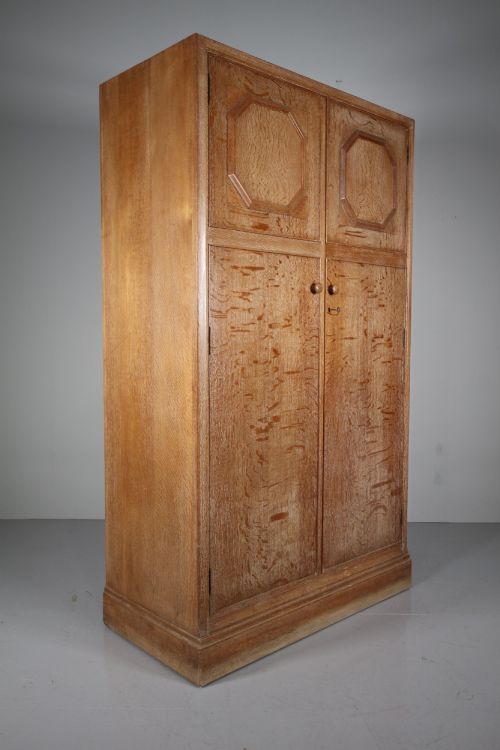
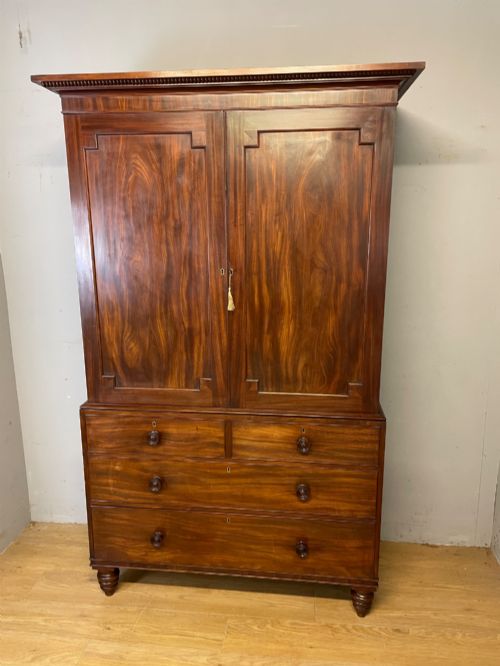
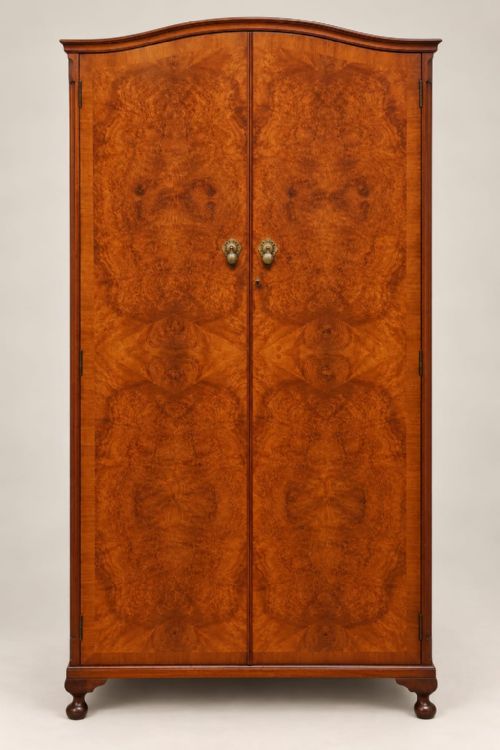
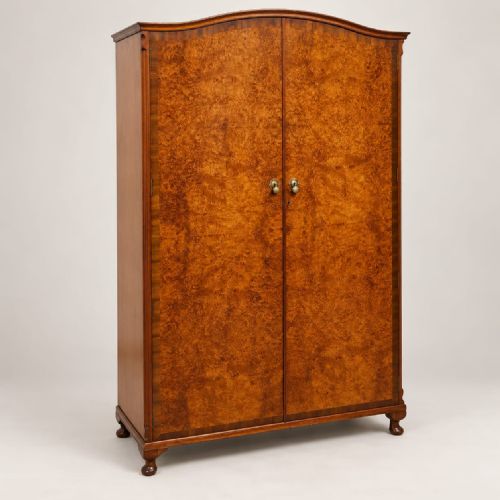
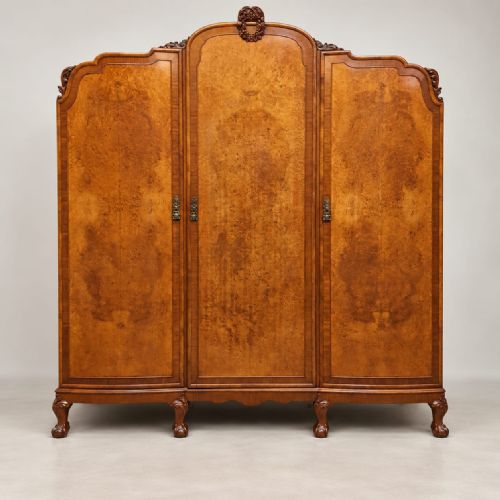
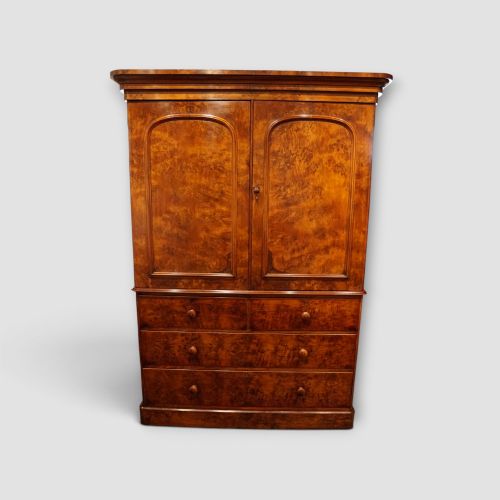
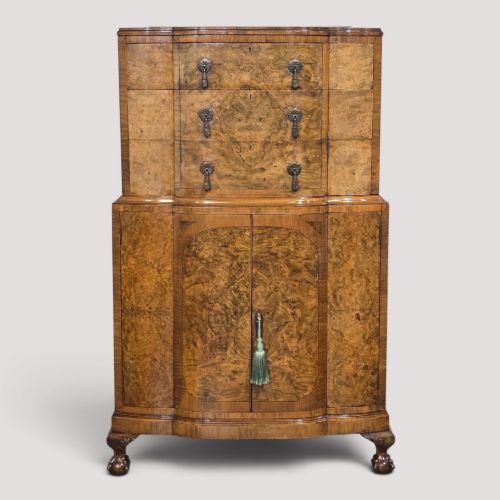
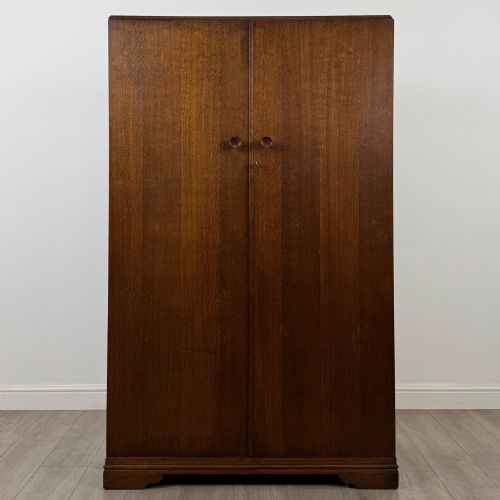
A vintage clothing cabinet encompasses large wardrobes, linen presses, armoires, and compactum units designed for domestic storage. When searching for a vintage clothing cabinet, buyers encounter forms ranging from Georgian mahogany linen presses to Art Deco burr walnut wardrobes.
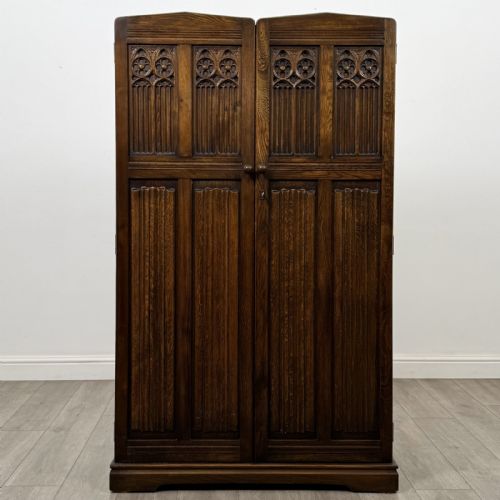
The selections span periods from the eighteenth century through the nineteenth century, the Edwardian era, and into the 1930s. Mahogany, burr walnut, and oak dominate the offerings, appearing in styles from simple country pine to formal Regency and carved Victorian designs.
Materials and construction methods
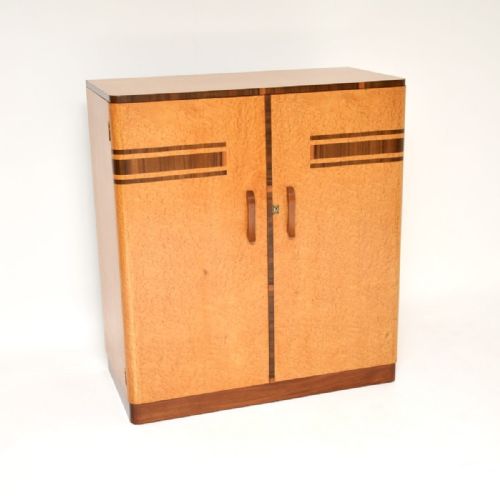
Cabinetmakers utilised solid timbers and decorative veneers, applying flame mahogany, burr walnut, satinwood, and birds eye maple over robust structural carcases. Brass hardware, iron fittings, and carved detailing complete the execution of these substantial pieces.
Many large wardrobes and armoires feature knockdown construction, allowing multi-part assembly for transport. Interiors frequently incorporate fitted linen slides, drawers, and hanging space behind panelled or mirrored doors.
The documented periods span the Georgian era, Victorian times, Edwardian years, and the Art Deco style of 1930.
Distinctions in craftsmanship
Quality rests in the selection of timber veneers, such as figured burr walnut and flame mahogany, matched symmetrically across doors and drawer fronts. Superior execution shows in crisp blind fretwork, dentil cornices, and precise marquetry inlay.
Maker attribution elevates certain pieces, with workshops such as Hille for Harrods, Waring & Gillow, Heals, and Druce & Co representing notable cabinetmaking standards. Structural integrity, original brass fittings, and well-fitted internal drawers further distinguish finer examples.
Hille for Harrods·Waring and Gillow·Heals·Druce and Co
The Vintage Clothing Cabinet Glossary
- Linen press
- A dual-section storage piece with sliding trays enclosed by upper doors above a base of lower drawers.
- Compactum
- A fitted wardrobe combining hanging space, shelving, and internal drawers within a single cabinet footprint.
- Dentil cornice
- A classical architectural moulding featuring small rectangular tooth-like blocks along the upper edge of a piece.
- Blind fretwork
- Carved decorative ornamentation applied flat to a wooden surface to resemble an openwork grille without piercing the timber.
Vintage Clothing Cabinet: Frequently Asked Questions
How do I use a linen press today?
Sliding linen trays accommodate folded garments, knitwear, and textiles while lower drawers provide extra volume for modern apparel.
Removing internal trays in certain models allows conversion into hanging wardrobes for full-length coats and dresses.
Are these wardrobes easy to move?
Many larger examples utilise knockdown construction with panelled sides and bolted frames designed for disassembly during transport.
Solid oak and mahogany armoires remain heavy and require careful dismantling by experienced handlers.
How do I distinguish Edwardian from Victorian styles?
Edwardian cabinets often feature lighter mahogany veneers, satinwood inlay, and delicate Edwardian or Georgian revival proportions.
Victorian pieces lean toward heavier proportions, darker finishes, and deep architectural carvings in walnut and mahogany.
What is a compactum wardrobe?
A compactum integrates multiple storage formats including hanging sections, shelves, and internal drawer banks into one unified cabinet.
Art Deco examples frequently utilise birds eye maple and walnut to highlight these multi-functional internal layouts.