





Vintage Cloche Bell
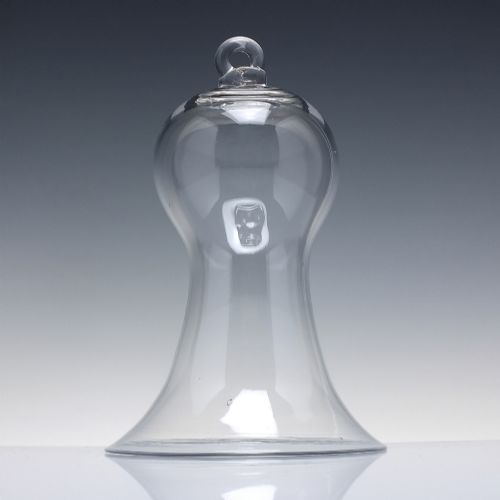
These vintage cloche bell pieces are glass domes and garden covers from the Victorian and Edwardian eras, prized for protecting precious displays.
Vintage Cloche Bell
When you search for vintage cloche bell, you encounter protective glass domes and garden covers dating from the Victorian and Edwardian periods. These pieces serve primarily to shelter delicate ornaments, taxidermy, botanical specimens, and cheese dishes from dust.
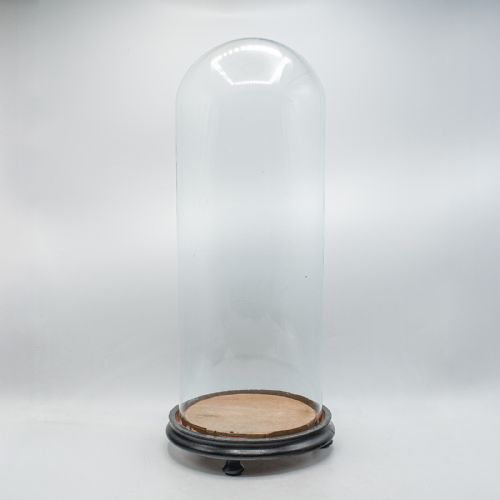
The selections available range from large display showcases mounted on timber bases to sturdy iron garden cloches designed for plant protection. Most common among these are English glass domes resting on ebonised or polished wooden bases.
Makers of the period also produced specialised variants such as clock cases and collector domes with oval profiles. Each form reflects the nineteenth-century passion for preserving and exhibiting interior curiosities.
How They Were Made
The glass components in these pieces rely on traditional blown and moulded techniques, producing thick, clear bell covers with characteristic small surface bubbles and slight optical distortions. These covers sit flush against turned timber, ebonised wood, or cast iron bases.
Woods such as oak, beech, pine, and mahogany form the structural plinths, often fitted with internal grooves to secure the glass securely. Garden variants utilise robust cast iron frames holding quarter-inch glass plates for outdoor durability.
Vintage Cloche Bell Retail Price Guide 2026
Typical asking prices for vintage cloche bell among the pieces listed under this phrase on Sellingantiques today, from the lower quarter to the upper quarter. They describe what is for sale here now, not the wider market.
Nineteenth-century naturalists relied on these glass bells to keep ambitious household dust off very dead birds.
What Varies In Quality
Quality rests upon the clarity and weight of the glass bell, where heavier vessels with minimal distortion command greater appreciation. The integrity of the original wooden base or cast iron frame further distinguishes finer examples.
Proportion and scale dictate desirability, particularly in tall specimen cases and collector domes where the height of the glass matches the dignity of the base. Retaining original fittings such as turned feet or velvet linings elevates a piece.
The Vintage Cloche Bell Glossary
- Cloche bell
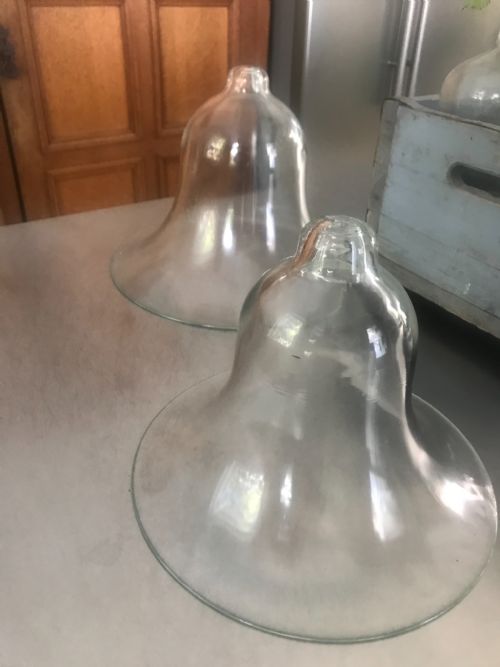
- A bell-shaped glass cover traditionally utilised for protecting garden plants or indoor display objects. It forms a microclimate outdoors or a dust-free barrier inside.
- Taxidermy dome
- A tall glass display enclosure specifically scaled to house preserved birds, mammals, or intricate botanical specimens. These often include internal wooden mounts or stands.
- Ebonised wood
- Timber treated with a dark stain or finish to imitate the appearance of ebony. This dark surface provides high visual contrast against bright glass and preserved specimens.
- Cranberry glass
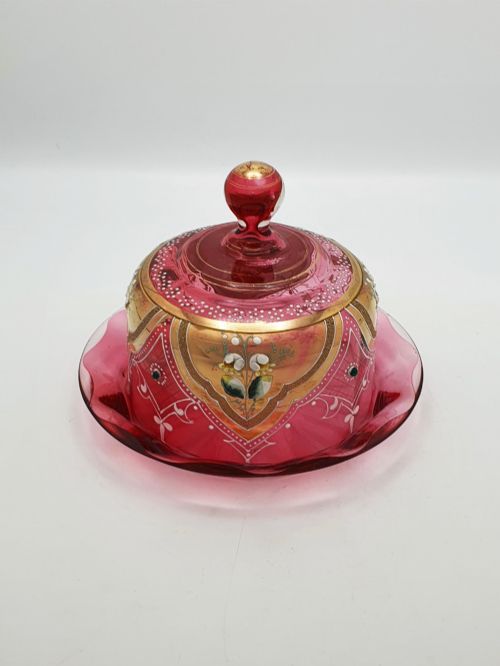
- A rich pinkish-red glass created by adding gold chloride to the molten mixture. It appears frequently in decorative tableware and small domestic dishes from the period.
Vintage Cloche Bell: Frequently Asked Questions
What were glass cloche bells used for?
These vessels served a dual purpose in nineteenth-century homes and gardens. Indoors, they protected delicate taxidermy, clocks, and fruit displays from dust.
Outdoors, gardeners used heavy glass and iron covers to warm soil and shield tender plants from frost.
How do I date a Victorian glass dome?
Dating relies heavily on the characteristics of the glass and the construction of the base. Earlier nineteenth-century examples often display thicker, hand-blown glass with noticeable bubbles.
Later Edwardian pieces tend toward more standardised machine production paired with simpler turned timber plinths.
Are wooden bases usually original to the dome?
Many display domes retain their fitted wooden bases, which often feature internal rebates to hold the glass snugly. Timber selection like oak, beech, or ebonised pine generally matches the period of manufacture.
Replacements do occur due to historical damage, so checking the fit against the glass rim is essential.
How should I clean an antique glass dome?
Gentle maintenance preserves both the aged glass and the delicate wooden or fabric components. Warm soapy water and a soft cloth suit the glass exterior.
Harsh chemical cleaners should be kept entirely away from antique timber bases and internal linings to prevent staining.