







Vintage Clay Figure
A vintage clay figure brings tactile warmth and classical modelling into a room, spanning rustic folk art and grand revival sculpture.
Vintage Clay Figure
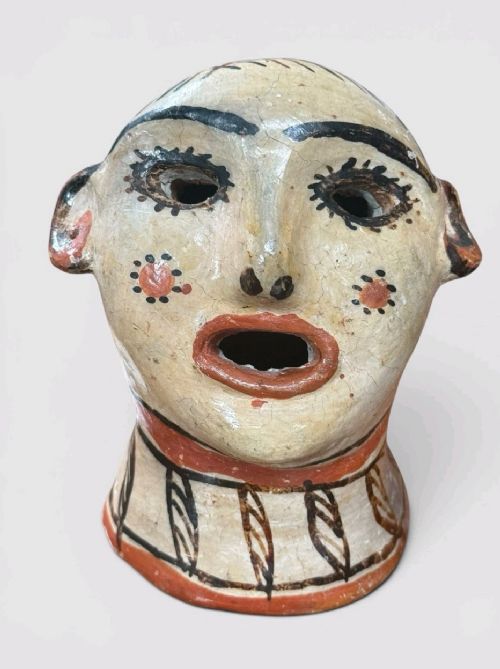
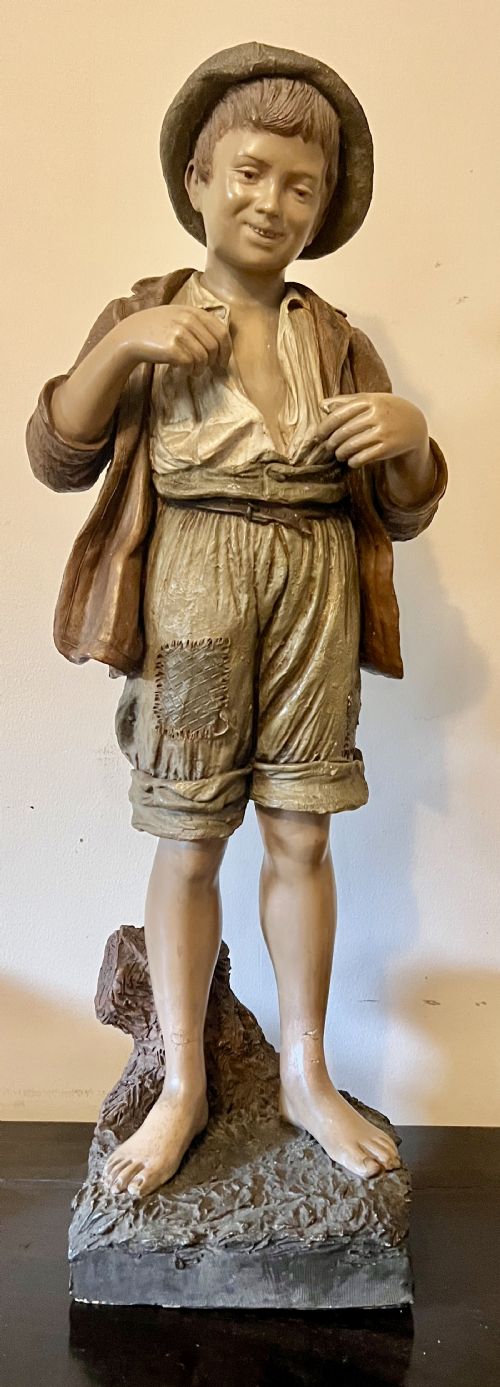
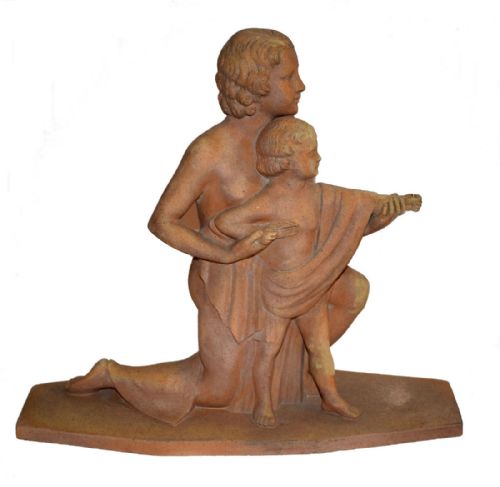
A vintage clay figure encompasses sculptural works shaped from terracotta, earthenware, and bisque ceramic materials across various historic periods. When searching for a vintage clay figure, buyers encounter everything from miniature poodles and inkwells to large neoclassical statues and tribal busts.
The selections span distinct stylistic traditions, including Victorian realism, Art Deco designs, Khmer temple priests, and Peruvian folk art. Pieces range from nineteenth-century Italian animal figures to French Art Nouveau female forms and classical revival sculptures.
Many items appear as matched pairs of lions, cockerels, or poodles, while others stand alone as singular busts or human statues. Origins stretch across European workshops, Asian antiquities, and South American traditions.
How they were made
These pieces are built primarily from terracotta, earthenware, and bisque ceramic, shaped by hand or cast in moulds to achieve three-dimensional forms. Artisans then utilised surface treatments such as glaze, slip pigment, and raw firing finishes to define the texture and colour of each sculpture.
Details are frequently modelled with fine incision work or built up in multiple layers before firing in kilns. Some figures incorporate contrasting materials like marble bases to support the heavier earthenware structures.
Vintage Clay Figure Retail Price Guide 2026
Typical asking prices for vintage clay figure among the pieces listed under this phrase on Sellingantiques today, from the lower quarter to the upper quarter. They describe what is for sale here now, not the wider market.
Listings feature terracotta, earthenware, and bisque ceramic materials across Victorian, Art Deco, and classical revival styles.
What varies in quality
The integrity of the form, whether in a hand-shaped folk art bust or a classical revival statue, separates standard decorative items from masterworks. The cohesion of matched pairs and the preservation of original surface finishes also influence the standing of a piece.
B Rezl
The Vintage Clay Figure Glossary
- Terracotta
- A porous, brownish-red fired clay commonly used for unglazed or slipped sculptures. It provides a warm, earthy tone that takes fine detail well.
- Bisque
- Unglored ceramic ware that has been fired once, offering a matte, porous surface texture. It is frequently found on twentieth-century decorative figures.
- Slip pigment
- A liquid clay mixture applied to the surface before firing to impart colour or decoration. It allows artists to paint details onto earthenware bodies.
- Staffordshire
- A regional English pottery tradition famous for earthenware animal figures and figural inkwells. These pieces often feature painted details on a white ceramic base.
- Classical Revival
- An artistic movement drawing inspiration from the art and architecture of ancient Greece and Rome. Sculptures from this tradition emulate classical forms and mythological subjects.
Vintage Clay Figure: Frequently Asked Questions
What periods do these figures come from?
The pieces span various eras, with many originating in the nineteenth century alongside examples from the eighteenth and early twentieth centuries. Styles range from Victorian realism and Art Deco to classical revival and traditional folk art.
Dates are determined by stylistic markers, material preparation, and historical kiln techniques associated with specific eras like the Victorian period and the 1930s.
How were terracotta figures used?
Terracotta sculptures served primarily as decorative ornaments, mantelpiece displays, and architectural statements within nineteenth and twentieth-century interiors. Some functional objects, such as Staffordshire inkwells, combined sculptural modelling with practical desk accessories.
Larger figures like pairs of lions or cockerels were placed in hallways or gardens, while miniature poodles and busts decorated drawing rooms and studies.
Are these figures glazed or unglazed?
Surface treatments vary significantly depending on the origin and period of the sculpture. Many terracotta pieces remain unglazed to showcase the natural reddish clay body and fine modelling.
Other items utilise glazes, slip pigments, or bisque finishes to add colour and sheen, particularly in Staffordshire pottery and Art Deco ceramic pieces.
How do I care for a clay figure?
These ceramic and terracotta objects require gentle dusting with a soft, dry brush to protect porous surfaces and delicate protruding details. Avoid using water or liquid cleaners, especially on unglazed or slip-painted pieces that can absorb moisture.
Keep the sculptures away from areas of high humidity and direct sunlight to preserve the original clay body and surface pigments.