





Vintage Circular Wood Mirror
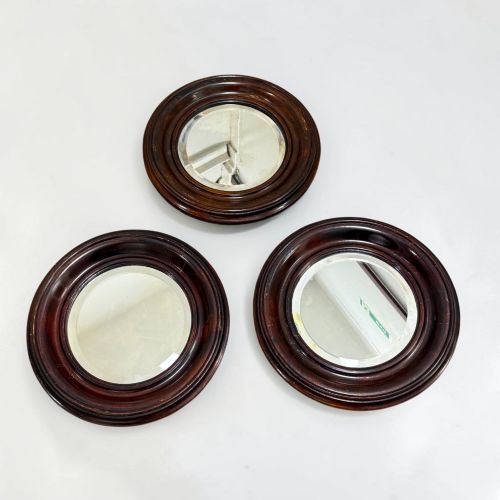
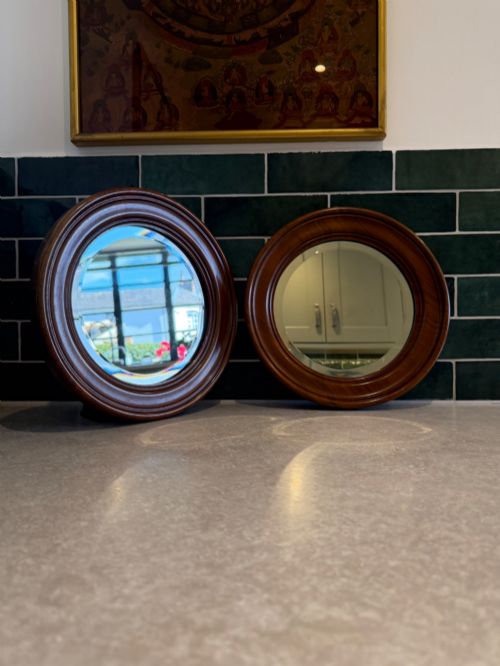
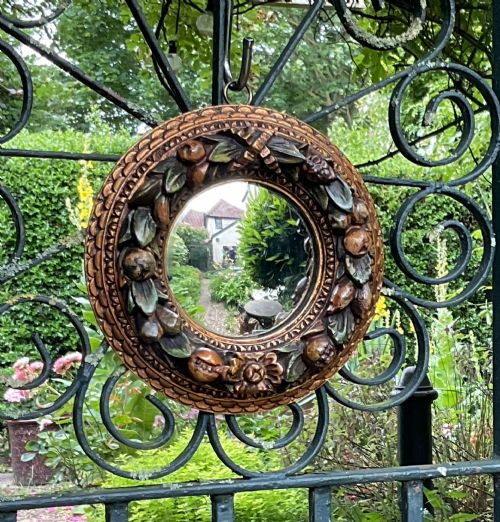
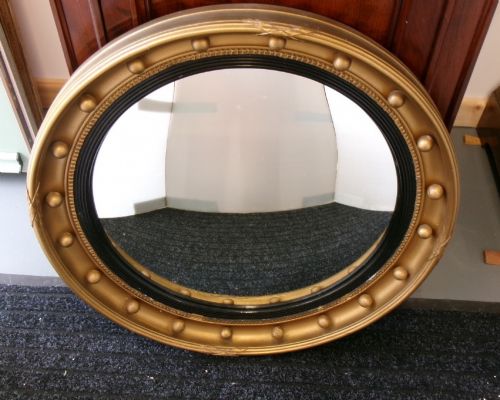
These vintage circular wood mirror examples offer striking focal points with rich wooden and gilded frames.
Vintage Circular Wood Mirror
A vintage circular wood mirror brings historical craftsmanship and warm tones to any interior wall. Buyers searching for a vintage circular wood mirror encounter wall-hung convex plates, porthole designs, and decorative giltwood frames spanning the nineteenth and twentieth centuries.
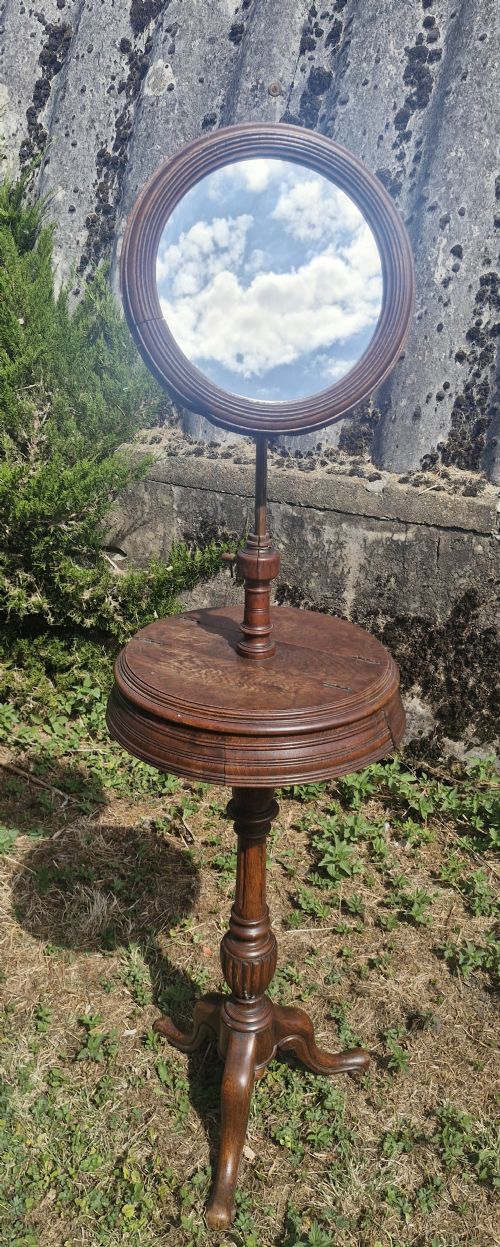
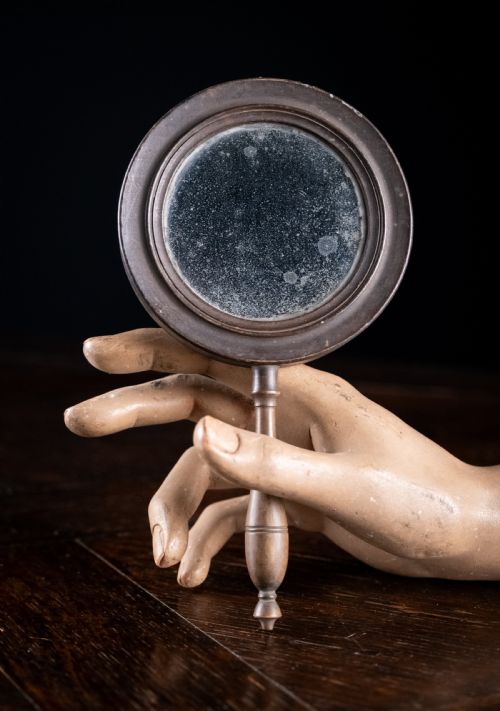
The selection ranges from small carved convex items dating to nineteen-twenty up to larger Regency period gilt-wood framed convex plate mirrors. Forms also extend to double-sided hand mirrors and shaving stands alongside larger nineteenth-century Florentine pieces.
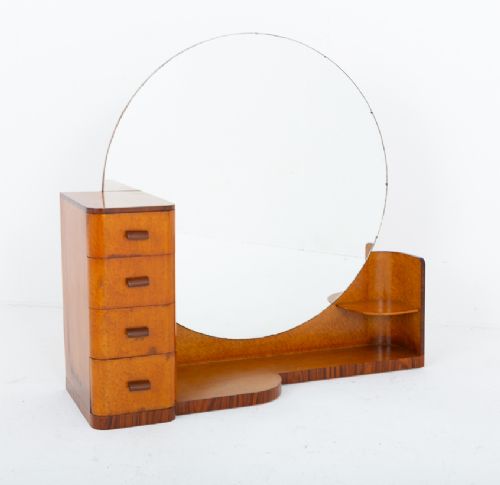
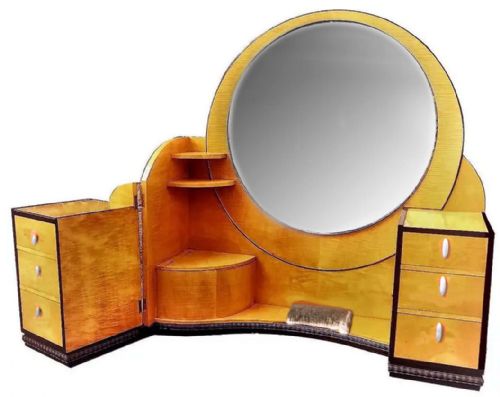
Most entries draw upon classical nineteenth-century aesthetics or early twentieth-century Arts and Crafts and Art Deco idioms. These circular formats function effectively as deep-set optical accents or traditional wall hangings.
How they were made
Frames rely heavily on solid mahogany, oak, and carved wood substrates often coated in gesso and finished with rich giltwood applications. Ebonised wood and brass elements also appear across the nineteenth-century examples to enhance decorative contrast.
Carved wooden details define the structural ornamentation, frequently paired with convex glass plates designed to distort and reflect light across the room. Joinery techniques reflect traditional cabinetmaking standards suited to heavy wall-hung service.
Vintage Circular Wood Mirror Retail Price Guide 2026
Typical asking prices for vintage circular wood mirror among the pieces listed under this phrase on Sellingantiques today, from the lower quarter to the upper quarter. They describe what is for sale here now, not the wider market.
Listings feature mahogany, oak, and ebonised wood alongside traditional gesso and giltwood finishes on circular wall mirrors.
What varies in quality
Quality depends on the depth and precision of the carved wood elements and the preservation of the original gesso and giltwood surfaces. Superior examples display crisp definition in decorative flourishes like eagles or floral motifs rather than soft or recut details.
The condition of the glass plate itself alters the character of the piece, with foxed mirror plates offering genuine age and atmospheric reflection. The structural integrity of the timber frame and the stability of the mirror backing dictate long-term durability.
Betty Joel
The Vintage Circular Wood Mirror Glossary
- Convex mirror
- A curved glass plate that bends light to provide a wide-angle, spherical reflection of the interior. These are frequently mounted in round wooden or gilt frames.
- Giltwood
- Timber coated with a thin layer of gold leaf over a prepared gesso ground. It provides a luminous metallic finish on period frames.
- Foxed mirror plate
- Glass showing spots, discoloration, and oxidation due to age. This chemical deterioration creates a characteristic mottled reflection valued by collectors.
- Gesso
- A plaster-like mixture applied to wood frames to create a smooth surface for gilding and carving. It allows for intricate decorative relief work.
- Porthole mirror
- A circular wall mirror styled after maritime window portholes, typically featuring a heavy wooden or brass-accented rim.
Vintage Circular Wood Mirror: Frequently Asked Questions
What is a convex mirror?
A convex mirror uses a curved glass plate to reflect a wider field of view than a flat glass surface. This optical design creates a rounded, globe-like image of the surrounding room.
Historically called sorcerer's mirrors or convex porthole mirrors, these pieces were prized for capturing ambient light in darker period interiors.
Where should I hang a round mirror?
Round mirrors function well as central focal points above mantelpieces, sideboards, or console tables. Their curved geometry softens the rigid linear lines typical of wall paneling and doorways.
Ensure the wall fixings match the weight of dense wooden and gilt frames to support the piece securely.
How do I date an antique wood mirror?
Dating relies on examining the timber species, joinery methods, and the backboards used in construction. Materials like mahogany and oak point to specific nineteenth or early twentieth-century eras.
Frame styles such as Regency, Arts and Crafts, or Art Deco provide additional chronological markers based on prevailing design movements.
What is a foxed mirror plate?
A foxed mirror plate is an older glass sheet where the reflective backing has degraded over time, producing dark spots and freckled patches. This natural ageing process is distinct to antique mirrors.
Many collectors prefer foxed glass because it proves the antiquity of the plate and adds unique visual depth.