


Vintage Church Art
Vintage church art brings centuries of devotion into domestic spaces through oil paintings, carved statues, and brass candlesticks.
Vintage Church Art
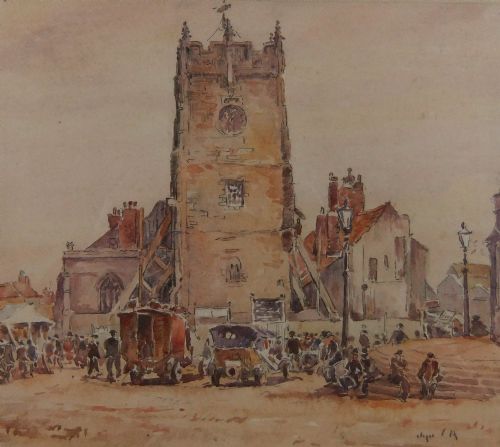
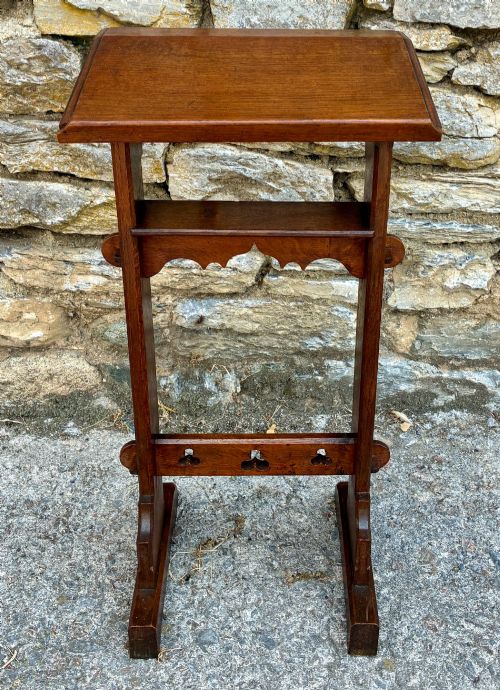
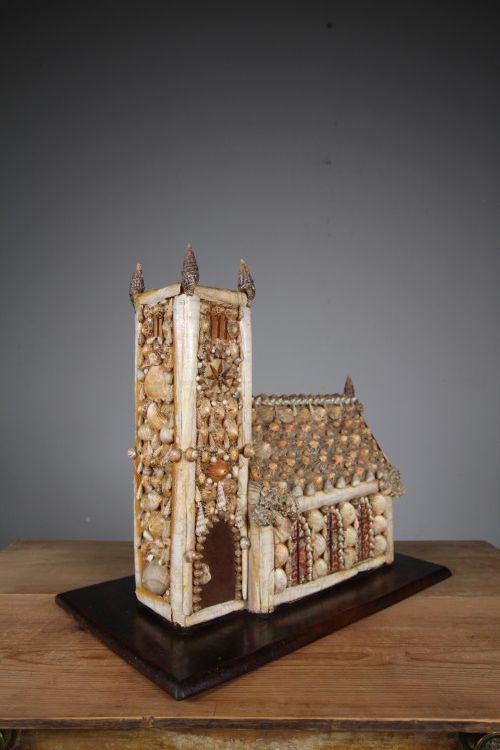
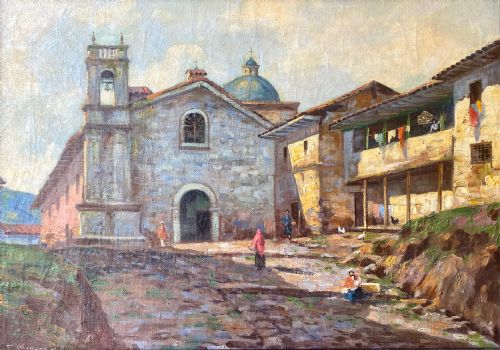
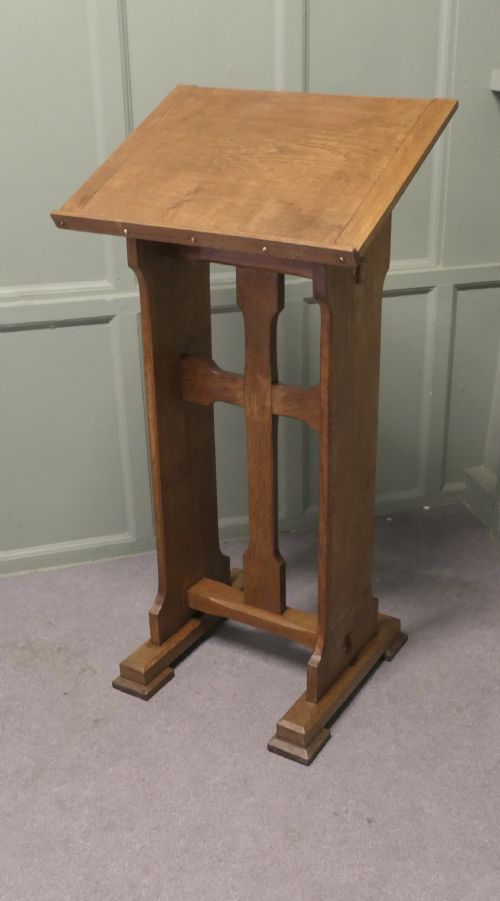
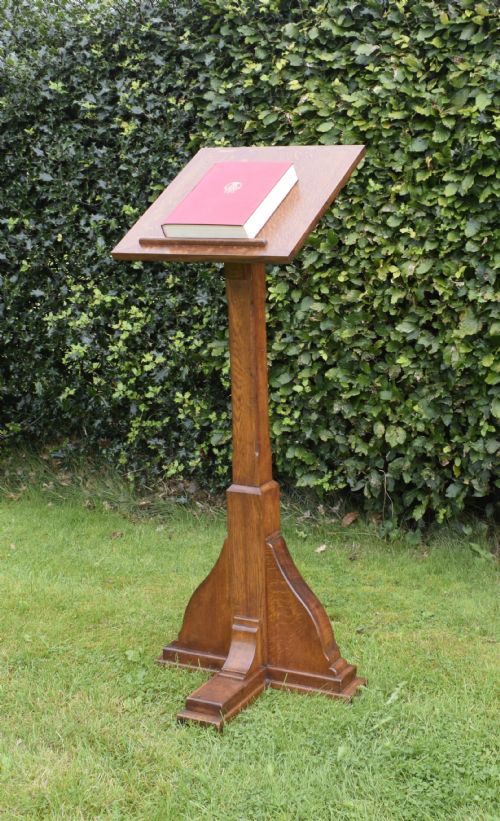
Vintage church art spans oil and watercolour paintings of ecclesiastical buildings, carved wooden statues of saints, and furnishings like oak pews and lecterns.
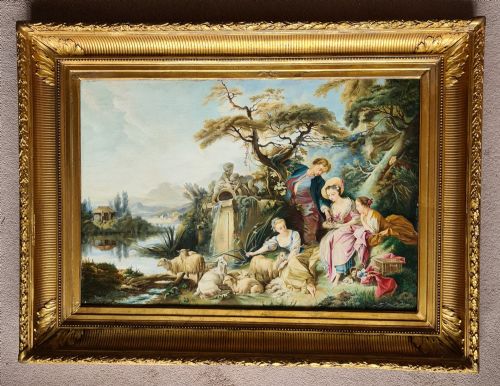
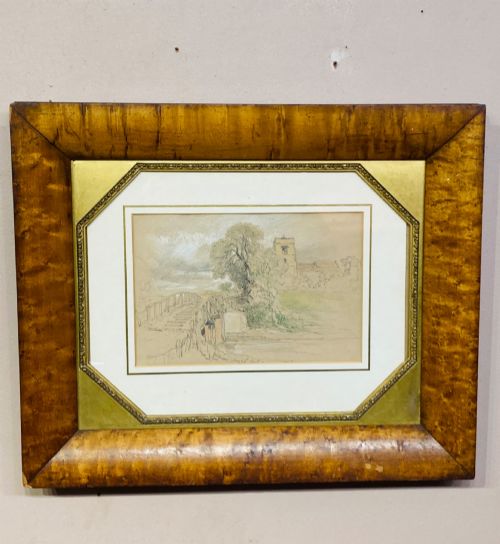
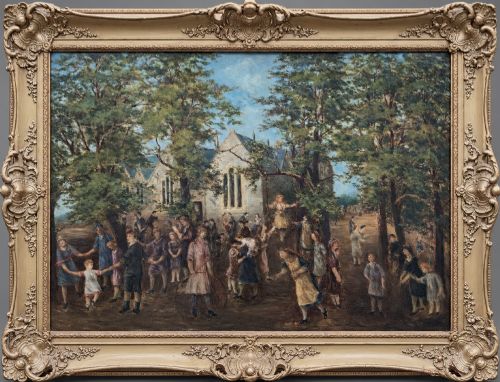
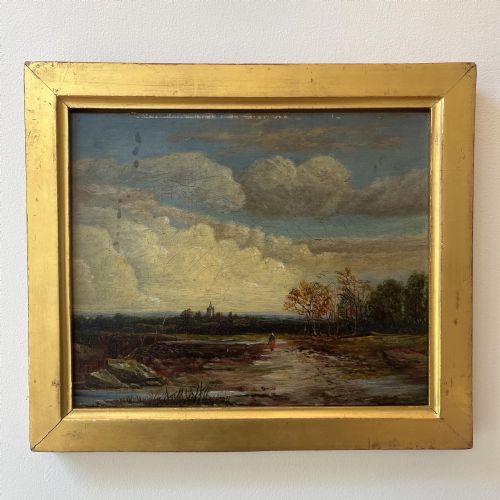
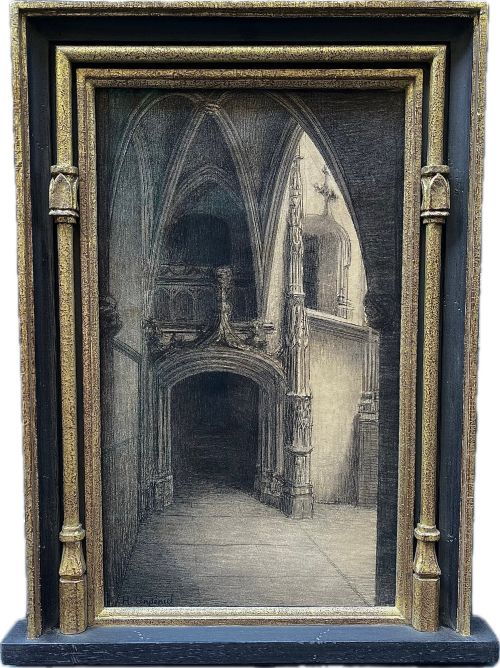
Buyers most frequently encounter 19th-century and early 20th-century works, ranging from naive folk art depictions to academic watercolours of abbeys and cathedrals.
The category also encompasses metalwork such as brass pricket candlesticks and carved architectural fragments originating from religious settings.
Materials and construction
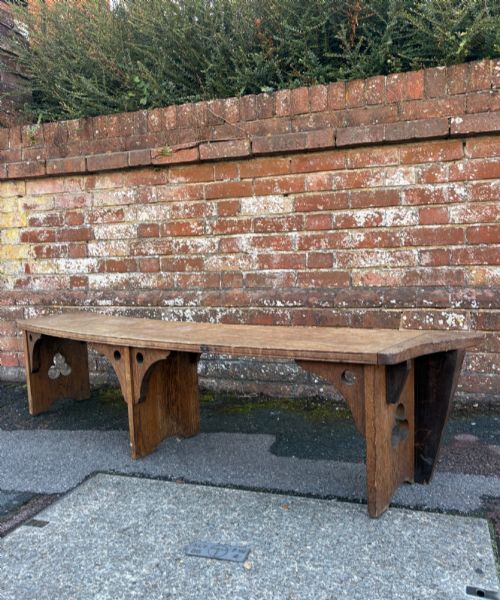
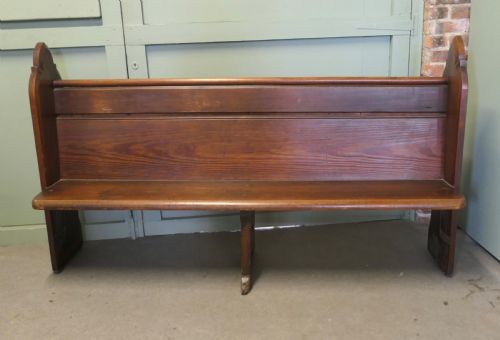
Makers utilised solid timbers including oak, pitch pine, and deal for benches, lecterns, and statues, often finishing them with carved details like trefoils or polychrome paint.
Paintings employ oil on canvas, oil on board, and watercolour on paper, frequently paired with ink or gold leaf highlighting.
Metal items rely on cast brass, copper, and iron, sometimes combined with leaded glass or lapis elements for liturgical service.
Vintage Church Art Retail Price Guide 2026
Typical asking prices for vintage church art among the pieces listed under this phrase on Sellingantiques today, from the lower quarter to the upper quarter. They describe what is for sale here now, not the wider market.
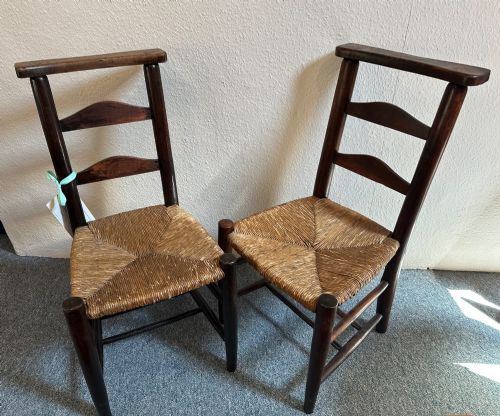
The selection includes seating from St Paul's Cathedral alongside naive folk art paintings and carved processional figures.
Judging quality and character
Quality rests upon the execution of the artist's hand in paintings and the depth of carving in wooden figures and architectural elements.
Materials dictate distinction, separating standard pine furniture from golden oak Arts and Crafts commissions or heavy cast pricket candlesticks.
John Smith Atherton·Henri Charles Angéniol·Joan Gillchrest·Alfred George Morgan·Sir William Nicholson·Kershaw Schofield
The Vintage Church Art Glossary
- Pricket candlestick
- A candleholder featuring a sharp central spike that secures a candle, commonly found in ecclesiastical settings. These tall metal stands often date from the late 19th or early 20th century.
- Santos figure
- A carved wooden devotional figure, often representing a saint or angel, dressed in traditional garments. Originating in European traditions, these statues show hand-carved and polychrome-painted surfaces.
- Gothic Revival
- An architectural and artistic style drawing inspiration from medieval forms, prevalent during the 19th century. Pieces feature pointed arches, trefoils, and heavy timber construction.
- Lithograph
- A printmaking method utilising a stone or metal plate to produce multiple impressions on paper. Early examples capture detailed monochrome views of church interiors and historic buildings.
Vintage Church Art: Frequently Asked Questions
What is vintage church art?
Vintage church art encompasses paintings, statues, and metalwork originating from or depicting religious buildings and traditions.
Items range from oil paintings of rural churches to carved wooden saints and brass pricket candlesticks.
How were church pews used?
Church pews served as long, fixed seating for congregants during services in cathedrals, village churches, and chapels.
Constructed from sturdy timbers like oak and pitch pine, they now find placement in large hallways or dining spaces.
How do I date wooden statues?
Dating wooden statues involves examining tool marks, timber shrinkage, and the wear patterns on polychrome paint finishes.
Nineteenth-century examples often exhibit hand-carved surfaces and traditional gesso layers beneath the paint.
Where do pricket candlesticks go?
Pricket candlesticks work well on sideboards, altars, or mantels where their height and metal construction create a focal point.
Originally designed for large wax candles in religious ceremonies, they bring vertical presence to interior schemes.