
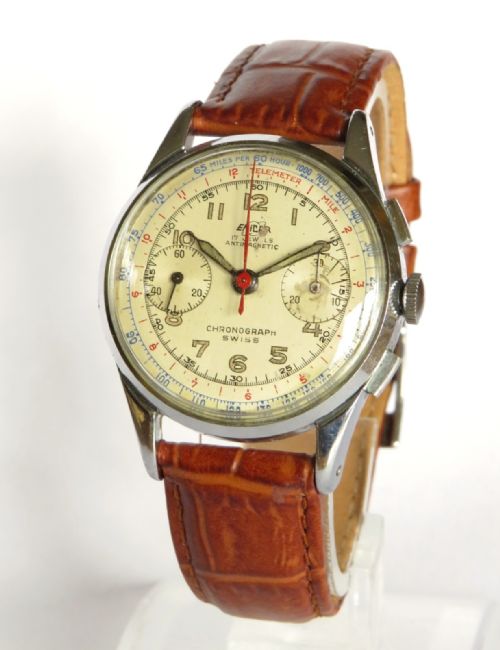


Vintage Chronograph
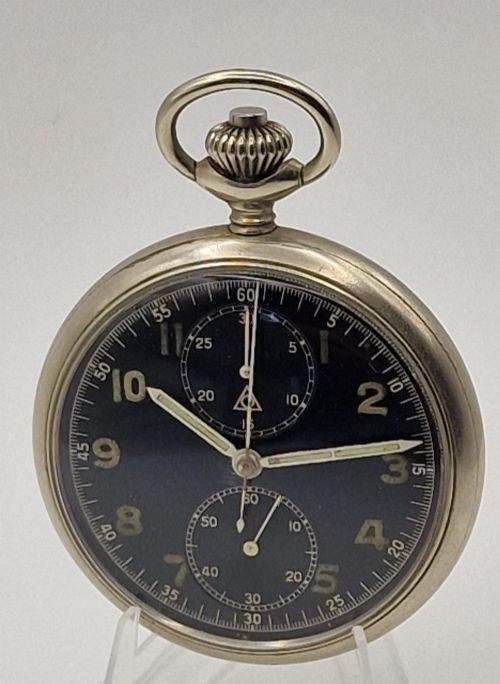
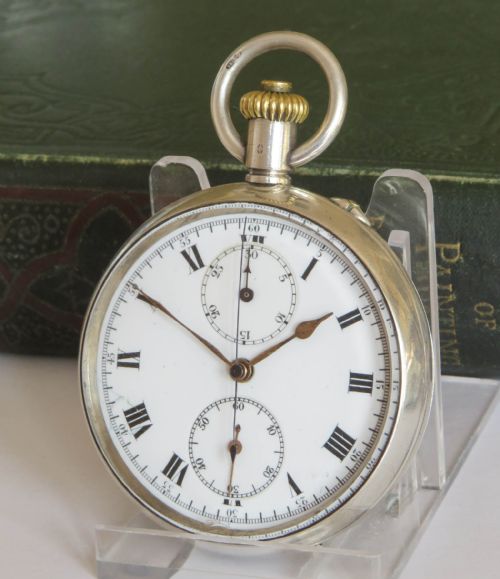
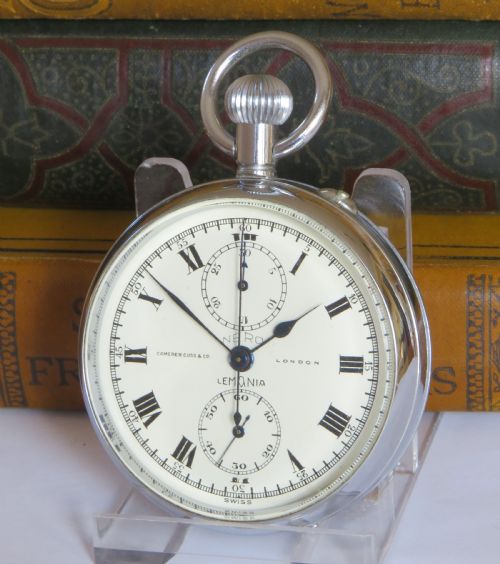
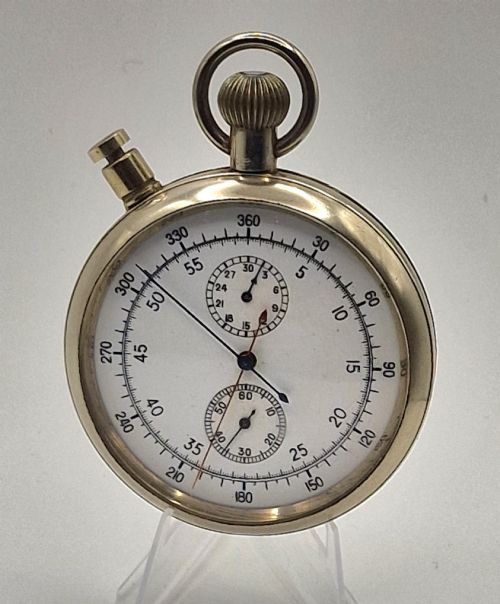
These vintage chronograph timepieces combine complex mechanical timing functions with the distinct styling of past decades, appealing to collectors who value precision engineering.
Vintage Chronograph
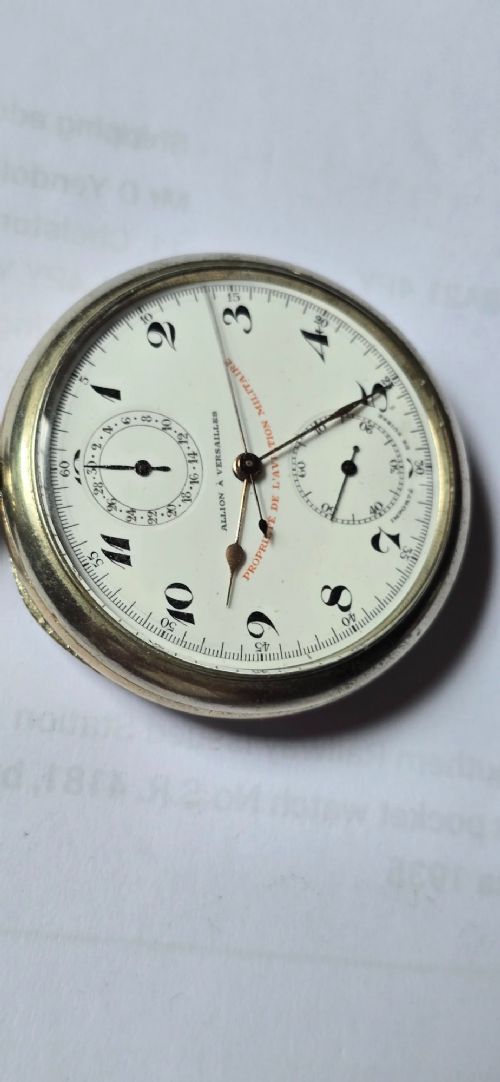
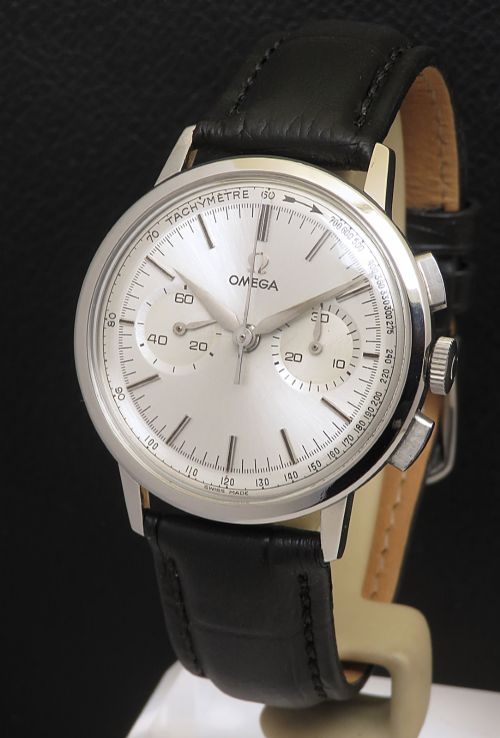
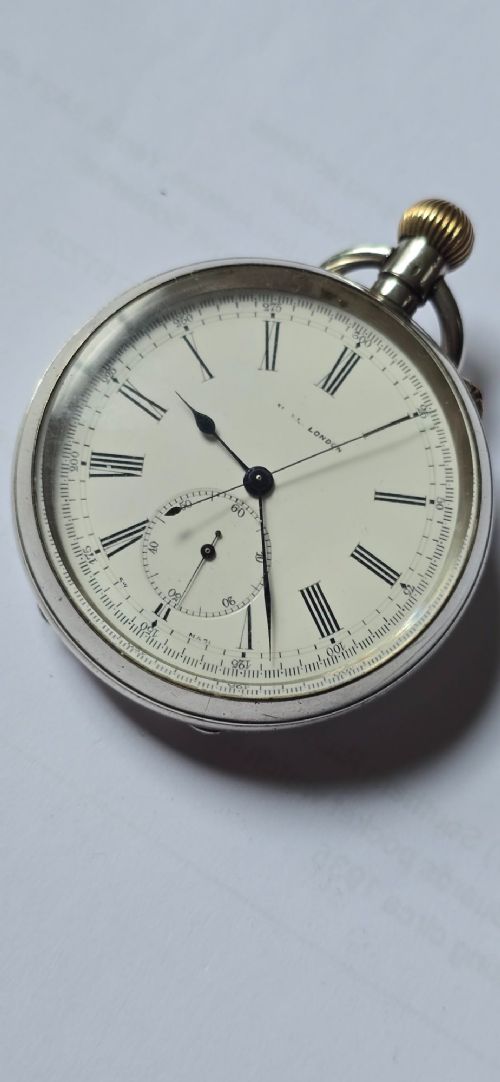
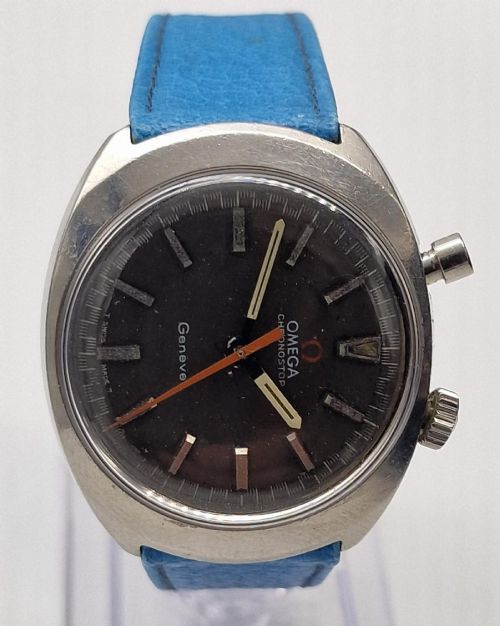
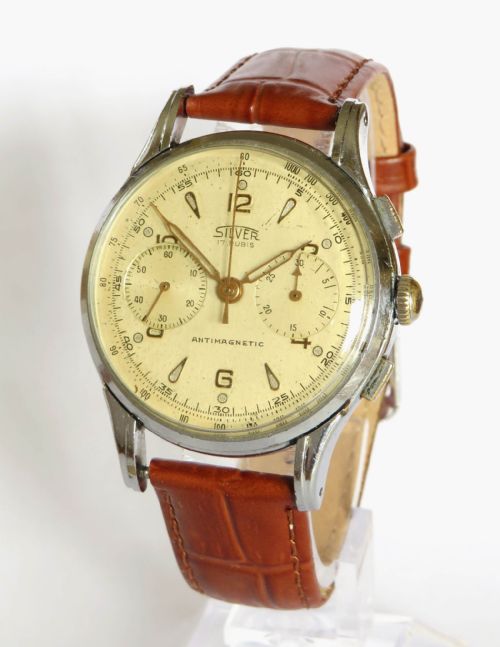
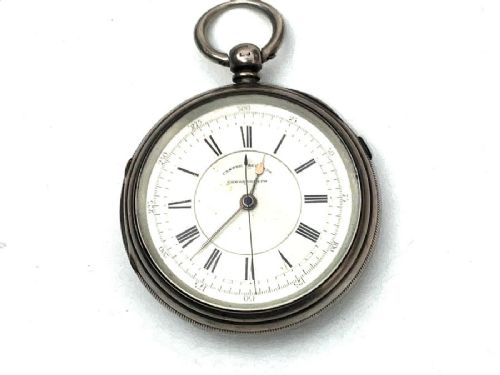
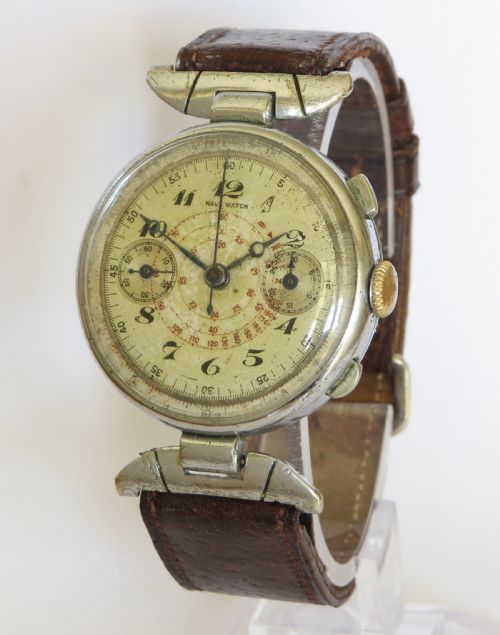
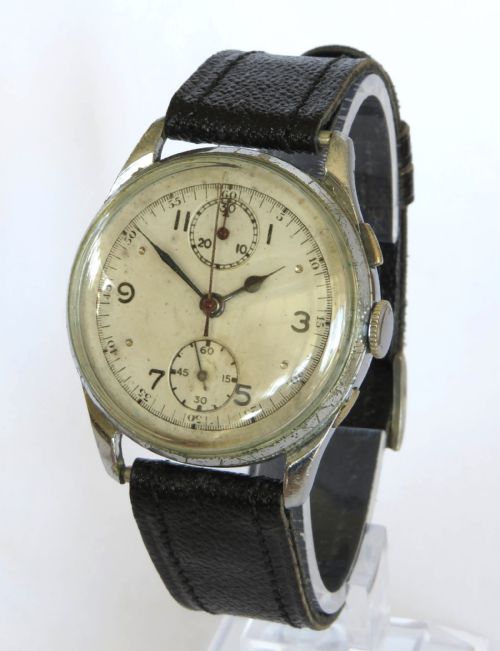
A vintage chronograph functions as both a standard timekeeper and a stopwatch, housing mechanical complications designed to measure elapsed intervals. When exploring this selection, buyers encounter timepieces spanning wristwatches, pocket watches, and specialised stopwatches originating from periods like the 1940s and 1960s.
The objects take many forms, from military aviation and naval artillery issues to civilian wristwatches featuring multi-register dials and triple calendar displays. Stainless steel wristwatches and silver pocket watches dominate the range, reflecting the practical and utilitarian origins of these timing instruments.
Makers and manufacturers represented here include established watch houses and military contractors, offering examples from Edwardian deck watches to mid-century driver and aviator models. Buyers find both wrist-worn calibres and pocket-carried instruments equipped with specialised dials such as the panda layout or split-seconds mechanisms.
Materials and construction
Cases utilise durable metals including stainless steel, solid silver, and gold plate, protecting the intricate mechanical movements housed inside. Acrylic and glass crystals cover the dials, while leather straps or metal bracelets secure the wristwatches to the wearer.
Complex mechanical movements, such as column-wheel or cam-switching calibres, drive the timing hands via pushers set alongside the winding crown. Enamel and metal dial plates feature printed or applied markers, subdials, and scales tailored for specific timing tasks.
Materials utilised across these listings include stainless steel, gold plate, silver, glass, acrylic, and leather.
What separates examples
The pedigree of the movement and the complexity of the complication differentiate examples, with specialised mechanisms like split-seconds or triple calendar functions sitting above standard time-and-stopwatch layouts. Originality of components, including dials, hands, and signed movement parts, dictates the standing of a piece.
The integrity of the case and the clarity of the dial markings also determine quality, as crisp case edges and well-preserved enamel or metal finishes indicate minimal wear and proper stewardship over the decades.
Omega·Breitling·Benrus·Invicta·Hahn Landeron·Mappin·Enicar·Allion of Versailles·Heuer·Antoremi·Fludo·Mundus·Beltane·Chronographe Suisse·Miramar
The Vintage Chronograph Glossary
- Chronograph
- A watch with a display function used for measuring elapsed time alongside the primary timekeeping hands. It includes independent start, stop, and reset controls.
- Calibre
- The specific internal movement of a watch, denoting the design and architecture created by the manufacturer.
- Subdial
- A smaller secondary dial positioned on the main watch face for tracking elapsed minutes, hours, or continuous seconds.
- Panda dial
- A watch face featuring a light-coloured background with contrasting dark subdials, resembling the facial markings of a panda.
- Rattrapante
- A complex chronograph mechanism with two second hands, allowing the timing of intermediate splits while the primary hand continues running.
Vintage Chronograph: Frequently Asked Questions
What is a vintage chronograph?
A vintage chronograph is a timepiece featuring a built-in stopwatch function, allowing the wearer to measure specific durations alongside regular timekeeping. These mechanical instruments date from various historical periods and encompass both pocket watches and wristwatches.
Such pieces were utilised across military, aviation, and civilian contexts, combining intricate gear trains with functional dial layouts designed for precise timing tasks.
How do I operate the stopwatch?
The stopwatch feature is controlled via push-pieces mounted on the watch case, typically positioned above and below the winding crown. Pressing the top pusher starts and stops the timing hand, while the bottom pusher resets it to zero.
Users should engage these pushers firmly but carefully to avoid placing undue strain on the internal levers and springs of older mechanical movements.
How should I wear a vintage watch?
Wearing a vintage timepiece requires mindful care, as older cases and movements lack the shock and water resistance found in modern equivalents. Protecting the watch from moisture and heavy impacts ensures the mechanical components remain in working order.
Pairing a wrist-worn chronograph with appropriate leather straps or period-correct bracelets preserves the historic character of the piece during daily or occasional wear.
How do I date a chronograph?
Dating a chronograph involves examining stylistic cues from the dial, case design, and movement serial numbers where available. Design elements such as numerals, hand shapes, and case dimensions point toward specific eras like the 1930s or 1960s.
Reference materials and maker archives help connect movement calibres and case stamps to precise production years recorded by manufacturers.