
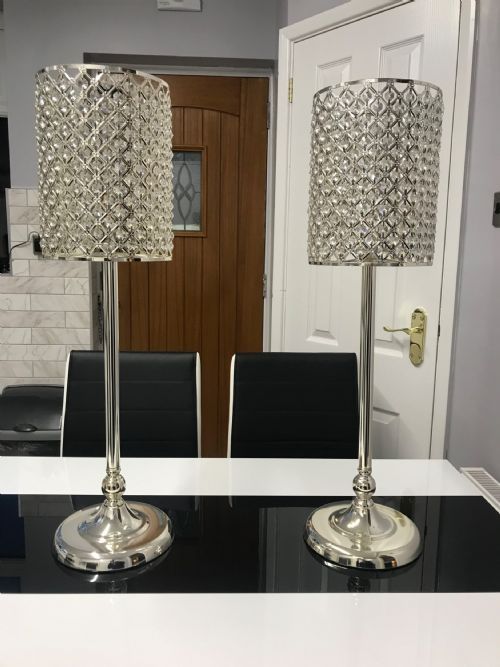


Vintage Chrome Desk Light
A vintage chrome desk light brings functional industrial style to a workspace, combining period design with polished metal surfaces.
Vintage Chrome Desk Light
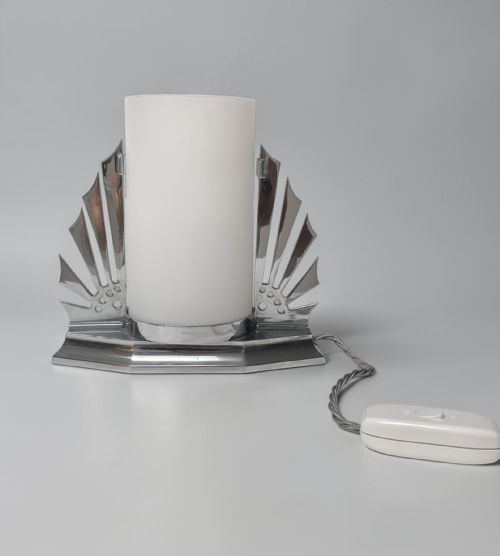
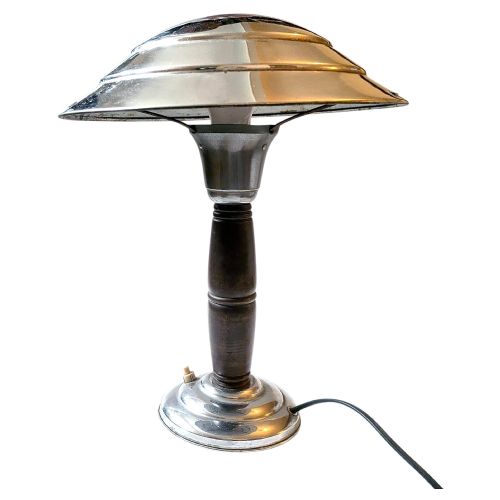
A vintage chrome desk light is primarily defined by designs originating from the Art Deco, Machine Age, and Modernist movements spanning the 1920s to the 1940s. These task lamps and table lamps combine polished metal with functional adjustment mechanisms suited for period workspaces.
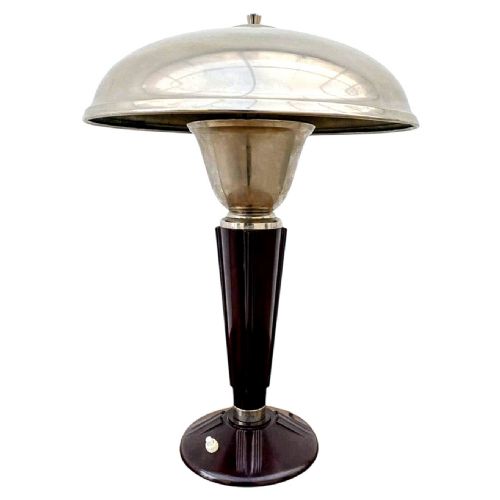
The most common examples encountered on this page date from the 1930s, often pairing chrome with contrasting materials like Bakelite or coloured glass. Formats range from adjustable industrial task arms to figural bases depicting athletes or sail yachts.
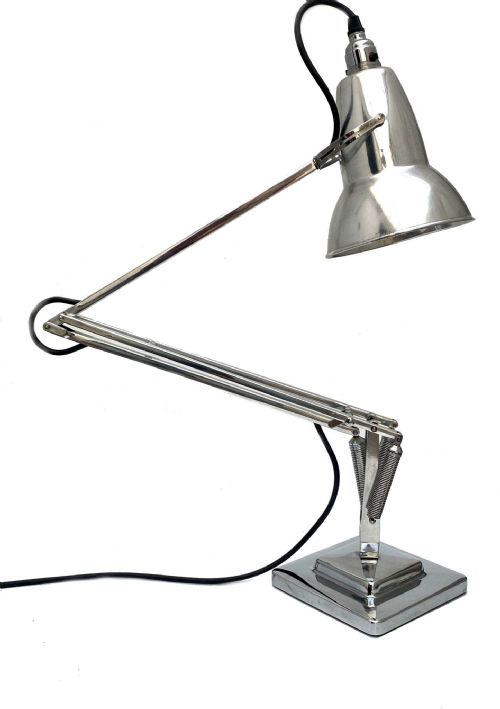
Makers and French studios of the era produced numerous variations, including flexible anglepoise designs and dual-shade configurations. Buyers encounter both utilitarian desk lights and decorative pieces intended to catch the eye.
Materials and construction methods
Construction relies heavily on plated metals, with chrome and nickel applied over brass or white metal bases to create durable, reflective surfaces. Machine Age pieces utilise heavy cast components to support adjustable arms and metal shades.
Electrical fittings often integrate early plastics such as Bakelite and Catalin phenolic resin for switches and plugs, while shades incorporate frosted glass, opaline, or coloured glass elements. Structural joints permit adjustment through articulated metal tubing or weighted pivot mechanisms.
Listings feature desk lights spanning the 1920s to the 1960s, constructed from chrome, Bakelite, and frosted glass.
Assessing quality in period lighting
Quality rests upon the integrity of the metallic plating and the robustness of the structural joints rather than simple decorative embellishment. Superior examples maintain an even, deep polish across the chrome without pitting, alongside weighty bases that provide stability during adjustment.
The presence of original period components, such as specialised Bakelite switches, coloured glass shades, or marked manufacturer fittings, distinguishes standard production pieces from higher-tier studio work.
Eileen Grey·Herbert Terry·Pirouette
The Vintage Chrome Desk Light Glossary
- Chrome
- An electroplated coating of chromium applied over base metals to provide a hard, corrosion-resistant, highly reflective finish. This process became a defining characteristic of 1930s industrial design.
- Bakelite
- An early thermosetting plastic made from phenol and formaldehyde, valued for its heat resistance and electrical insulation properties. It frequently appears on switches, plugs, and decorative accents.
- Machine Age
- A design style from the interwar period that celebrated industrial efficiency, smooth lines, and the aesthetic of machinery. Objects from this movement prioritise functional geometry and metallic surfaces.
- Catalin
- A cast phenolic resin developed in the 1920s and 1930s, known for its rich translucent colours and depth. It is often found in decorative lamp bases and switch housings.
- Opaline glass
- A milky, semi-translucent glass used for lamp shades to diffuse light evenly across a workspace. It softens harsh glare while maintaining high light transmission.
Vintage Chrome Desk Light: Frequently Asked Questions
How do I rewire a vintage lamp?
Rewiring typically involves replacing older fabric or rubber-insulated wiring with modern three-core flex to meet contemporary safety standards. A qualified electrician can thread the new cable through the original channels without altering the outer metal components.
Preserving original internal lamp holders and switches is possible when they remain in safe working order. Modern earth connections must be integrated properly into metal lamp bodies during any restoration.
Are these lamps safe for daily use?
Most period lamps function well for daily tasks provided the electrical cord and plug have been updated recently. Checking the stability of the weighted base and the tension in adjustable joints ensures the lamp remains safe on a desk.
Using low-heat LED bulbs compatible with vintage fittings prevents damage to original glass shades and Bakelite components. Regular inspection of the plug and cord safeguards against wear.
How do I clean chrome surfaces?
Cleaning requires a soft microfiber cloth and mild soapy water to remove dust and surface grime without scratching the plating. Avoid abrasive metal polishes that can strip thin chrome layers from the underlying brass or steel.
Dry the metal thoroughly after cleaning to prevent moisture settling in the joints. For stubborn marks, specialised non-abrasive chrome cleaners restore the reflective shine safely.
What distinguishes Art Deco from Machine Age?
Art Deco lighting often incorporates decorative figural elements, coloured glass, and luxurious materials like silver plate or parchment leather. The focus leans towards artistic expression and stylised symmetry.
Machine Age lighting strips away ornamentation in favour of stark functionality, exposed rivets, and utilitarian metal shades. These designs draw inspiration directly from industrial machinery and factory equipment.