



Vintage Chinoiserie Desk
These vintage chinoiserie desk pieces bring painted lacquer and decorative ornament to a workspace, offering period character for daily use.
Vintage Chinoiserie Desk
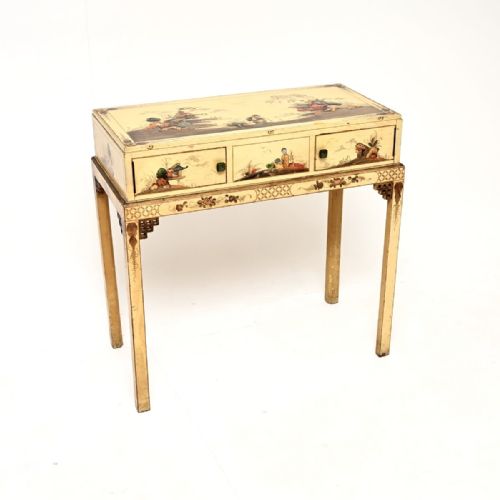
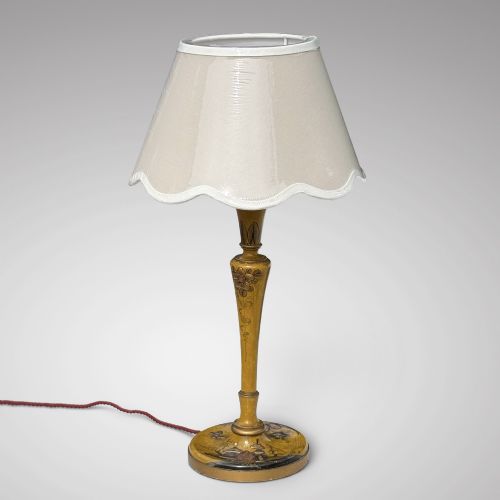
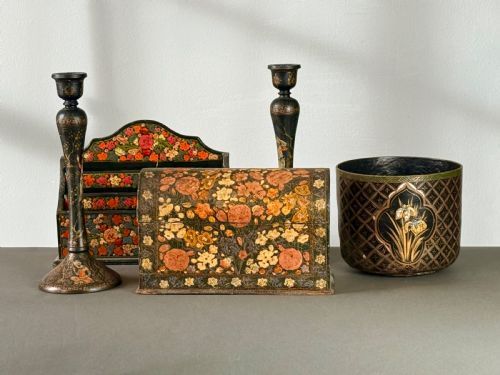
A vintage chinoiserie desk selection brings together bureau writing furniture, stationery tidies, and letter racks shaped by 19th-century and early 20th-century design. Bureau bookcases and bureau platts form the main writing furniture items found across these listings.
Alongside larger writing desks, the category includes smaller accessories like inkwells and desk tidies designed for writing surfaces. These pieces draw on Edwardian, Regency, and Victorian periods, adapting traditional European furniture forms with painted oriental motifs.
How they were made
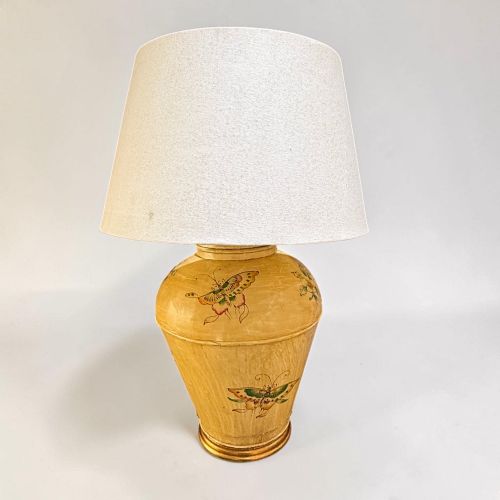
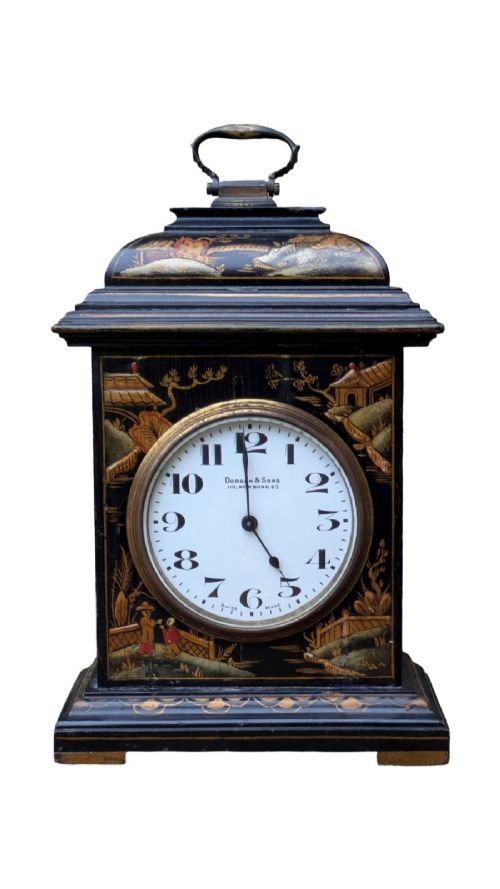
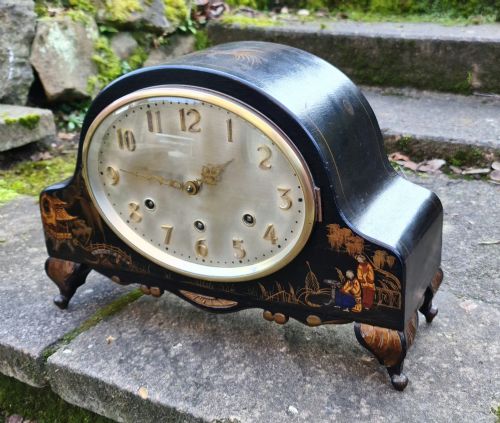
Craftsmen built these items primarily from wood, applying layers of lacquer in ochre, red, green, and black tones. Surface decoration relied on hand-painted oriental scenes executed over the lacquered timber base.
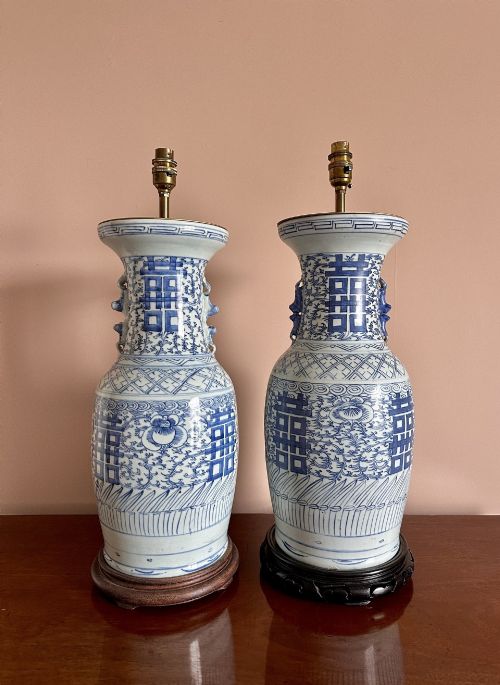
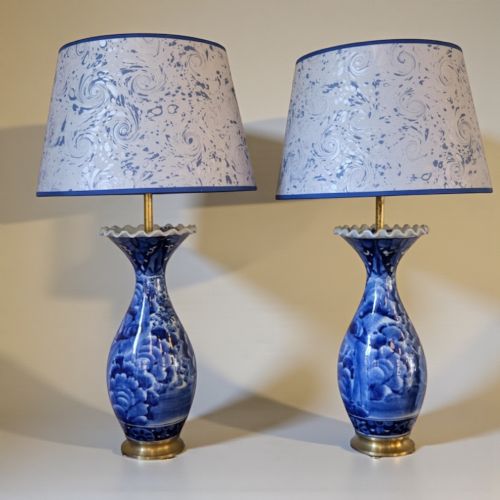
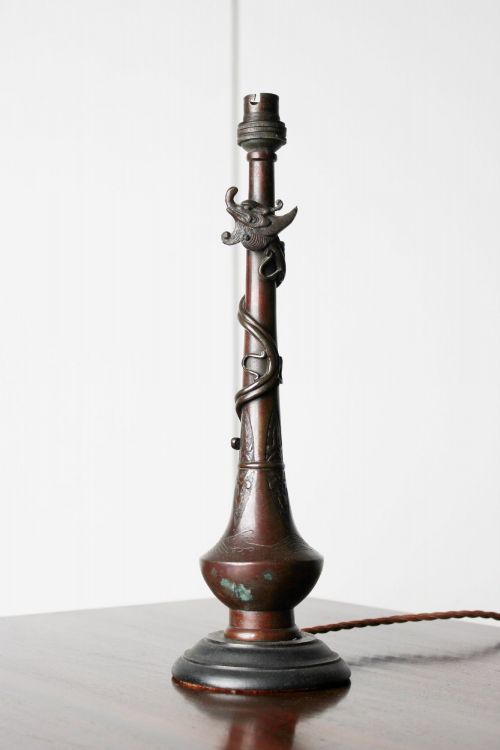
Metal components such as brass and bronze appear alongside porcelain and glass elements, particularly on desk accessories and lighting. Structural elements often incorporate joined timber, while decorative hardware utilises cast and patinated metals.
Vintage Chinoiserie Desk Retail Price Guide 2026
Typical asking prices for vintage chinoiserie desk among the pieces listed under this phrase on Sellingantiques today, from the lower quarter to the upper quarter. They describe what is for sale here now, not the wider market.
Listings feature items from the 18th century, Victorian period, Edwardian era, and the 1920s to 1930s.
What varies in quality
Quality rests on the depth of the lacquer work and the precision of the hand-painted details upon the surface. Pieces with well-preserved polychrome scenes and steady timber construction stand apart from simpler utilitarian items.
The integration of original hardware, such as brass pulls and hinges, shapes the overall standard of a bureau or desk accessory. Greater refinement shows in the layering of the lacquer and the crispness of the painted motifs.
Edmé Samson·Hicks and Meigh
The Vintage Chinoiserie Desk Glossary
- Bureau
- A writing desk with a sloping lid that opens to reveal internal compartments and drawers. Many examples sit upon a chest base or stand on bracket feet.
- Lacquer
- A durable finish applied to wood in multiple coats, then polished and painted. This technique provides the smooth, glossy surface typical of oriental-inspired furniture.
- Chinoiserie
- A European artistic style reflecting Chinese and East Asian motifs. Artisans applied this decorative approach to furniture, ceramics, and clocks during various historical periods.
- Ormolu
- Gilt bronze mounts applied to furniture and decorative objects. This technique adds metallic highlights to wood and porcelain surfaces.
Vintage Chinoiserie Desk: Frequently Asked Questions
What is a chinoiserie bureau?
A chinoiserie bureau is a sloping-lid writing desk decorated with painted oriental motifs and lacquer finishes. These pieces combine practical workspace storage with decorative visual themes.
They originate from periods such as the Edwardian era and the early 20th century, serving as both functional furniture and decorative statements.
How do I clean a lacquered desk?
Cleaning lacquered surfaces requires a soft, dry cloth to remove dust without harming the painted finish. Avoid harsh chemical cleaners and excessive moisture that might penetrate the lacquer.
Regular gentle dusting preserves the hand-painted details and keeps the gloss intact over time.
Are these desks suitable for daily work?
These desks provide functional writing surfaces and compartments for stationery storage. Their internal drawers and pigeonholes accommodate modern writing materials while maintaining period character.
Placing them in a study or home office allows practical daily use alongside antique aesthetic appeal.
How do I date a vintage bureau?
Dating a bureau involves examining the timber construction, the type of lacquer, and the hardware style. Edwardian and 19th-century pieces often display specific joinery methods and handle designs characteristic of their decade.
Comparing the painted motifs and structural proportions helps establish the period of manufacture.