

Vintage Chinese Porcelain
Vintage chinese porcelain brings centuries of hand-painted tradition, vibrant enamel palettes and intricate forms into contemporary rooms as statement pieces.
Vintage Chinese Porcelain
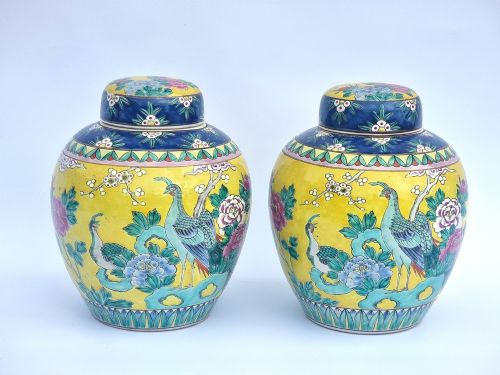
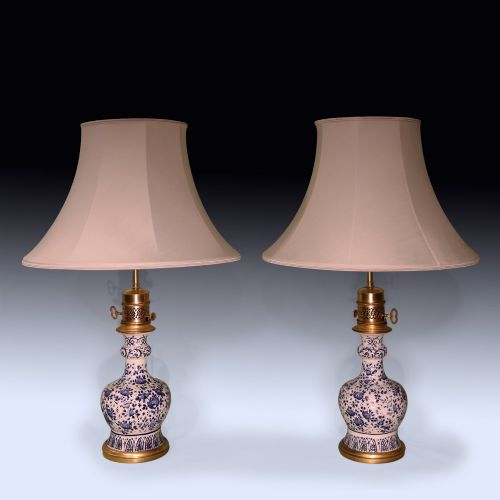
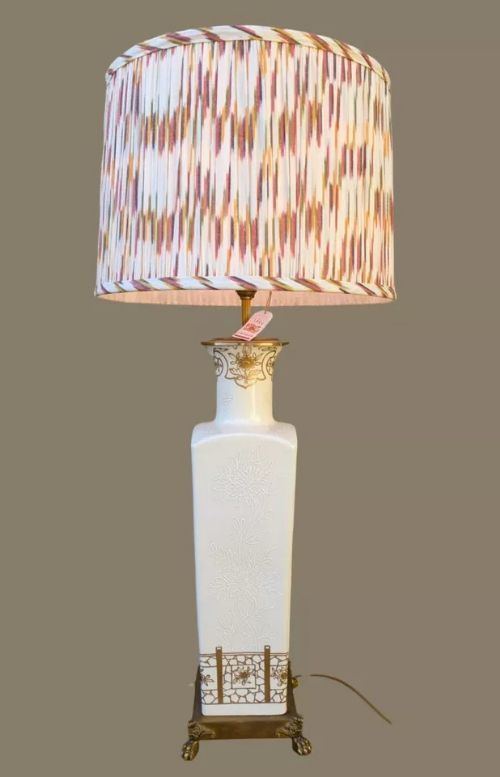
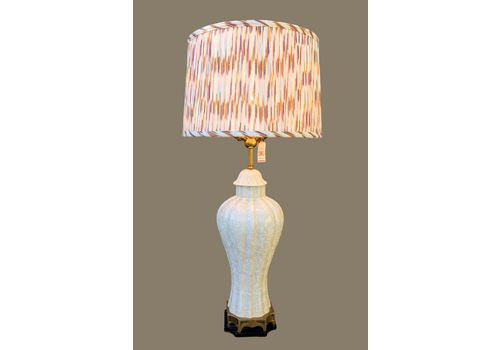
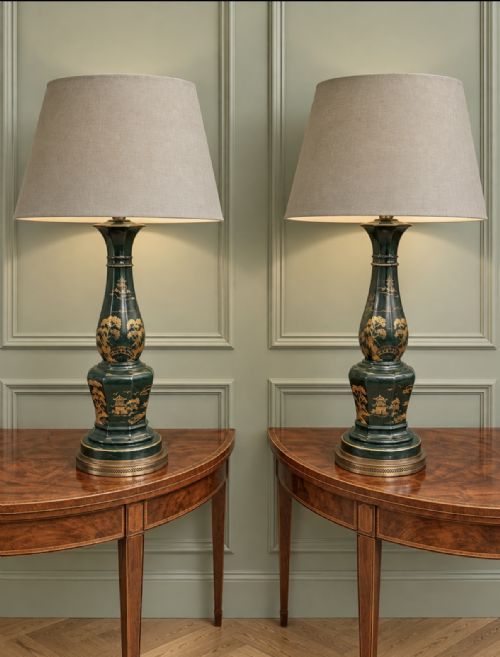
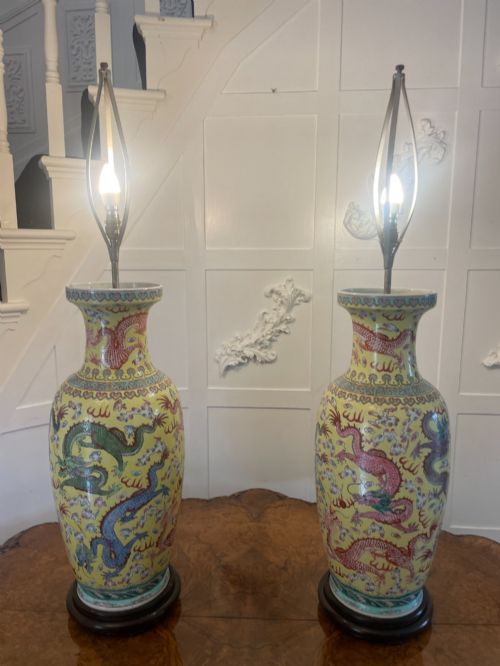
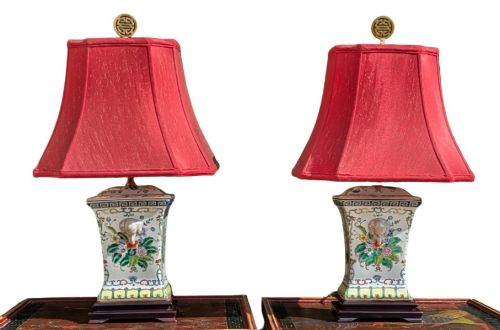
Vintage chinese porcelain encompasses centuries of ceramic heritage, spanning from the eighteenth century through the republican era and into the mid-twentieth century. Collectors encounter diverse functional and decorative forms, including punch bowls, ginger jars, garden seats, figural groups, and vessels adapted into table lamps.
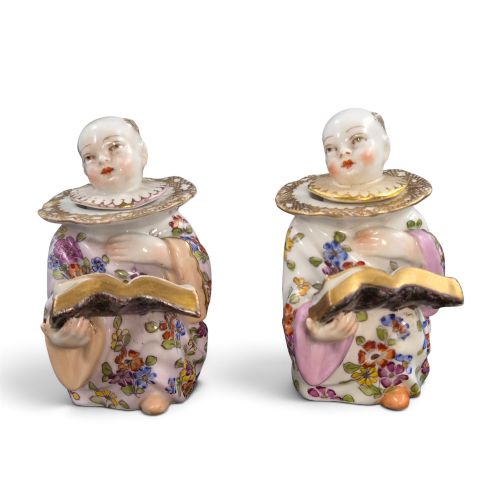
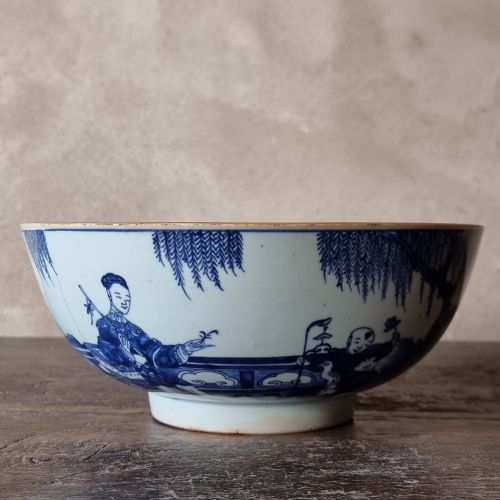
The objects on this page originate from distinct stylistic movements, ranging from traditional qing dynasty wares and chinese export pieces to later republican period porcelain and European interpretations like chinoiserie. Many pieces display traditional hand-painted motifs executed in cobalt blue or polychrome famille rose enamels.
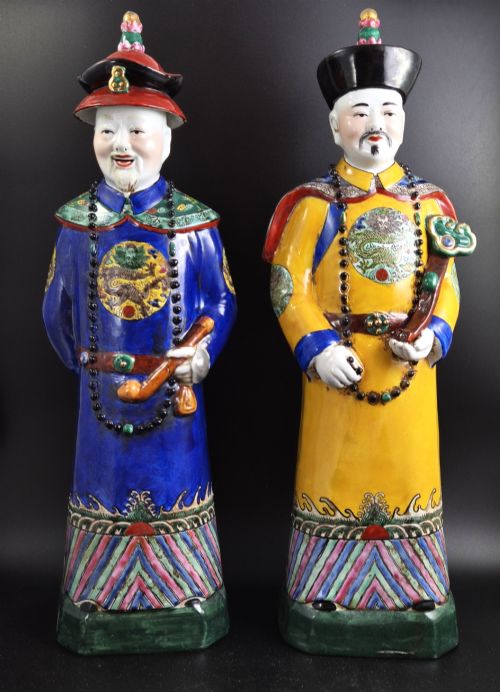
The selection reflects both utilitarian items intended for daily dining or storage and purely ornamental works created for display. Buyers frequently encounter pairs of vases, figures of emperors and animals, and specialised vessels bearing historical or workshop marks.
Materials and Techniques
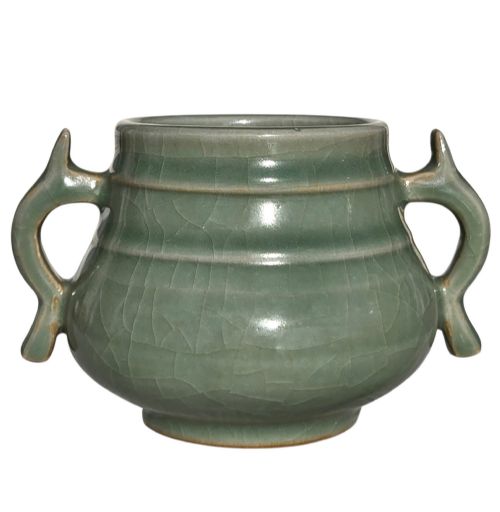
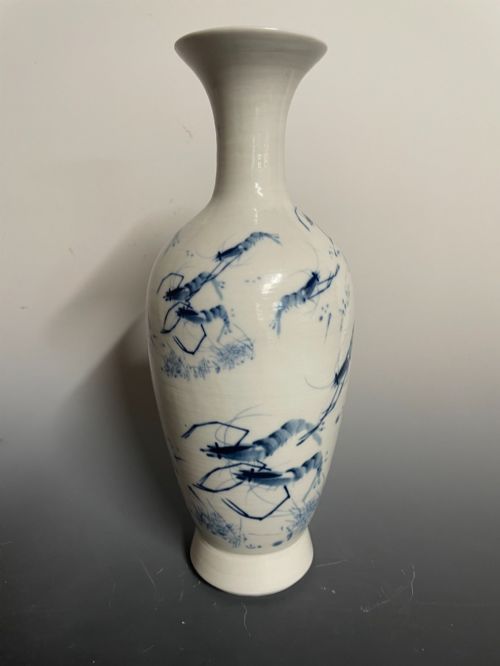
Makers utilised refined ceramic clay bodies fired at high temperatures to create durable white porcelain, finished with transparent or coloured glazes such as cobalt blue and pale green celadon. Artisans applied vibrant enamel pigments over the glaze to build up complex figurative and floral compositions.
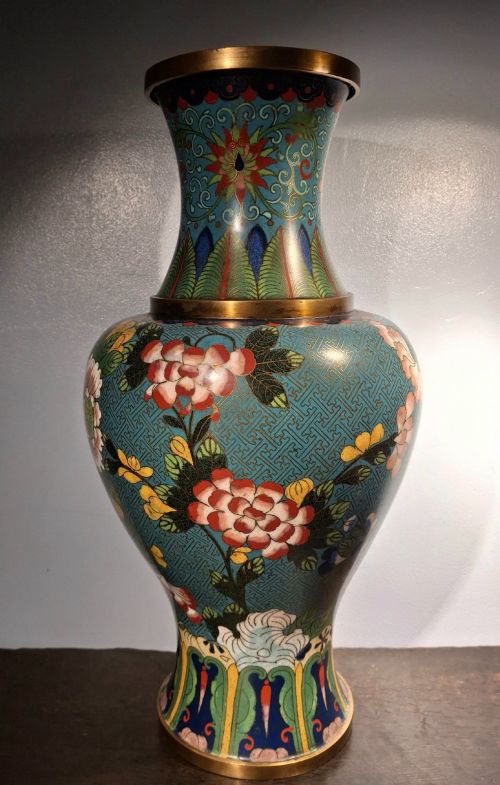
Many ceramic bodies incorporate subsidiary materials like brass mounts, carved wood stands, or wicker cases, while related decorative objects combine cloisonné enamel with metal frameworks. Surface decoration relies entirely on hand-painted brushwork rather than transfer printing.
Vintage Chinese Porcelain Retail Price Guide 2026
Typical asking prices for vintage chinese porcelain among the pieces listed under this phrase on Sellingantiques today, from the lower quarter to the upper quarter. They describe what is for sale here now, not the wider market.
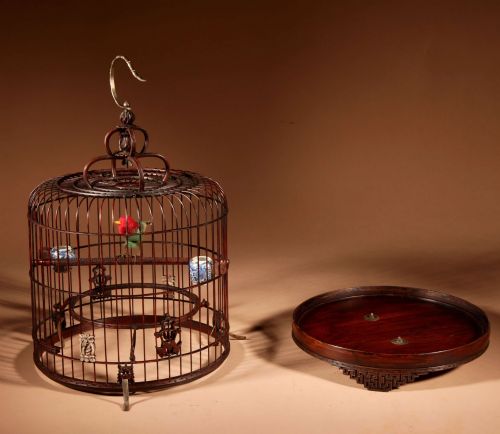
Fierce porcelain foo dogs stand guard beside delicate singing bird cages.
Evaluating Quality and Execution
The standard of a piece rests in the precision and fluidity of the hand-painted brushwork, where finer examples display confident lines and subtle tonal gradations in cobalt or enamel palettes. The crispness of moulded details on figures and the symmetry of thrown vessels further separate superior works from routine production.
Proportion and glaze consistency dictate the visual balance of the object, with well-controlled firing temperatures preventing surface pooling or dullness. The integration of secondary elements, such as bespoke wood stands or period brass bases, contributes to the overall integrity of the piece.
Edmé Samson·Daisy Makeig-Jones Wedgwood
The Vintage Chinese Porcelain Glossary
- Famille Rose
- A prominent palette of opaque pink and rose enamel colours introduced during the Qing dynasty. The style relies on colloidal gold to achieve its distinct soft pink hues alongside greens, yellows, and blues.
- Ginger Jar
- A high-shouldered ceramic vessel originally designed for spices or storage. These jars frequently feature blue and white or polychrome floral motifs and often include matching covers.
- Qing Dynasty
- The final imperial dynasty of China, lasting from sixteen forty-four to nineteen twelve. This period produced diverse ceramic styles, including intricate famille verte and monochrome glazes.
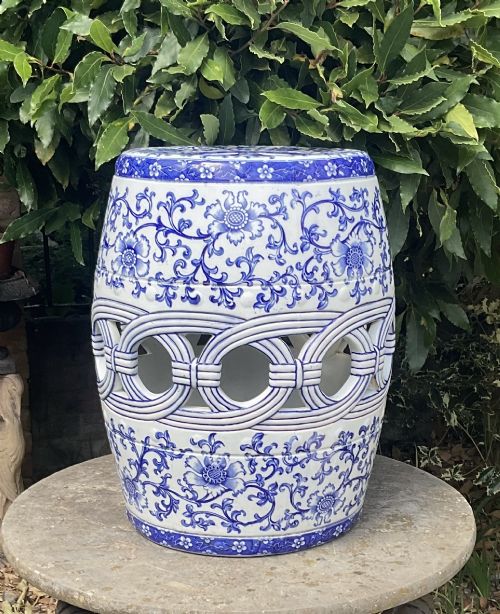
- Garden Seat
- A barrel-shaped ceramic or pottery stool designed for indoor or outdoor use. These heavy pieces typically feature pierced coins or handles and traditional pierced panels.
- Export Porcelain
- Wares manufactured in China specifically for international markets in Europe and America. These pieces frequently blend traditional Chinese forms with Western armorial or decorative preferences.
Vintage Chinese Porcelain: Frequently Asked Questions
How do I date vintage chinese porcelain?
Dating relies on stylistic markers, reign marks, glaze characteristics, and the handling of hand-painted pigments. Comparing the potting weight and baseline finish to known period examples helps clarify the era of manufacture.
Changes in enamel saturation and the introduction of specific motifs, such as republican period signatures, provide further chronological clues.
Were these porcelain pieces used or decorative?
Many items served practical domestic functions, such as punch bowls for serving beverages, teapots for brewing, and ginger jars for storing dry goods. Other forms, including garden seats and figurines, were primarily ornamental.
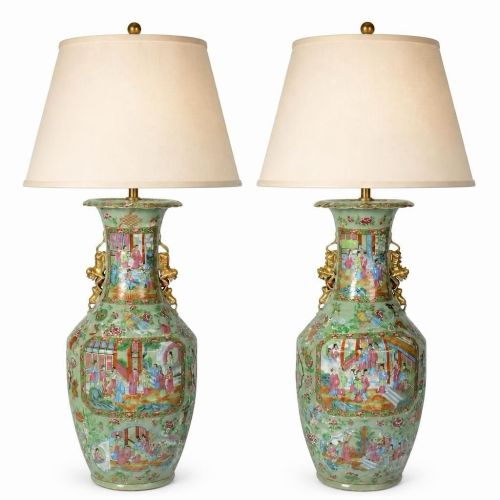
Over time, many functional vessels like vases and jars were converted into table lamps without losing their decorative appeal.
What is the difference between famille rose and famille verte?
Famille rose relies primarily on opaque pink enamels derived from gold, introduced during the eighteenth century to create softer tonal gradations. Famille verte utilises a transparent green-dominated palette developed earlier in the Qing dynasty.
Both styles employ intricate hand-painted figures and florals, but their dominant colour schemes create distinct visual weights.
How should I care for antique porcelain lamps?
Dust porcelain surfaces gently with a soft, dry cloth to prevent abrasion to overglaze enamels. Avoid harsh chemical cleaners or submerging wired ceramic bodies in water.
Ensure that any vintage electrical components are inspected by a qualified professional to meet current safety standards.