
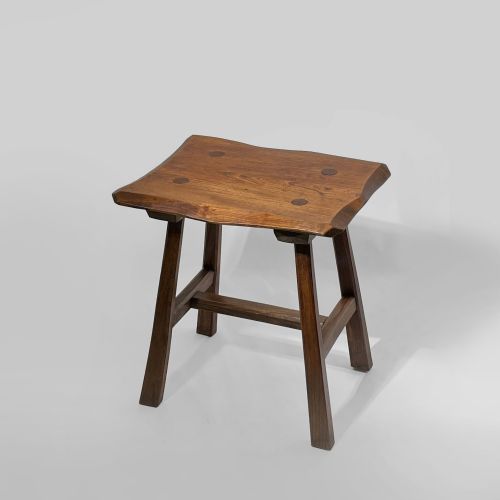
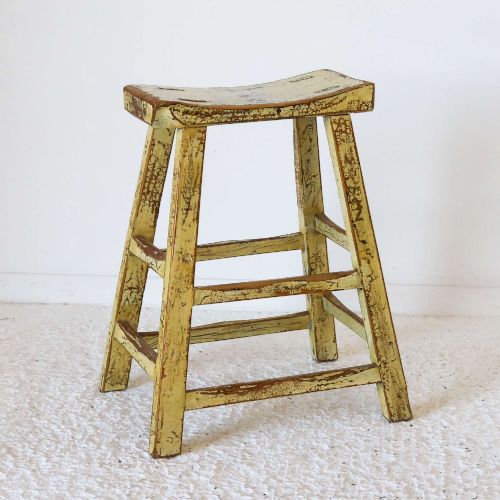
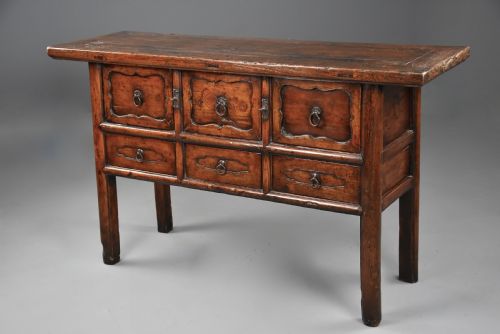


Vintage Chinese Elm Table
These vintage chinese elm table examples bring honest provincial character and tactile timber grain directly into a modern interior.
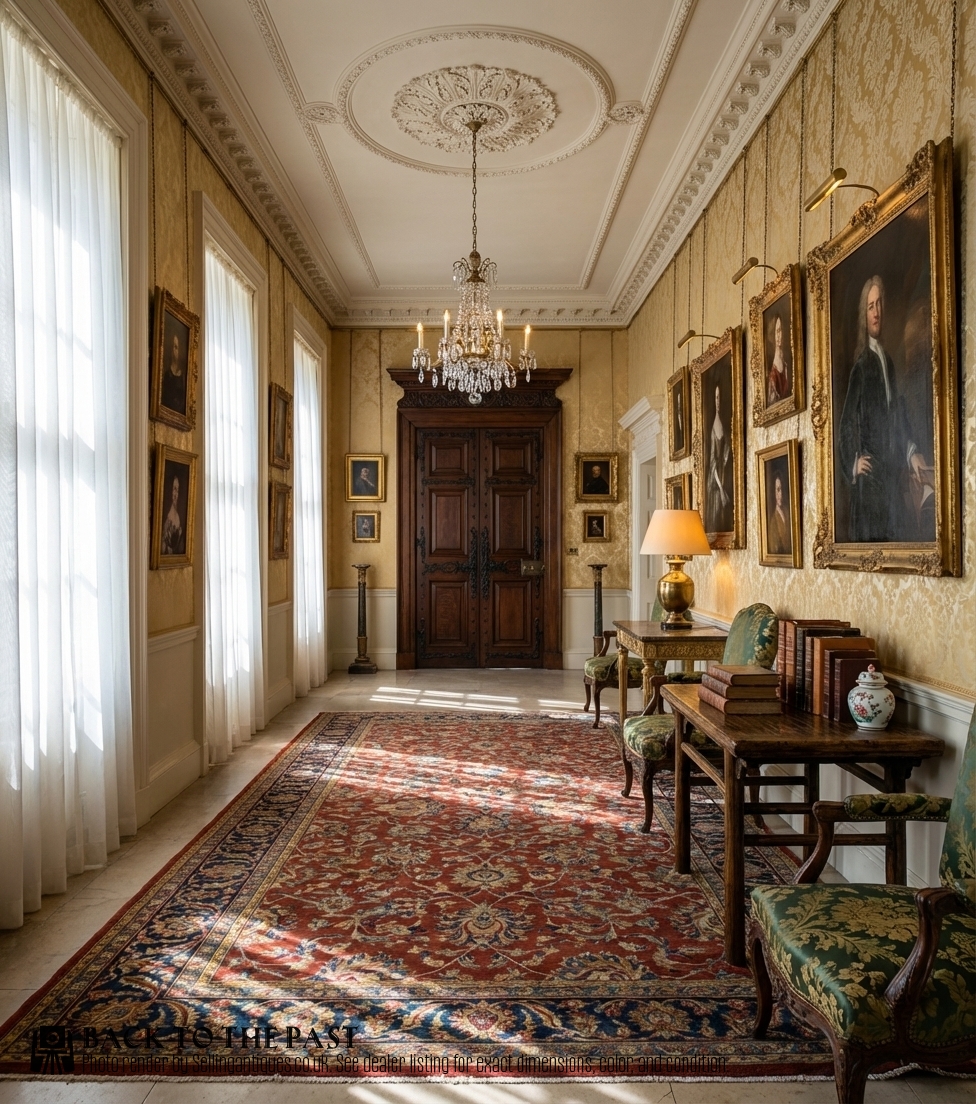
Vintage Chinese Elm Table
A vintage chinese elm table represents provincial utilitarian furniture originating from eastern workshops, spanning the nineteenth century through the early twentieth century. Buyers seeking a vintage chinese elm table encounter various low formats, altars, consoles, and smaller side pieces shaped by traditional rural domestic use.
How they were made
Makers utilised native elm and associated hardwoods, joining timber components through traditional framing methods that accommodated seasonal wood movement. Iron and brass hardware appeared on specific functional forms like chests and desks.
Surfaces received traditional lacquer finishes, sometimes in red, or were left as bare timber to develop a natural tactile patina through handling over generations.
Listings span the nineteenth century through the Edwardian period, featuring elm, brass, iron, and red lacquer materials.
What varies in quality
Quality rests upon the depth of the natural patina and the preservation of the original surface finish, whether bare timber or lacquered. Pieces retaining their initial structural integrity and honest wear command greater interest from collectors.
Proportion and utility define the better examples, where simpler provincial forms display balanced construction without excessive later intervention or unsympathetic restoration.
The Vintage Chinese Elm Table Glossary
- Elm
- A durable native hardwood chosen by rural makers for its interlocking grain and resistance to splitting. It forms the primary structural material across these provincial items.
- Patina
- The surface sheen and tactile quality developed through age, handling, and wear. A genuine patination indicates decades of domestic use.
- Lacquer
- A protective and decorative coating derived from natural resins, applied to timber surfaces. Red lacquer variants appear frequently on specific provincial forms.
- Altar Table
- A traditional elevated furniture form featuring slender proportions and often upturned flange ends. They served ritual purposes before transitioning to domestic settings.
- Console Table
- A narrow table designed to stand against a wall, frequently utilised in domestic interiors for display or storage.
Vintage Chinese Elm Table: Frequently Asked Questions
What is a vintage chinese elm table?
A vintage chinese elm table is a piece of utilitarian provincial furniture originating from eastern workshops during the nineteenth or early twentieth centuries. These items reflect traditional rural domestic life through practical forms and honest timber construction.
They encompass low tables, altars, consoles, and desks constructed from native elm, often retaining original lacquered surfaces or bare timber patinas.
How do I date a vintage chinese elm table?
Dating relies upon examining construction methods, timber movement, and the natural wear accumulated across the surface over generations. Stylistic markers often align with nineteenth century provincial traditions.
Evidence of traditional joinery and authentic surface patination help distinguish older pieces from later reproductions or heavily altered examples.
Where were these tables made?
These pieces originated in provincial eastern workshops rather than formal imperial courts. Makers utilised locally available elm and hardwood timber to supply domestic and functional requirements.
Rural joiners applied traditional framing techniques suited to the native wood, resulting in sturdy furniture designed for everyday utility.
How should I care for elm furniture?
Elm furniture responds best to stable indoor humidity levels away from direct heat sources and strong sunlight. Regular dusting with a dry cloth maintains the timber surface without chemical interference.
Preserving the existing patina requires avoiding harsh cleaning agents that might strip the historic finish or dry out the hardwood.