






Vintage Chinese Chair
A vintage chinese chair brings centuries of Far Eastern craft into a room, offering sculptural form and enduring timber construction.
Vintage Chinese Chair
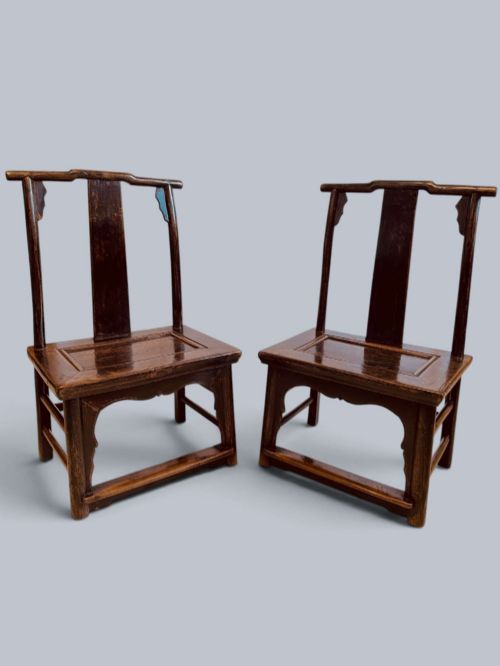
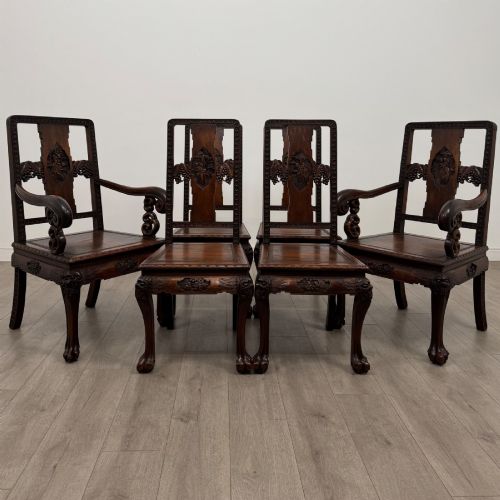
A vintage chinese chair encompasses diverse seating forms originating from various periods, including the nineteenth century and early twentieth century. Buyers seeking a vintage chinese chair will encounter armchairs, hall chairs, and dining chairs constructed in traditional styles.
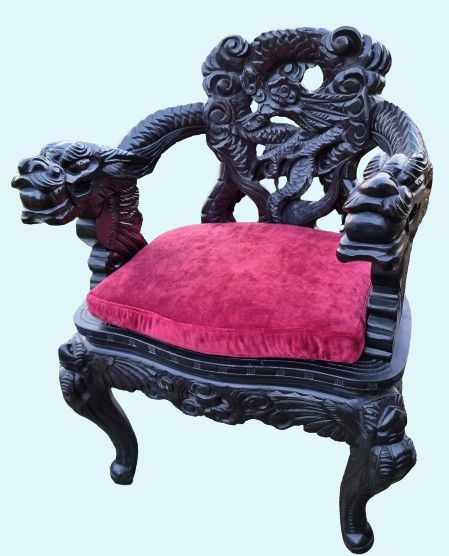
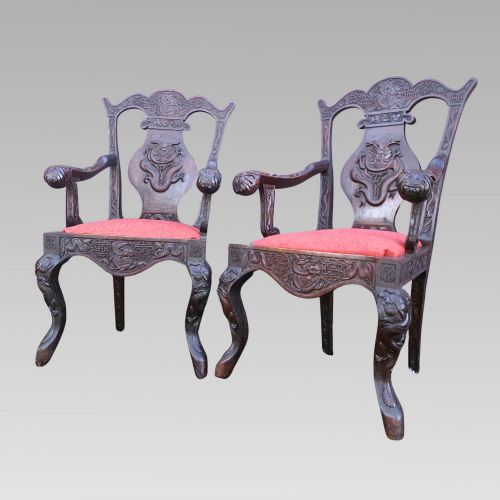
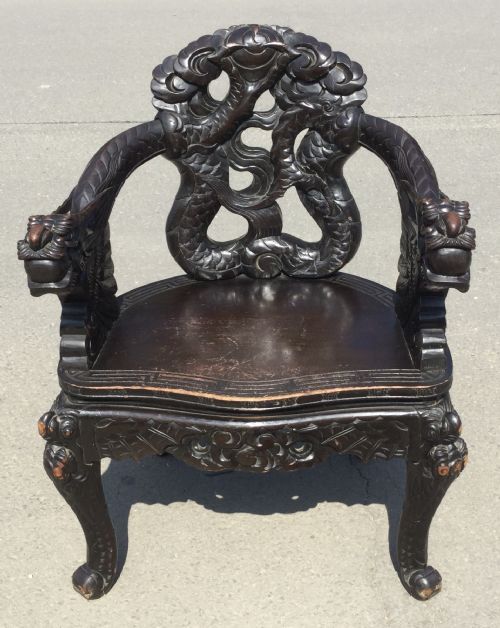
The selection ranges from Qing Dynasty dragon armchairs to nineteenth century elm armchairs and bamboo canework seating. Pieces such as horseshoe back armchairs and corner chairs demonstrate the breadth of traditional Chinese design available.
Makers utilised regional woods and decorative painting, producing functional seating that doubles as decorative art. The inventory balances formal dining sets with occasional day beds and individual side chairs.
How they were made
Craftsmen built these chairs primarily using dense timbers such as rosewood, mahogany, elm, and general hardwoods. Joinery relied on precise traditional methods that allowed wooden frames to expand and contract without metal fasteners.
Surface treatments included applied lacquer, painted decoration, and intricate hand carving depicting motifs like dragons. Canework and cane panels provided flexible seating surfaces in specific regional designs.
Vintage Chinese Chair Retail Price Guide 2026
Typical asking prices for vintage chinese chair among the pieces listed under this phrase on Sellingantiques today, from the lower quarter to the upper quarter. They describe what is for sale here now, not the wider market.
Some nineteenth century seating includes a stargazer's chair, built for contemplation under the moon.
What varies in quality
The depth and crispness of hand carving distinguish superior examples from simpler production. Relief work on dragon armchairs and back splats requires exceptional skill to achieve sharp contours.
Timber selection and grain figure dictate the underlying grade of a piece, with dense rosewood and well-figured elm commanding greater attention than plain secondary woods.
The Vintage Chinese Chair Glossary
- Hardwood
- Dense timber derived from broad-leaved trees, used extensively for durable chair frames. Rosewood and elm fall into this category.
- Horseshoe back
- A continuous curved crest rail that sweeps down to form the armrests. This ergonomic form appears on traditional seating.
- Canework
- Woven cane material utilised for chair seats and panels. It provides a resilient and breathable surface.
- Qing Dynasty
- The final imperial dynasty of China, spanning from the seventeenth to the early twentieth century. Pieces from this era often feature elaborate dragon carvings.
Vintage Chinese Chair: Frequently Asked Questions
How do I identify a nineteenth century piece?
nineteenth century examples display hand-carved details, heavier proportions, and dense timbers like rosewood or elm. Tool marks and traditional joinery methods confirm the age of the woodwork.
Patina develops naturally over decades of handling, showing softening on the edges of armrests and foot rails where daily use occurred.
Where should I place a horseshoe back chair?
A horseshoe back chair works effectively as an occasional seat in a study, hallway, or living room. Its sculptural curved rail looks best when viewed from multiple angles in an open space.
Keep such seating away from direct heat sources and strong sunlight to protect the aged timber and lacquer finishes.
What is a Cockpen chair?
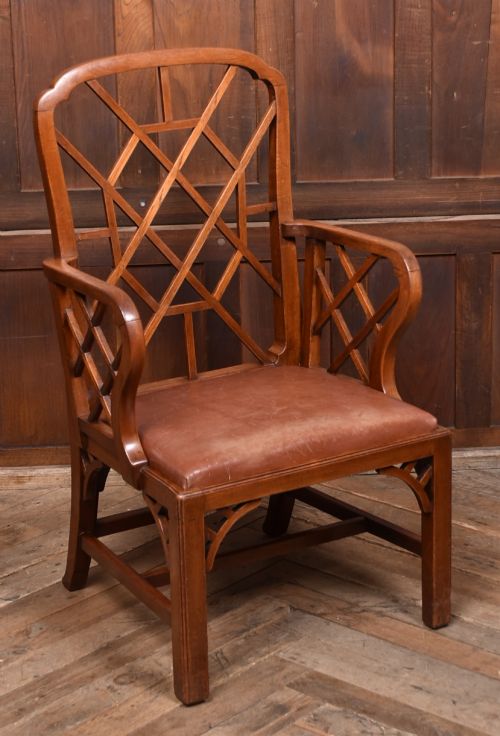
A Cockpen chair is a British interpretation of Chinese lattice design, featuring geometric fretwork patterns. These chairs date from the eighteenth and nineteenth centuries.
They reflect the historical crossover between European Chippendale style and Oriental aesthetic preferences.
Are these chairs suitable for daily dining use?
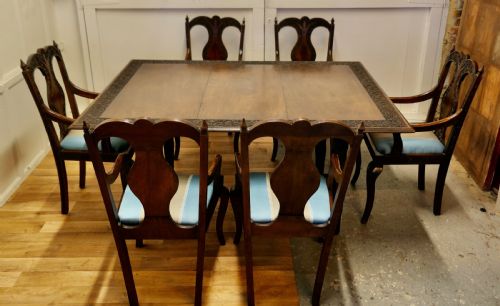
Dining chairs and matched sets in hardwood or elm provide sturdy seating for regular use. Solid timber construction ensures structural stability over time.
Ensure that joints remain tight and inspect canework for tension before putting antique chairs into heavy service.