



Vintage Chinese Ceramics
Vintage chinese ceramics bring rich hand-painted palettes, intricate porcelain bodies and centuries of kiln tradition directly into modern interiors.
Vintage Chinese Ceramics
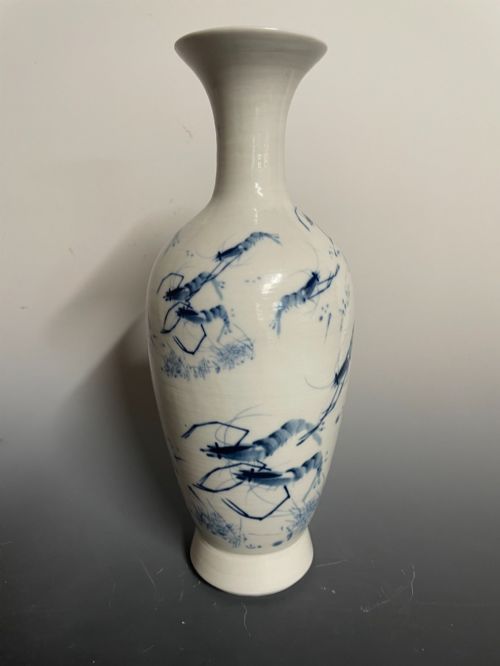
When you search for vintage chinese ceramics, you encounter a diverse range of objects spanning multiple centuries, from functional vessels to decorative display pieces. The items listed here encompass decorative bowls, ginger jars, vases, garden seats, incense burners and teapots produced across various historical eras.
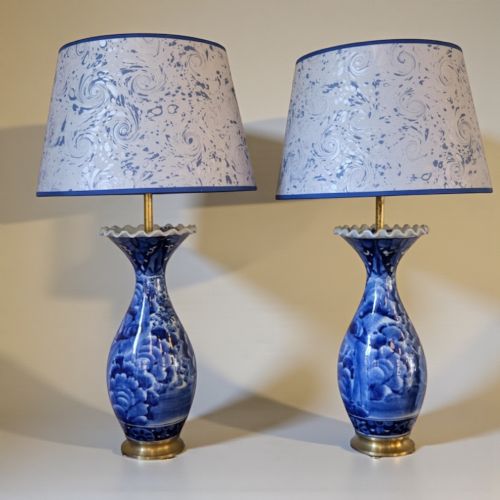
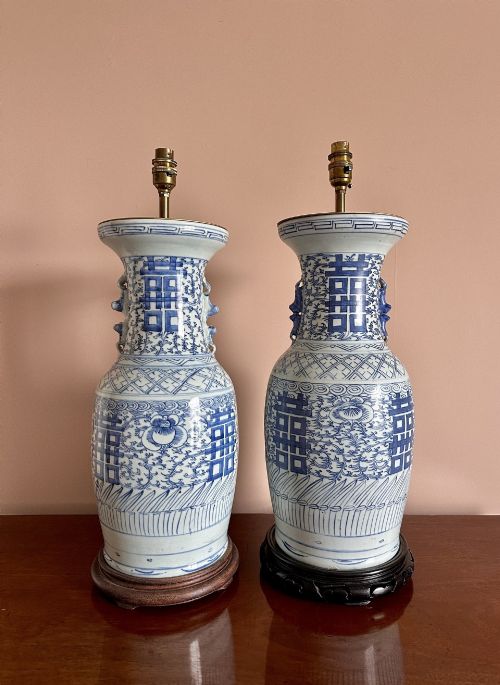
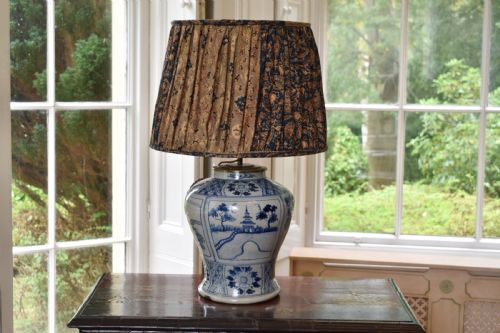
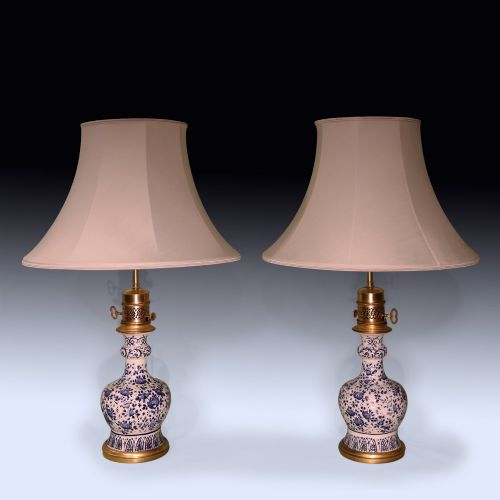
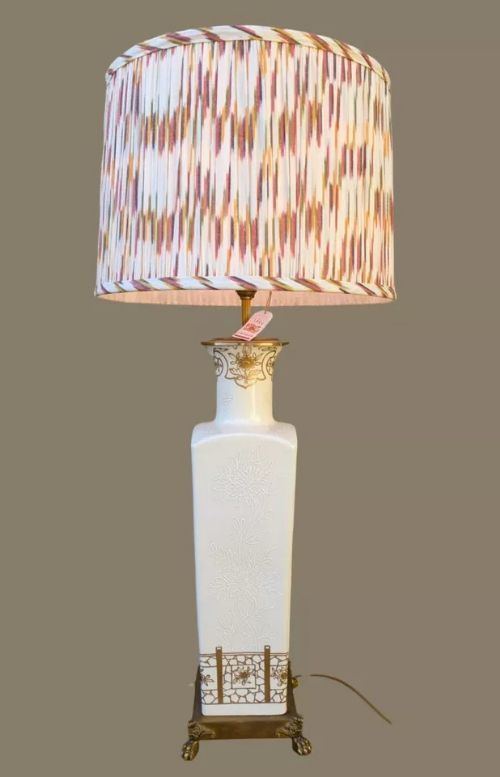
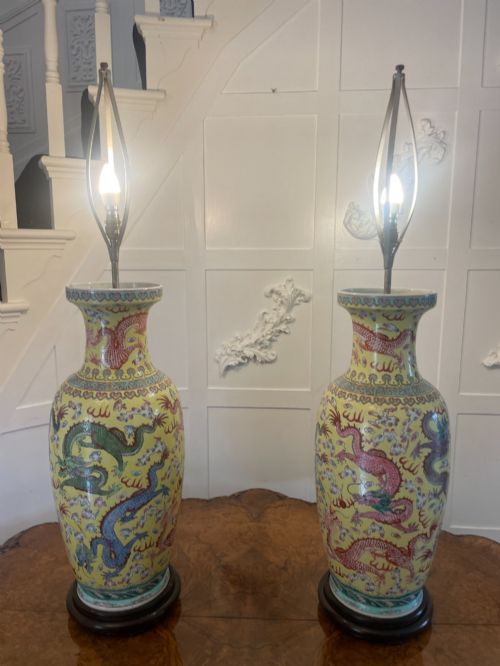
The selection frequently includes pieces from the nineteenth and early twentieth centuries, alongside items reflecting earlier dynastic styles such as the Qing period or the Chinese Republic era. Many pieces combine traditional ceramic bodies with later adaptations, such as porcelain vases mounted as table lamps or paired with brass bases.
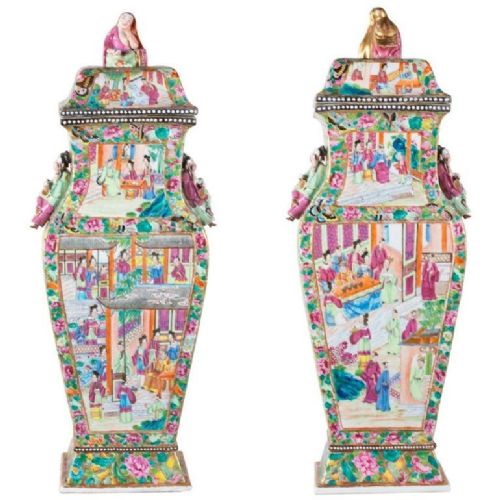
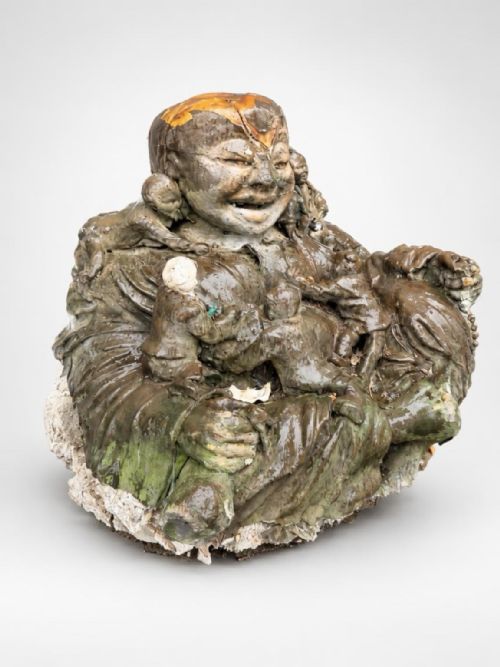
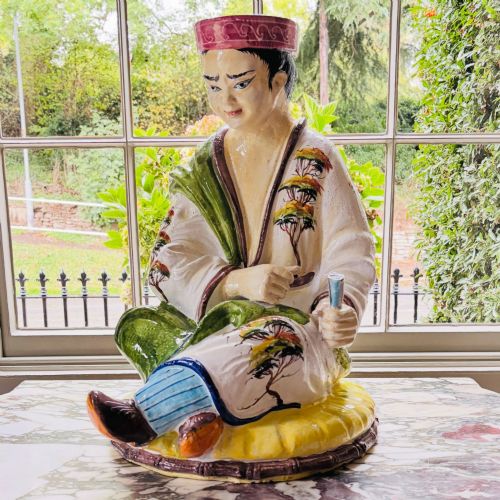
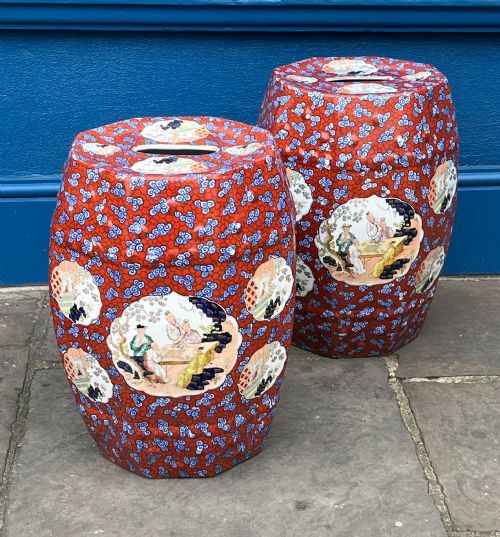
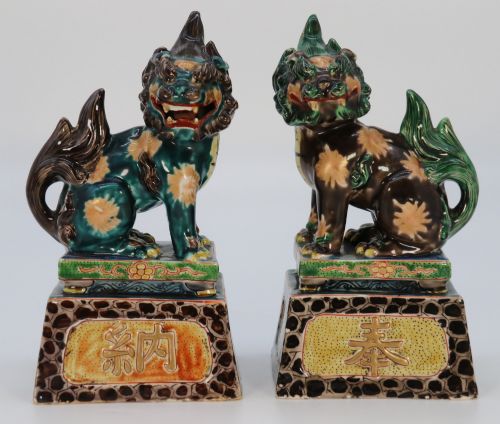
Form and function merge in items like punch bowls, figural snuff bottles, and ceramic garden seats that double as interior furnishings. Buyers find both export wares created for Western markets and pieces carrying specific cultural motifs like Foo dogs, imperial figures and floral enamel patterns.
How they were made
Makers shaped these objects using ceramic, pottery, and hard-paste porcelain bodies, often finishing surfaces with rich cobalt blue glazes, coloured enamels, or polychrome painting techniques. Pieces like garden seats and figures demonstrate skilled moulding and hand-painting before undergoing high-temperature kiln firing.
Enamel work frequently incorporates cloisonné techniques or delicate famille rose and famille verte palettes applied over the glaze. Secondary materials such as brass mountings, wooden stands, and wicker cases appear alongside the ceramic bodies, particularly in items adapted for lighting or travel.
Vintage Chinese Ceramics Retail Price Guide 2026
Typical asking prices for vintage chinese ceramics among the pieces listed under this phrase on Sellingantiques today, from the lower quarter to the upper quarter. They describe what is for sale here now, not the wider market.
Several ceramic animals on this page include fierce Buddhist lions, singing boys, and a band of pottery horses.
What varies in quality
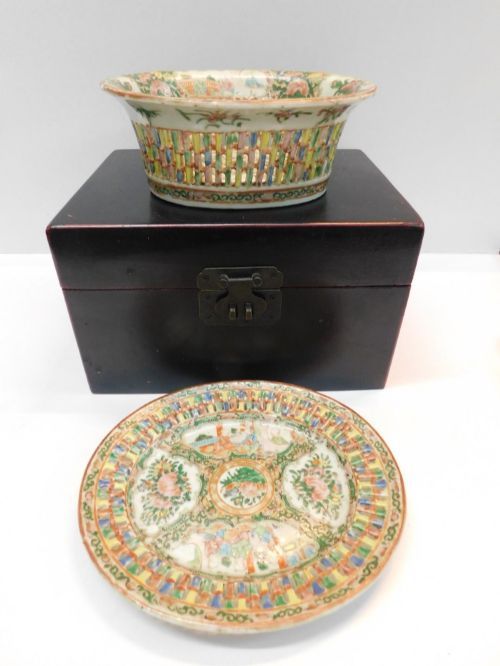
Quality rests in the precision of the hand-painting, the clarity and depth of the enamel or cobalt blue motifs, and the preservation of the ceramic body over time. Pieces that retain crisp details in figural expressions, floral borders, and reticulated basketwork stand apart from simpler production wares.
The sophistication of the glaze application and the integrity of secondary materials, such as fitted brass bases or original wooden stands, influence the overall character of each piece. Superior examples demonstrate a balanced harmony between form, decorative technique, and historical style.
Edmé Samson·Daisy Makeig-Jones Wedgwood·Minton
The Vintage Chinese Ceramics Glossary
- Famille rose
- A major palette of Chinese ceramic enamels introduced in the Qing dynasty, dominated by opaque pink or rose colours.
- Ginger jar
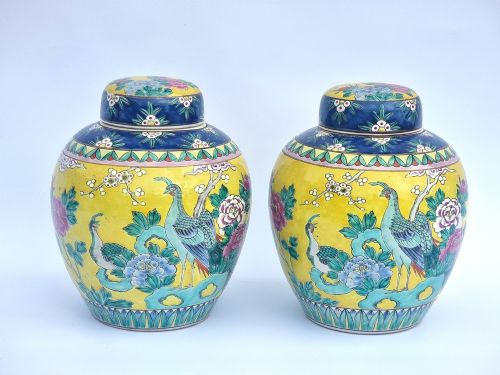
- A high-shouldered storage jar originally made for spices, frequently adapted into decorative table lamps or paired with fitted covers.
- Clobbered
- A term for older porcelain decorated or overpainted in Europe at a later date, often adding vibrant colours to existing blue and white designs.
- Reticulation
- An openwork or pierced decorative technique creating latticework patterns within the ceramic body or basket structure.
- Sancai
- A traditional three-colour glaze technique characteristic of Tang dynasty style pottery, typically using amber, green and cream tones.
Vintage Chinese Ceramics: Frequently Asked Questions
What are vintage chinese ceramics?
These pieces comprise porcelain and pottery objects ranging from functional vessels like punch bowls and teapots to decorative ginger jars, vases and garden seats. They reflect traditional Asian craftsmanship across several centuries.
Many items are export wares or pieces created during the Qing dynasty and Republic periods, capturing detailed hand-painted scenes and enamel motifs for international and domestic use.
How were ginger jars used?
Original ginger jars served to store and transport spices, salt, and oil in traditional households, featuring secure lids to protect the contents.
Over time, collectors repurposed these vessels as decorative ornaments or adapted them into table lamps for domestic interiors, maintaining their prominent shape.
How do I identify a period?
Dating relies on observing stylistic conventions, glaze compositions, and specific decorative palettes such as famille rose, famille verte, or blue and white motifs.
Examining the base of the ceramic, any marks, and the manufacturing technique helps align the piece with periods like the Qing dynasty or the 20th century.