




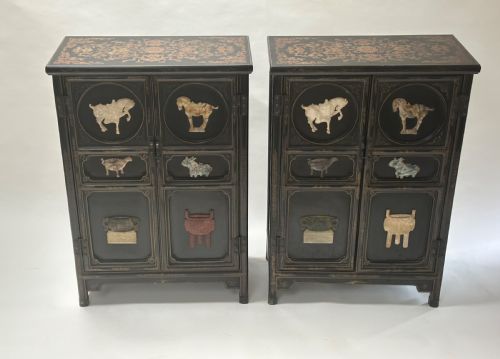


Vintage Chinese Cabinet
A vintage chinese cabinet brings distinctive provincial character and intricate lacquer work to a room, offering both practical storage and striking visual presence.
Vintage Chinese Cabinet
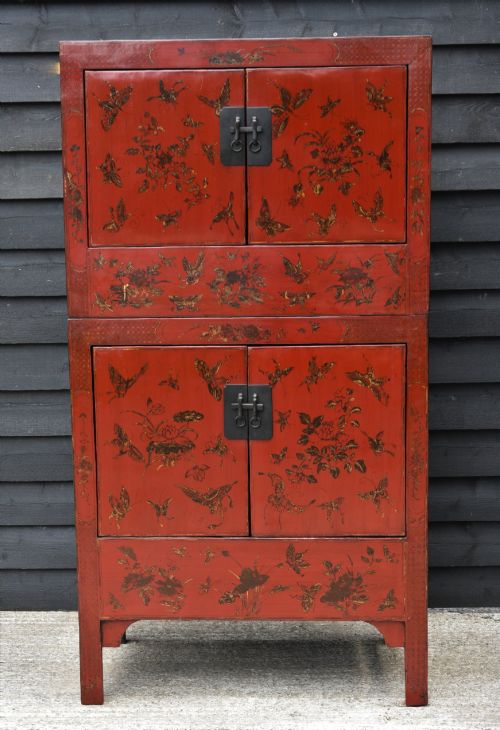
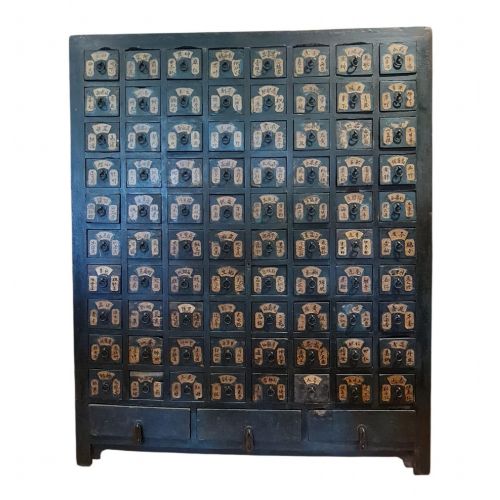
The vintage chinese cabinet category encompasses a diverse array of storage forms, from monumental marriage cupboards and multi-drawer apothecary chests to slender display cabinets and sideboards. These pieces originate across various periods, including the nineteenth century and the early decades of the twentieth century, reflecting both traditional domestic utility and decorative export traditions.
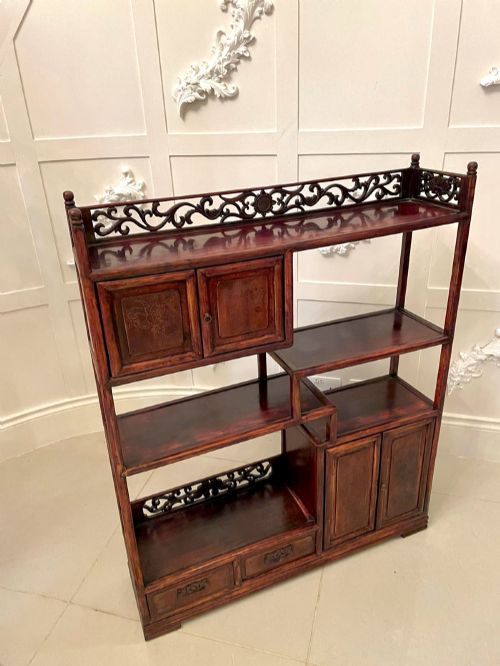
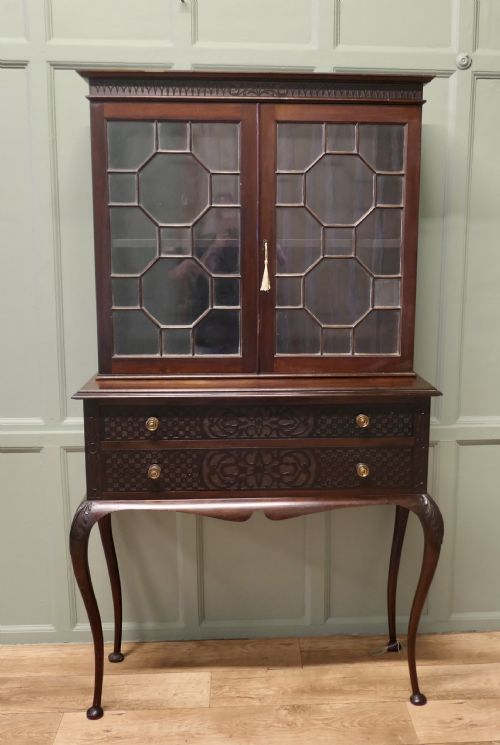
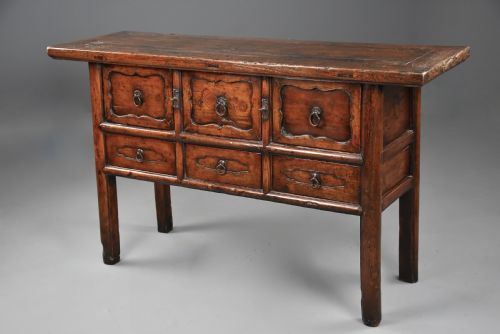
Buyers will frequently encounter elm and hardwood variations alongside lacquered surfaces decorated in traditional palettes. Forms range from rustic provincial dressers to refined Chinoiserie and Chinese Chippendale interpretations fashioned in mahogany and teak.
Materials and construction methods
Construction relies heavily on native timbers such as elm, teak, cherrywood, and denser hardwoods, paired with structural elements of brass for hinges and drawer pulls. Cabinet makers utilised traditional joinery techniques to accommodate the natural movement of solid timber across varying climates.
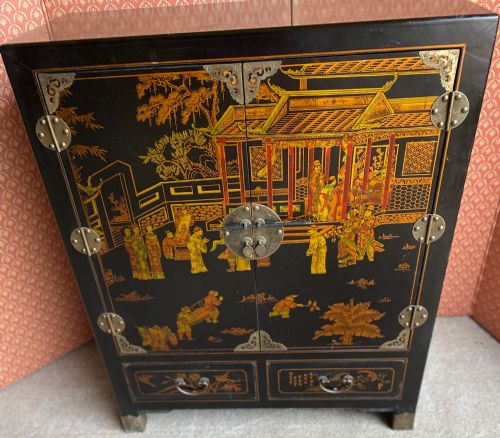
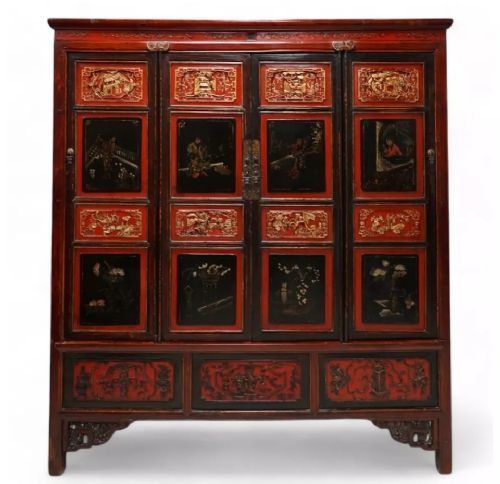
Surface decoration frequently involves layers of red or black lacquer, sometimes augmented by hand-carved details depicting dragons, birds, and floral motifs. Specialised pieces incorporate glass for display purposes or feature numerous small apothecary drawers designed for traditional Chinese medicine storage.
Vintage Chinese Cabinet Retail Price Guide 2026
Typical asking prices for vintage chinese cabinet among the pieces listed under this phrase on Sellingantiques today, from the lower quarter to the upper quarter. They describe what is for sale here now, not the wider market.
Certain antique apothecary chests boast upwards of eighty individual drawers, ensuring endless possibilities for hiding your paperclips.
Distinctions in quality and execution
Quality reveals itself in the integrity of the timber frame, the crispness of hand-carved details, and the depth of the lacquer finish. Superior examples maintain their original hardware, stable joinery, and well-preserved decorative surfaces without heavy modern intervention.
The sophistication of the design, whether a rustic elm sideboard or a complex compound cabinet with zitan framing, dictates the standing of the piece. Masterful execution of specialised forms, such as multi-drawer apothecary chests or intricate mother of pearl inlay, separates standard production from exceptional craftsmanship.
The Vintage Chinese Cabinet Glossary
- Chinoiserie
- European decorative style reflecting Chinese artistic influences, frequently applied to lacquered furniture and cabinets with painted bird and floral motifs. This aesthetic gained popularity across various historical periods including the Victorian and Edwardian eras.
- Apothecary cabinet
- Traditional multi-drawer chest originally utilised for storing medicinal herbs and ingredients in traditional Chinese practice. These pieces are distinguished by grids of numerous small drawers.
- Lacquer
- Protective and decorative finish applied in multiple layers to wooden surfaces, commonly seen in red or black on traditional Chinese furniture. It provides a durable sheen that can be carved or painted.
- Elm
- Common timber utilised in Chinese provincial cabinet making, valued for its distinctive grain pattern and structural resilience. It appears frequently in rustic sideboards and noodle cabinets.
- Zitan
- Dense and heavy hardwood prized in traditional Chinese cabinet making for its dark colour and fine grain. It is encountered on significant compound cabinets and high-status storage pieces.
Vintage Chinese Cabinet: Frequently Asked Questions
How were apothecary cabinets used?
These multi-drawer chests served as functional storage units for traditional Chinese medicinal herbs, roots, and dried ingredients. Each small drawer held specific botanical components required by practitioners.
Today, these cabinets function as striking decorative storage units in modern homes, well suited for organising smaller household items while retaining their historical character.
What is a marriage cabinet?
Marriage cabinets were traditionally commissioned as part of a bride's dowry in traditional Chinese society. They provided essential storage for clothing and linens in the newly established household.
These substantial pieces often feature vibrant red lacquer and brass hardware, serving as focal points in a bedroom or living space.
How do I care for lacquered wood?
Lacquered surfaces require gentle maintenance using a soft, dry cloth to remove dust. Avoid harsh chemical cleaners and direct sunlight, which can degrade the finish over time.
Maintaining stable indoor humidity levels prevents the underlying timber from expanding or contracting, which helps preserve the integrity of the lacquer layer.
What distinguishes provincial pieces?
Provincial cabinets reflect regional domestic needs and utilise accessible local timbers like elm rather than exotic hardwoods. Their design prioritises utility and robust construction over courtly ornamentation.
These pieces often display simpler lines and a rustic patina developed through generations of domestic use in rural Chinese provinces.