

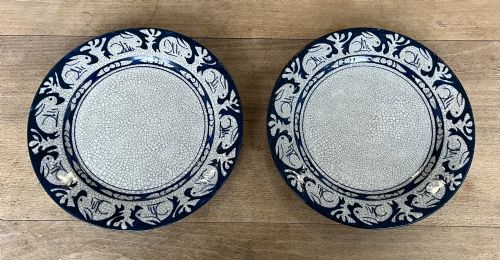
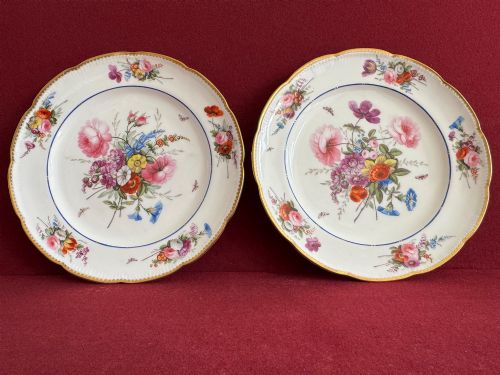
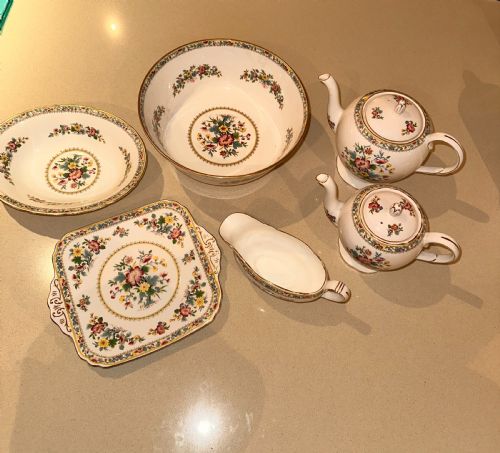
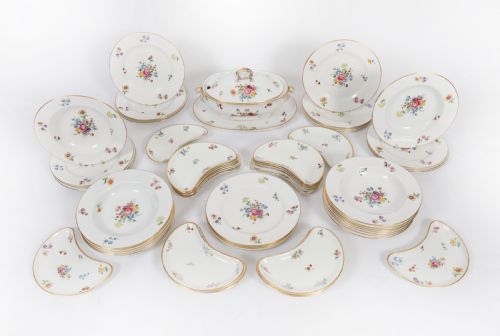
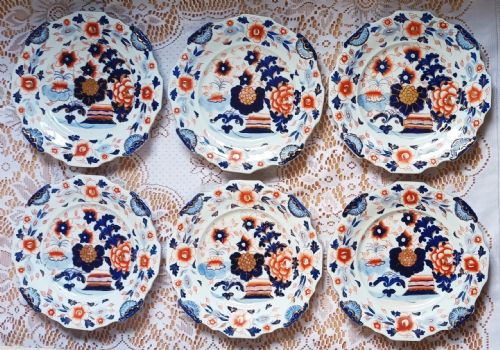


Vintage China Dinnerware
These vintage china dinnerware sets span the nineteenth and twentieth centuries, offering lasting utility and traditional elegance for the dining table.
Vintage China Dinnerware
Vintage china dinnerware comprises plates, platters, and full dinner services from periods including the Regency, Victorian, and Edwardian eras. These collections range from individual service plates to extensive sets containing dozens of matching pieces.
Buyers encounter traditional English, European, and French provincial styles, often featuring hand-painted botanical motifs or transfer-printed patterns such as the popular Italian designs. Maker-marked sets from notable potteries like Copeland Spode, Mason's, and Doulton frequently appear in these listings.
The assortment includes durable ironstone china alongside delicate porcelain and earthenware pieces decorated with enamel and gold leaf. These services bridge historical dining customs with practical modern table use.
How They Were Made
Potters utilised ceramic bases such as ironstone, earthenware, and porcelain, shaping them into plates and complete dinner services through traditional moulding and throwing techniques. Firing processes varied from lower temperatures for earthenware to high-heat kilns for porcelain and ironstone.
Surface decoration involved hand-painting, transfer printing, and the application of enamel colours alongside gold leaf gilding. Glaze layers were then fired to seal the pigments and provide a protective, glossy finish across the dinnerware.
Vintage China Dinnerware Retail Price Guide 2026
Typical asking prices for vintage china dinnerware among the pieces listed under this phrase on Sellingantiques today, from the lower quarter to the upper quarter. They describe what is for sale here now, not the wider market.
Some school house patterns on ironstone plates suggest that historic dining rooms occasionally borrowed their aesthetics from educational institutions.
What Varies in Quality
The refinement of the ceramic body and the precision of the manufacturing process distinguish different tiers of vintage china dinnerware. Thinner, more translucent porcelain and dense, heavy ironstone represent higher standards of production.
Artistic execution dictates visual value, separating mechanical transfer printing from skilled hand-painted botanical details and careful gold leaf gilding. Completeness and uniformity within larger sets also influence the overall standard of the service.
Nantgarw·Spode·Copeland·Booths·Müller Volkstedt·Doulton·Elkin And Newbon·Royal Worcester
The Vintage China Dinnerware Glossary
- Ironstone
- A heavy, durable type of earthenware patented in the nineteenth century to imitate Chinese porcelain. It provides a robust body suitable for everyday dining services.
- Porcelain
- A fine, vitrified ceramic fired at high temperatures until semi-translucent and non-porous. It represents the more delicate end of dinnerware manufacture.
- Enamel
- Opaque vitreous pigments applied over the glaze and fired at lower temperatures to add bright colours. It creates raised, tactile details on plates and platters.
- Gold Leaf
- Extremely thin sheets of beaten gold applied to the rims and borders of dinnerware for ornamentation. It requires careful hand application by skilled decorators.
- Transfer Printing
- A mechanical method of applying complex patterns to ceramics by transferring engraved designs from copper plates via tissue paper. This technique allowed factories to produce uniform decorative services efficiently.
Vintage China Dinnerware: Frequently Asked Questions
Are vintage dinner services safe for daily use?
Most durable ironstone and glazed porcelain pieces handle regular dining well when washed by hand rather than placed in modern dishwashers.
Older overglaze enamel and gold leaf decorations require gentle care to preserve the original pigments over years of service.
How do I identify a Regency china service?
Regency pieces often display neoclassical motifs, refined shapes, and delicate hand-painted details typical of early nineteenth-century production.
Maker marks, where present, help confirm this period alongside characteristic paste weights and glaze textures.
Can I mix different patterns on the table?
Combining plates from similar periods, such as matching nineteenth-century blue and white ironstone with plain white porcelain, creates an eclectic table setting.
Sticking to a consistent palette or matching maker eras keeps the overall arrangement visually cohesive.
What is the difference between earthenware and ironstone?
Ironstone is a denser, harder ceramic developed to resist chipping while maintaining the appearance of heavier dinnerware.
Standard earthenware is more porous and generally lighter, though both serve similar functional roles across different manufacturing traditions.