



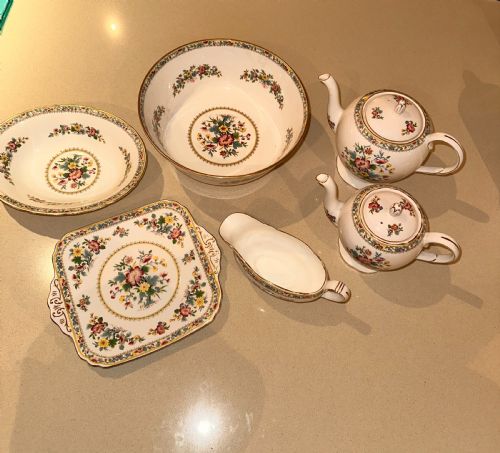


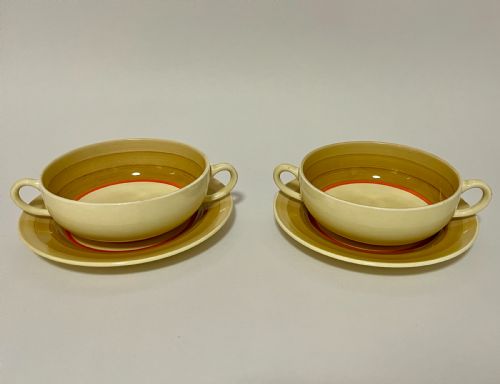
Vintage China Bowl
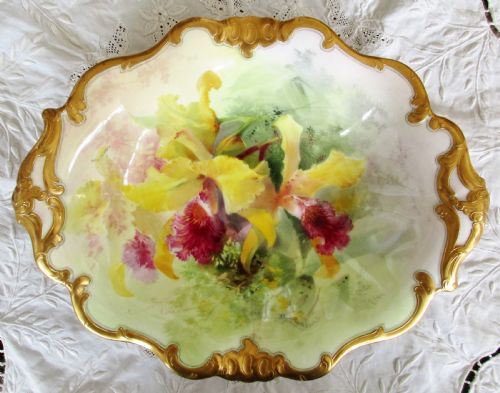
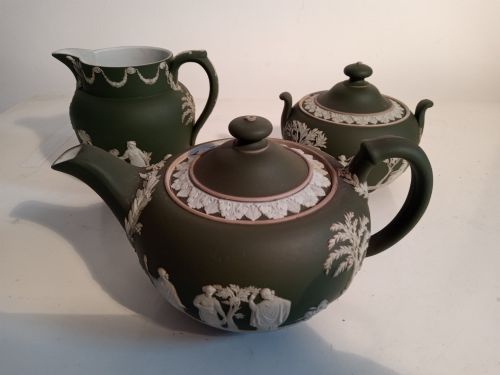
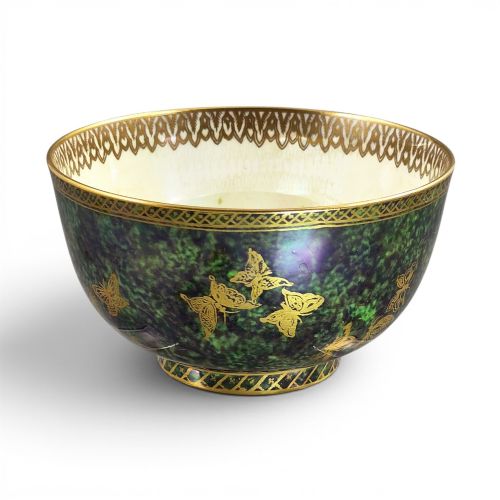
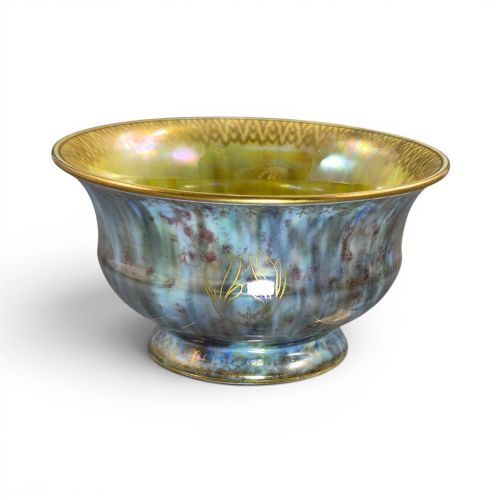
These pieces of vintage china bowl range from eighteenth-century porcelain to twentieth-century lustre wares, offering distinct painted decoration and form.
Vintage China Bowl
A vintage china bowl search brings up decorative vessels, sugar bowls, tea bowls, and fruit dishes spanning multiple centuries. English and Japanese traditions appear frequently, alongside continental factories and regional potteries.
Makers utilise styles ranging from Georgian and Victorian designs to Edwardian lustre glazes and Art Deco forms. Pieces arrive as individual cabinet items or components within larger tea and dinner services.
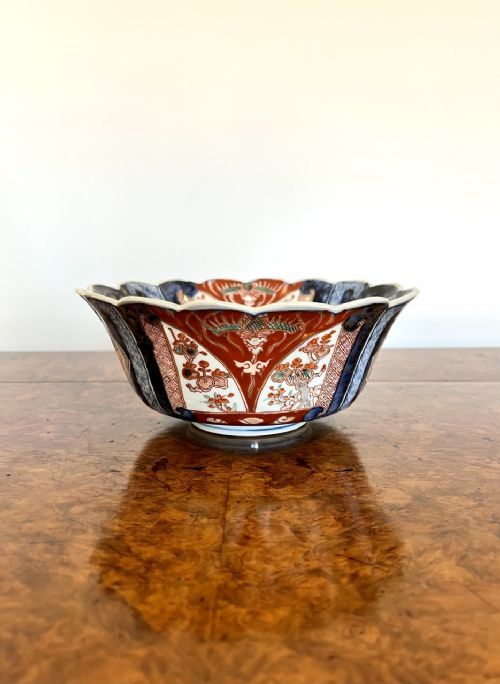
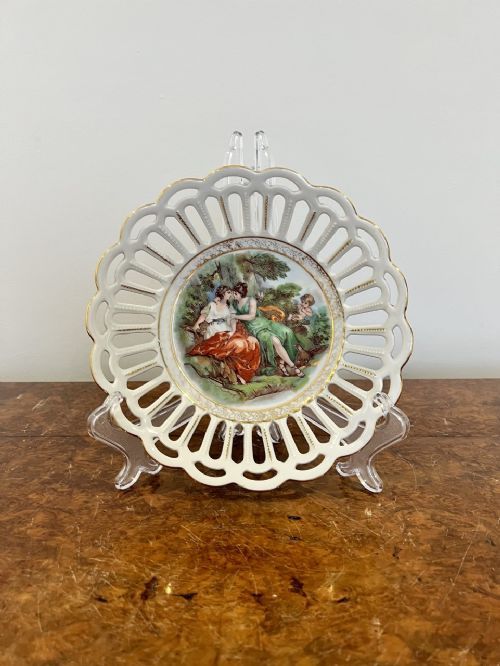
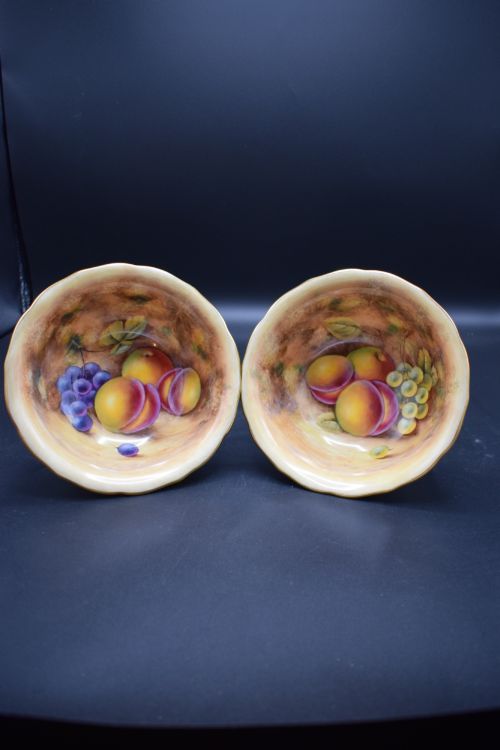
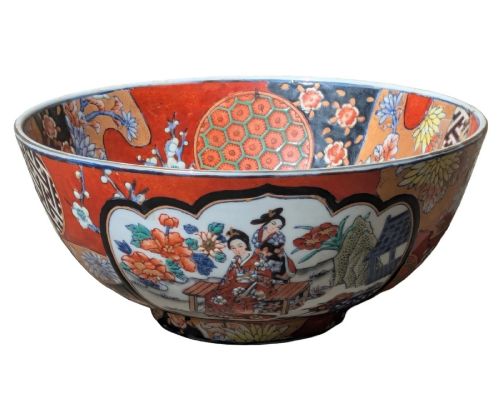
The selection includes porcelain, bone china, and ironstone, decorated with hand-painted motifs, enamel, and gold leaf. Collectors encounter traditional floral painting, transfer printing, and striking Japanese Imari patterns.
How they were made
Potters shape porcelain, bone china, and ironstone bodies before applying initial glazes and firing the ceramic substrate. Artisans then paint decorative motifs by hand or apply transfer prints onto the hardened glaze surface.
Specialised techniques involve lustre glazes, enamel work, and the application of gold leaf or gilding. Subsequent lower-temperature firings fix these metallic accents and coloured pigments permanently to the vessel.
Vintage China Bowl Retail Price Guide 2026
Typical asking prices for vintage china bowl among the pieces listed under this phrase on Sellingantiques today, from the lower quarter to the upper quarter. They describe what is for sale here now, not the wider market.
Listings feature porcelain, ironstone, and bone china pieces spanning from the eighteenth century through the 1940s.
What varies in quality
Artistic execution separates standard utilitarian wares from superior cabinet pieces, particularly in the precision of hand-painted brushwork and enamel detailing. Works by known designers and major factories display finer compositional control.
The complexity of the glaze application, such as multi-layered lustre effects or intricate gilding, defines the upper tier of production. Preservation of original surface decoration without excessive rubbing indicates superior condition.
David Dewsberry·Daisy Makeig Jones·Paul Muller Selb·James Hodgkiss
The Vintage China Bowl Glossary
- Bone china
- A type of soft-paste porcelain incorporating bone ash for enhanced strength and translucency. It permits thinner vessel walls.
- Lustre glaze
- A metallic glaze technique producing an iridescent sheen. Artisans achieve this effect through specialised kiln reductions involving silver or copper.
- Imari
- A style of Japanese porcelain featuring underglaze blue and overglaze iron red, supplemented by gold. British potteries frequently copied these bold patterns.
- Ironstone
- A heavy durable ceramic patented in the nineteenth century. It bridges the gap between earthenware and porcelain.
- Trio
- A matched set comprising a teacup, saucer, and matching tea bowl or plate. These service components appear across various periods.
Vintage China Bowl: Frequently Asked Questions
How do I date an old bowl?
Examination of the base often reveals manufacturer stamps, painter marks, or impressed numerals that link to specific production eras. Stylistic indicators like Art Deco geometries or Georgian forms further narrow the manufacturing window.
Material composition also assists dating, as nineteenth-century ironstone differs visibly from eighteenth-century soft-paste porcelain bodies. Comparing glaze characteristics and decorative techniques against known factory timelines confirms age.
Can I use these bowls daily?
Most antique and vintage vessels survive best through gentle handling rather than heavy everyday use. Hand washing preserves delicate gold leaf, enamel painting, and nineteenth-century lustre glazes from mechanical damage.
Displaying them in cabinets or utilising them strictly for light serving maintains their structural and decorative integrity. Modern dishwashers and microwaves cause rapid deterioration on older ceramic glazes.
What is Japanese Imari?
Imari refers to Japanese porcelain exported through the port of Imari, characterised by a distinctive palette of cobalt blue and iron-red. Artisans frequently enhanced these contrasting tones with rich gilding.
European factories subsequently adopted this aesthetic, producing their own versions of the pattern on local porcelain bodies. These cross-cultural designs remain highly collectible today.
How do I store antique bowls?
Storing bowls safely requires adequate spacing to prevent rim chipping or surface scratching from adjacent items. Using felt dividers between stacked pieces protects delicate interior and exterior enamel work.
Stable environmental conditions away from direct sunlight prevent fading on sensitive overglaze colours and gold leaf. Proper shelf placement avoids accidental tipping or structural stress.