




Vintage Child Size Chair
A vintage child size chair offers miniature scale combined with full cabinetmaker craft, serving as both a practical seat and a decorative focal point.
Vintage Child Size Chair
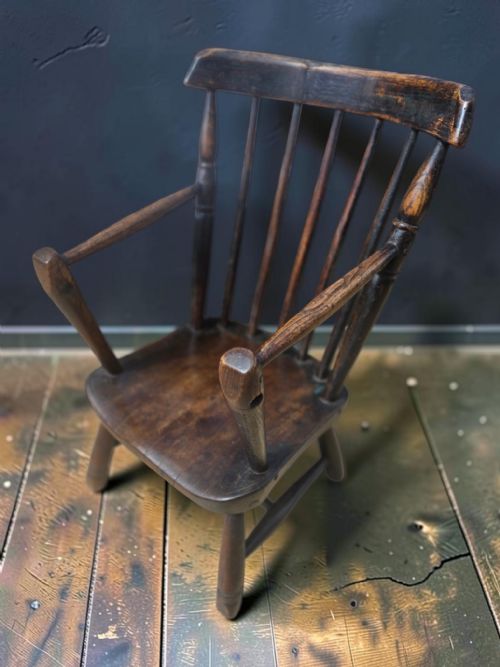
A vintage child size chair is a smaller-scale seat built down for younger occupants, appearing in various regional and revival forms across the inventory. These pieces range from robust vernacular seating to formal mahogany designs mimicking adult parlor furniture.
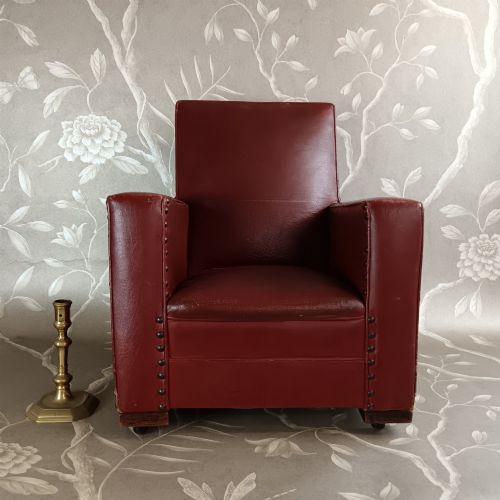
The most common examples on this page include country Windsor rockers in elm and regional spindle-back formats, alongside upholstered club chairs from the early twentieth century. Buyers encounter everything from simple elm timbers to refined Queen Anne style mahogany frameworks.
Periods represented stretch from the nineteenth century through to Art Deco iterations, showing how domestic seating adapted to smaller occupants over generations. Each piece reflects the prevailing domestic style of its era scaled down with genuine intent.
Materials and construction
Makers utilised solid timbers like elm, beech, and mahogany, shaping spindles, arms, and legs using traditional joinery methods suited to domestic wear. Woods were selected for strength, allowing these small chairs to withstand robust use by children.
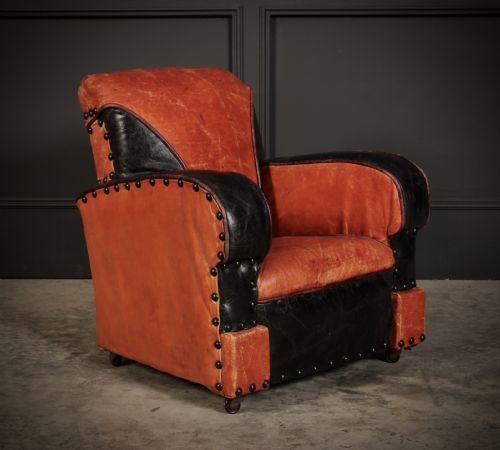
Upholstered versions incorporate leather and fabric coverings over padded frames, particularly seen in club chairs and armchairs from the early twentieth century. Frame construction relies on standard period joinery, whether pegged Windsor joints or revival mahogany framing.
Object forms span rocking chairs, open armchairs, and club chairs reflecting English country and Art Deco styles.
Assessing quality
Quality in these miniature seats lies in the fidelity of proportion and the selection of timber, distinguishing country vernacular work from formal revival pieces. A well-proportioned frame retains the structural balance of an adult chair rather than looking clumsy.
The choice of materials dictates the tier of the piece, with dense timbers like mahogany and figured elm standing apart from simpler softwoods. Finish and upholstery execution further separate utilitarian nursery seating from decorative parlor examples.
The Vintage Child Size Chair Glossary
- Windsor
- A chair built with a solid wooden seat into which the legs and back spindles are tenoned directly. This vernacular form provides sturdy seating through pegged joints.
- Spindle back
- A chair back constructed from a series of turned vertical wooden rods. These slender members support the sitter while keeping the frame lightweight.
- Carver chair
- An armchair, typically appearing in a set alongside matching side chairs. The term often denotes an open arm chair styled in revival patterns.
- Vernacular
- Objects made by local craftsmen following regional traditions rather than high-style metropolitan pattern books. These pieces use native timbers such as elm and ash.
- Club chair
- A low, deep, upholstered armchair designed for comfortable lounging. Leather or fabric covers the padded seat and arms.
Vintage Child Size Chair: Frequently Asked Questions
What were child size chairs used for?
These small seats served as practical functional furniture for nurseries, parlors, and dining spaces where children required scaled seating. They allowed younger members of the household to sit at lower tables or join adults by the hearth.
Over time, many of these sturdy pieces also functioned as decorative display items within domestic interiors. Their miniature scale made them appealing ornaments long after the children outgrew them.
How do I date a child size chair?
Dating relies on identifying the prevailing style, construction techniques, and timber choices evident in the framework. Vernacular spindle backs and Windsor forms often point towards nineteenth-century or earlier regional traditions.
Conversely, oxblood leather coverings and streamlined curved lines signal twentieth-century Art Deco production. Comparing the joinery methods against standard period furniture helps narrow down the decade of manufacture.
Are these chairs safe for children today?
While these items were originally built for daily use by children, modern safety standards differ significantly from nineteenth and early twentieth-century manufacturing. Buyers should evaluate the structural integrity of joints and legs before permitting active use.
Many collectors prefer to treat these pieces as decorative display objects or collector items rather than everyday nursery seating. Careful assessment of the timber and fastenings ensures safe handling in a modern home.
How do I style a child size chair at home?
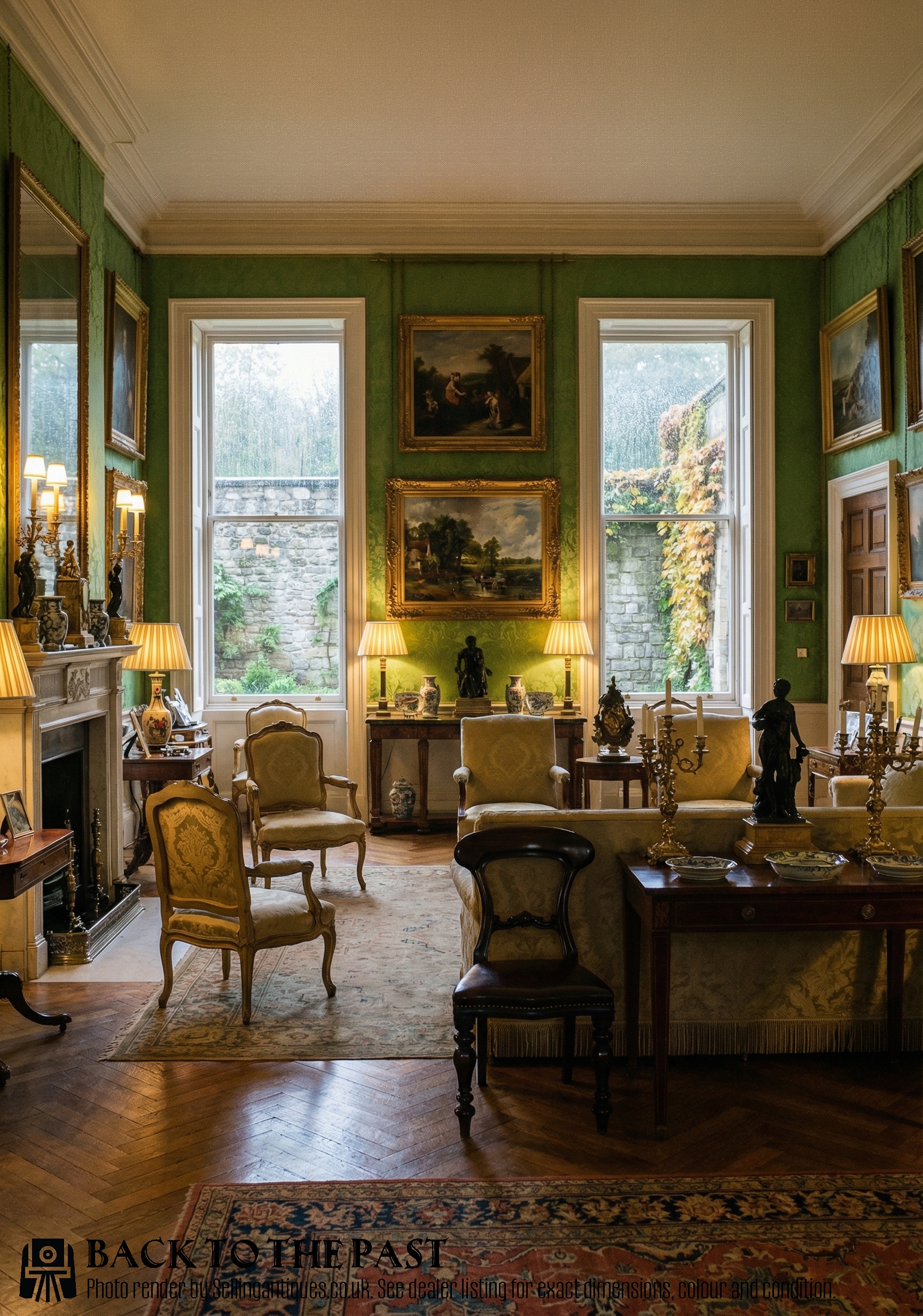
These compact seats fit easily into hallways, bedrooms, or living rooms as accent pieces that break up the scale of larger furniture. Placing an elm Windsor or leather club chair in a corner adds texture and period character without taking up much floor space.
They also serve well as stands for soft toys, books, or decorative plants when not in active use. The varied styles, from Queen Anne mahogany to country vernacular, allow them to complement both traditional and eclectic interiors.