

Vintage Chiffonier Storage
These vintage chiffonier storage pieces bring low cupboard storage and display surfaces into dining rooms and parlours with quiet architectural elegance.
Vintage Chiffonier Storage
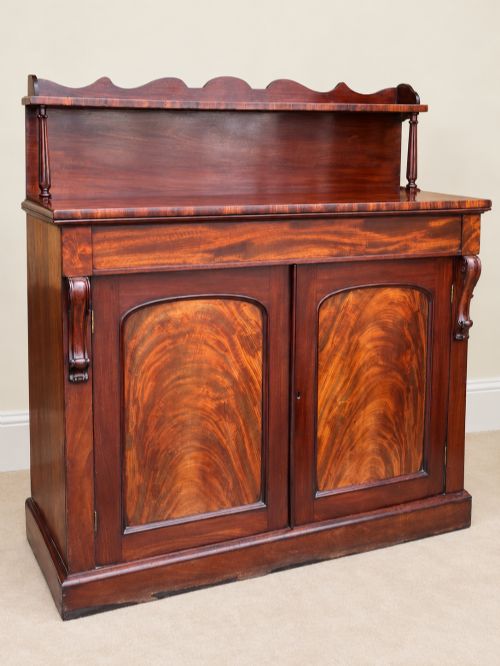
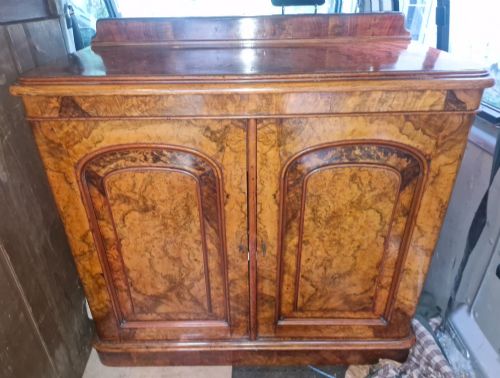
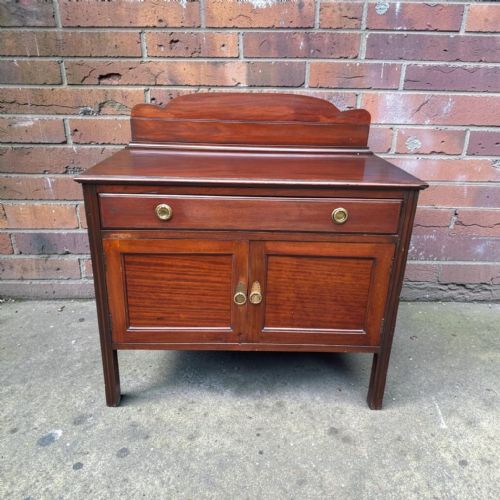
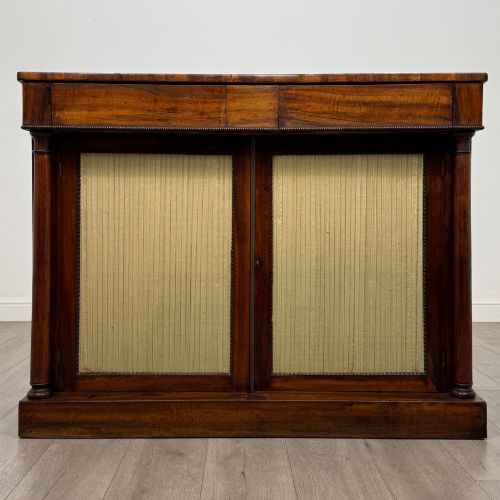
When searching for vintage chiffonier storage, buyers encounter low side cabinets and servers designed primarily for domestic organisation during the nineteenth and early twentieth centuries. These pieces typically combine a enclosed lower cupboard with upper shelving or a flat surface suited for serving or display.
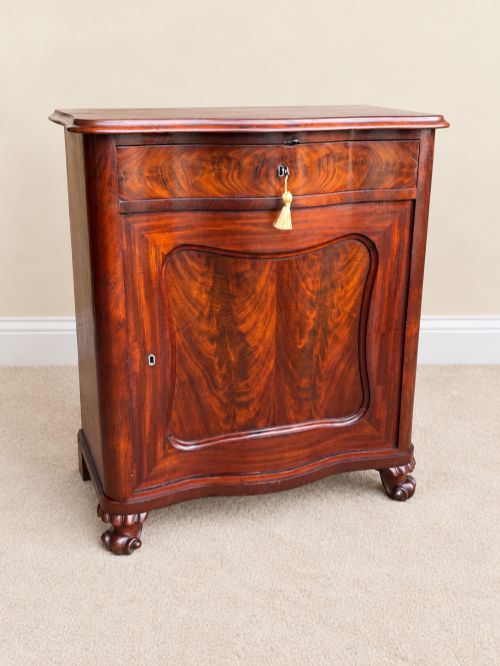
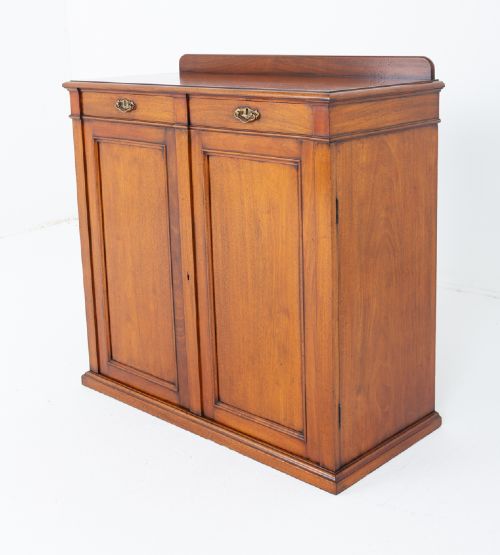
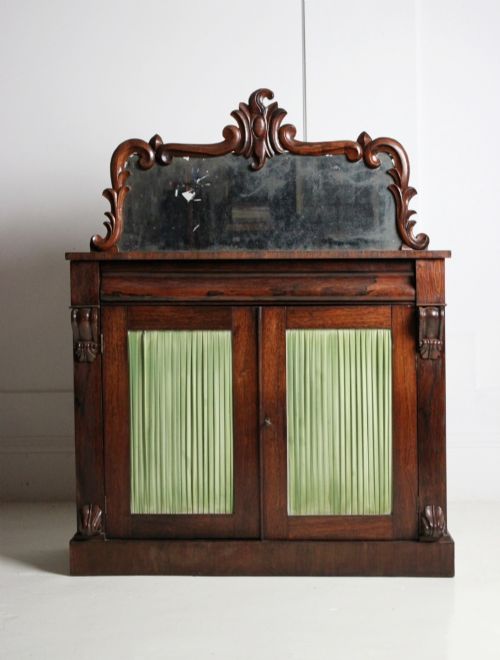
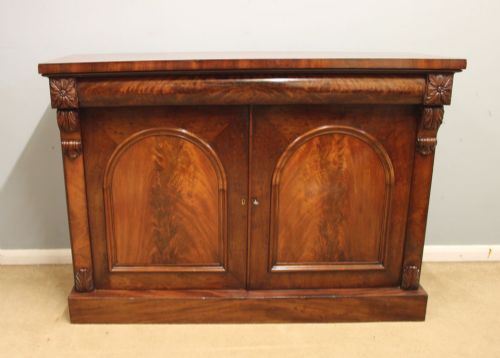
The selections span from Regency and Victorian periods through to Edwardian and Art Deco eras, showing how the form evolved from formal mahogany and rosewood servers into lighter pine or oak utility pieces. Most examples on this page are mahogany or rosewood side cabinets and chiffoniers dating from the nineteenth century.
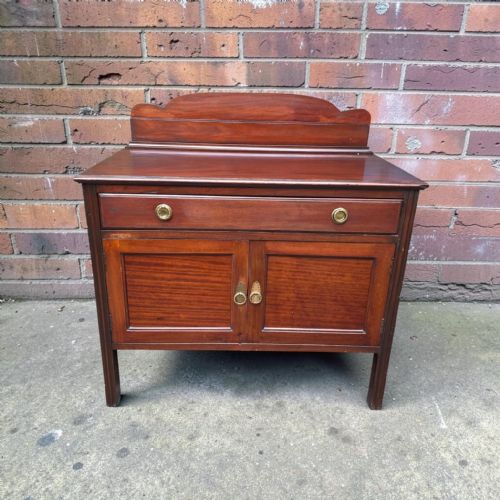
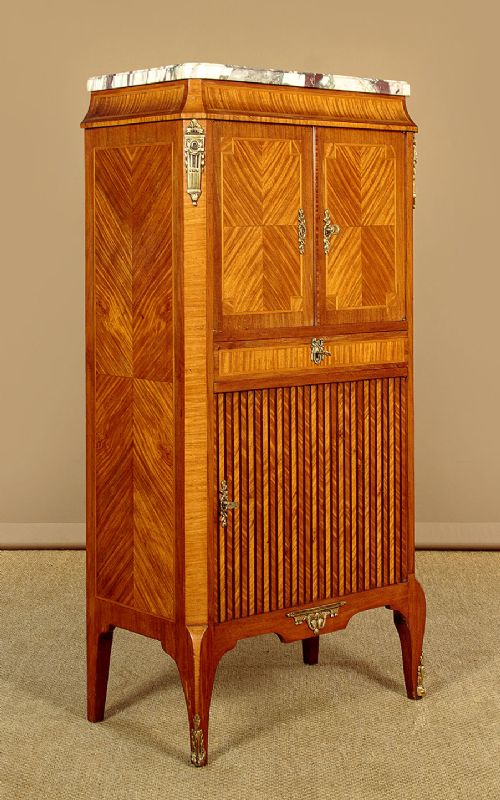
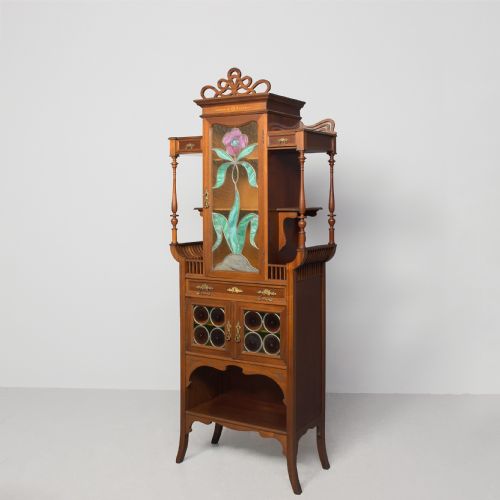
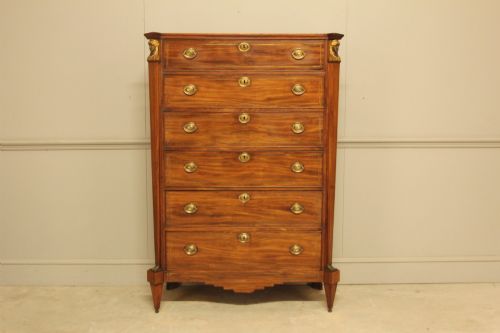
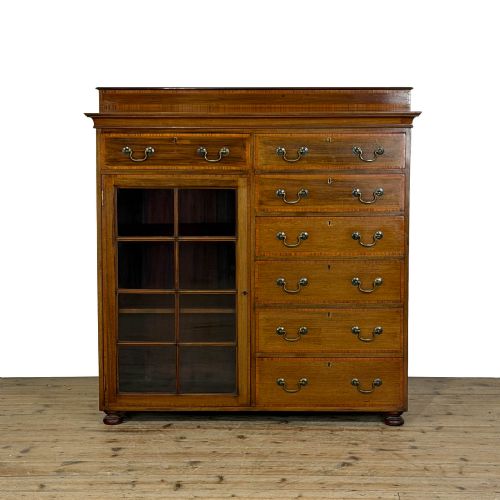
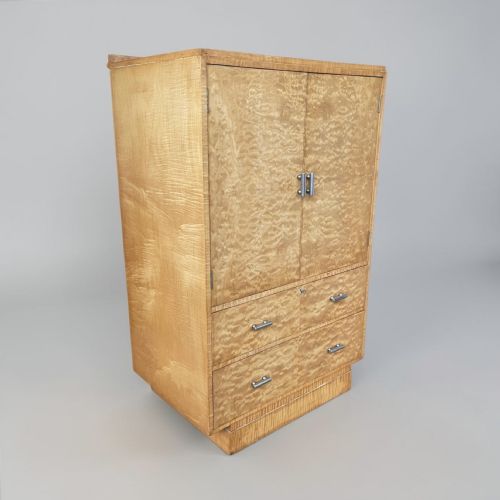
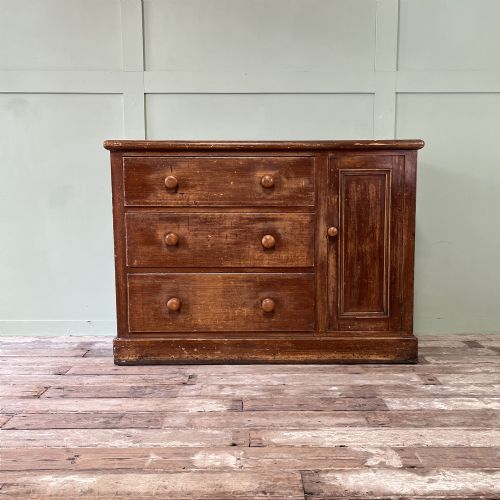
Alongside traditional chiffoniers, the listings include related sideboards, tallboys, and cabinets that share similar storage functions and proportions. These variations reflect how different households adapted low cabinetry for storing tableware, linens, and collector items over successive decades.
How they were made
Cabinetmakers relied heavily on solid timber and rich veneers such as mahogany, rosewood, and flame mahogany veneer, constructing sturdy carcases designed to withstand daily domestic use. Fine timber selection allowed craftsmen to showcase natural grain patterns across flat door panels and drawer fronts.
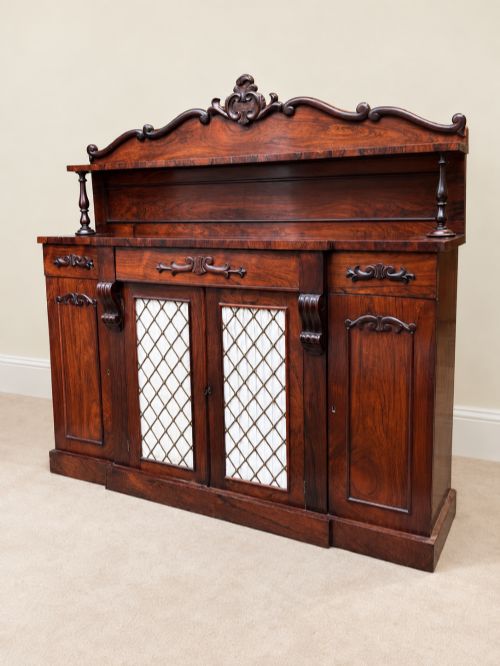
Brass fittings, glass inserts, and marquetry details frequently accented the primary wooden structures, particularly in Regency and later revival pieces. Joinery techniques prioritized stability, utilising panelled doors and fitted drawers within compact footprints.
Vintage Chiffonier Storage Retail Price Guide 2026
Typical asking prices for vintage chiffonier storage among the pieces listed under this phrase on Sellingantiques today, from the lower quarter to the upper quarter. They describe what is for sale here now, not the wider market.
Listings feature woods including brass, mahogany, flame mahogany veneer, rosewood, glass, fabric, wood, oak, and cedar.
What varies in quality
The distinction between standard utility items and exceptional pieces rests upon timber selection and the refinement of secondary details like brass hardware and internal fittings. Figures and grains in rosewood and flame mahogany elevate the visual weight of a piece significantly.
Proportion and decorative restraint also separate refined examples from heavier, utilitarian cabinets, as skilled makers balanced practical storage capacity with clean architectural lines. The crispness of turning on feet and columns indicates the level of craftsmanship invested in the construction.
The Vintage Chiffonier Storage Glossary
- Chiffonier
- A low sideboard or cupboard, typically featuring a shelf superstructure or a simple flat top above two doors, originating in the early nineteenth century. It served as a compact alternative to the larger dining room sideboard.
- Rosewood
- A dense, heavily figured dark timber with characteristic purple or black grain markings, utilised extensively in Regency and Victorian high-status cabinetry. Its rich coloration made it a preferred choice for formal reception rooms.
- Flame Mahogany Veneer
- A thin slice of mahogany timber cut from the fork of the tree where branches meet, producing a distinctive flickering flame-like pattern. Craftsmen laid this veneer across primary display surfaces to create dramatic visual movement.
- Tallboy
- A tall chest of drawers consisting of multiple stacked sections, designed to maximise vertical storage capacity within a compact floor footprint. They appear in materials ranging from walnut to limed oak across Art Deco and earlier periods.
- Marquetry
- The art of applying decorative pieces of veneer to a structural structure to form intricate floral or geometric designs. This technique frequently appeared on continental and revival side cabinets.
Vintage Chiffonier Storage: Frequently Asked Questions
What is a chiffonier used for?
A chiffonier provides enclosed lower storage combined with a flat surface or upper tier for serving dishes and displaying decorative objects.
Historically placed in dining rooms or parlours, these low cabinets kept household silver, linen, and glassware close at hand without dominating the room.
How do I date a antique chiffonier?
Dating relies on observing the primary timbers, hardware styles, and structural proportions characteristic of specific design eras.
Regency and early nineteenth-century pieces often feature rosewood or mahogany with brass galleries, while later Victorian and Edwardian examples show heavier mouldings or lighter pine constructions.
Where should I place a side cabinet?
These compact cabinets suit entrance halls, dining rooms, and living spaces where floor area is limited yet surface display is desired.
Their low profile ensures they fit comfortably beneath wall art or mirrors without obstructing sightlines across a room.
What is the difference between a sideboard and a chiffonier?
A sideboard is typically a longer, larger dining room console built for extensive serving and tableware storage.
A chiffonier is generally smaller and more compact, often featuring a raised shelf at the back and functioning as a versatile side cabinet in smaller reception rooms.