




Vintage Cherub Sculpture
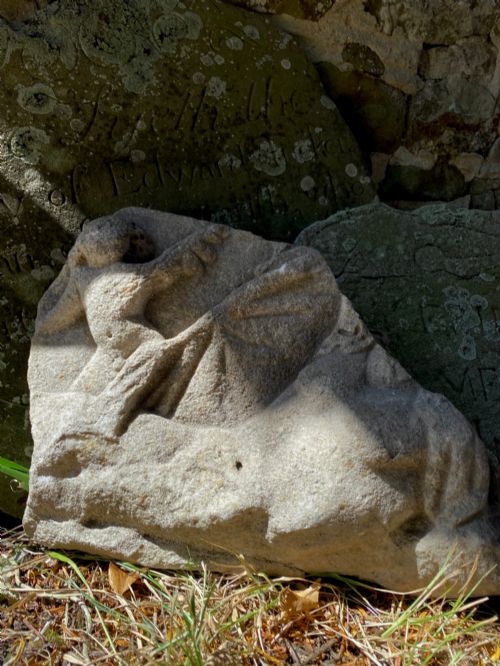
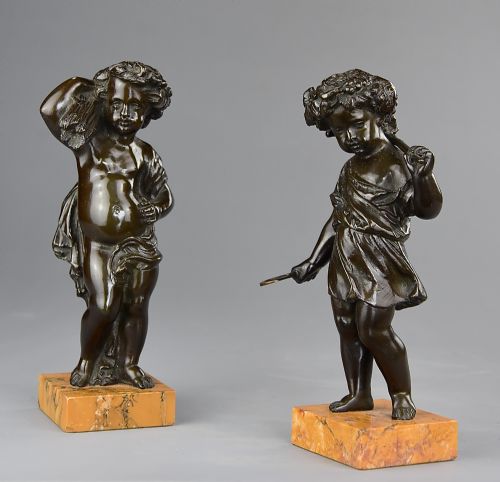
Vintage cherub sculpture pieces are classical winged figures cast in bronze, carved in wood, or shaped in stone to bring figurative grace indoors and out.
Vintage Cherub Sculpture
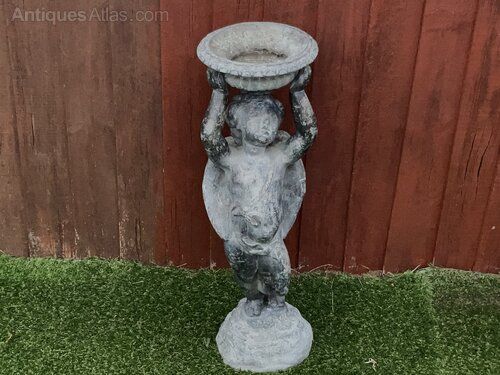
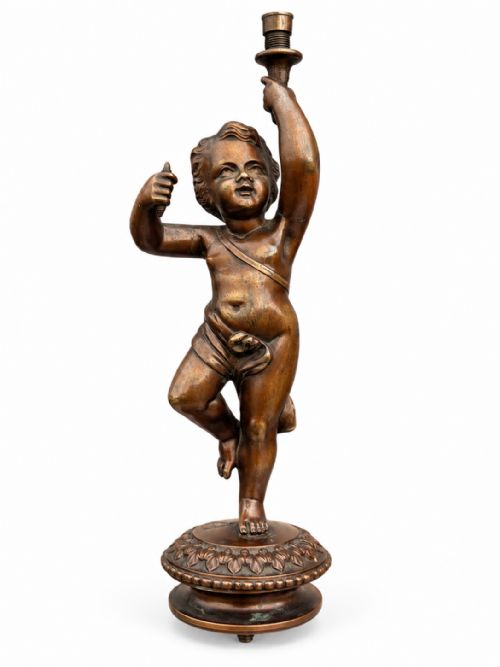
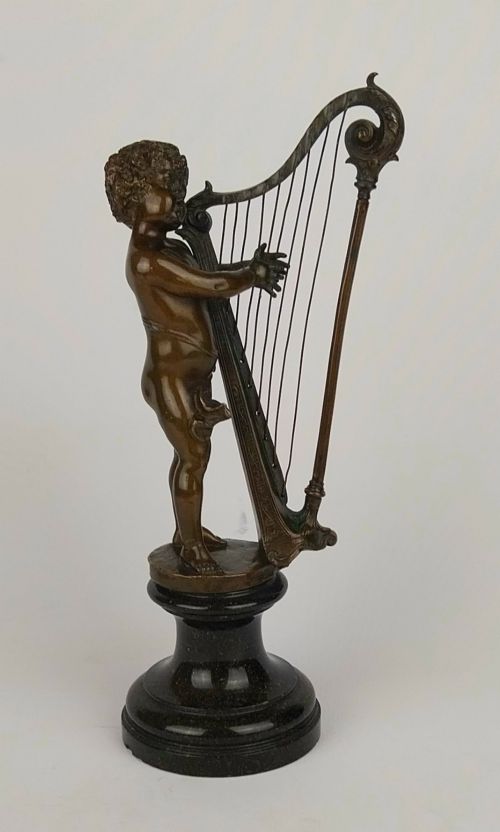
When you search for vintage cherub sculpture, you encounter a diverse range of winged figures, putti, and allegorical subjects spanning several centuries. The material and form shift noticeably, moving from small porcelain figurines and bronze table pieces to large garden statues in cast stone and lead.
You meet pieces originating across Europe, with Italian, French, and English workshops dominating the selection. The dates stretch from the eighteenth century through the Edwardian era up to the mid-twentieth century, capturing shifts in Neoclassical, Victorian, and Art Nouveau tastes.
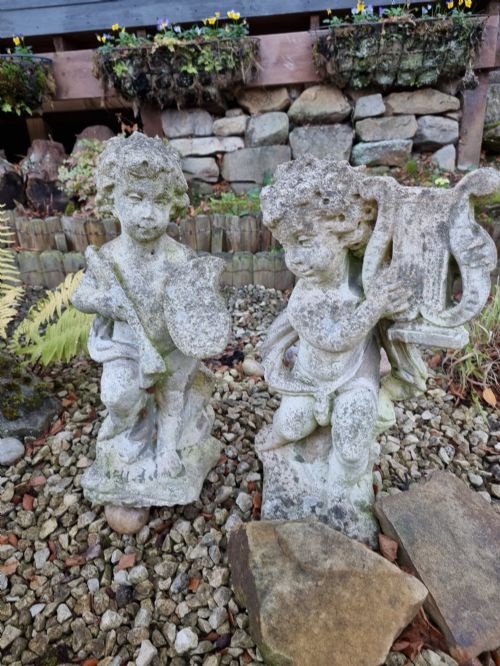
The domestic items include wall brackets, doorstops, and porcelain groups, while exterior examples take the form of heavy garden ornaments and architectural decorations. Bronze and porcelain works tend to occupy interior spaces, whereas stone, lead, and reconstituted stone remain suited for the garden.
Materials and production methods
Metals form a substantial portion of the objects, utilising bronze, spelter, and lead. Bronze and lead figures employ traditional foundry casting techniques, often finished with patination or mounted on stone bases, while spelter serves as a base metal for lamps and decorative figures.
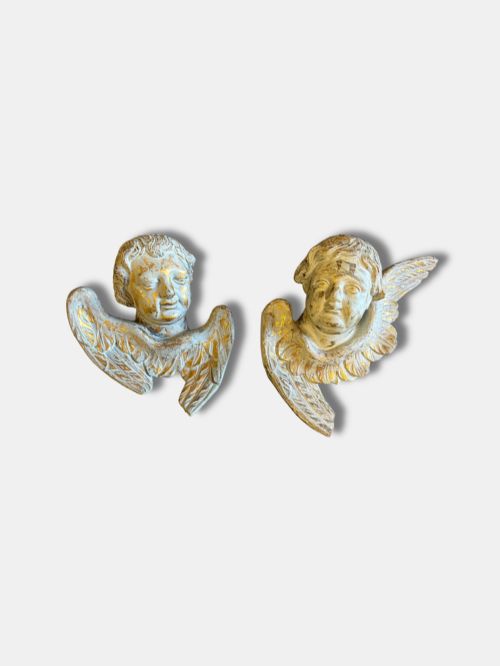
Stone and wood pieces rely on carving or casting methods. Artisans shape timber into terms and architectural decorations, while garden ornaments utilise cast stone, reconstituted stone, and carved stone to withstand external environments.
Vintage Cherub Sculpture Retail Price Guide 2026
Typical asking prices for vintage cherub sculpture among the pieces listed under this phrase on Sellingantiques today, from the lower quarter to the upper quarter. They describe what is for sale here now, not the wider market.
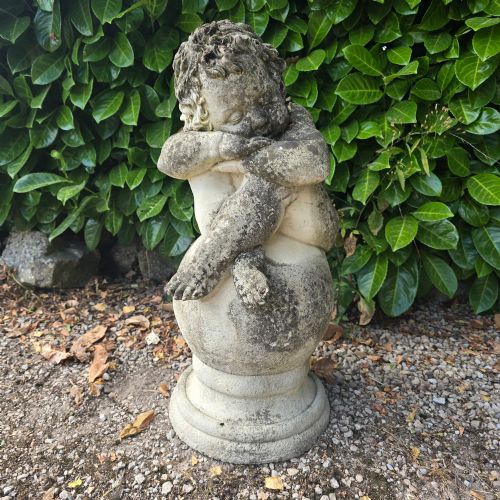
One cheerful cast stone cherub keeps permanent watch over the garden without ever learning to fly.
Distinctions in execution and material
The refinement of the casting or carving dictates the visual success of the piece. Finer examples display crisp detail in the feathers, hair, and facial expressions, whereas simpler versions lose definition in the secondary elements and smoothing of surfaces.
The choice of medium alters the character and durability of the work. Heavy metals and dense marbles demonstrate greater longevity and tactile weight, while softer composite materials rely heavily on the quality of their initial mould and subsequent surface sealing.
The integrity of the surface finish influences overall appeal. Original patination on bronzes, well-preserved polychrome paint on wood or plaster, and the natural weathering on stone contribute to the visual coherence of the object.
Claude Michael Clodion·Royal Dux Bohemia·Royal Worcester·Karl Tutter·Auguste Moreau
The Vintage Cherub Sculpture Glossary
- Putto
- A plump, naked male child figure often depicted with wings in classical and Renaissance art. These figures appear frequently in both interior decorative arts and garden statuary.
- Spelter
- An alloy of zinc and copper used as an economical alternative to bronze in decorative figures and lamps. It is softer than bronze and generally requires a painted or electroplated finish to resemble other metals.
- Terracotta
- Fired unglazed clay possessing a brownish-red colour, utilised for sculptural figures and architectural ornaments. It allows for direct modelling and retains fine detail from the sculptor's hand.
- Polychrome
- The practice of decorating architectural elements, sculptures, or pottery in a variety of colours. This finish adds lifelike qualities to wooden and plaster figures.
- Corbel
- A structural piece of stone, wood, or metal jutting from a wall to carry a superincumbent weight. In decorative contexts, these supports often take the form of sculpted cherubic figures.
Vintage Cherub Sculpture: Frequently Asked Questions
How do I clean a bronze cherub?
Dust the surface regularly with a soft, dry cloth to prevent the accumulation of dirt within the crevices of the casting.
Avoid using harsh chemical cleaners or abrasive materials that can strip away the original historical patination from the metal.
Are stone cherubs frost resistant?
Cast stone and reconstituted stone pieces designed for exterior use generally withstand outdoor climates, but porous materials remain vulnerable to moisture penetration during freezing conditions.
Protect vulnerable garden statues by moving them indoors or covering them securely during severe winter weather.
What is the difference between a putto and a cherub?
Art historical terminology distinguishes between secular putti representing mythological figures like cupids and the celestial cherubim found in religious iconography.
In the context of antique sculpture, the terms are frequently used interchangeably to describe winged infant figures.
How can I date a metal sculpture?
Examine the base metal, the method of assembly, and the nature of the casting seams to determine the manufacturing era. Bronze works often bear foundry marks, artist signatures, or registration numbers that help pinpoint their origin.