

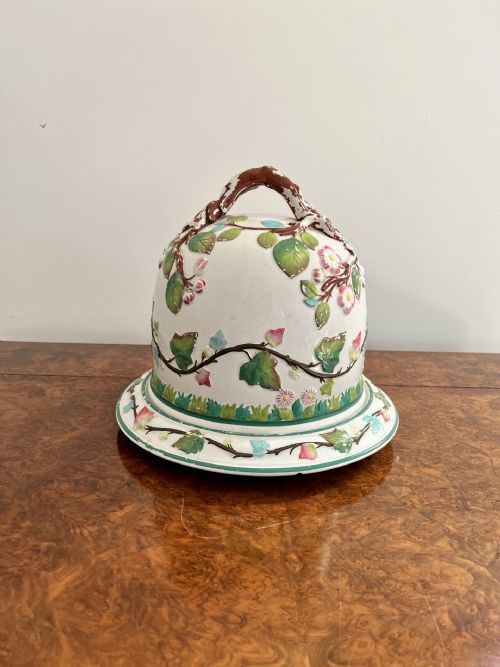
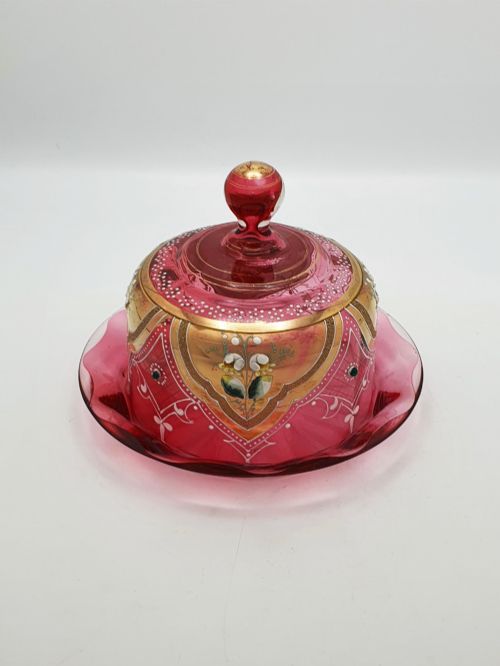
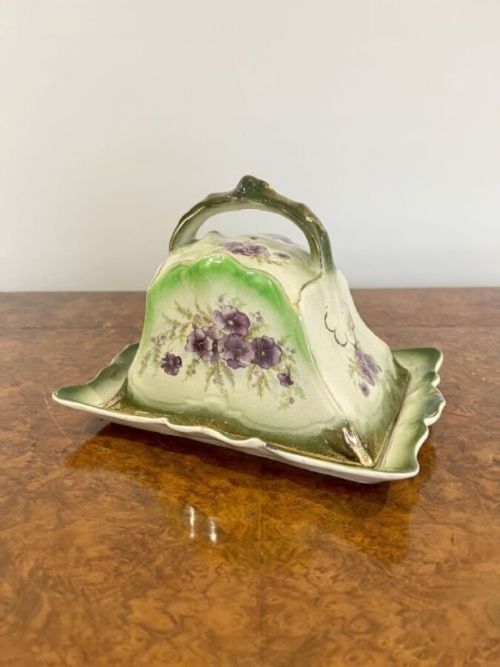
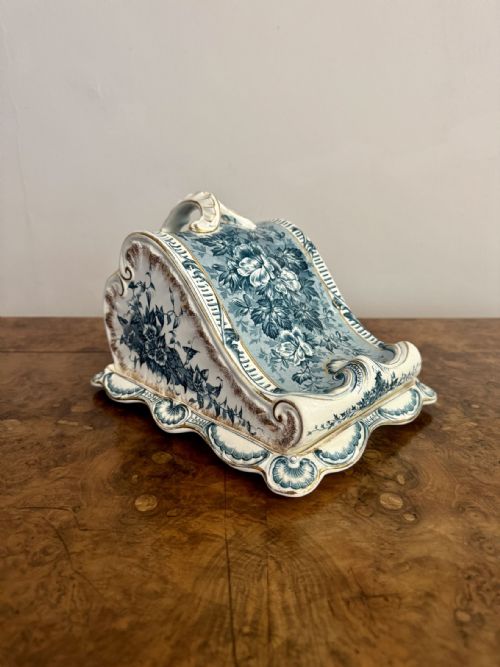


Vintage Cheese Dome
These vintage cheese dome pieces protect a household wheel while keeping the table orderly, bringing tactile ceramic and glass craft directly into daily dining.
Vintage Cheese Dome
When you search for a vintage cheese dome, you encounter covered serveware designed specifically to store and present cheese at the table. These items typically consist of a fitted base tray and a high domed cover that traps moisture and aroma.
The selections here span periods from the nineteenth century through the early twentieth century, taking the form of substantial cheese dishes and bells. Common regional and stylistic origins include Victorian earthenware, crisp ironstone, and decorative majolica.
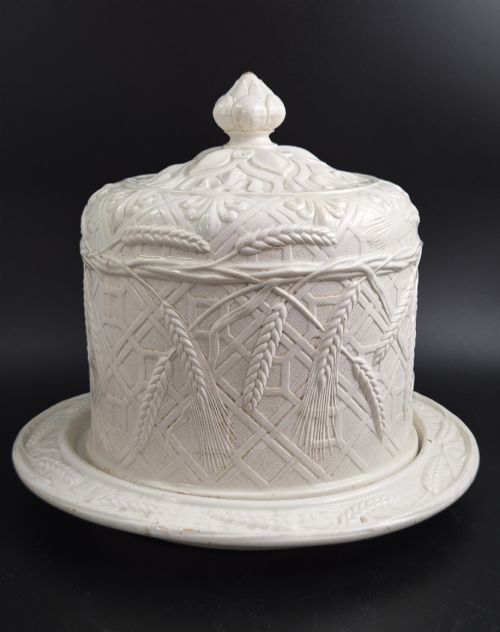
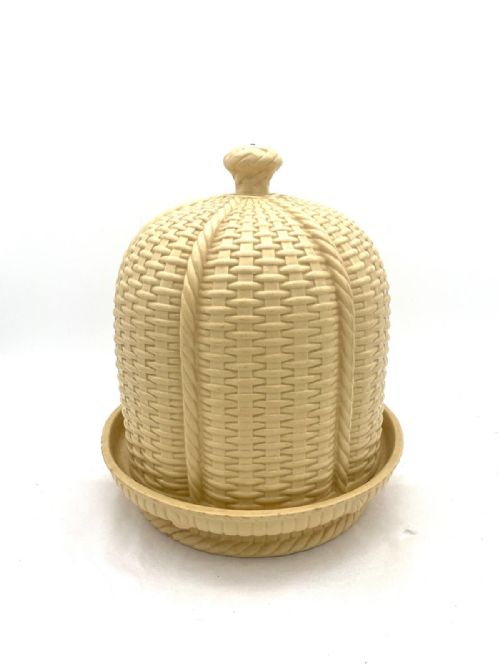
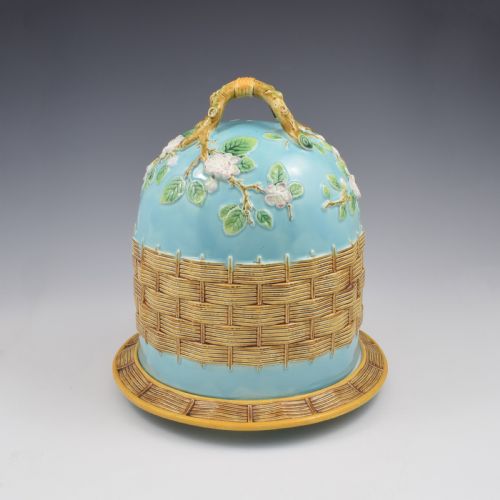
You meet pieces that range from plain white utility wares to elaborate moulded designs with basket weave and floral motifs. Each version offers a distinct physical presence derived from its original Victorian or Edwardian dining context.
How they were made
Potters shaped these ceramics using durable earthenware, ironstone, and heavy majolica bodies, often applying thick coloured glazes to create tactile surface textures. Moulded details such as wheat, lattice, and apple blossom patterns emerge directly in the clay before firing.
Glass alternatives utilise pressed cranberry glass or clear lead glass, frequently paired with silver plate stands or mounts. Silversmiths and glassmakers combined metal rims and handles to secure the glass bells and protect vulnerable edges during daily use.
Vintage Cheese Dome Retail Price Guide 2026
Typical asking prices for vintage cheese dome among the pieces listed under this phrase on Sellingantiques today, from the lower quarter to the upper quarter. They describe what is for sale here now, not the wider market.
Listings feature ceramics and glass spanning the nineteenth century through the 1920s, dominated by Victorian earthenware and ironstone.
What varies in quality
The standard of a cheese dish rests upon the crispness of the moulding and the depth of the glaze application. Pieces with sharp, well-defined basket weave or botanical reliefs display superior craftsmanship compared to soft or blurred impressions.
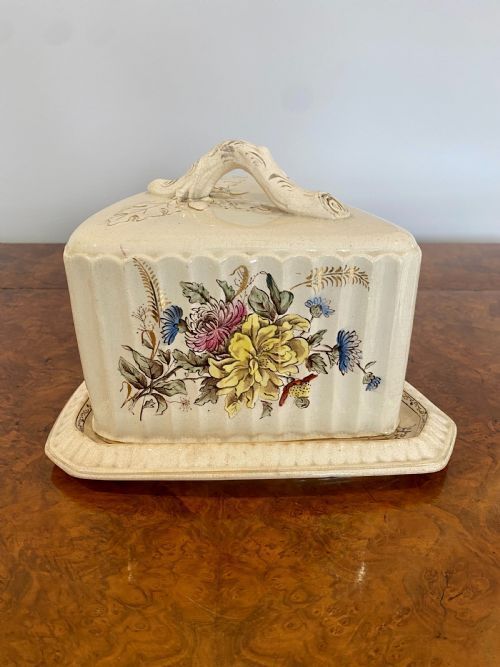
Material weight and complexity of decoration also divide ordinary kitchen utensils from ambitious display vessels. Hand-painted majolica colours and intricate ironstone transfer printing demand greater skill from the decorator, elevating the visual impact of the finished cover.
George Jones·Masons Ironstone China·WMF
The Vintage Cheese Dome Glossary
- Ironstone
- A dense, durable type of earthenware patented in the nineteenth century to imitate Chinese porcelain. It provides a heavy, resilient body well suited to utilitarian kitchen serveware.
- Majolica
- A Victorian earthenware pottery type characterised by colourful lead glazes applied over moulded reliefs. It frequently depicts natural subjects like fruit, flowers, and foliage.
- Drabware
- A style of unglazed or slip-glazed stoneware possessing a muted brownish-grey or olive tone. It was particularly popular for nineteenth-century utilitarian tablewares.
- Cheese bell
- An alternative term for a cheese dome featuring a handle on top of a bell-shaped cover. It rests directly on a matching ceramic or glass plate.
- Jasper ware
- A fine-grained, unglazed stoneware developed in the eighteenth century and continued into later periods. It typically displays white moulded classical reliefs against a coloured background.
Vintage Cheese Dome: Frequently Asked Questions
What is a vintage cheese dome used for?
These covered vessels were originally designed to keep hard cheeses moist and to contain strong aromas on the dining table. The high cover traps humidity while protecting the dairy from dust and insects between meals.
Today, collectors utilise them as decorative centrepieces or functional serveware for gatherings. They accommodate various types of cheese, keeping rinds supple and flavours concentrated.
How do I date a Victorian cheese dish?
Dating relies on examining the ceramic body, maker marks, glaze characteristics, and decorative style. Nineteenth-century pieces often feature heavy ironstone or rich majolica glazes with impressed registry marks underneath the base.
Later Edwardian and early twentieth-century examples incorporate styles like Art Nouveau or simplified silver plate fittings. Comparing the weight of the ceramic and the sharpness of the moulded details helps narrow the period of manufacture.
Are glass and ceramic domes interchangeable?
Glass and ceramic versions serve the same practical function but create entirely different visual effects on the table. Ceramic domes conceal the cheese entirely and often showcase intricate exterior moulding, while glass versions reveal the contents directly.
Glass dishes frequently include silver plate stands, adding a reflective metallic element. Selecting between them depends on whether you prefer the opaque texture of majolica or the transparency of cranberry glass.
How do I care for antique cheese dishes?
Gentle hand washing with mild soap and warm water preserves the historic glazes and metallic mounts. Submerging antique ceramics for extended periods or exposing them to thermal shock can damage fragile nineteenth-century bodies.
Silver plate elements benefit from occasional polishing with non-abrasive cloths to prevent tarnish accumulation. Storing the dome and base separately on stable surfaces prevents chipping along the rim edges.