




Vintage Checkerboard
These vintage checkerboard pieces range from mahogany games tables to painted boards and geometric jewellery, bringing tactile pattern into any room.
Vintage Checkerboard
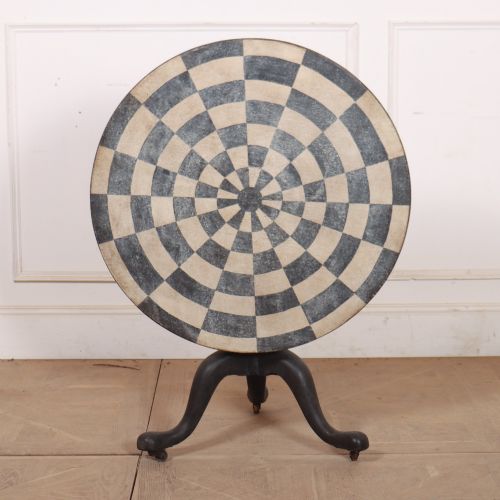
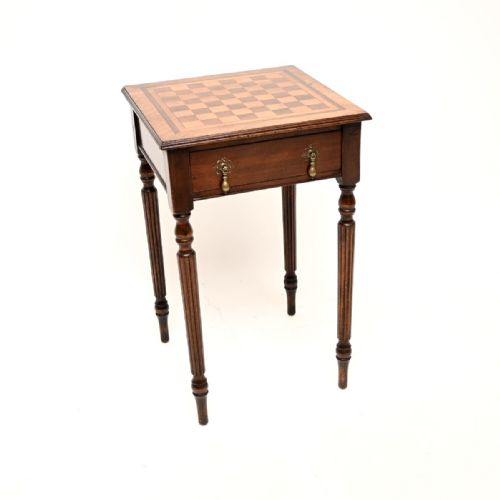
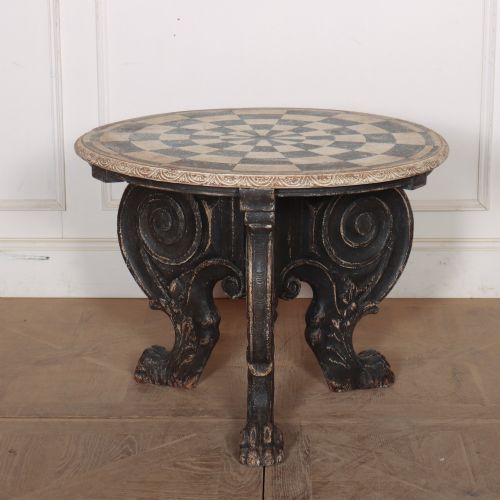
A vintage checkerboard brings a distinct geometric grid into domestic spaces, appearing primarily upon games tables and dedicated boards. These objects serve both decorative function and practical use, bridging past leisure pursuits with current interiors.
The selection here includes items spanning the eighteenth century through to the Art Deco period. Alongside traditional wooden furniture, the grid surfaces in unexpected forms such as reverse glass painted panels and gemstone clusters.
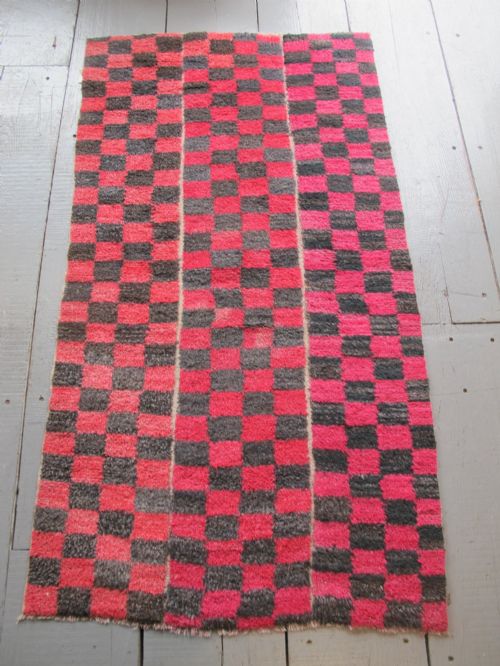
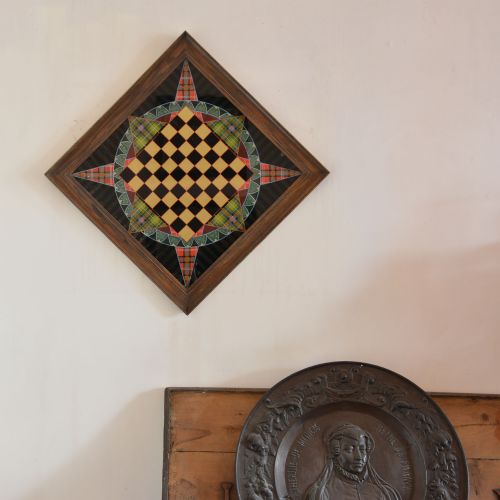
Buyers encounter diverse regional interpretations, from Scottish painted work to Tibetan meditation rugs and Italian specimen tops. Each piece demonstrates how makers applied the familiar alternating pattern across varied materials.
How they were made
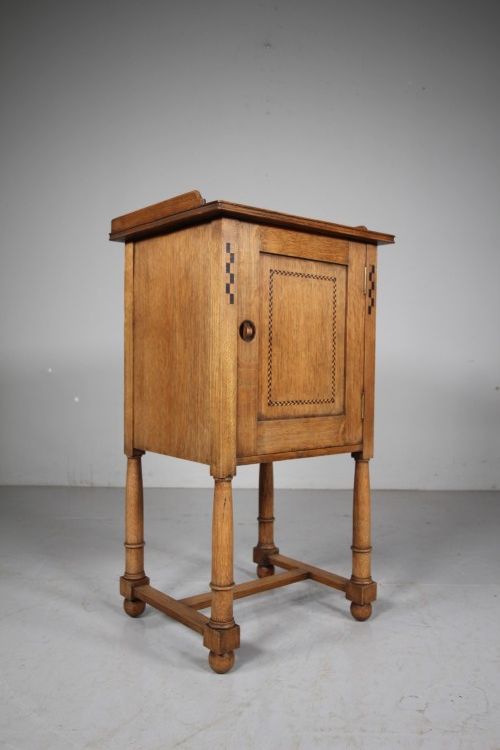
Timber selection dictated the construction of wooden games tables and boards, utilising mahogany, walnut, oak, and satinwood. Craftsmen often combined these timbers through parquetry and inlay techniques to create the contrasting light and dark squares.
Alternative media required specialised skills, seen in reverse glass painting and carved ornamentation. Metalwork and gemstone setting likewise shaped the grid pattern in jewellery designs from the twentieth century.
Vintage Checkerboard Retail Price Guide 2026
Typical asking prices for vintage checkerboard among the pieces listed under this phrase on Sellingantiques today, from the lower quarter to the upper quarter. They describe what is for sale here now, not the wider market.
What varies in quality
The precision of the contrasting squares dictates visual success, where tight joints and balanced timber selection separate superior work from simpler items. Parquetry relies entirely on the accuracy of the underlying geometry.
Material richness elevates certain examples, particularly where figured walnut or satinwood frames the playing surface. Original painted finishes and intact glass panels also distinguish finer historical pieces from later alterations.
The Vintage Checkerboard Glossary
- Parquetry
- A geometric mosaic of wood pieces used for decorative floors and table tops. This technique forms the basis of many wooden checkerboard surfaces.
- Specimen wood
- Furniture constructed using numerous small pieces of different native and exotic timbers. Italian makers utilised this method to display botanical variety.
- Reverse glass painting
- An art form where the image is painted on the back of a piece of glass to be viewed through the front. Scottish makers applied this technique to gaming surfaces.
- Tripod table
- A small occasional table supported by a single pillar resting on three feet. These portable pieces frequently served as tea or games tables.
Vintage Checkerboard: Frequently Asked Questions
What periods do these pieces span?
The selection encompasses items from the eighteenth century up through the Edwardian era and into the Art Deco period of the nineteen-thirties.
Craftsmanship styles shift noticeably across these eras, moving from Georgian and Victorian traditions into modernist geometric designs.
How were games tables used historically?
Games tables provided a dedicated surface for chess, checkers, and card games during evening domestic entertainment.
Many designs featured folding tops or drawers to store playing pieces when the furniture served general uses.
What materials appear most frequently?
Wood dominates the category, with mahogany, walnut, oak, and satinwood providing the contrasting tones for inlaid boards.
Glass, painted surfaces, and precious metals also appear in specific regional boards and twentieth-century rings.
How do I care for wooden games surfaces?
Wooden tables and boards require stable indoor humidity levels to prevent timber movement or veneer lifting over time.
Regular dusting with a dry cloth and occasional application of appropriate wax preserves the historic finish.