



Vintage Ceramic Vase Lamp
These vintage ceramic vase lamp examples transform historic vessels into practical illumination, bringing global traditions and centuries-old craftsmanship into modern interiors.
Vintage Ceramic Vase Lamp
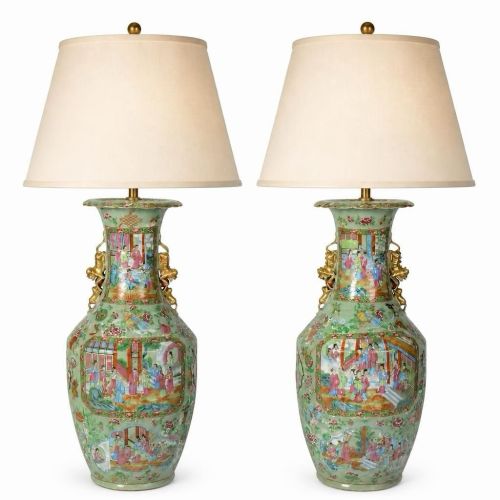
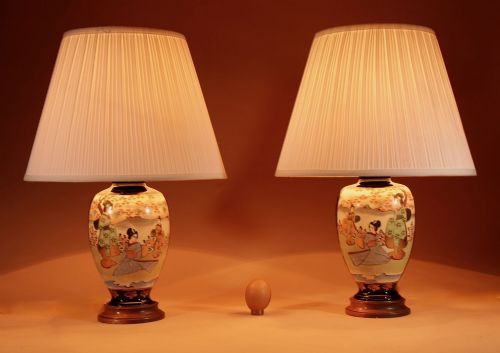
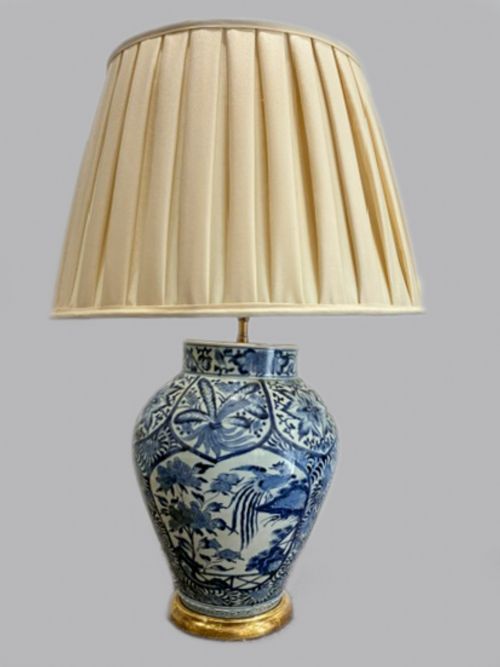
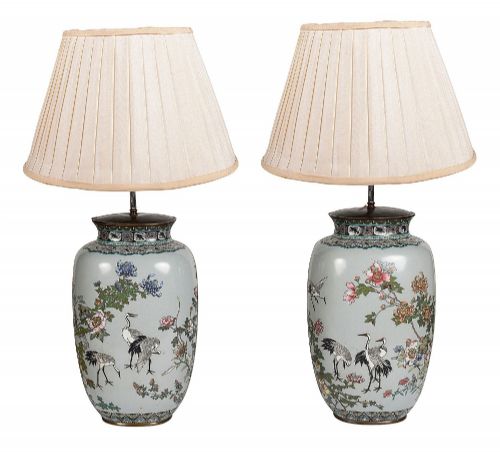
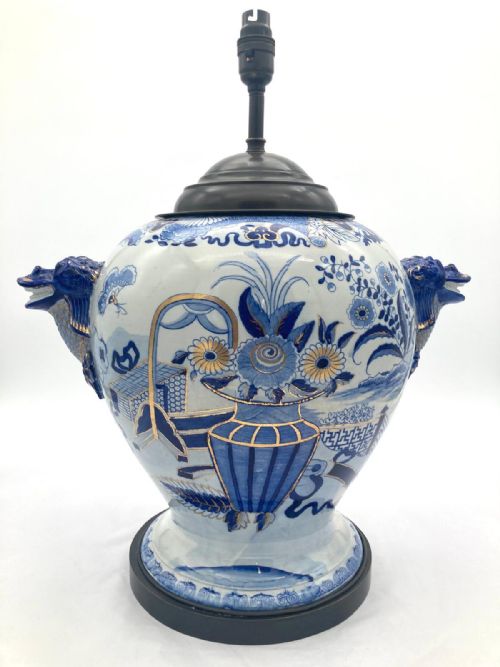
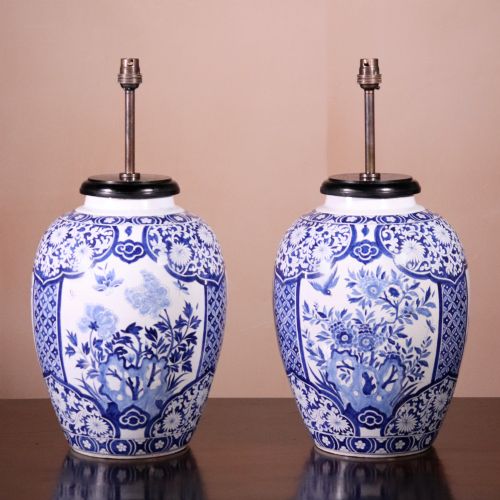
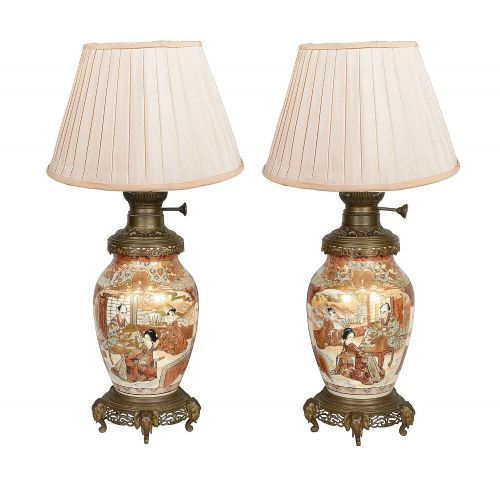
A vintage ceramic vase lamp repurposes antique vessels, ranging from seventeenth-century Japanese porcelain to nineteenth-century European earthenware, into functional lighting. Buyers searching for a vintage ceramic vase lamp frequently encounter pieces originating from Asian export traditions, including Satsuma, Imari, and Blue and White styles.
The selection encompasses both individual statement vessels and matched pairs mounted for table use. Many examples incorporate historic Delft, Kutani, and Famille Verte bodies adapted during subsequent periods to hold electrical fittings.
Originating from diverse eras spanning the seventeenth to the twentieth century, these items bridge decorative arts and practical home furnishings. The primary forms combine historic ceramic containers with fitted mounts in brass, wood, or gilt bronze.
Factors determining quality
The distinction between standard and exceptional pieces rests upon the artistic merit and preservation of the original ceramic vessel. Hand-painted detailing, depth of glaze colour, and the historical significance of periods such as the Meiji or Qing dynasties elevate certain examples.
Integration between the historic vase and its mechanical mount also governs overall success. Harmonious proportions between the ceramic body, metal or wooden fittings, and subsequent wiring determine the structural integrity and visual balance of the finished object.
Materials recorded across the inventory include porcelain, earthenware, brass, gilt bronze, silk, and wood.
Hicks and Meigh
The Vintage Ceramic Vase Lamp Glossary
- Satsuma
- A type of Japanese earthenware featuring a pale, ivory crackle glaze decorated with elaborate polychrome and gilt patterns. These ceramics frequently depict traditional figural scenes and natural motifs.
- Imari
- A style of Japanese porcelain characterised by a distinctive palette of underglaze blue, iron red, and gilt highlights. Originating from the port of Arita, these wares gained immense popularity across Europe.
- Famille Verte
- A Chinese porcelain palette dominated by green enamel hues, complemented by contrasting overglaze colours. This decorative style flourished particularly during the Qing dynasty.
- Delft
- Tin-glazed earthenware originating from the Netherlands, traditionally painted in blue and white. Pieces often display Chinese export influences adapted by European potters.
- Ormolu
- Gilt bronze ornamentation applied to furniture and decorative objects. In lighting conversions, these mounts provide structural support and aesthetic enrichment.
Vintage Ceramic Vase Lamp: Frequently Asked Questions
How do I care for a vintage ceramic vase lamp?
Dust the ceramic body gently with a dry, soft cloth to preserve delicate overglaze enamels and gilding. Avoid using liquid cleaners on antique surfaces.
Inspect the wiring periodically and consult a professional electrician if the lamp requires rewiring or updated components to ensure safety.
Were these always intended as lamps?
The vast majority of these ceramic bodies began as decorative vases, jars, or vessels created centuries before their conversion into lighting. Adapting antique containers became a popular method to repurpose fine ceramics.
Conversion generally occurred in later decades, mounting the historic vessels onto stable bases and adding electrical hardware while preserving the original ceramic body.
How can I identify the period of the ceramic?
Dating relies upon stylistic markers such as glaze characteristics, painting techniques, and the presence of specific decorative palettes like Famille Rose or Blue and White. Comparative analysis of traditional kiln methods helps narrow down the era.
Associated metal mounts, such as brass or gilt bronze fittings, can also offer clues regarding the timeframe of the lamp conversion.