


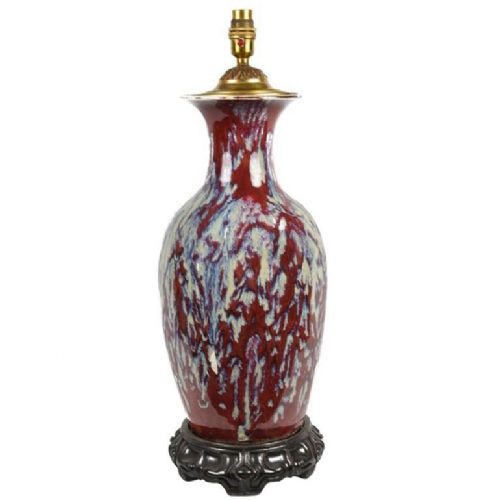


Glazed Ceramic Lamp Base
These glazed ceramic lamp base examples bring texture and enduring form to a room, turning historical vessels into daily illumination.
Glazed Ceramic Lamp Base
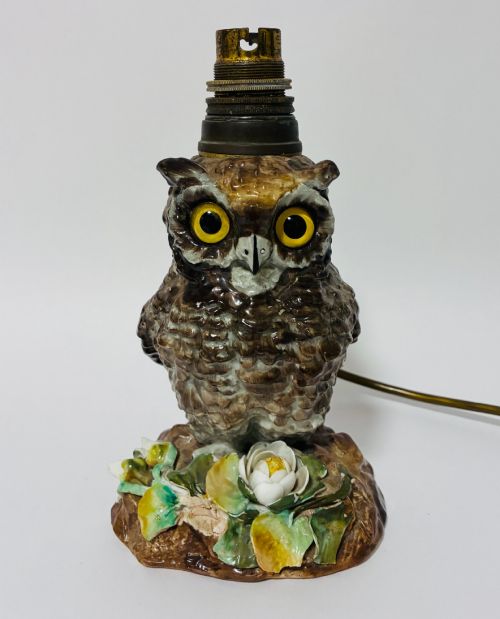
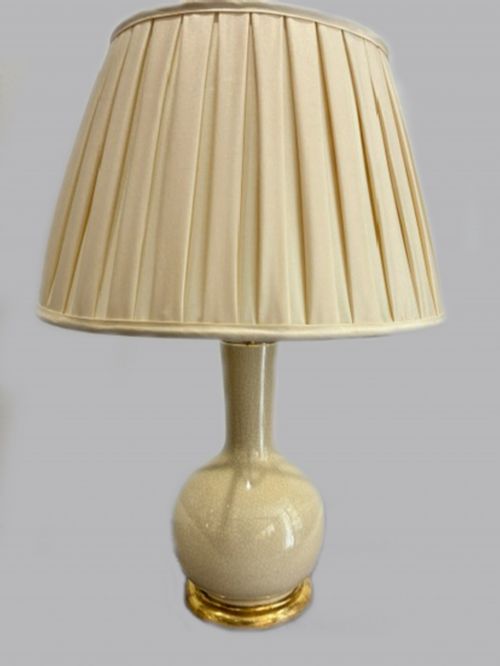
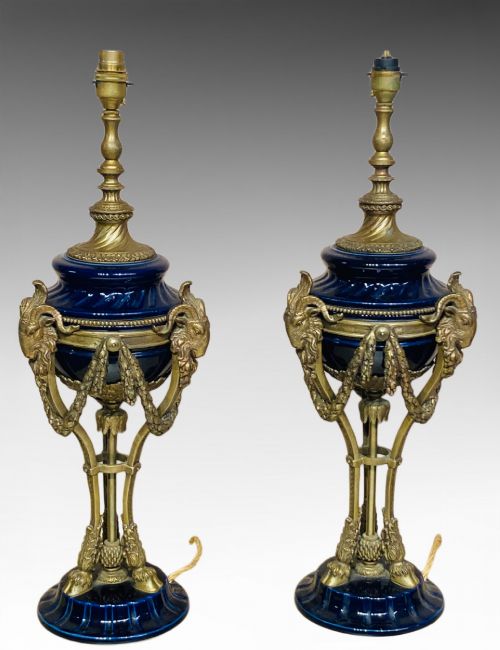
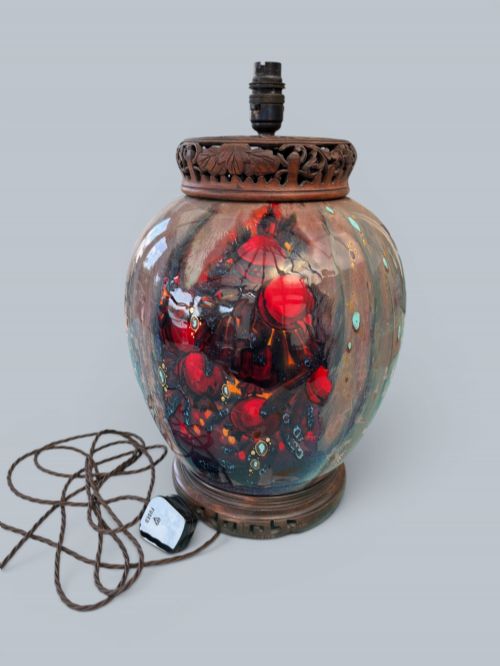
A glazed ceramic lamp base transforms historical vessels, ginger jars, and figurines into functional lighting across various interior styles. When you examine a glazed ceramic lamp base on this page, you encounter pieces repurposed from earlier utilitarian or decorative ceramics alongside purpose-made pottery.
The selection ranges from Victorian figural designs and Dutch Delftware to Chinese export porcelains and art pottery. You are most likely to meet Chinese monochrome and blue-and-white vases or jars adapted into table lamps during the nineteenth and twentieth centuries.
These objects bridge decorative arts and practical domestic illumination, retaining the hand of the potter beneath modern electrical fittings. Each glazed ceramic lamp base carries the aesthetic markers of its period, from Chinoiserie motifs to Arts and Crafts simplicity.
Materials and construction methods
Makers utilised earthenware, porcelain, and stoneware bodies, applying lead, tin, or salt glazes to seal the porous clay and create glossy or crackle surfaces. Cobalt, celadon, and sang-de-boeuf pigments provided the rich coloration fired into the glaze during kiln production.
Many examples began life as vases, ginger jars, or tobacco jars before conversion into lamps, while others emerged from potteries specifically designed for domestic lighting. Metal mounts in brass, bronze, or ormolu often secure the ceramic body and house the electrical components.
Listings include ceramics spanning the eighteenth century to the mid-twentieth century, featuring styles from Chinoiserie to Arts and Crafts.
Distinctions in quality and execution
Quality rests upon the fineness of the ceramic body, the depth and control of the glaze, and the artistic merit of any hand-painted decoration. Finer pieces display crisp potting, balanced proportions, and sophisticated pigment control during the firing process.
The method of conversion impacts the overall integrity of the piece, particularly whether original ceramic structures remain unaltered by the wiring process. Well-executed mounts that complement the period and style of the pottery elevate the final object.
Moorcroft·Royal Doulton
The Glazed Ceramic Lamp Base Glossary
- Crackleware
- Pottery exhibiting a network of fine intentional cracks in the glaze layer, created during the cooling process. This finish appears frequently on nineteenth-century Chinese export pieces.
- Famille Verte
- A Chinese porcelain palette dominated by green enamel overglaze decoration, developed during the Qing dynasty. Pieces decorated in this style frequently serve as table lamps.
- Delftware
- Tin-glazed earthenware produced in Dutch and English potteries, typically featuring blue-and-white designs. Eighteenth-century examples of this type are adapted for lighting.
- Sang de boeuf
- A rich red copper-based glaze that transitions in tone across the ceramic surface. This technique produces deep crimson hues on monochrome lamp bases.
Glazed Ceramic Lamp Base: Frequently Asked Questions
How do I clean a glazed ceramic lamp base?
Dust the ceramic surface gently with a soft, dry cloth to prevent accumulation in textured areas or crackle glaze lines. Avoid harsh chemical cleaners that might compromise the antique glaze or historical mounts.
Keep moisture away from the electrical fittings and wiring components during any maintenance. Professional advice is recommended if deeper cleaning of the ceramic body becomes necessary.
Are these lamps converted from old vases?
Many examples on this page began as decorative vases, ginger jars, or tobacco jars before receiving electrical fittings. This practice preserves historical ceramics while adapting them for modern domestic utility.
Some pieces were manufactured specifically as lamps during the Victorian and later periods. Inspecting the base and mounting points helps reveal whether the vessel was altered during its lifetime.
How do I date a ceramic lamp base?
Dating relies upon stylistic markers in the glaze, the ceramic body, and any painted or impressed marks on the pottery. Periods represented span from the eighteenth century through to mid-twentieth-century art pottery and Victorian designs.
Metal mounts and wiring hardware also provide clues regarding the era of conversion. Comparing the ceramic style to known historical periods secures a reliable date range.
What interior styles suit these lamps?
Chinoiserie and Chinese export pieces complement traditional drawing rooms and eclectic interiors by adding rich colour and pattern. Victorian and Arts and Crafts examples fit period-specific room schemes or bring character to modern spaces.
The variety of glazes allows these lamps to function as sculptural focal points on side tables or desks. Their tactile surfaces harmonize with natural wood furniture and woven fabrics.