




Vintage Ceramic Tiles
These vintage ceramic tiles bring hand-painted glazes, transfer prints and relief designs into domestic spaces.
Vintage Ceramic Tiles
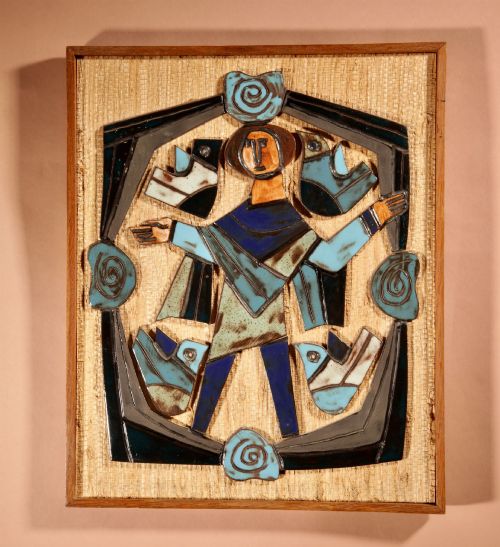
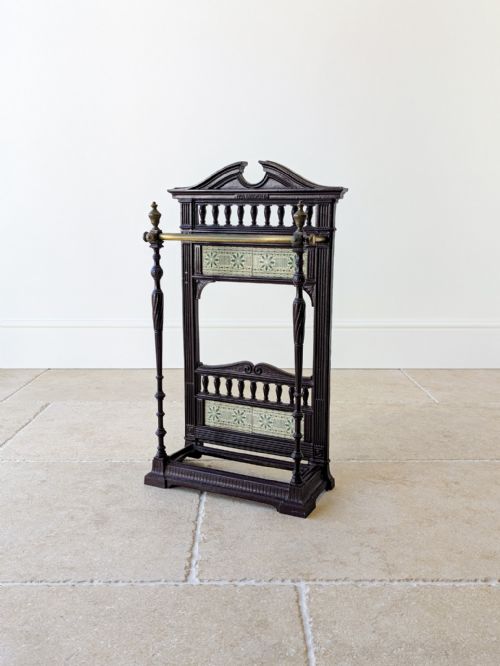
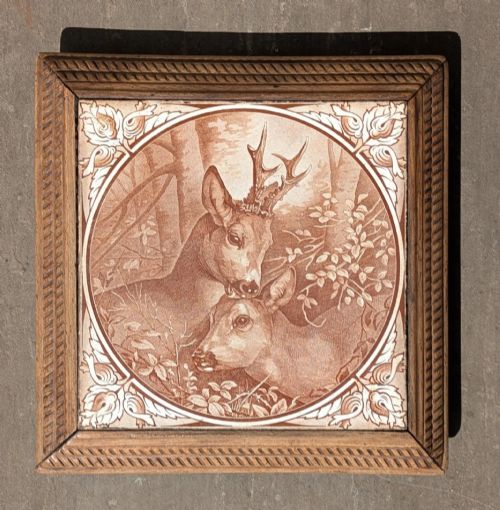
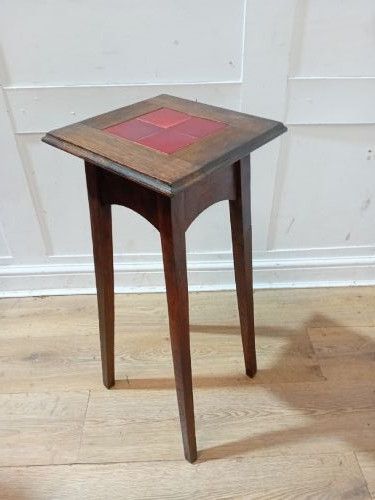
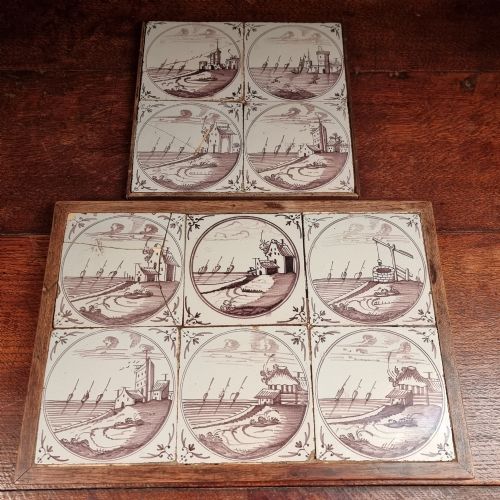
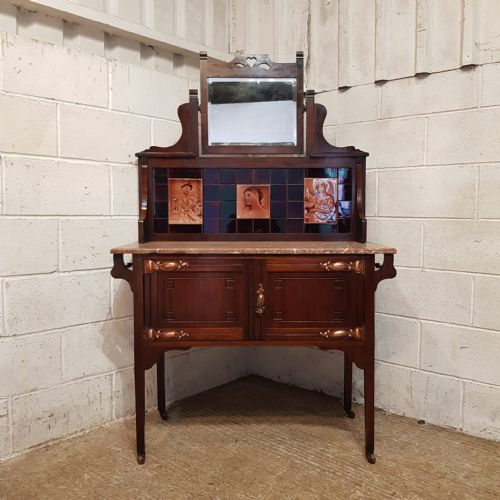
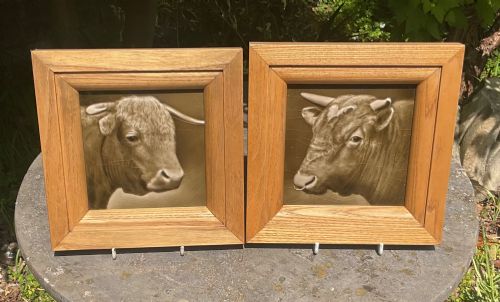
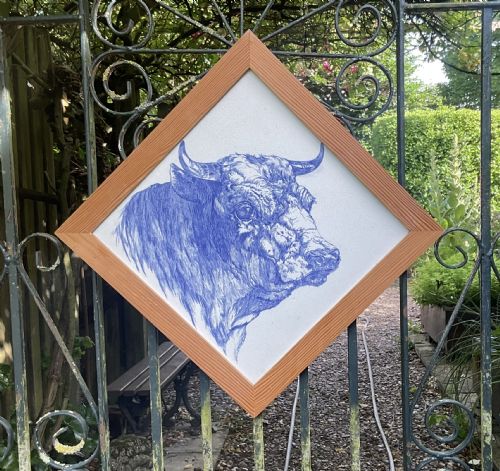
Vintage ceramic tiles encompass everything from individual framed wall art panels to decorative inserts set within oak tables, washstands and stick stands.
The selections range across periods, including eighteenth-century Delft examples, Victorian and Edwardian fireplace or furniture tiles, and later twentieth-century modernist designs.
Buyers encounter architectural elements repurposed as decorative items, alongside specialised earthenware and porcelain plaques intended strictly for display.
How they were made
Makers utilised earthenware and ceramic bodies, finishing surfaces with opaque or translucent glazes, sometimes incorporating manganese or hand-painted pigments.
Many items were produced by established potteries using press-moulded techniques, whilst others involved detailed transfer printing or delicate hand-painting before high-temperature firing.
Vintage Ceramic Tiles Retail Price Guide 2026
Typical asking prices for vintage ceramic tiles among the pieces listed under this phrase on Sellingantiques today, from the lower quarter to the upper quarter. They describe what is for sale here now, not the wider market.
The listings span from eighteenth-century manganese pieces through Victorian and Edwardian productions up to nineteen-thirties modernist works.
What varies in quality
Quality rests upon the crispness of the moulding, the depth and stability of the glaze, and the artistic merit of the painted or printed subject matter.
The distinction between standard commercial production and superior studio output shows in the precision of the pigments and the preservation of the ceramic body over time.
Coalbrookdale·Sherwin and Cotton·Mintons·Minton Hollins·Longwy·Richard Ginori
The Vintage Ceramic Tiles Glossary
- Manganese
- A dark metallic oxide frequently used in eighteenth-century Delft ceramics to produce characteristic purple-brown monochrome glazes.
- Delft
- Tin-glazed earthenware originating from the Netherlands, known for painted blue or manganese designs.
- Earthenware
- Porous pottery fired at lower temperatures, commonly used as the base body for decorative tiles.
- Transfer printing
- A mechanical method of applying a printed design from an engraved copper plate onto the ceramic surface using tissue paper.
Vintage Ceramic Tiles: Frequently Asked Questions
How do I clean vintage ceramic tiles?
Dust surfaces gently with a dry microfiber cloth to prevent abrasion to aged glazes.
Avoid chemical cleaners and excess moisture, which can damage exposed earthenware edges or old mounting materials.
Can these tiles be used near heat?
Most antique and vintage tiles were designed for decorative furniture inserts or wall display rather than modern fireplace hearths.
Thermal shock from open fires can crack historical ceramic bodies and original glazes.
How are framed tiles mounted?
Many framed pieces utilise period wood surrounds, such as oak or mahogany, holding the ceramic securely within a rebate.
Ensure wall-hung items utilise appropriate fixings to support the combined weight of the clay and timber.
How do I identify eighteenth-century Delft?
Look for characteristic tin glazes that display slight surface pooling, paired with manganese or cobalt pigments.
The edges often reveal the softer, more porous nature of early earthenware bodies.