





Vintage Ceramic Storage
Vintage ceramic storage covers utilitarian vessels and lidded jars shaped from earthenware, terracotta, and porcelain for pantry and household use.
Vintage Ceramic Storage
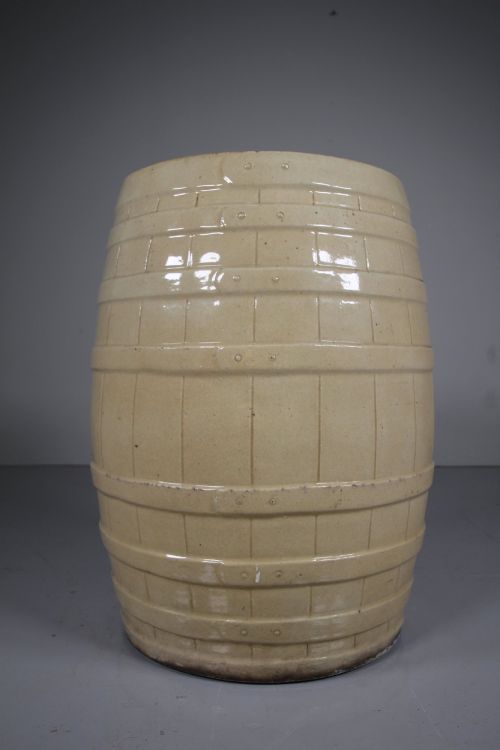
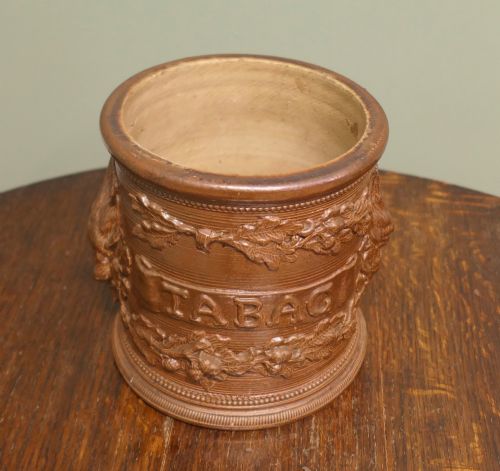
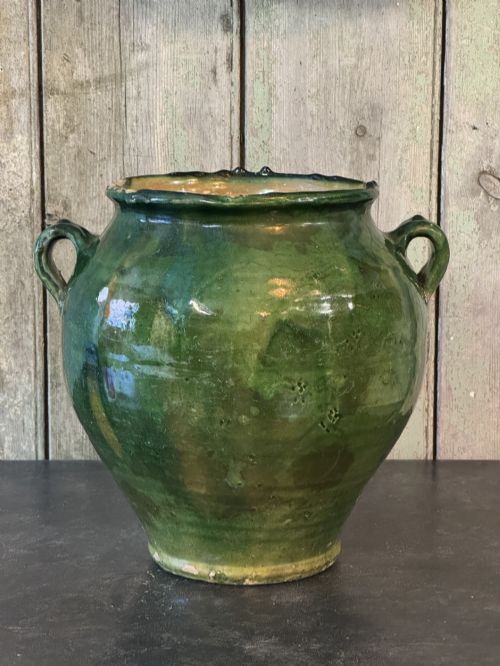
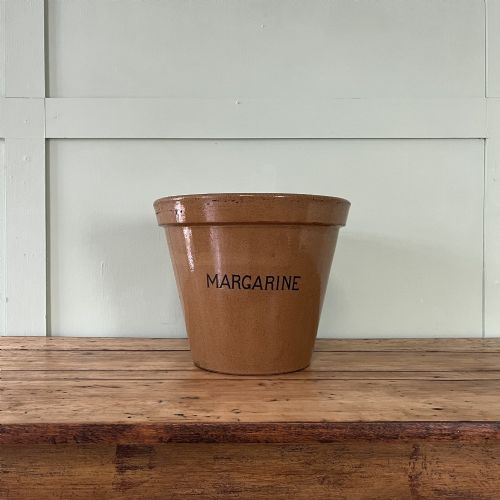
Vintage ceramic storage pieces span practical utilitarian vessels and lidded jars designed to hold provisions, liquids, and household goods. You will encounter nineteenth century French confit pots, Edwardian biscuit barrels, and glazed stoneware margarine bowls alongside decorative ginger jars.
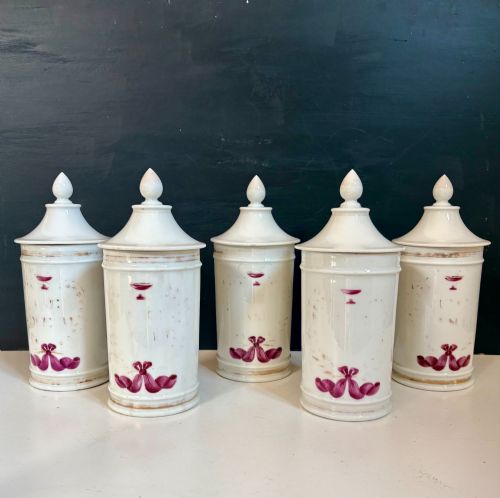
The selection ranges from large terracotta olive and garden jars to sets of apothecary jars and lidded pots originating from English, French, Chinese, and Japanese traditions. Forms shift between simple rustic containers with aged patinas and intricately hand painted porcelain tea caddies.
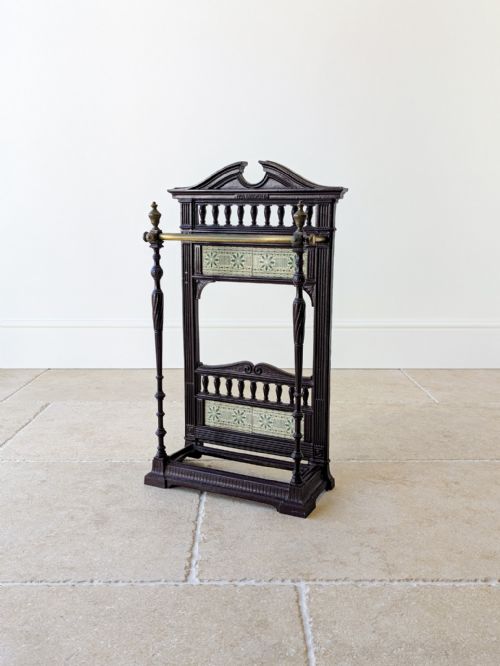
Many items combine robust earthenware bodies with functional lead or tin glazes meant to seal the clay for food storage. Others take the form of specialised containers like blue and white kamcheng jars or majolica umbrella stands.
Materials and construction
Potters shaped these pieces using local clays, throwing terracotta, earthenware, and heavy stoneware bodies on a wheel or forming them by hand. Glazes were then applied to the interior and partial exterior surfaces to render the porous clay impermeable to moisture and oils.
Porcelain and fine ceramic storage items received hand painted or transfer printed decoration, often in blue and white or polychrome palettes, before undergoing high temperature kiln firing. Iron fittings, brass accents, and copper elements appear on specific lidded items and stick stands to reinforce the structure.
Vintage Ceramic Storage Retail Price Guide 2026
Typical asking prices for vintage ceramic storage among the pieces listed under this phrase on Sellingantiques today, from the lower quarter to the upper quarter. They describe what is for sale here now, not the wider market.
Listings feature nineteenth and early twentieth century ceramic storage spanning French terracotta confit pots, English stoneware bowls, and Asian porcelain ginger jars.
Assessing quality in storage ceramics
Quality rests upon the integrity of the ceramic body and the uniformity of the glaze application. Finer pieces display crisp hand painted detail, stable potting without severe warping, and glazes that have matured evenly without excessive pitting.
Condition and completeness dictate standing, particularly for lidded vessels where matching original covers remain intact. Age related wear, such as historic glaze crazing and natural patination on terracotta, adds character provided the structural body retains its strength.
Coalbrookdale·Crown Devon·Herend·Doulton of London
The Vintage Ceramic Storage Glossary
- Confit pot
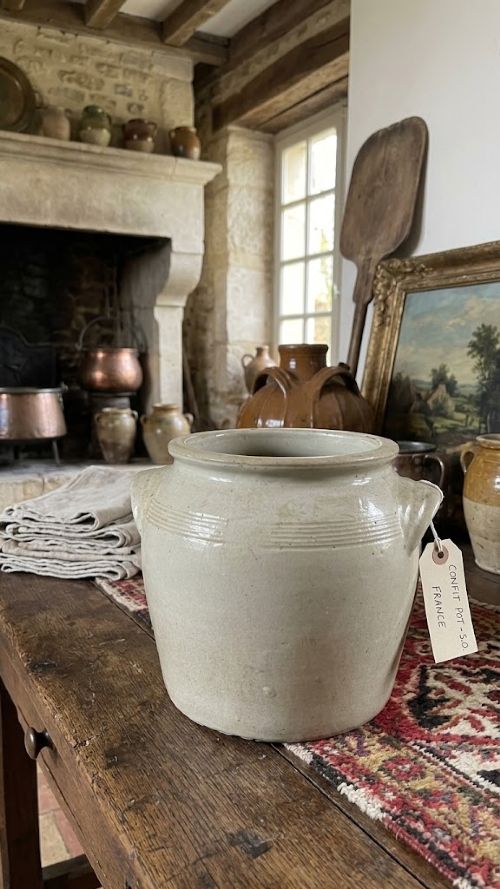
- A French utilitarian earthenware vessel featuring a fully or partially glazed body, historically used for preserving meat and food.
- Ginger jar
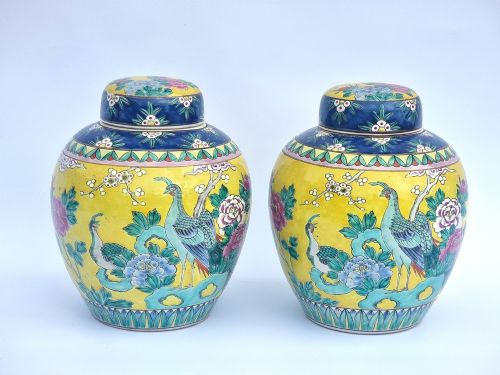
- A ceramic container with a broad shoulder and rounded body, originally manufactured in China to hold spices.
- Biscuit barrel
- A covered ceramic or glass jar designed for storing dry biscuits or crackers on the dining table, popular during the Edwardian period.
- Majolica
- A type of earthenware decorated with opaque lead glazes, known for vivid colouration and moulded surface relief.
- Kamcheng
- A traditional lidded ceramic container originating from Chinese kilns, frequently decorated in blue and white for storage use.
Vintage Ceramic Storage: Frequently Asked Questions
What were antique confit pots used for?
Confit pots served as utilitarian storage vessels in French provincial kitchens, primarily used for preserving and storing cooked meats like duck confit beneath a layer of fat.
Their interior glazing prevented the porous earthenware from absorbing oils, ensuring foodstuffs remained sealed and preserved over long periods.
How do I distinguish stoneware from terracotta?
Terracotta is made from porous, unrefined iron rich clay fired at lower temperatures, resulting in a reddish brown body that requires glazing for liquid storage.
Stoneware utilises denser clays fired at much higher temperatures until the material vitrifies, making it completely non porous and significantly heavier.
Are ginger jars suitable for kitchen storage?
Ginger jars function effectively for storing dry goods, tea leaves, or kitchen items provided the lid sits securely on the rim.
Many antique examples feature delicate hand painted porcelain or earthenware surfaces that require gentle handling during daily kitchen use.
What is an Edwardian biscuit barrel?
An Edwardian biscuit barrel is a covered ceramic container placed in the dining room or parlour to keep baked goods crisp and accessible.
These pieces often incorporate decorative ceramic bodies fitted with metal mounts, lids, and swing handles for serving tea.