


Vintage Ceramic Serving Bowl
A vintage ceramic serving bowl brings weight, colour and pattern to a table, moving effortlessly from everyday use to seasonal gatherings.
Vintage Ceramic Serving Bowl
A vintage ceramic serving bowl encompasses a wide array of domestic and decorative vessels designed for the table, spanning the eighteenth century through to the mid-twentieth century. When searching for a vintage ceramic serving bowl, collectors encounter substantial earthenware basins, delicate porcelain dishes and robust stoneware bowls used across British, European and Asian households.
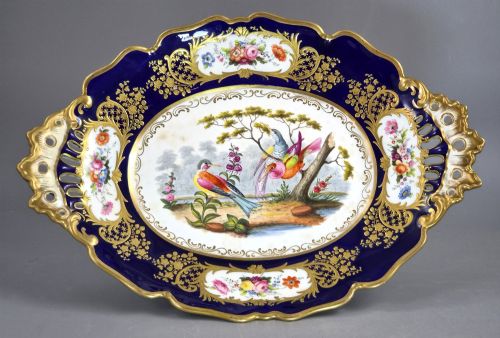
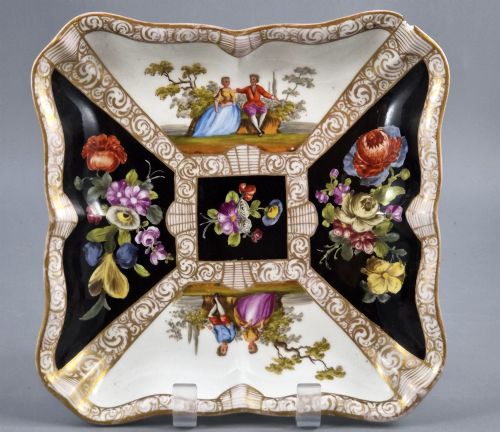
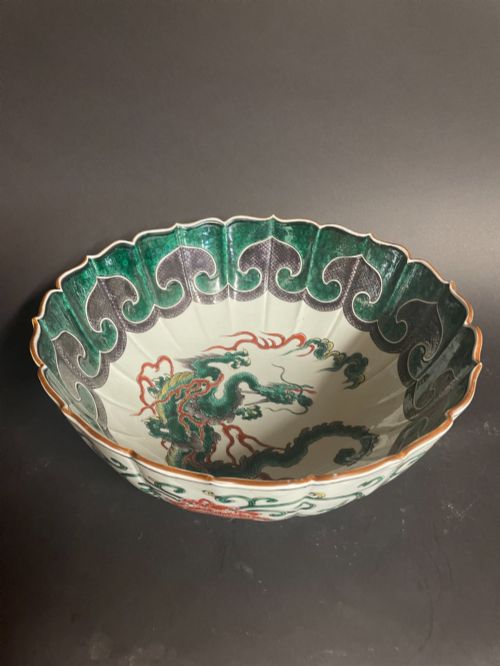
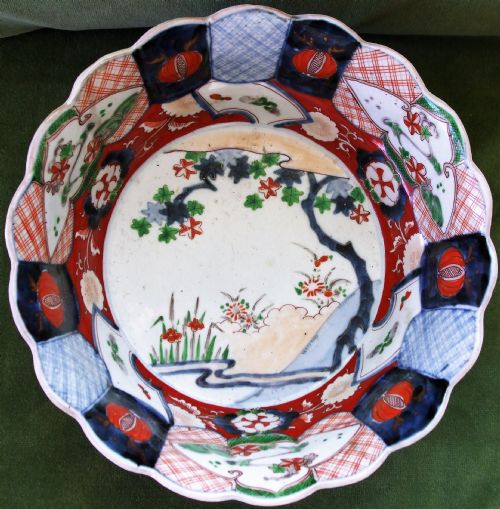
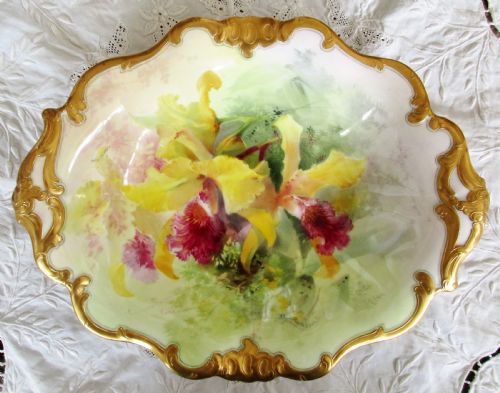
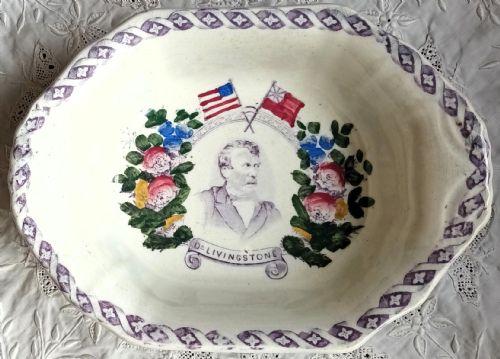
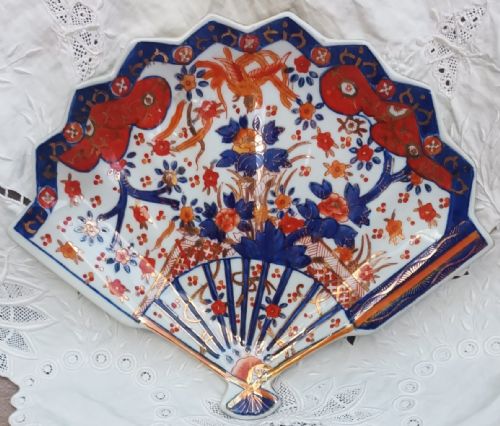
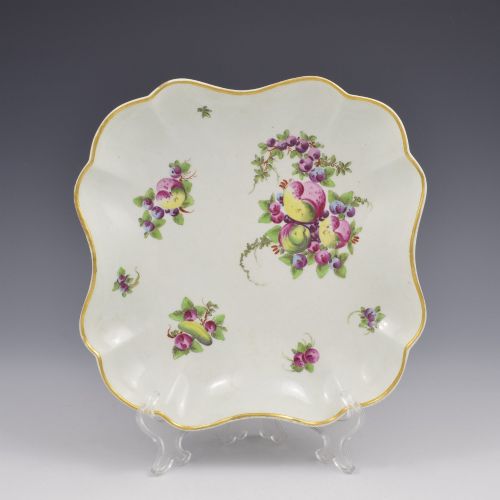
The selections available here reflect diverse aesthetic movements, ranging from Victorian Rococo Revival forms and Japanese Meiji period Imari wares to traditional English blue and white transfer prints. Makers and potteries from Staffordshire, Germany, France and Japan contribute distinct regional shapes, including oval dessert dishes, deep punch bowls, lidded tureens and salad bowls.
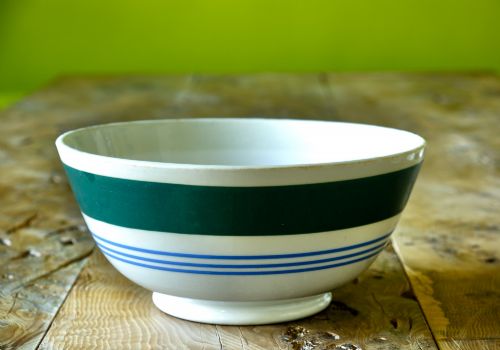
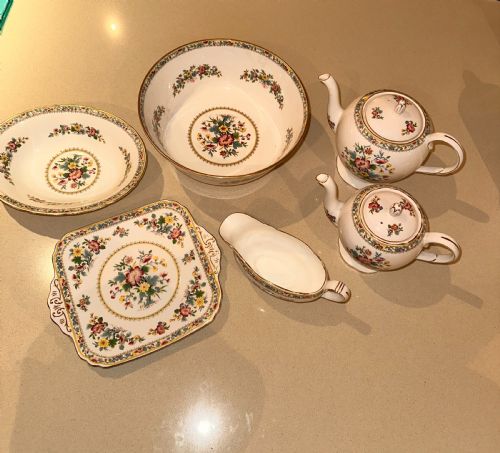
Earlier examples lean towards hand-painted cobalt motifs and gilt accents, while twentieth-century pieces often display banded glazes or botanical studies. Each vintage ceramic serving bowl holds a distinct utility, whether intended for dry presentation, fruit, or liquid-based courses.
Materials and methods
Production relies heavily on porcelain, earthenware and stoneware bodies shaped by hand, wheel or mould before firing. Glazes seal the porous clay bodies, sometimes incorporating tin opacifiers or transparent lead formulas that interact with underglaze pigments.
Decoration techniques combine manual brushwork with transfer printing, applying cobalt blue, enamel colours and gold leaf over or under the glaze. Gilding and meticulous hand-painted scenes require multiple kiln firings to fix the metallic oxides and precious metals securely to the surface.
The listings span earthenware, porcelain and stoneware, featuring decorative bowls, punch bowls, tureens and salad bowls from the eighteenth to the twentieth century.
Assessing quality
Quality rests upon the precision of the form and the clarity of the painted or transferred design. Finer pieces demonstrate control during high-temperature firing, avoiding warping in large bowls and tureens while maintaining crispness in moulded details like scallop edges or pierced galleries.
The standard of hand-painting separates mass production from master craftsmanship, visible in the brushwork of botanical studies or intricate Watteau scenes. Superior gilding remains bright and substantial, whereas lesser examples show thinning and wear from early domestic friction.
Coalport·Meissen·Royal Doulton·T G Green·Mann Co·Booths·Paul Müller Selb·R Wehsner·Frank Butler·Masons·Royal Worcester·Gien·Samson·Copeland and Garrett
The Vintage Ceramic Serving Bowl Glossary
- Imari
- A traditional Japanese style of porcelain decoration characterised by a palette of underglaze blue, iron red and gold. These pieces were extensively exported to European markets from the seventeenth century onwards.
- Tureen
- A deep, covered serving vessel designed for holding soups, stews or gravies at the table. They frequently stand on fixed bases and often include matching ladles.
- Transfer print
- A decorative technique where an engraved copperplate transfers a monochrome or coloured pattern onto tissue paper, which is then pressed onto the ceramic body before glazing. This method allowed intricate scenes to be reproduced consistently.
- Majolica
- A type of earthenware covered with an opaque lead glaze containing tin oxide, brightly painted with heavy enamel colours. It gained immense popularity during the nineteenth century for vibrant tablewares.
- Comport
- A raised dish or bowl elevated on a pedestal, traditionally utilised for serving fruit or sweetmeats as part of a formal dessert course.
Vintage Ceramic Serving Bowl: Frequently Asked Questions
How were these bowls originally used?
These vessels served functional roles at the dining table, holding communal portions of soup, fruit, vegetables or punches during formal meals and household gatherings.
Over time, many transitioned into decorative display items or cabinet pieces, appreciated for their artistry rather than daily domestic utility.
Are these bowls safe for modern dining?
While many durable earthenwares and porcelains remain physically robust enough for serving food, older lead glazes and delicate gold leaf require careful consideration.
Hand washing in lukewarm water with mild soap preserves the historical glazes and prevents thermal shock or metallic loss.
How do I distinguish nineteenth century pieces?
Nineteenth-century ceramics often feature specific maker marks, registration diamonds, or characteristic transfer-printed patterns associated with the Victorian era.
The weight of the paste, the composition of the glaze and stylistic cues like Rococo Revival moulding provide further dating evidence.
What is the difference between porcelain and earthenware?
Porcelain is fired at extremely high temperatures, resulting in a vitrified, non-porous body that is frequently translucent and rings when struck.
Earthenware is fired at lower temperatures, producing a more porous, opaque ceramic body that requires an impermeable glaze to hold liquids safely.