






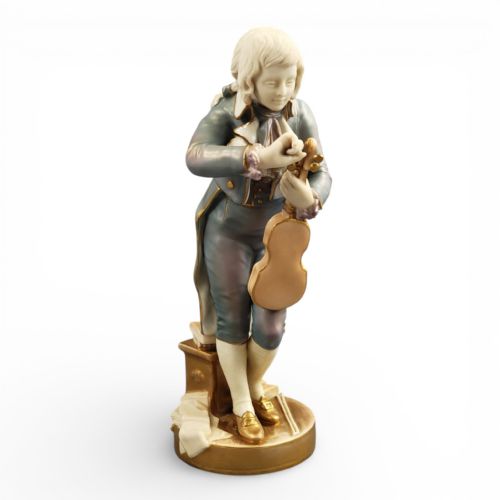
Vintage Ceramic Decor
Vintage ceramic decor encompasses historic vessels, plates, and figures shaped in earthenware, porcelain, and stoneware across the nineteenth and twentieth centuries.
Vintage Ceramic Decor
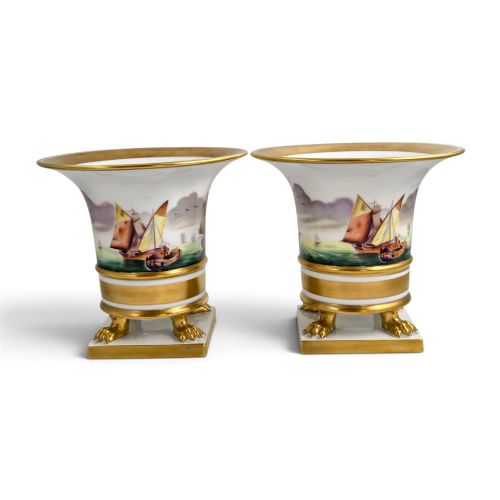
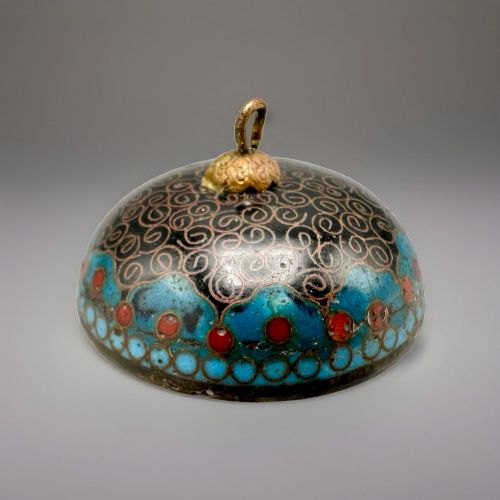
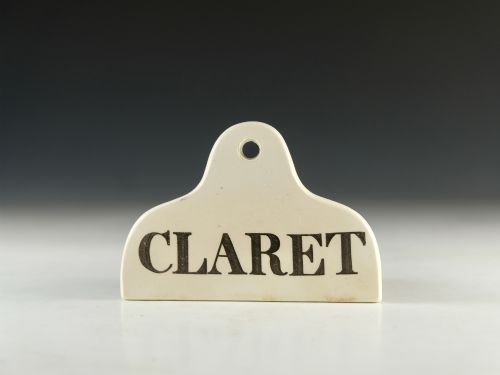
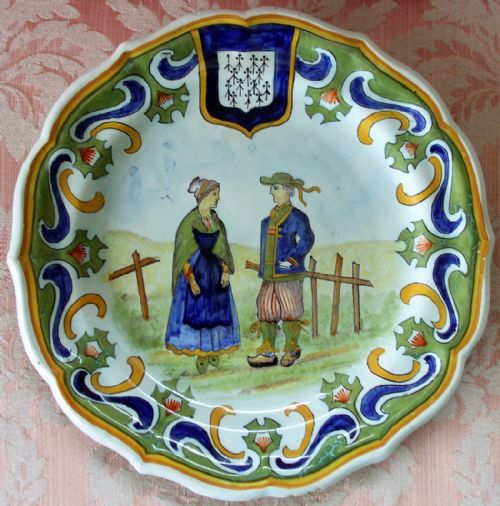
Vintage ceramic decor covers a broad spectrum of ornamental pieces created for display and utility in domestic interiors. When searching for vintage ceramic decor, buyers encounter diverse forms ranging from Japanese Imari chargers and vases to European earthenware figures and tin-glazed faience dishes.
The objects span multiple periods, including Victorian, Edwardian, and Art Deco eras, reflecting shifting tastes in interior ornamentation. Pieces like Wedgwood jasperware, Dutch Delft inkwells, and Satsuma pottery populate this selection, offering distinct regional aesthetics from British, French, Austrian, and Japanese makers.
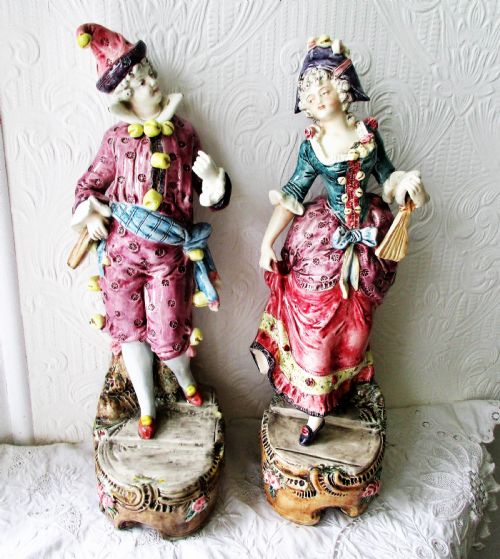
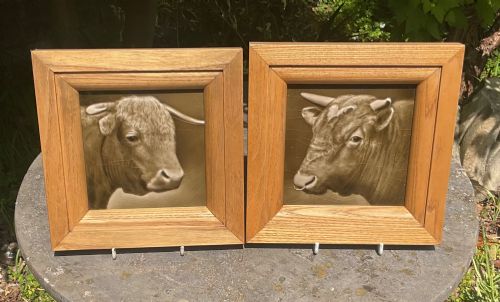
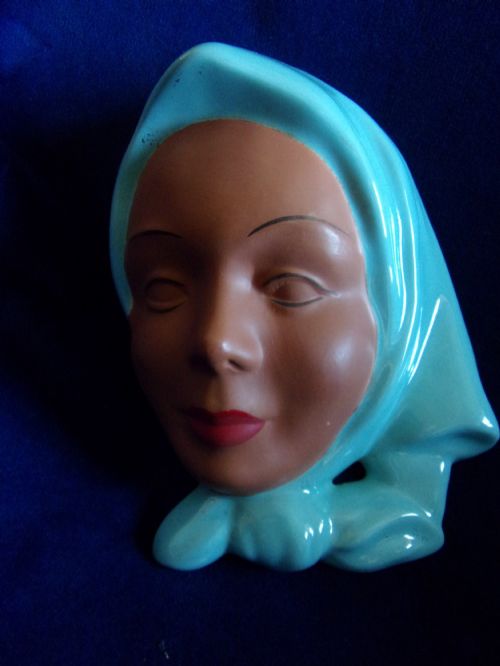
Vessels and figures predominate, alongside framed tiles and wall masks. Most examples originate from the nineteenth century through the early decades of the twentieth century, providing tangible links to historical ceramic traditions.
Materials and production techniques
Makers utilised various ceramic bodies, distinguishing between dense stoneware, porous earthenware, and vitreous porcelain. Glazes played a central role, from tin opacified faience and blue and white Delft formulas to rich Sancai tri-colour lead glazes and lustrous enamel finishes.
Decoration often involved hand painting, transfer printing, or applied relief work, sometimes accented with gold leaf. Firing methods varied according to the clay body and kiln technology of the period, yielding differences in surface texture and vitrification.
Vintage Ceramic Decor Retail Price Guide 2026
Typical asking prices for vintage ceramic decor among the pieces listed under this phrase on Sellingantiques today, from the lower quarter to the upper quarter. They describe what is for sale here now, not the wider market.
Materials represented across the selection range from delicate porcelain and tin-glazed earthenware to robust stoneware and applied enamel.
Judging quality in historic ceramics
Quality rests upon the precision of the modelling and the execution of the painted or glazed surface. Finer pieces demonstrate crisp detail in moulded figures and careful brushwork on hand-painted plates and vases, whereas lesser examples show blurred pigments and clumsy casting seams.
The integrity of the glaze and the retention of delicate enamel or gold leaf details distinguish superior specimens. Maker attribution and well-preserved surface finishes elevate certain items above standard decorative production.
Royal Worcester·Wedgwood·Royal Doulton·Hakusan·Sherwin & Cotton·Sitzendorf·Richard Ginori
The Vintage Ceramic Decor Glossary
- Imari
- Japanese porcelain decorated in underglaze blue and overglaze iron red, gold, and secondary colours. The style originated in Arita and heavily influenced European manufactories.
- Jasperware
- A type of vitreous stoneware developed by Josiah Wedgwood, characterised by a matte, unglazed surface and contrasting raised white reliefs.
- Satsuma
- Japanese pottery with a pale, ivory-coloured, crackled glaze. Pieces are typically decorated with elaborate polychrome enamels and gilding.
- Stoneware
- A robust ceramic fired at high temperatures until vitrified and impermeable to liquids. It often receives salt glazing or enamel ornamentation.
Vintage Ceramic Decor: Frequently Asked Questions
How do I clean vintage ceramic decor?
Dust gently with a soft, dry cloth to prevent accumulation of grit on painted surfaces. Avoid immersion in water, particularly for pieces with delicate overglaze enamel or gold leaf.
Harsh chemical detergents strip historic glazes and damage porous earthenware bodies. Consult a conservator if deeper cleaning becomes necessary.
What is the difference between porcelain and earthenware?
Porcelain is fired at extremely high temperatures, resulting in a vitreous, non-porous body that often rings when struck and appears translucent in thin sections. Earthenware is fired at lower temperatures, remaining porous and opaque unless sealed entirely by glaze.
Many decorative plates and figures utilise earthenware bodies covered in opaque tin glaze, whereas fine vases and teawares rely on true porcelain.
How can I date vintage ceramic items?
Examine the base for maker marks, impressed numbers, and registration ciphers that correspond to specific manufacturing years. Stylistic indicators, such as the geometric motifs of Art Deco or the ornate ornamentation of the Victorian era, offer further chronological clues.
Comparing glaze characteristics and potting techniques against known production periods helps narrow down the date of creation.
Where should I display ceramic figures and vases?
Position pieces away from direct sunlight to prevent fading on hand-painted enamel and pigment decorations. Stable shelving or cabinets protect fragile items from accidental knocks in high-traffic areas.
Ensure that heavy stoneware or porcelain pieces rest on sturdy horizontal surfaces capable of supporting their weight.