



Vintage Ceramic Creamer
A vintage ceramic creamer brings small-scale table utility and cabinet charm, ranging from rustic earthenware cow creamers to porcelain jugs.
Vintage Ceramic Creamer
A vintage ceramic creamer encompasses small pouring vessels designed for milk or cream, spanning periods from the eighteenth century to the mid-twentieth century.
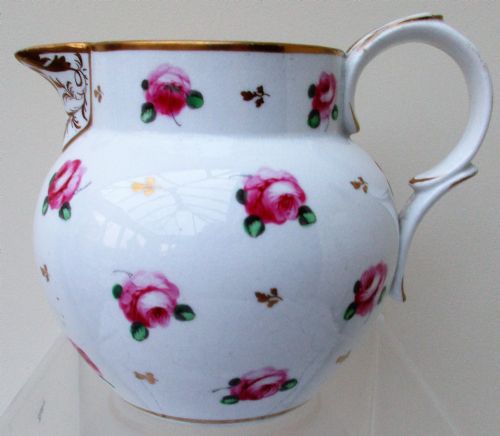
The selections found here include earthenware, porcelain, and ironstone forms, often categorised as cream jugs, pitchers, or novelty cow creamers.
Buyers encounter traditional English folk art, Victorian Staffordshire wares, and neoclassical Georgian shapes among the diverse regional outputs.
Materials and production methods
Potters shaped these creamers using earthenware, pearlware, ironstone, and fine porcelain, applying lead glazes and hand-painted or transfer-printed decoration.
Some examples incorporate specialist techniques such as lustre finishes, gold leaf detailing, and hand-painted bird or fruit motifs.
Vintage Ceramic Creamer Retail Price Guide 2026
Typical asking prices for vintage ceramic creamer among the pieces listed under this phrase on Sellingantiques today, from the lower quarter to the upper quarter. They describe what is for sale here now, not the wider market.
Listings feature earthenware, porcelain, and ironstone from the eighteenth to twentieth centuries.
Judging quality and craftsmanship
Quality rests on the crispness of the moulding, particularly in modelled figures like cow creamers and relief-decorated jugs.
The refinement of the ceramic body and the precision of hand-painted or transfer-printed enamels distinguish finer manufactory output from standard utility wares.
Masons·Leeds Pottery·Royal Davenport·Chamberlain Worcester·Royal Worcester·New Hall·Meissen·Herculaneum·Copeland Spode
The Vintage Ceramic Creamer Glossary
- Creamware
- A fine earthenware developed in the eighteenth century with a pale yellowish lead glaze. Leeds Pottery produced notable examples.
- Pearlware
- A refined earthenware introduced in the late eighteenth century featuring a bluish-tinted glaze designed to mimic Chinese porcelain.
- Ironstone
- A durable semi-vitrified pottery patent developed in the nineteenth century for heavy household utility.
- Prattware
- Earthenware decorated with a limited palette of oxide colours under a clear glaze, often associated with figures and utilitarian vessels.
- Transfer printing
- A decoration technique where an engraved metal plate transfers a design onto paper and then onto the ceramic body.
Vintage Ceramic Creamer: Frequently Asked Questions
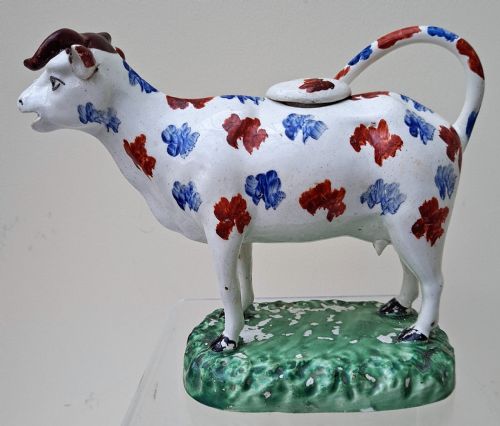
What is a cow creamer?
A cow creamer is a novelty ceramic vessel shaped like a cow, with a filling hole on the back and milk poured from the animal's mouth.
These pieces were particularly popular in Georgian and Victorian British pottery traditions.
How do I date an antique creamer?
Dating relies on ceramic body type, glaze characteristics, and decorative styles such as neoclassical motifs or Victorian transfer prints.
Marks on the base, where present, help pinpoint specific potteries and production eras.
Were these jugs used daily?
Many creamers served functional roles on tea tables alongside teapots, cups, and sugar basins.
Finer porcelain and painted examples were equally suited for display in dining room cabinets.
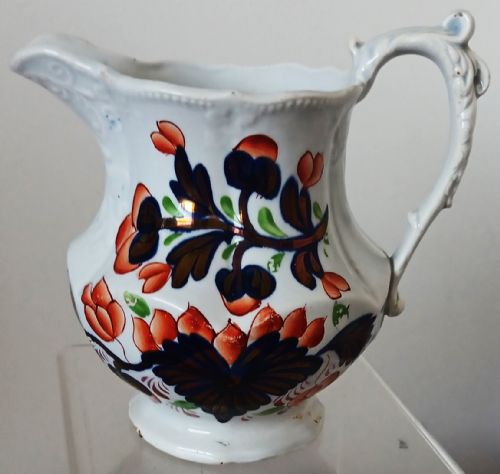
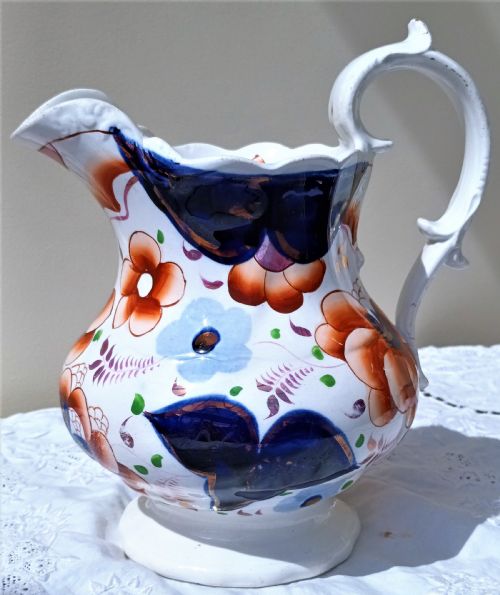
What is Gaudy Welsh pottery?
Gaudy Welsh refers to nineteenth-century earthenware featuring bold cobalt blue, copper lustre, and iron-red floral patterns.
These bright wares were made primarily for domestic use in Wales and border regions.
How should I clean my creamer?
Wash vintage ceramics gently by hand in warm water using mild soap.
Avoid abrasive sponges and dishwashers to protect delicate gilding, enamels, and historic glazes.