


Vintage Ceramic Covered Dish
A vintage ceramic covered dish brings utility and decorative form to the table, spanning nineteenth-century ironstone cheese domes to earthenware trinket boxes.
Vintage Ceramic Covered Dish
A vintage ceramic covered dish encompasses functional lidded vessels designed for the dining table, sideboard or dressing table, including large cheese domes, vegetable tureens, game pie dishes and smaller trinket boxes.
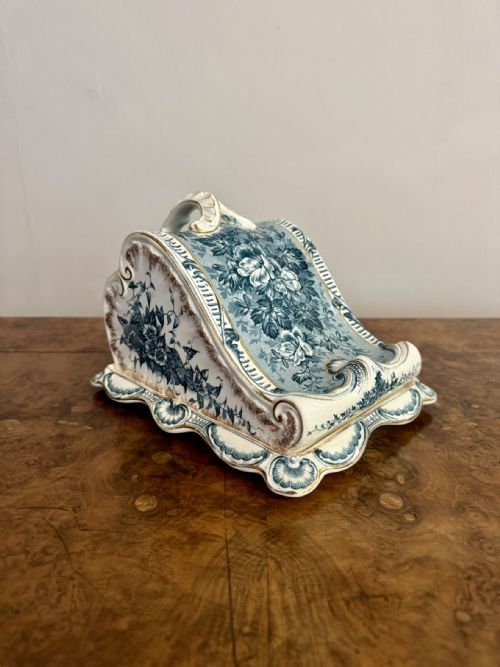
The selections recorded here lean heavily toward nineteenth-century English ironstone, majolica and blue and white transfer-printed earthenware, alongside French faience boxes and early twentieth-century examples.
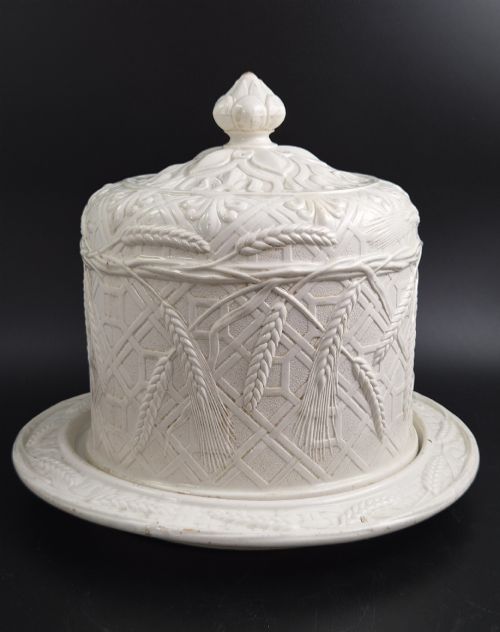
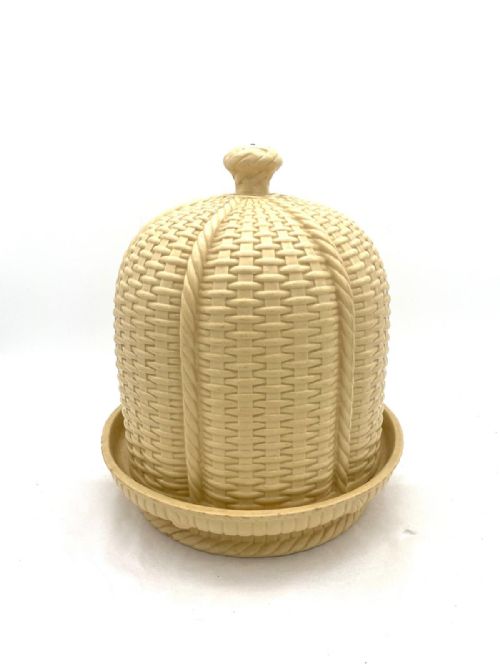
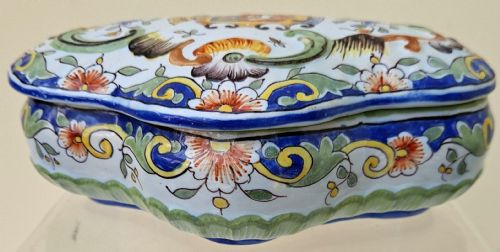
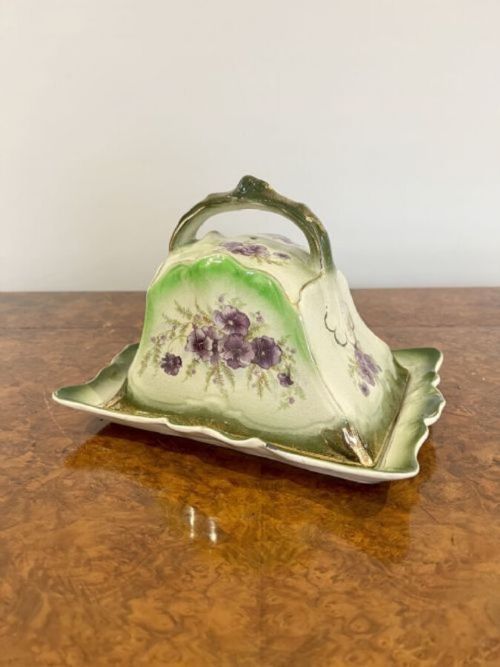
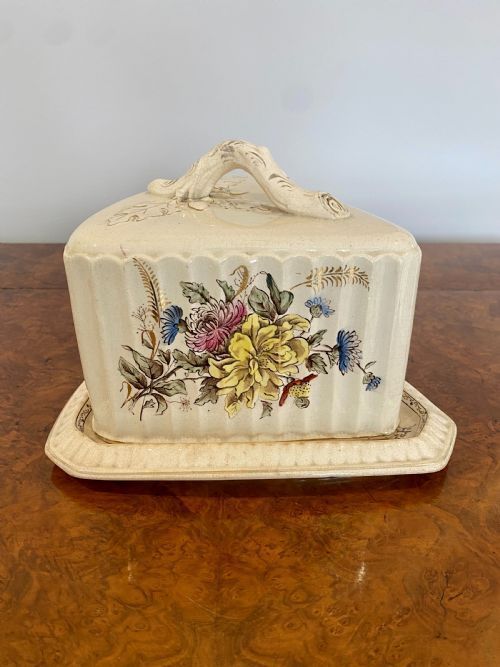
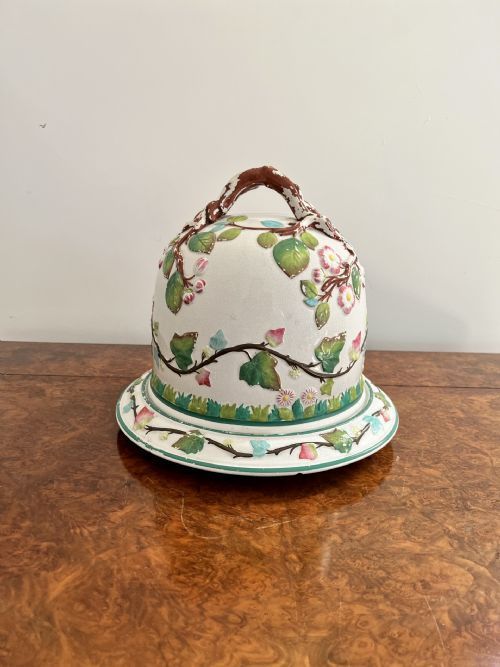
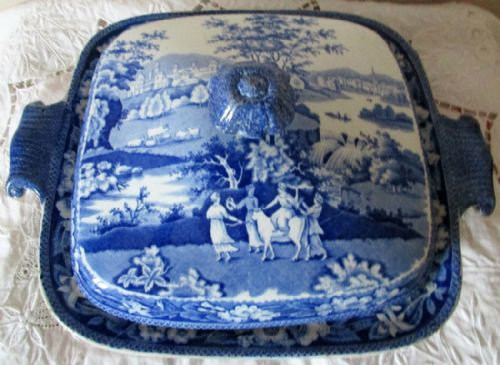
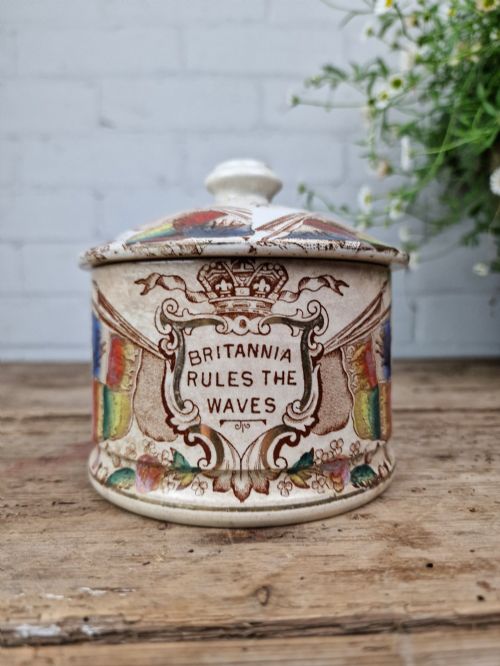
Buyers will encounter substantial cheese bells with matching stands, deep soup tureens complete with ladles, and decorative lidded boxes shaped as baskets or patterned with floral motifs.
Materials and production methods
Potters utilised durable earthenware, ironstone and porcelain, shaping bodies through moulding or throwing before applying lead or tin glazes to seal the porous clay.
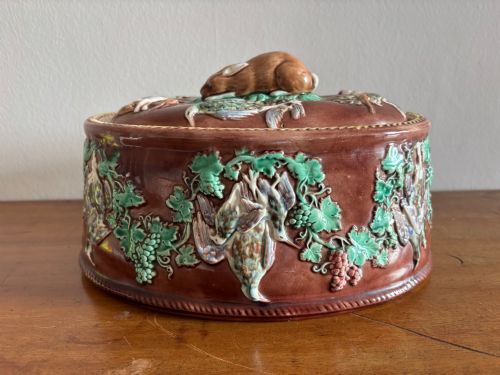
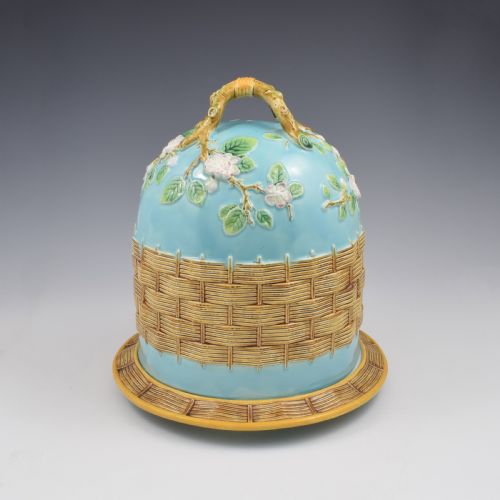
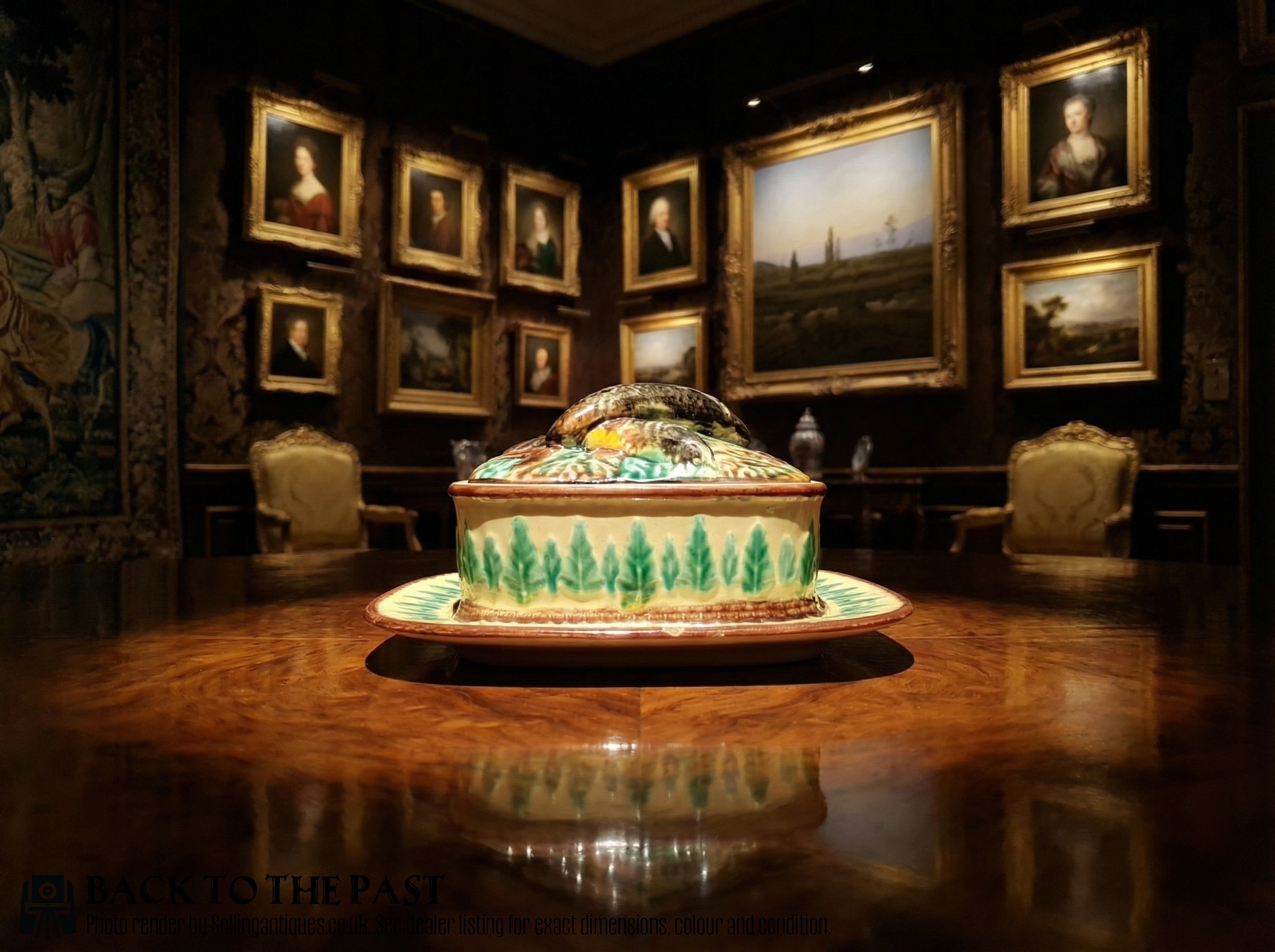
Decoration relied on hand-painted enamel colours, transfer printing in blue and white, or raised majolica relief moulding that highlighted botanical and animal themes such as apple blossoms and wheat.
Listings feature nineteen-century earthenware, ironstone and porcelain objects, including blue and white transfer-printed soup tureens and majolica cheese bells.
Distinctions in quality
Execution separates standard utility vessels from exhibition-grade pieces, seen in the crispness of moulded basketweave or wheat details and the precise registration of transfer-printed patterns.
The richness of the glaze and the subtlety of hand-applied enamel work dictate visual appeal, while the presence of a matching original stand or ladle elevates a piece significantly.
John and Richard Riley·Müller Volkstedt MV Co.·Copeland and Garrett
The Vintage Ceramic Covered Dish Glossary
- Cheese dome
- A large bell-shaped cover with a matching stand, designed to keep cheese fresh on the dining table. These pieces often feature prominent handles and raised decorative motifs.
- Majolica
- A type of earthenware covered with an opaque tin glaze and painted with brightly coloured metallic oxide enamels. This technique allows for rich, glossy surfaces and elaborate sculptural relief.
- Transfer printing
- A method of applying intricate monochrome or polychrome designs to ceramic bodies by transferring ink from an engraved copper plate onto tissue paper and then onto the fired clay.
- Ironstone
- A dense, vitreous type of earthenware patented in the nineteenth century for its exceptional durability and resistance to chipping. It served as a robust alternative to true porcelain.
- Faience
- European tin-glazed earthenware originating in France, characterised by a porous buff body covered in a white glaze that accepts painted decoration directly onto the surface.
Vintage Ceramic Covered Dish: Frequently Asked Questions
What was a cheese dome used for?
A cheese dome served to protect large cheeses from insects and drying out while resting on the dining table between meals. The heavy cover trapped moisture and aromas, while the matching stand caught crumbs.
Victorian households utilised these lidded vessels extensively during formal dinners and casual breakfasts alike. They allowed hosts to present dairy products attractively before cutting.
How do I care for a vintage lidded dish?
These ceramic pieces require gentle hand washing in lukewarm water using mild detergent to protect fragile glazes and historic surfaces. Dishwashers should be avoided entirely to prevent crazing.
Sudden temperature shifts can crack nineteenth-century earthenware and ironstone. Storing lids separately from bases prevents accidental chipping of the rims.
What is the difference between ironstone and porcelain?
Ironstone is a heavy, opaque earthenware developed for strength and everyday utility, featuring a dense white body covered in glaze. It absorbs less moisture than standard pottery but remains distinct from true porcelain.
Porcelain is vitrified, translucent and fired at much higher temperatures, producing a ringing sound when tapped. Ironstone offers a sturdier, heavier alternative suited to large tureens and heavy domes.
How can I date a transfer-printed tureen?
Dating relies on analysing the backstamps, ceramic body composition and the specific shade of blue used in the transfer print. Early nineteenth-century pieces often display blurred cobalt tones.
Stylistic cues such as floral borders, bamboo motifs or classical scenes also indicate specific production eras. Matching the registry marks to manufacturer archives provides precise timelines.