

Vintage Center Table
A vintage centre table anchors a room with distinctive period character, offering functional surface space rooted in craftsmanship from the nineteenth and twentieth centuries.
Vintage Center Table
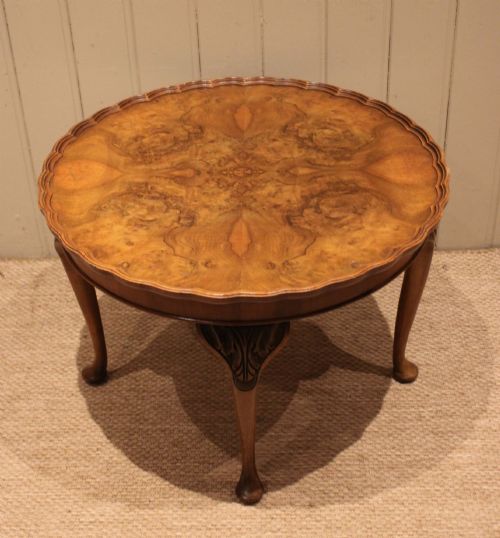
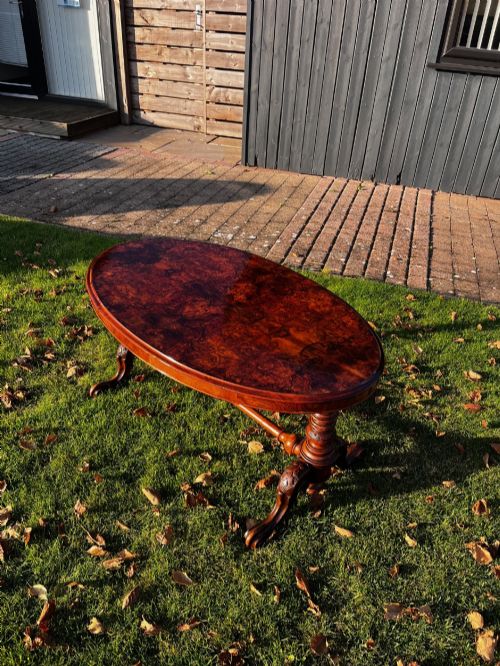
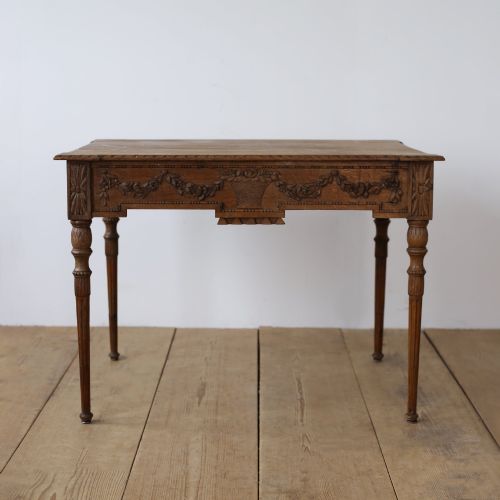
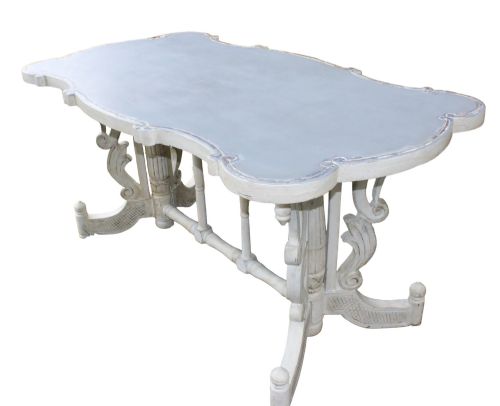
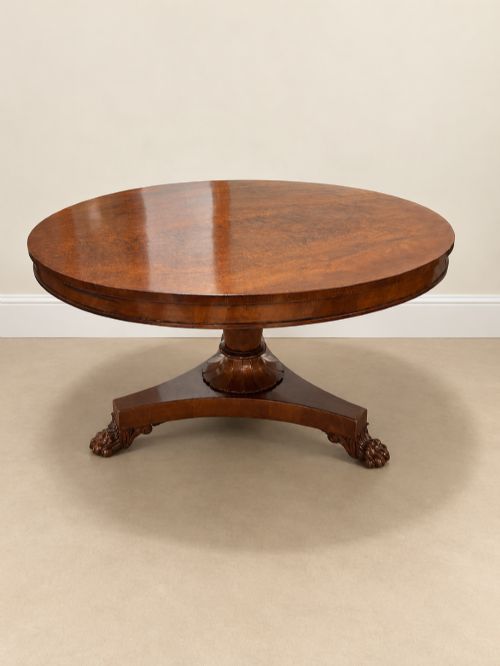
A vintage centre table encompasses diverse forms designed for domestic interiors, ranging from circular dining tables and occasional pieces to elaborate writing desks and low coffee tables. When exploring this selection, buyers encounter prominent nineteenth-century examples alongside Art Deco, Edwardian, and Victorian pieces.
Origins span British workshops, French salons, and Chinese export studios, demonstrating varied regional interpretations of classic furniture design. Freestanding lamp tables, gueridon tables, and rotary serving trays complete the domestic repertoire found in these listings.
Materials and Technique
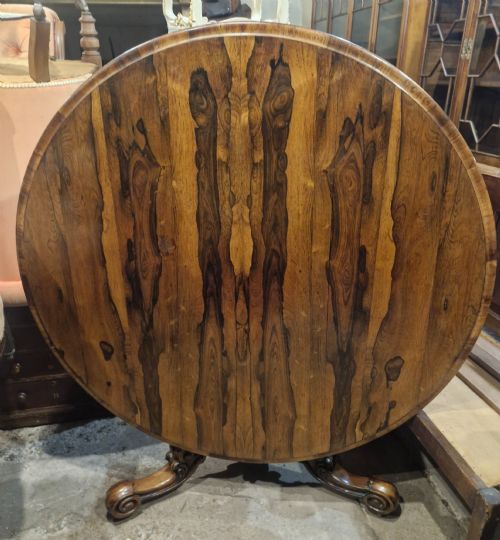
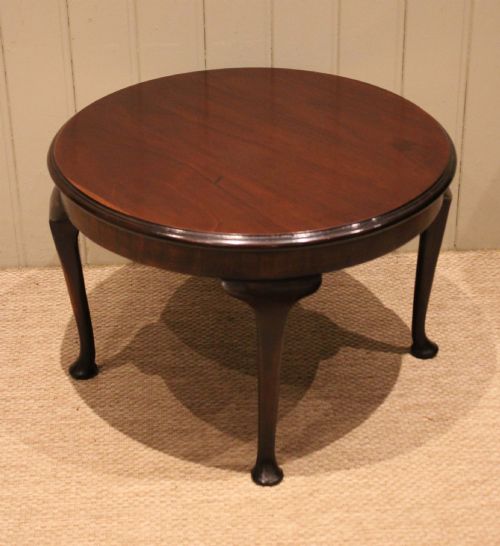
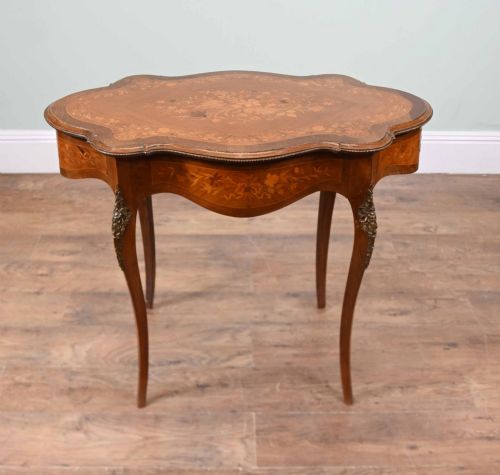
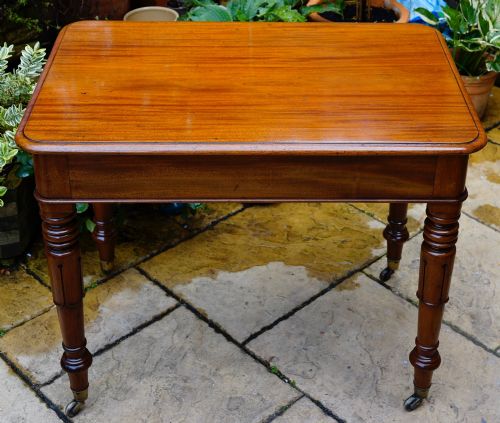
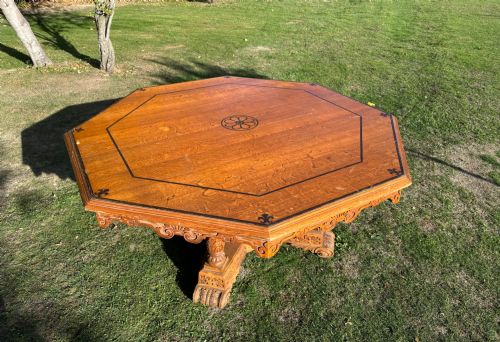
Cabinetmakers utilised dense hardwoods including mahogany, walnut, burr walnut, rosewood, kingwood, and oak as the foundational structure for these tables. Decorative surfaces frequently feature intricate marquetry, parquetry, and satinwood inlay.
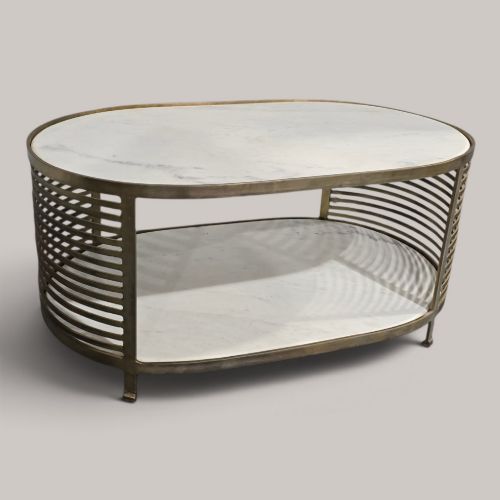
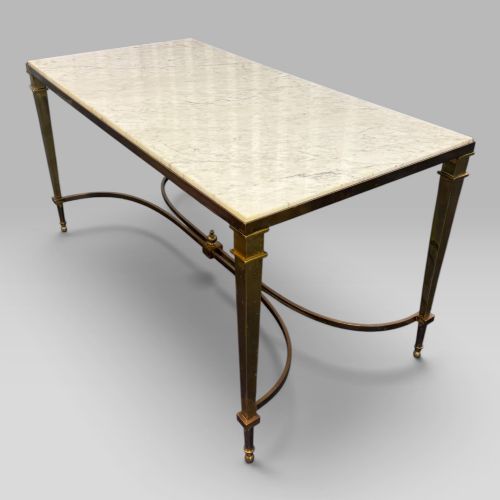
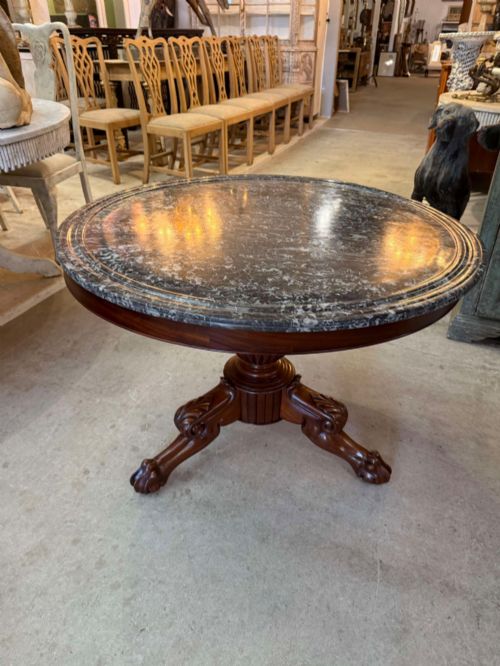
Metalwork and stone integrate into numerous designs, incorporating cast brass, ormolu, gilt bronze, wrought iron, and breccia marble tops. Joinery methods and hand-carved details reflect the specific stylistic movements of their respective periods.
Vintage Center Table Retail Price Guide 2026
Typical asking prices for vintage center table among the pieces listed under this phrase on Sellingantiques today, from the lower quarter to the upper quarter. They describe what is for sale here now, not the wider market.
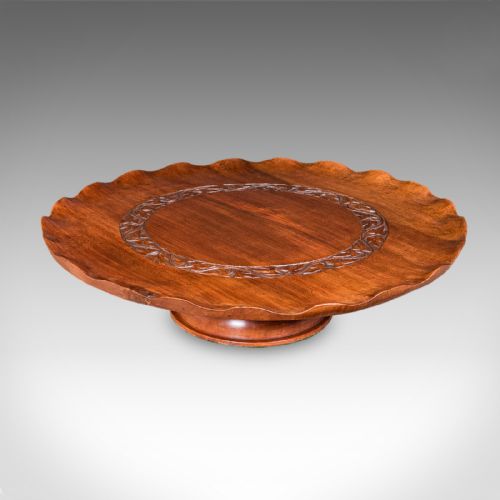
An Edwardian rotary serving tray brings lazy Susan mechanics to the vintage dining experience.
Markers of Excellence
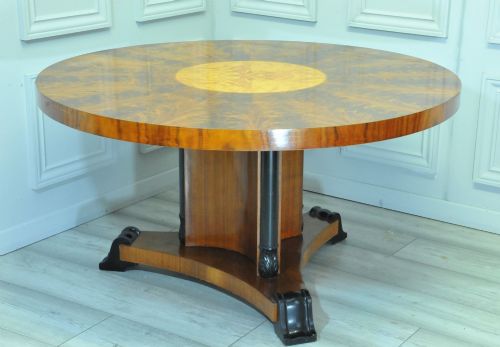
Superior execution shows in the precision of inlaid marquetry and parquetry, where diverse timber veneers align seamlessly across the surface. Selection of figured woods, such as burr walnut or satinwood, distinguishes standard utility pieces from high-status furniture.
The integration of secondary materials like ormolu mounts, original glass, and shaped marble tops elevates the overall standard. Structural stability combined with refined carving on legs and bases demonstrates superior workshop output.
G.T. Rackstraw·Maison Ramsay
The Vintage Center Table Glossary
- Marquetry
- Decorative veneer work forming pictorial or geometric patterns using various coloured woods. This technique adorns many Victorian and French revival tables.
- Ormolu
- Gilded bronze ornamentation applied to furniture mounts and details. It appears frequently on French nineteenth-century and revival pieces.
- Gueridon
- A small decorative French table, often round and supported by a central column or pillar. These tables function well as freestanding centre or lamp tables.
- Tilt top
- A tabletop mechanism allowing the surface to pivot to a vertical position when not in use. This practical feature appears on nineteenth-century walnut and mahogany examples.
- Parquetry
- Geometric mosaic woodwork used for patterned tabletops. It differs from marquetry through its strict reliance on angled geometric arrangements.
Vintage Center Table: Frequently Asked Questions
Where should a centre table go?
A vintage centre table fits naturally in the middle of a spacious room, serving as a focal point for conversation or display.
Alternatively, smaller variants function effectively as lamp tables or occasional surfaces beside seating areas.
How do I identify Victorian tables?
Victorian pieces often display rich walnut or mahogany timbers, frequently enhanced by intricate marquetry inlay and tilt-top mechanisms.
Their substantial construction reflects the heavy furniture design standards of the nineteenth century.
What is an Art Deco table?
Art Deco tables typically date from the early twentieth century, showcasing streamlined geometric forms and smooth walnut surfaces.
They often incorporate contrasting materials like wrought iron, brass, and original glass.
Can these tables be used daily?
Solid hardwood construction makes these tables durable enough for regular daily use in modern homes.
Routine care keeps polished wooden surfaces and inlaid details protected from daily wear.