
Vintage Cast Iron Table
These vintage cast iron table examples bring robust industrial utility and garden charm into modern spaces.
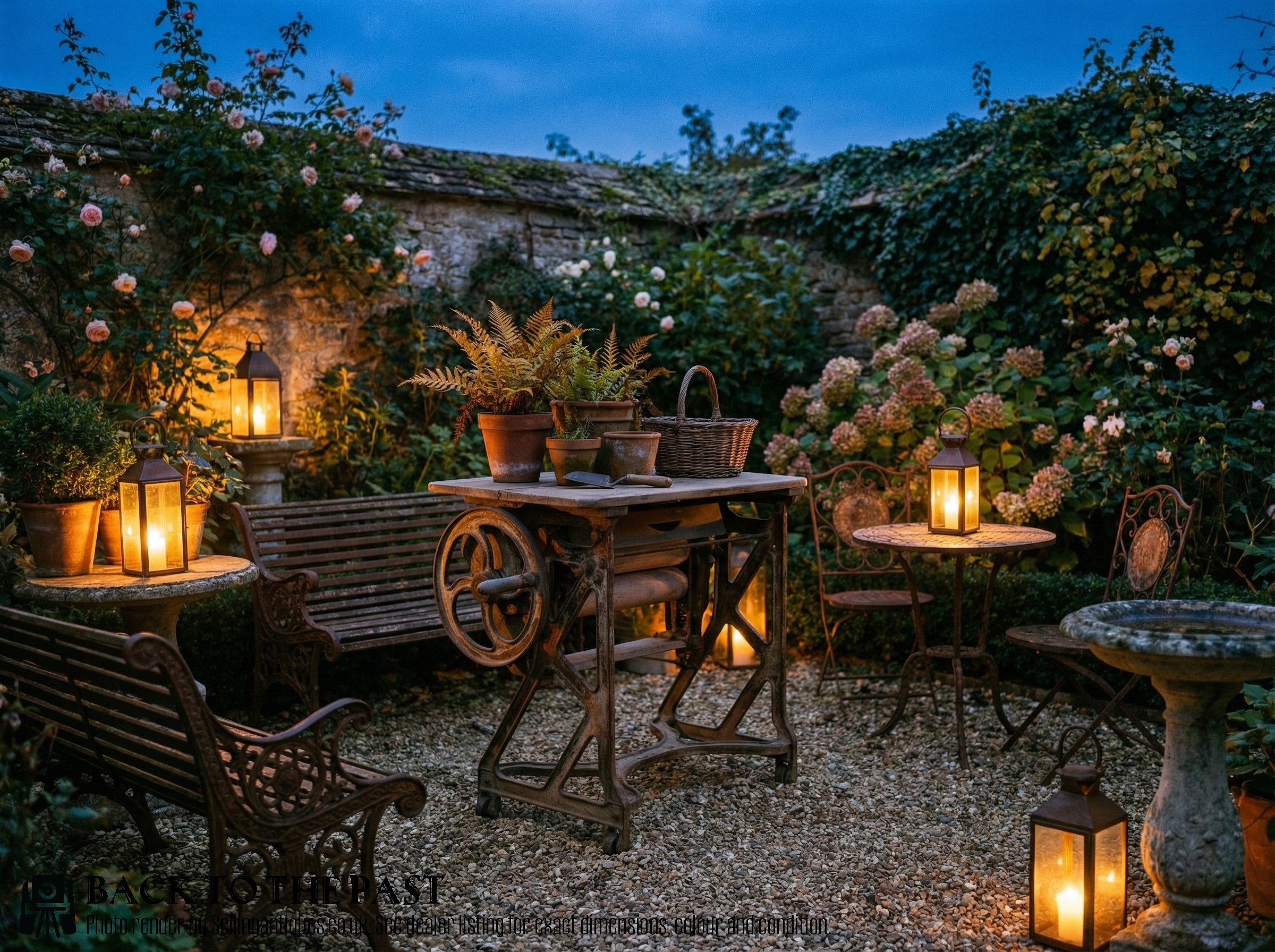
What a vintage cast iron table is
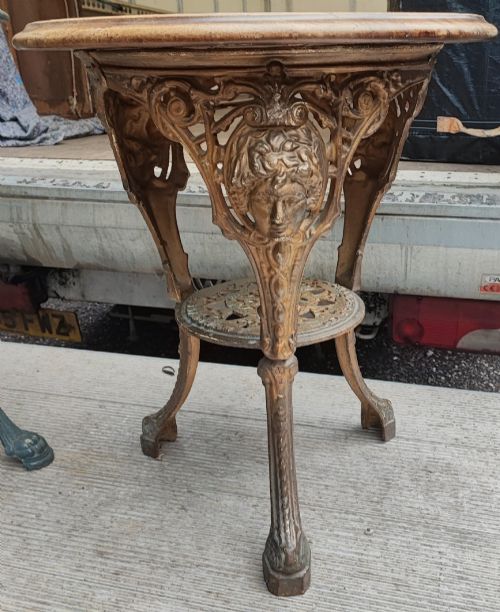
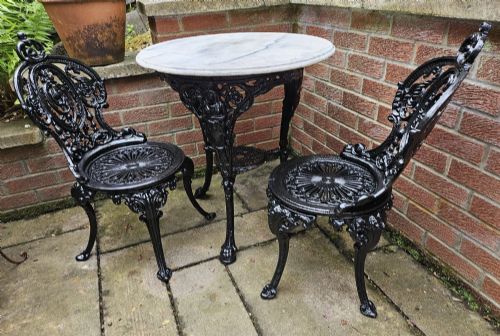
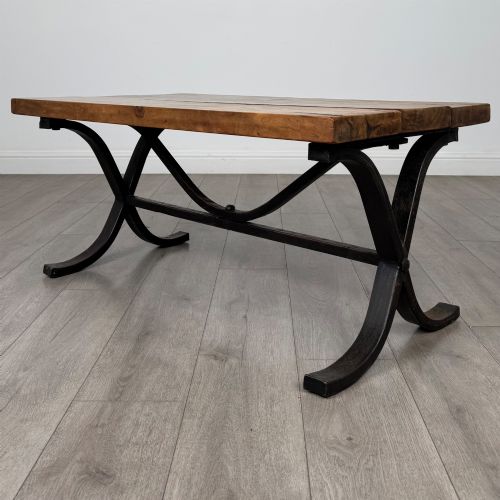
When you search for a vintage cast iron table, you are looking at resilient domestic and industrial furnishings built to endure. The evidence shows pieces spanning the 19th Century and the Victorian period, originating from both British and French workshops. These items combine heavy metal framing with wooden or copper surfaces, designed for practical hard work before finding favour in homes and gardens.
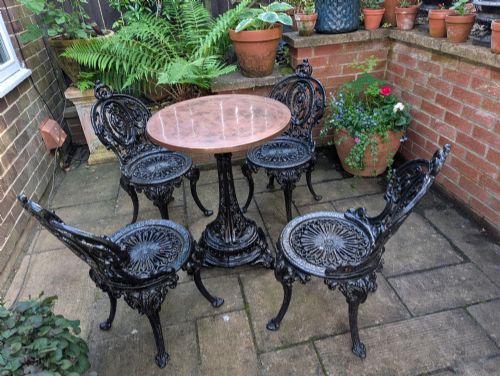
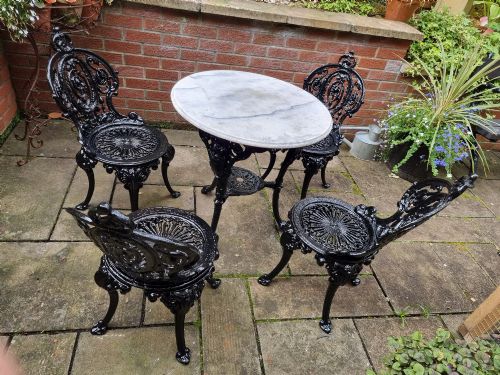
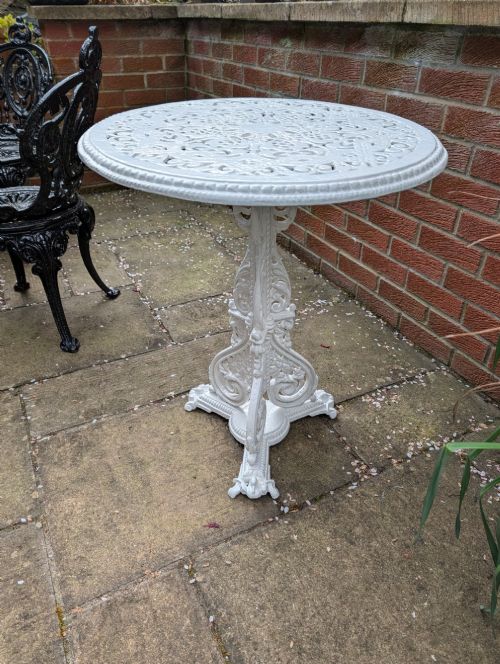
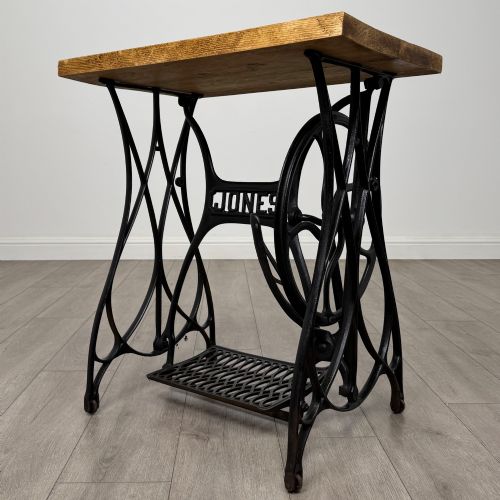
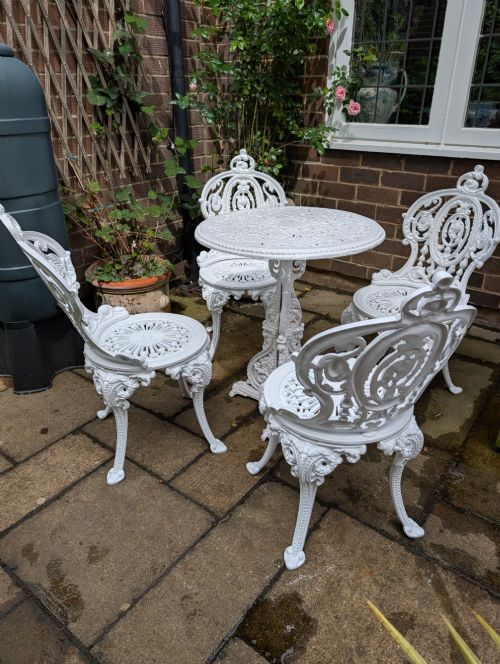
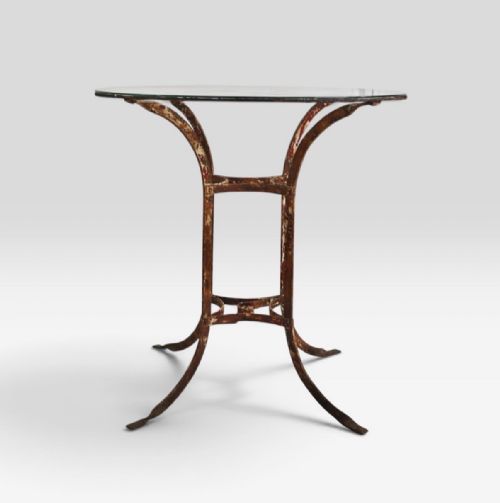
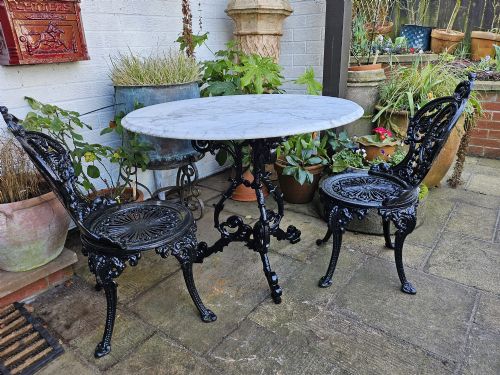
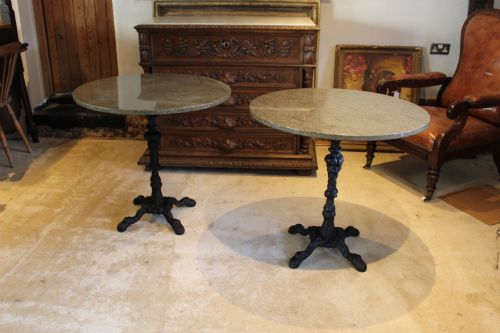
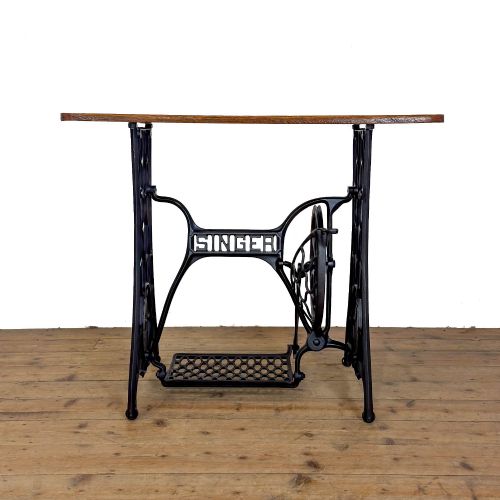
The versions you are most likely to meet on this page include garden tables, bistro tables, and console tables. Some incorporate clever mechanical adjustments, such as sewing machine bases and mangle mechanisms, repurposed for everyday use. Others arrive paired with chairs or feature distinct styling like Victorian industrial and French country aesthetics.
Materials recorded in the listings extend beyond plain metal to include pine tops, mahogany surfaces, and copper tops, sometimes finished with remnants of old paint. Whether intended for a pub, a bedroom, or a patio, each object carries the marks of heavy utility and robust Victorian engineering.
How they were made
Carpenters and joiners then fitted these durable metal bases with wooden tops made from pine or mahogany, secured to handle daily weight and movement. Copper tops also appear, providing a contrasting metallic surface hammered or fitted over a wooden substrate. Surviving examples frequently retain traces of early paint on the iron components, applied to protect the metal from rust.
Retail Price Guide 2026
Typical UK retail prices for vintage cast iron table, calculated from the Sellingantiques database of over a million retail prices indexed since 2003. This retail price guide relies exclusively on Sellingantiques data; no external sources or auction records are used, so the figures do not describe the wider market.
The listings combine 19th Century and Victorian periods with materials including cast iron, wood, paint, pine, mahogany, and copper.
What varies in quality
The distinction between standard utility items and exceptional examples lies in the sophistication of the casting and the integrity of the design. Pieces bearing attributed designs, such as the Christopher Dresser style, demonstrate superior artistic ambition in their ironwork compared to basic utilitarian frames. Finer definition in the mouldings and more complex mechanical components elevate the overall character of the piece.
Material pairing also influences the standing of a table, with rich timbers like mahogany or bespoke metal surfaces like copper distinguishing finer furniture from simple pine-topped work tables. The harmony between the original industrial base and its fitted top determines how successfully the piece bridges its working past and domestic present.
The Vintage Cast Iron Table Glossary
- Cast iron
- A strong, hard alloy of iron and carbon poured into moulds to create intricate or heavy structural shapes. It forms the indestructible foundation of every piece listed here.
- Bistro table
- A small café or garden table, typically featuring a single central pedestal or three-legged metal base. These are designed for compact spaces and frequent outdoor or indoor dining.
- Console table
- A long, narrow table often placed against a wall, sometimes adapted from industrial machinery or adjustable furniture frames. They provide functional surface space without occupying deep floor areas.
- Mangle
- A laundry machine featuring heavy rollers once used to squeeze water from wet clothing. Their sturdy iron frames are frequently salvaged and repurposed as garden tables.
- Mahogany
- A durable, reddish-brown tropical hardwood prized for fine cabinet making. Its appearance on side tables denotes a higher tier of domestic craftsmanship.
Frequently Asked Questions
What is a vintage cast iron table?
These pieces are heavy, durable furnishings built during the 19th Century and the Victorian period using metal frames combined with wooden or copper tops. They originate from utilitarian, industrial, or garden contexts.
Over time, robust items like sewing machine bases, pub tables, and garden furniture transitioned from practical workspaces into decorative and functional items for modern homes.
How do I identify a Victorian table?
Victorian examples are identified through period-specific manufacturing techniques, heavy cast iron components, and typical design motifs like ornate scrollwork or industrial mechanisms. Evidence shows styles ranging from French country to Victorian industrial.
Examining the construction of the metal base and the type of timber used on the surface helps place the object firmly in the nineteenth century.
Can I use these tables outside?
Many of these pieces were originally built for outdoor or commercial use, specifically garden tables and bistro sets designed to withstand the elements. Cast iron handles weather well, though wooden tops require appropriate care.
Checking whether the specific top material is treated timber or copper helps determine the best placement for patio or garden longevity.
What woods are used on the tops?
Surviving listings record pine and mahogany fitted to the cast iron bases, alongside alternative surfaces like copper tops. Pine offers a rustic utility aesthetic, while mahogany provides a darker, finer finish.
These materials reflect the dual nature of the pieces, transitioning from utilitarian workshop boards to polished domestic surfaces.