
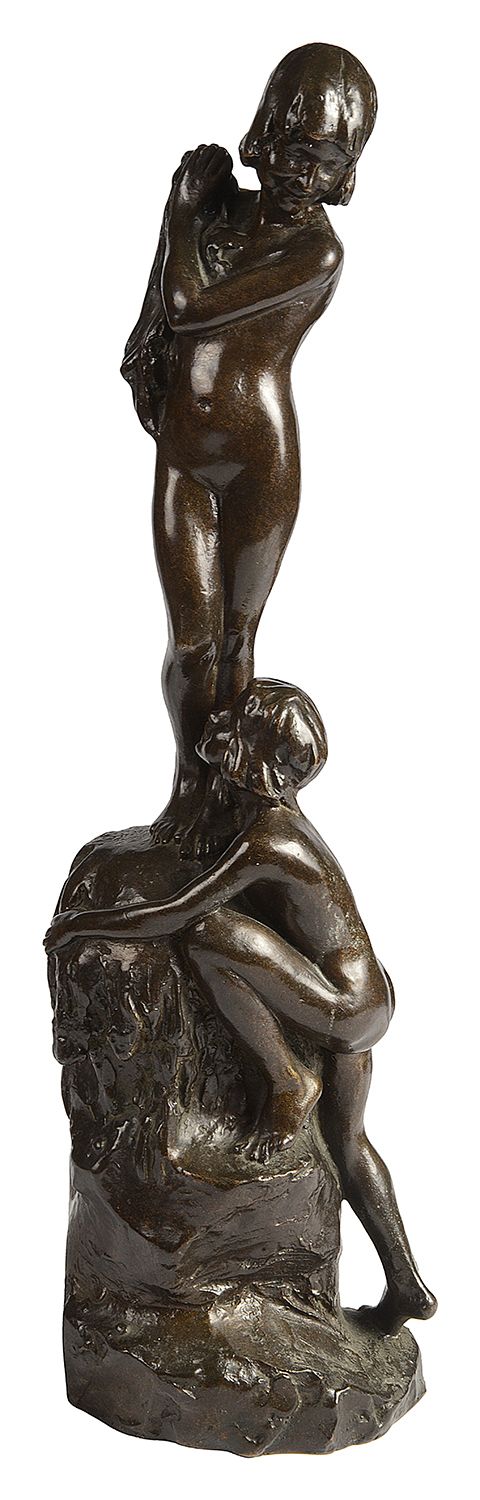
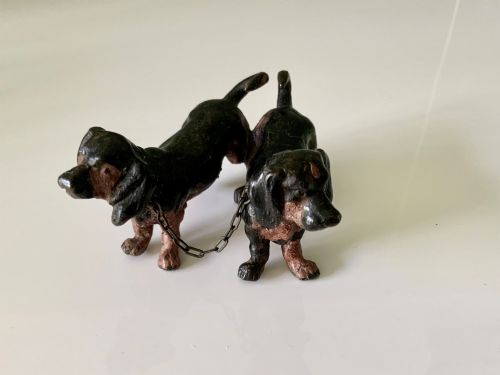
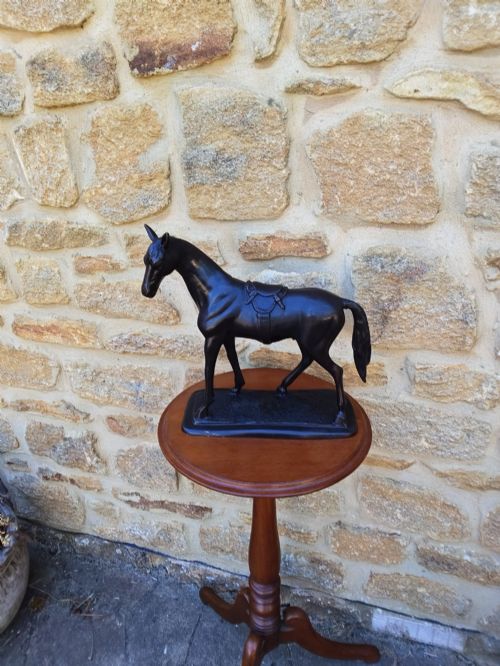
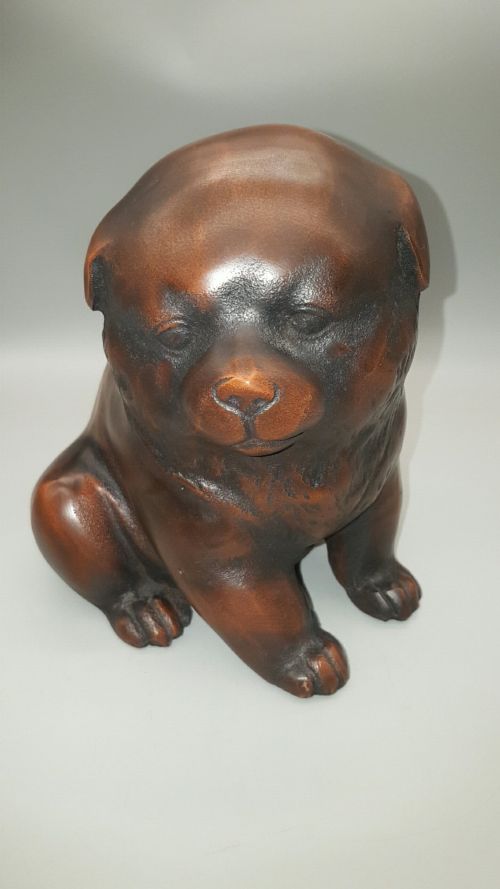
Vintage Cast Bronze Figurine
A vintage cast bronze figurine brings tangible weight and animal or human character to a desk or mantelpiece.
Vintage Cast Bronze Figurine
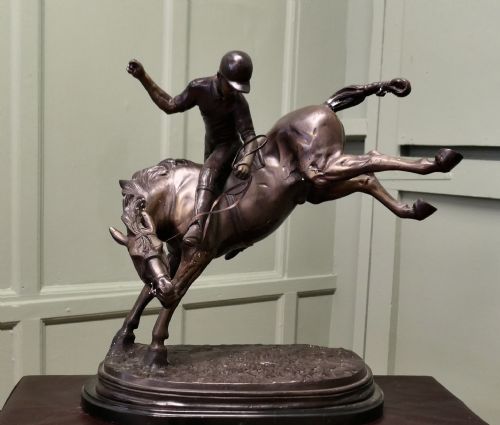
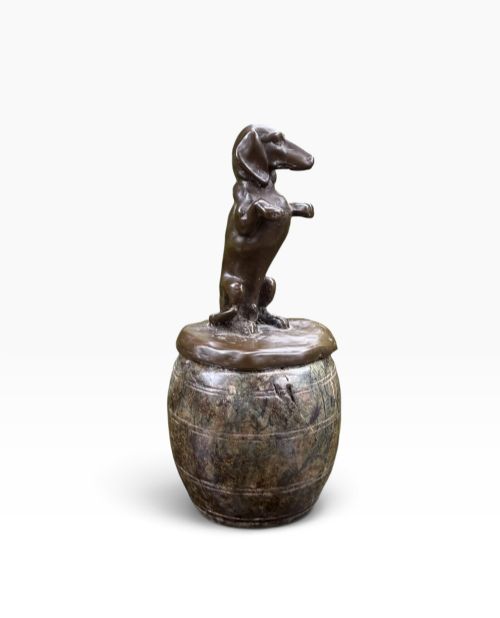
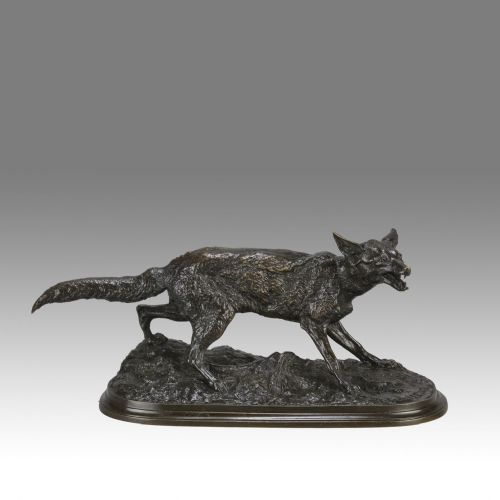
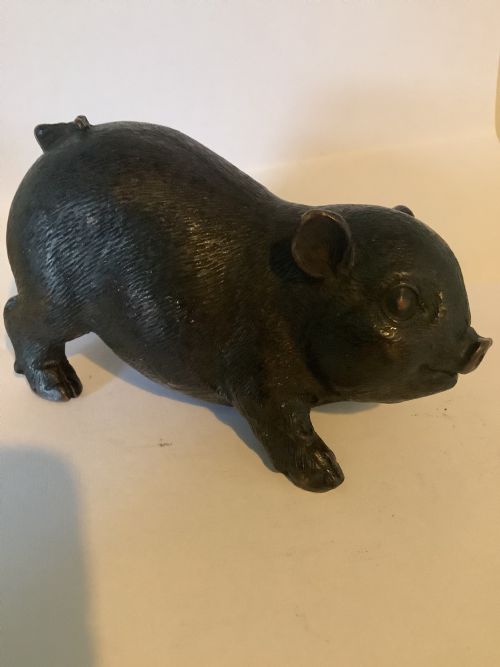
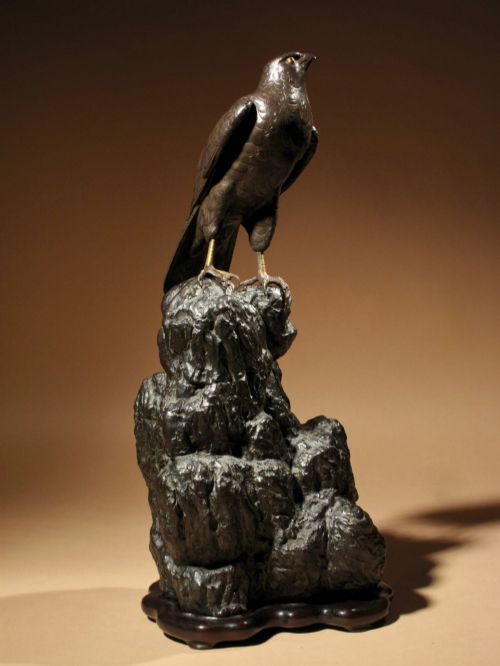
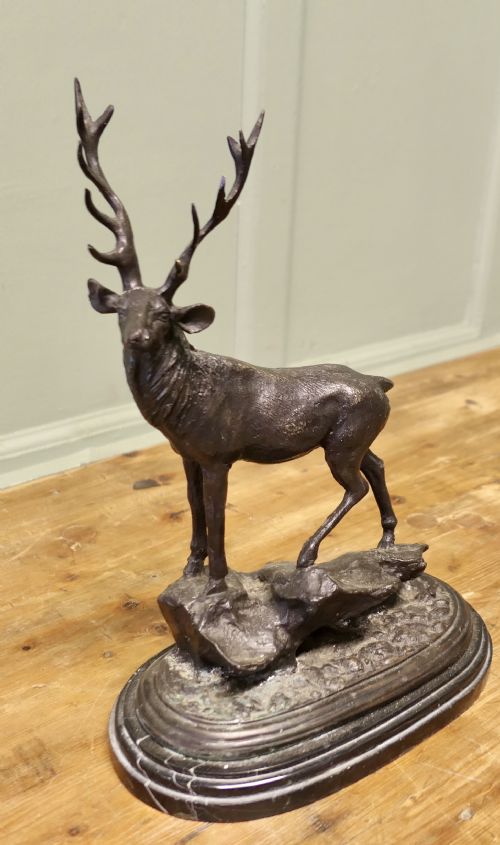
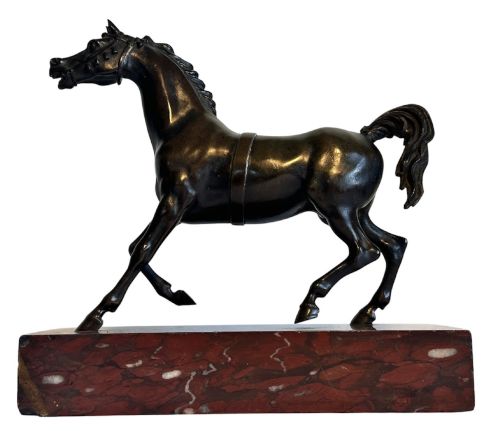
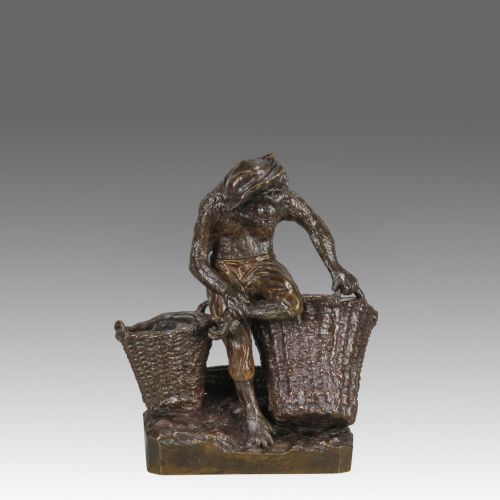
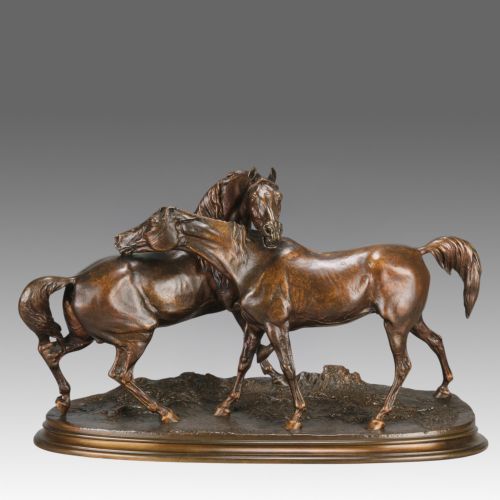
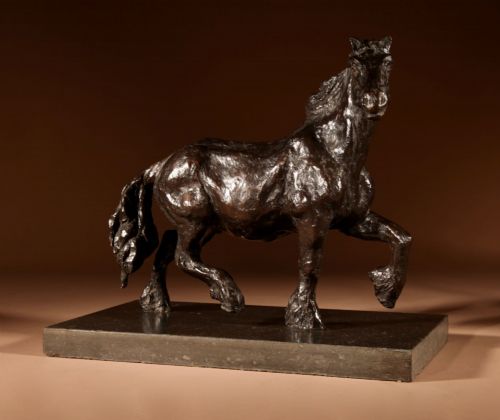
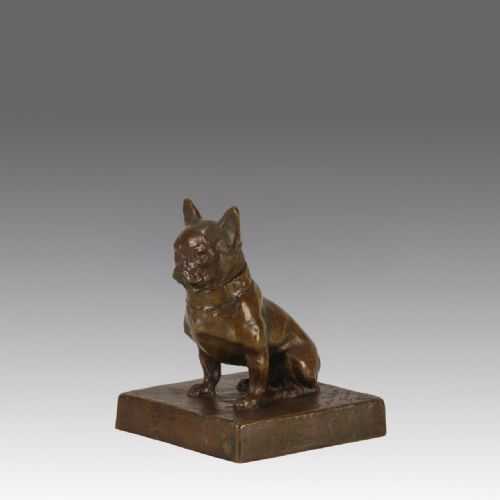
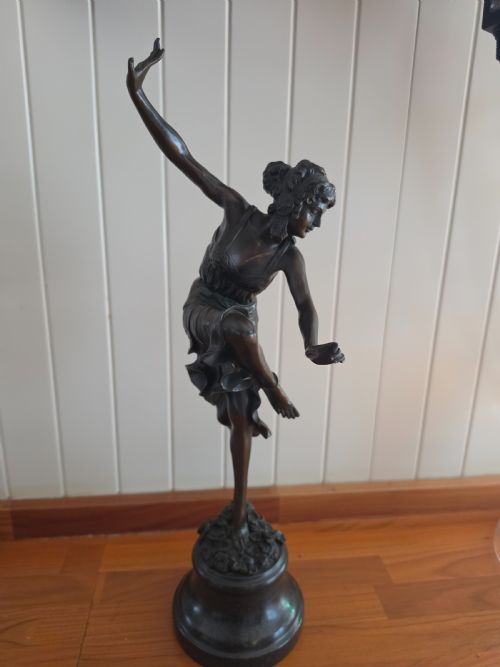
When you search for a vintage cast bronze figurine, you encounter sculptural works spanning the Victorian era through the early twentieth century. Animalier studies of dogs, horses, and wild creatures dominate the selection alongside human figures and decorative bookends.
Many examples emerge from French and Viennese workshops, capturing movement in realistic poses or playful stances. Figures frequently incorporate materials such as marble plinths or painted surfaces to complement the metal structure.
How they were made
The objects are produced through traditional casting methods, often utilising bronze or cast iron with patinated, cold-painted, or metallic finishes. Artisans shape molten metal into detailed moulds before applying surface treatments to define texture and colour.
Some pieces mount directly onto stone bases like marble or incorporate wood and paint components. Signatures and foundry stamps frequently appear inscribed or stamped into the metal surface.
A tiny bronze mouse carries an official registration stamp.
What varies in quality
The definition of the chasing and the crispness of surface detail separate standard castings from superior works. Fine examples retain sharp musculature and fur texture without soft edges.
The depth and preservation of the original patina or cold-painted colours significantly impact the visual presence of the piece. Integrated bases of veined marble also contribute to the structural substance of the object.
P J Mêne·Christophe Fratin·Franz Bergman·Antoine L Barye
The Vintage Cast Bronze Figurine Glossary
- Animalier
- A nineteenth-century artistic genre dedicated to the realistic portrayal of animals. Sculptors in this tradition focused closely on anatomical accuracy.
- Cold-painted bronze
- A technique where polychrome oil paint is applied to a bronze casting without heat firing. This method creates colourful details on small figures.
- Patina
- A surface coloration resulting from chemical treatment or natural oxidation over time. It enhances the visual depth of the metal.
- Plinth
- A heavy base supporting a sculpture, often formed from polished marble or stone. It provides stability and visual elevation.
Vintage Cast Bronze Figurine: Frequently Asked Questions
How do I clean a bronze figurine?
Dust the surface gently with a soft dry brush to remove particles without disturbing the underlying patina.
Avoid liquid cleaners or abrasive cloths that can strip away the historical finish.
What is cold-painted bronze?
This process involves applying natural paint layers to a cast bronze object without subsequent kiln firing.
Such pieces require careful handling to preserve the delicate coloured pigments.
Are these figures solid bronze?
Most pieces are cast using the traditional lost-wax method, resulting in solid metal construction.
Some larger or functional items may incorporate internal supports or companion weights.
Why do some figures sit on marble bases?
Makers added heavy stone plinths to provide structural balance for dynamic or top-heavy animal sculptures.
This pairing became particularly common during the nineteenth and early twentieth centuries.