
Vintage Carved Wooden Stool
A vintage carved wooden stool brings tactile warmth to a room, offering both everyday utility and distinct period character.
Vintage Carved Wooden Stool
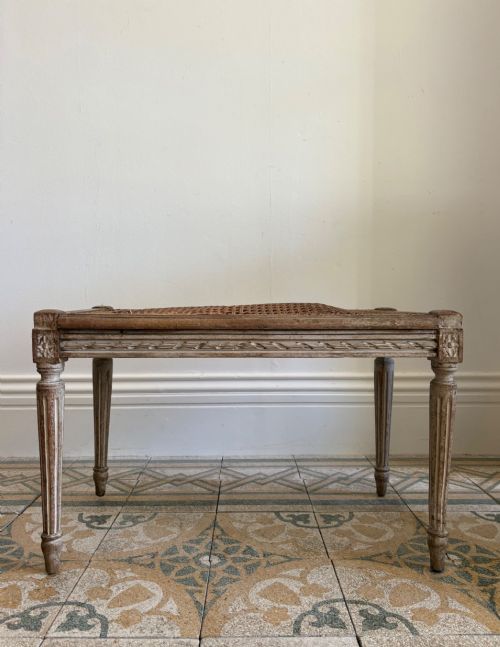
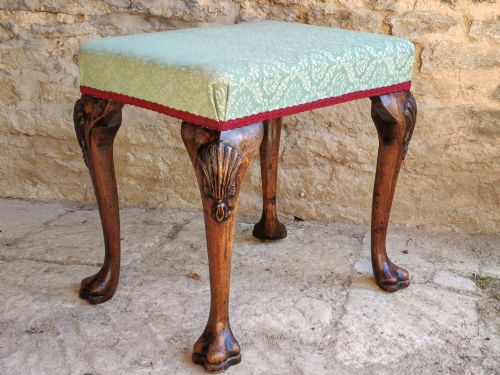
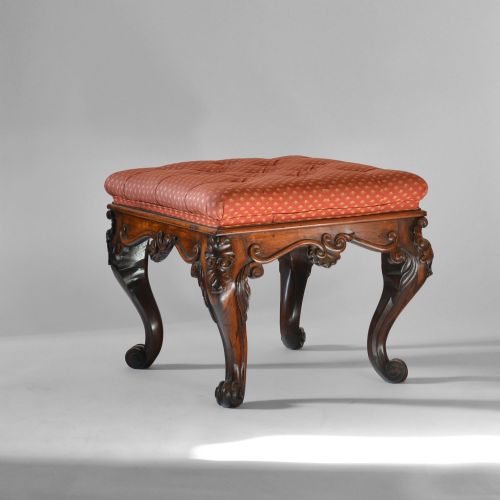
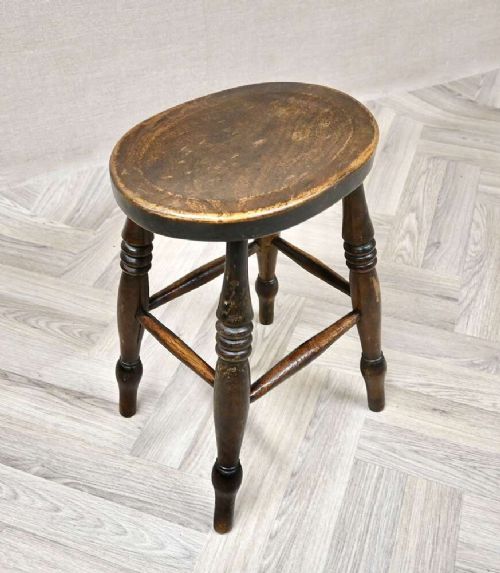
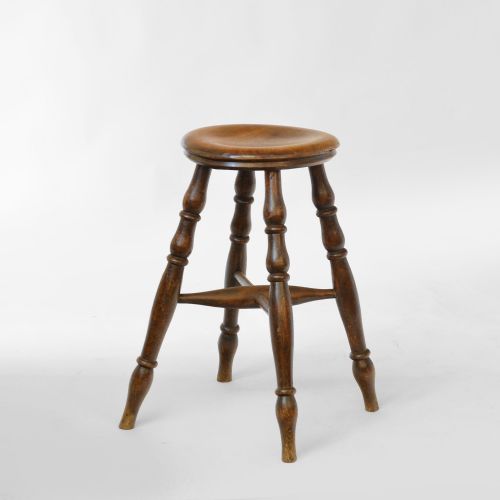
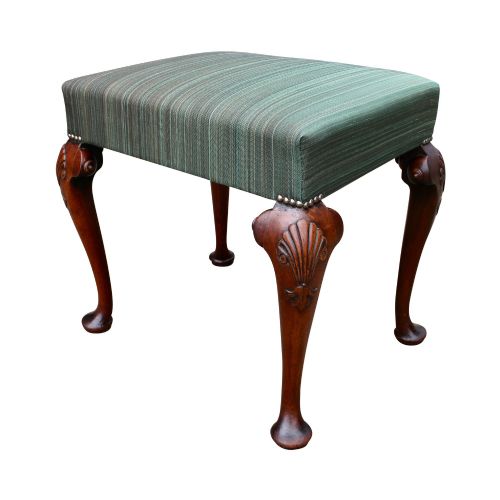
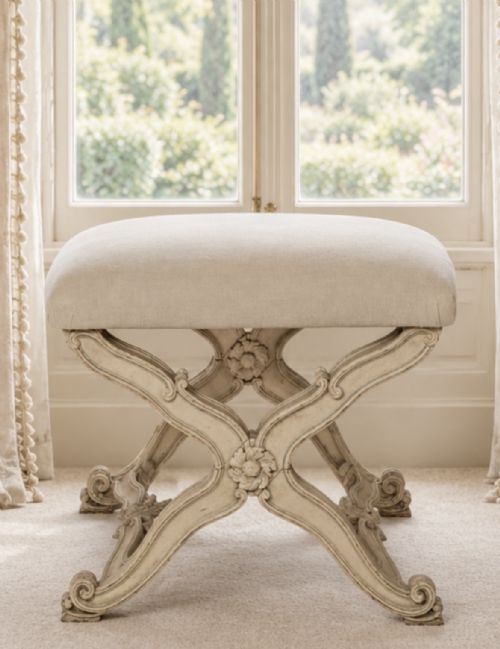
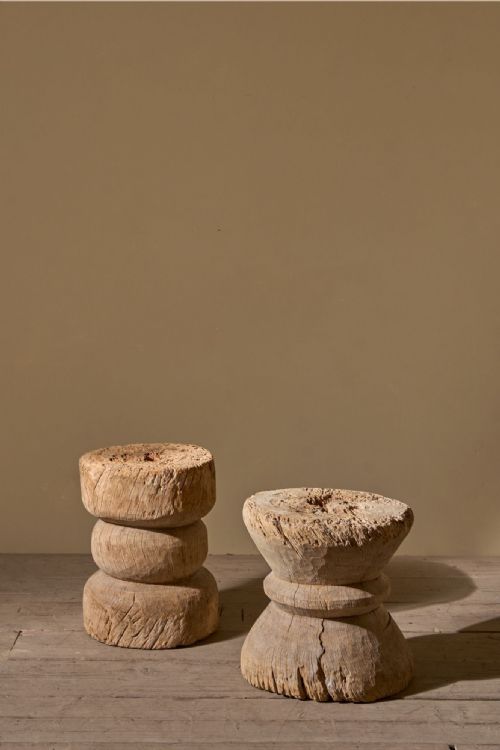
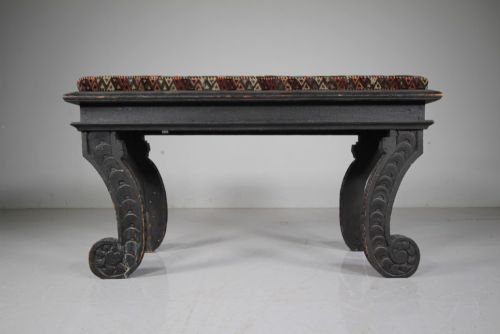
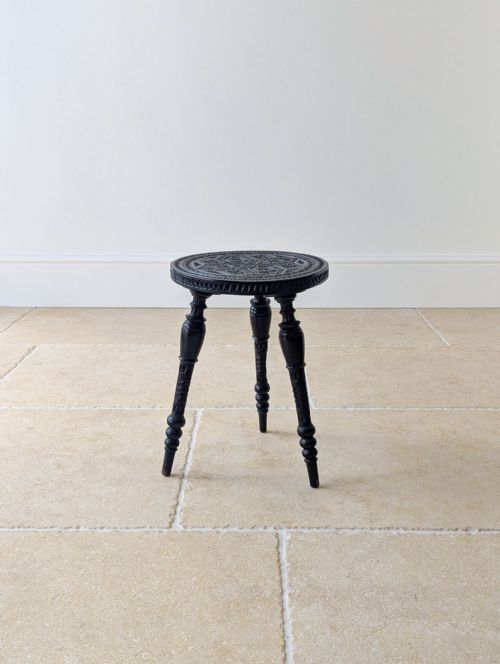
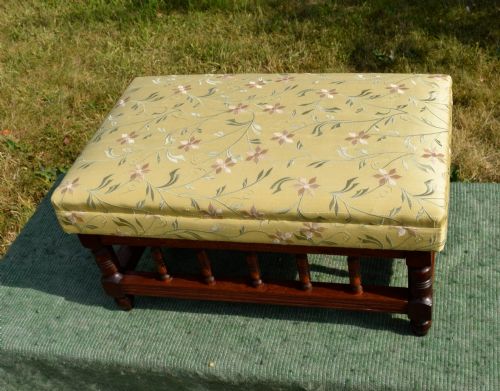
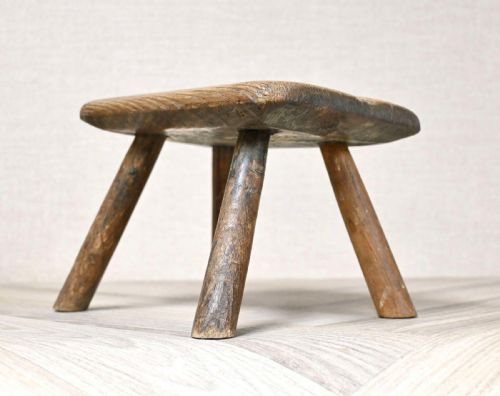
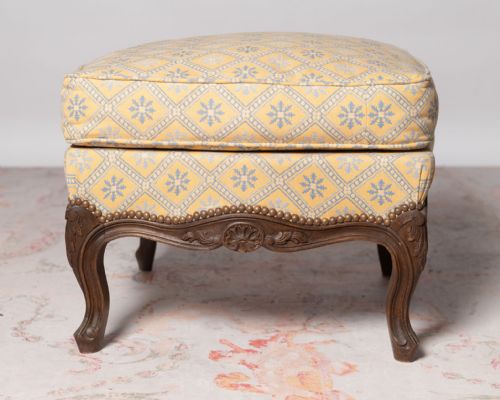
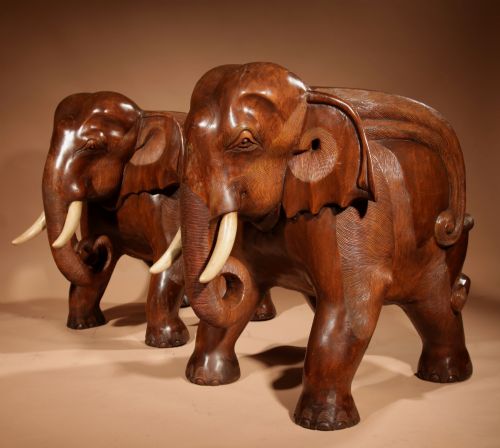
A vintage carved wooden stool is a versatile low seat or small support piece, often found in rustic, vernacular, or revival styles. When searching for a vintage carved wooden stool, buyers encounter formats ranging from simple three-legged milking stools to elaborate walnut and rosewood footstools with cabriole legs.
The pieces listed here span the eighteenth through the early twentieth centuries, taking in Victorian country examples, French styles, and Arts and Crafts designs. Oak, mahogany, walnut, and pine form the backbone of these offerings, frequently accompanied by fabric upholstery or needlework tops.
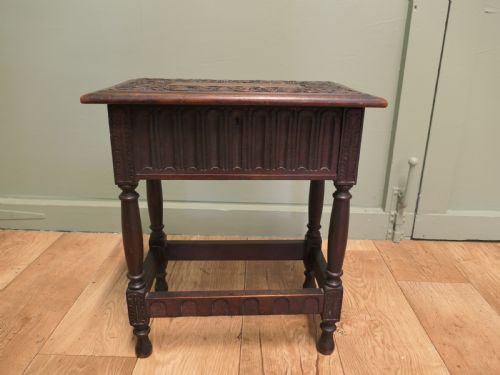
Buyers are most likely to meet nineteenth-century country items, such as joint stools and tavern seats, alongside early twentieth-century decorative pieces. These items serve flexibly as footstools, low side tables, or occasional seats in traditional and modern interiors alike.
Construction and Materials
Cabinetmakers and rural artisans utilised solid hardwoods including oak, walnut, mahogany, elm, and sycamore to build these seats. Dense timbers provided the structural integrity required for joint stools and heavy tavern furniture, while softer pine served for painted window seats and vernacular forms.
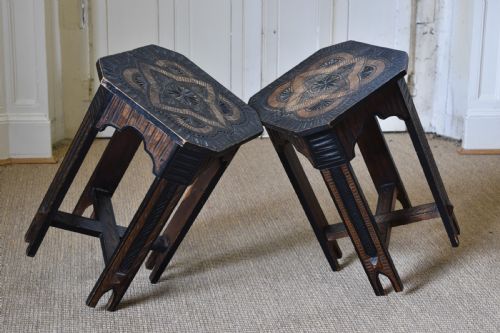
Surface ornament relied on hand techniques such as chip carving, turning on a lathe to create bobbin legs, and detailed structural shaping like cabriole supports. Joinery varied from traditional pegged mortise and tenon joints in early oak pieces to simpler turned construction in later domestic examples.
Listings feature oak, walnut, mahogany, elm, and pine across periods spanning the eighteenth through the early twentieth centuries.
Factors That Distinguish Quality
The distinction between ordinary and superior pieces rests upon the crispness of the hand carving and the selection of timber. Dense, well-figured walnut or quarter-sawn oak displays a richer grain and holds sharper detail in chip-carved decoration than softer or more plain woods.
Structural honesty and the preservation of original surfaces also define the upper tier. Pieces retaining their early patination and sound, uncompromised joinery stand apart from those with excessive replacements or overly stripped finishes.
The Vintage Carved Wooden Stool Glossary
- Joint Stool
- A sturdy wooden seat constructed with mortise and tenon joints pegged together rather than glued. These early domestic items often served multiple household purposes.
- Cabriole Leg
- A furniture leg that curves outward in a convex arc and then bends inward in a concave arc, terminating in a foot. This form draws inspiration from animal limbs.
- Chip Carving
- A style of relief carving where small chips are removed from a single piece of wood with gouges and knives. It creates geometric patterns on box surfaces and panels.
- Bobbin Turning
- A method of woodturning that produces a series of rounded, spherical shapes resembling bobbins along the length of a leg or stretcher. It appears frequently on seventeenth-century revival furniture.
- Vernacular
- Everyday objects made by local craftspeople for practical use rather than following high-style academic designs. These pieces rely on regional materials and traditional local methods.
Vintage Carved Wooden Stool: Frequently Asked Questions
How were wooden stools used historically?
These low seats provided practical perches near hearths, in taverns, or at milking sheds where movable seating was essential. Their compact size allowed them to be tucked under tables or moved about a room with ease.
Over time, many formats evolved into decorative footstools or impromptu display surfaces for books and plants. Their straightforward utility made them staples in both modest rural cottages and formal period drawing rooms.
How do I date a wooden stool?
Dating relies on examining the timber species, tool marks, and assembly methods used in the frame. Hand-sawn boards, pegged joints, and heavy native hardwoods usually point towards earlier vernacular or Georgian origins.
Later Victorian and twentieth-century examples often incorporate machine-cut elements, softer secondary woods, or revival styling such as Jacobean turning. Upholstery webbing and stuffing materials also provide clues to a piece's age and history of repair.
Can I use an antique stool every day?
Most solid hardwood stools possess robust construction that easily accommodates daily sitting or resting feet. Checking the stability of the legs and joints ensures the piece remains safe for routine domestic use.
Softer pine or delicate carved surfaces benefit from gentle placement and careful weight distribution. Placing felt pads under the feet helps protect both the antique timber and modern flooring.
What is a joint stool?
A joint stool is an early form of domestic seating joined by pegged mortise and tenon framing rather than simple nails. Their heavy rectangular tops and sturdy underframes made them exceptionally stable for heavy household tasks.
Beyond sitting, families used them as small side tables or even as platforms for coffins during wakes. Their utilitarian strength explains why many examples survive in good condition today.