
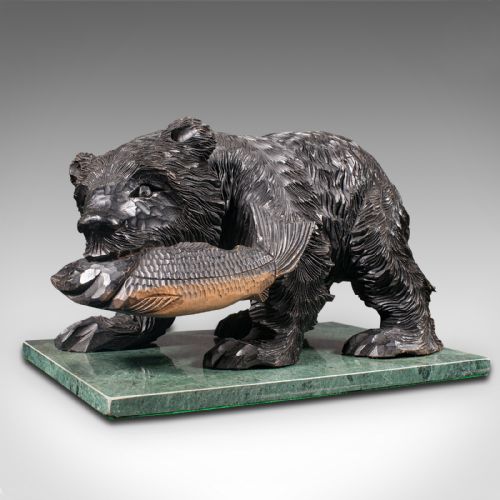
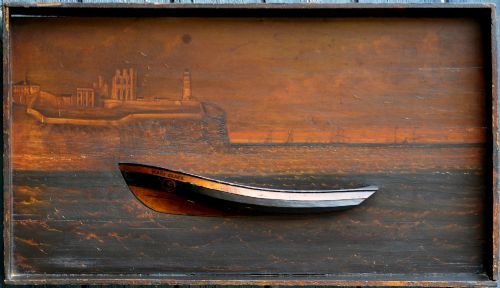
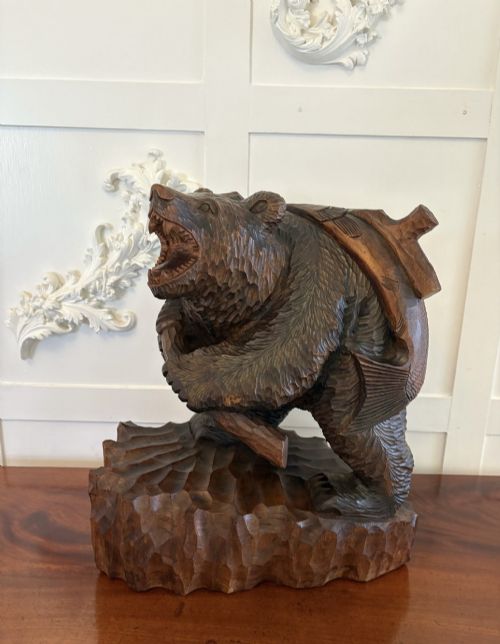
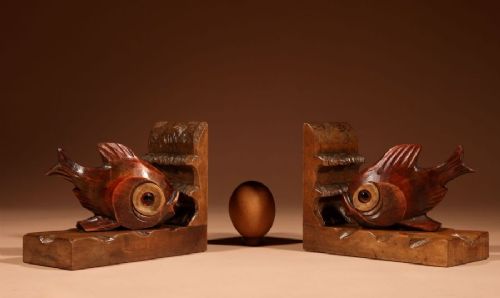




Vintage Carved Wooden Fish
These vintage carved wooden fish are tactile folk art objects and display pieces that bring character and a distinct maritime or natural history aesthetic to a room.
Vintage Carved Wooden Fish
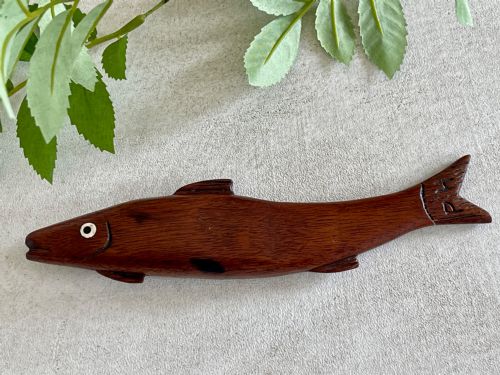
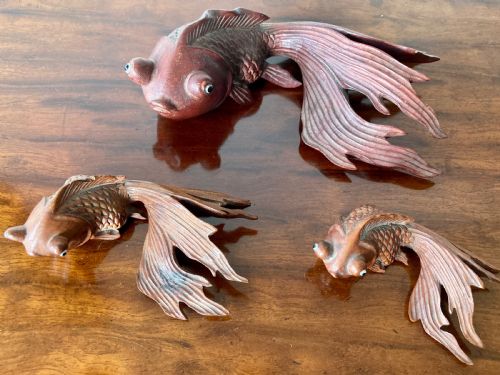
When you search for vintage carved wooden fish, you encounter a variety of sculptural forms spanning the nineteenth century through the mid twentieth century. The selection ranges from whimsical goldfish bookends and intricate flying fish to functional treen items and decorative shop signs.
Makers across different regions interpreted the subject through distinct cultural lenses, resulting in pieces that reflect Japanese folk art, Black Forest traditions, and Victorian utility. These objects served diverse purposes, functioning as desk accessories, knitting sheaths, and architectural signage.
The pieces on this page demonstrate how artisans shaped timber into convincing aquatic creatures, utilising hardwoods, pine, and linden wood. Each item retains the hand of its maker, showing individual choices in scale, surface finish, and mounting.
How they were made
Carvers utilised traditional hand tools to shape blocks of timber such as pine, linden wood, and various dense hardwoods into organic aquatic forms. The grain of the wood often informed the direction of the cuts, accentuating the natural movement of the creature.
Surface treatments varied from bare timber left to weather naturally to applied varnishes and paints that highlighted the carved scales and fins. Some examples incorporated contrasting media like brass or glass to render eyes and structural details.
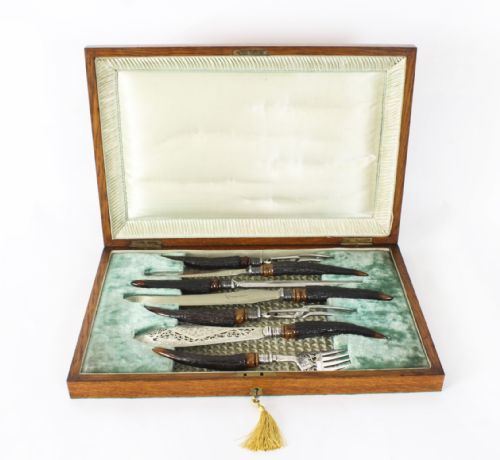
Listings feature works spanning the nineteenth century up to nineteen-fifty, incorporating materials like brass, glass, stag antler, and various hardwoods.
What varies in quality
The distinction between ordinary and exceptional examples lies in the vitality and anatomical conviction of the carving. Superior pieces display confident tool work that captures the tension and fluidity of a swimming creature rather than a stiff, blocky representation.
Preservation of the original surface patina and integrity of the timber significantly influence the standing of an individual piece. Items that retain their early finish without heavy intervention or later alterations command greater appreciation from collectors.
The Vintage Carved Wooden Fish Glossary
- Treen
- Small handmade wooden household objects and utilitarian items produced before the widespread use of plastics. These pieces were carved for daily domestic tasks.
- Black Forest
- A nineteenth-century style of intricate wood carving originating from the mountainous region of Central Europe. It is particularly known for lifelike animals and foliage.
- Folk art
- Utilitarian or decorative objects created by self-taught or traditional craftsmen outside academic artistic traditions. This work emphasises practical utility and regional aesthetic norms.
- Linden wood
- A pale, fine-grained timber frequently chosen by carvers for its even texture and lack of prominent grain. It allows for crisp, detailed incisions without splintering.
Vintage Carved Wooden Fish: Frequently Asked Questions
What were carved wooden fish used for?
Many of these wooden fish served practical roles in domestic and commercial spaces, functioning as bookends, note holders, or shop signs to advertise trade. Other examples formed part of personal accessories or decorative sculptural displays.
Over time, their roles shifted from utilitarian objects or trade markers into collectible decorative items prized for their artisanal craftsmanship and natural subject matter.
How do I date a wooden fish carving?
Dating relies on examining tool marks, timber choice, and the overall style associated with specific periods like the nineteenth century or early twentieth century. Wear patterns and surface patination also provide clues to the age of the object.
Comparing construction methods with documented pieces from traditions such as Black Forest or Japanese folk art helps narrow down the probable decade of creation.
Where were these wooden fish made?
The pieces originate from diverse regions, reflecting local woodworking traditions in Europe, Asia, and island communities. Evidence shows influences ranging from Japanese folk art to European alpine carving.
Each geographic origin imparts distinct stylistic markers, from the choice of timber like linden wood to specific methods of finishing and mounting the sculpture.
How should I care for vintage wood carvings?
Wooden carvings require stable environmental conditions away from direct sunlight and rapid humidity fluctuations to prevent the timber from warping or splitting. Gentle dusting with a dry, soft cloth preserves the original surface without stripping the patina.
Avoid applying modern polishes or oils unless specifically suited to antique wooden objects, as these can alter the historical finish and trap dust in recessed carved details.