

Vintage Carved Wood Figure
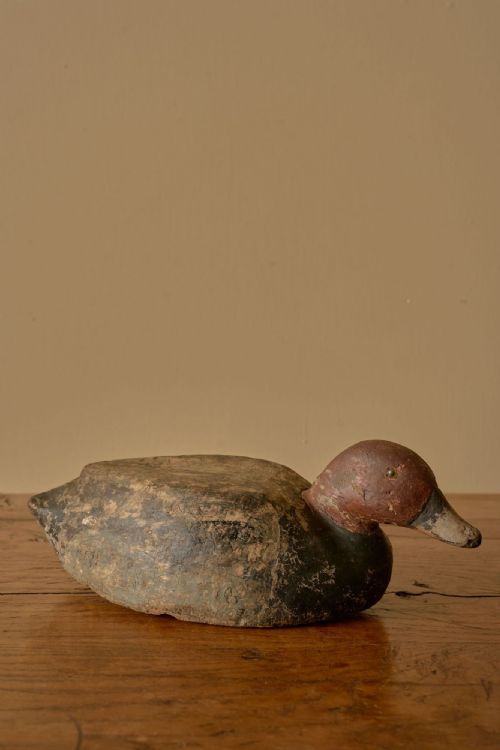
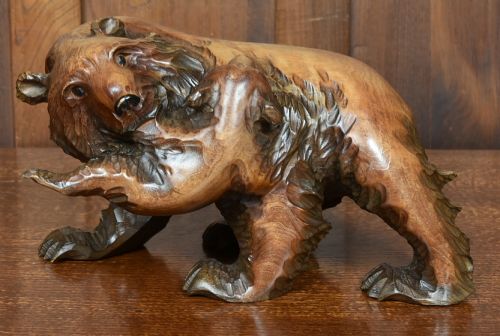
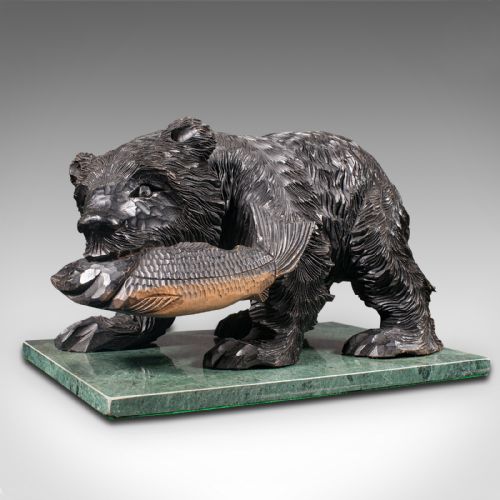
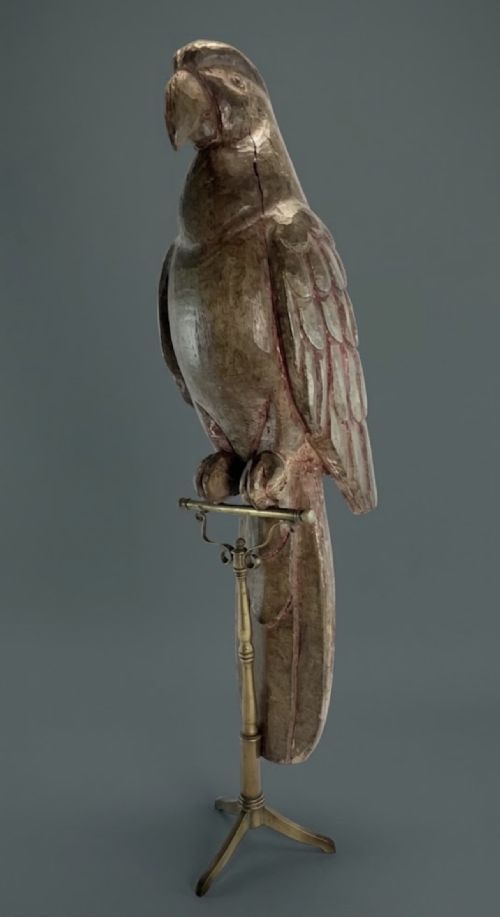
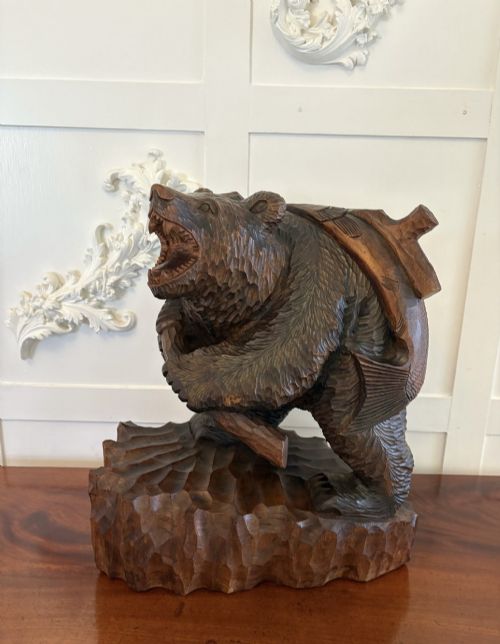
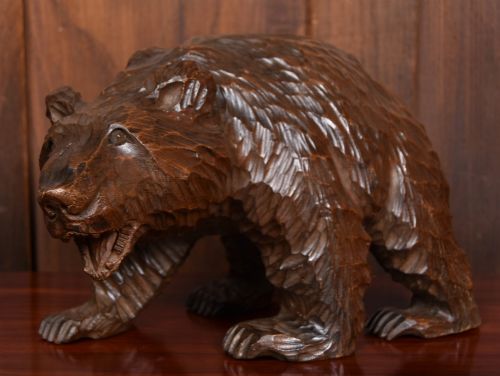
When you search for a vintage carved wood figure, you meet everything from Black Forest bears to folk art animals shaped by hands across the nineteenth and twentieth centuries.
Vintage Carved Wood Figure
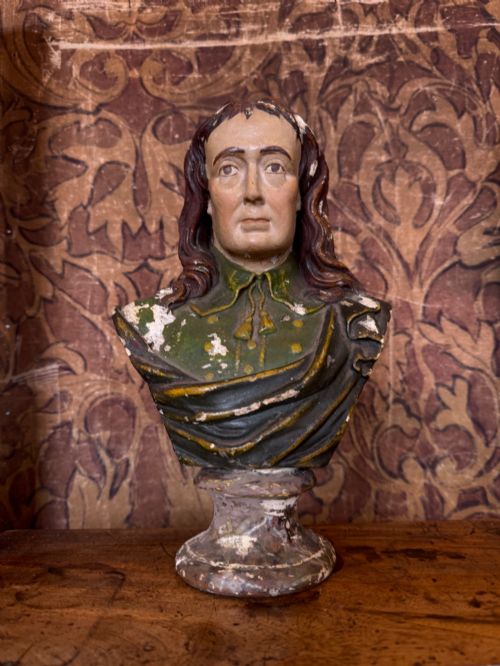
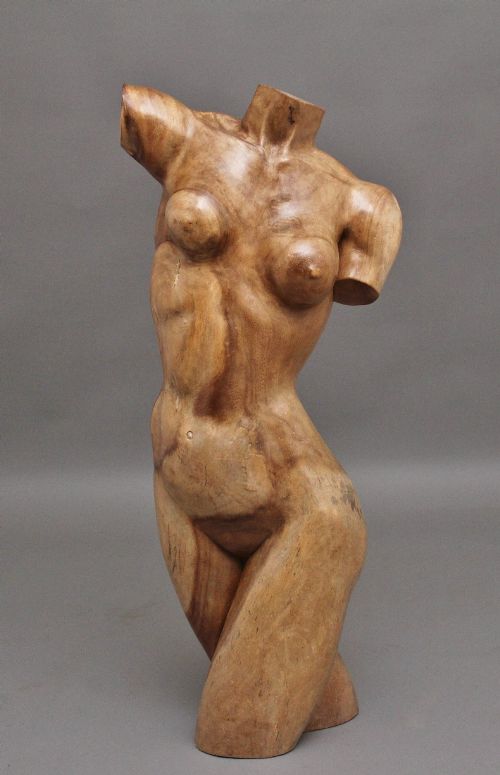
A vintage carved wood figure encompasses sculptural objects, articulated mannequins, and functional carvings shaped across the nineteenth and twentieth centuries. The selection spans European folk art traditions, Black Forest animal studies, Asian deities, and tradesman pieces produced from hardwoods and softwoods.
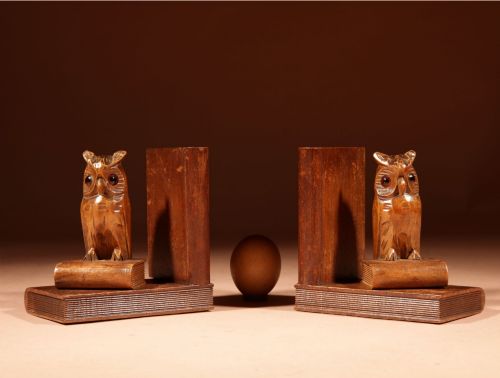
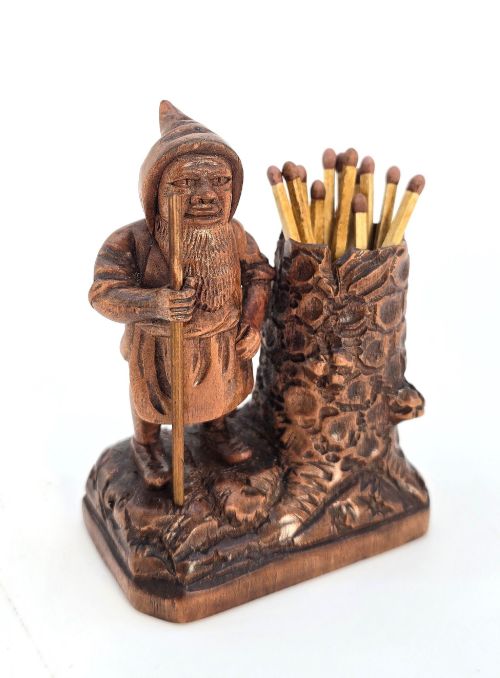
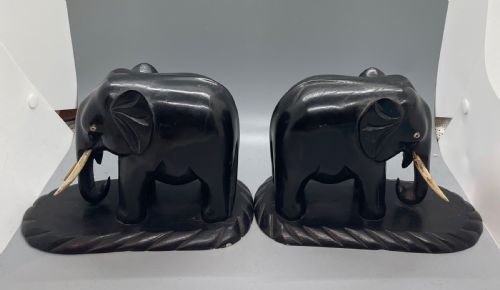
Buyers most frequently encounter items originating from the Victorian period through to the 1930s, including match holders, bookends, and standalone sculptures. These pieces reflect diverse regional workshops, ranging from Swiss limewood carvers to Chinese artisans and French makers.
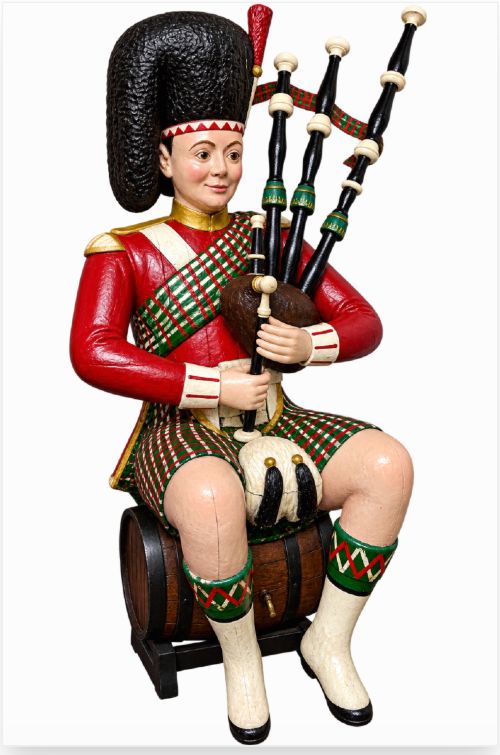
The category bridges decorative ornaments and utilitarian objects, uniting Saint Bernards, owls, bears, soldiers, and classical saints. Each item demonstrates the application of traditional carving techniques to organic materials over successive decades.
Materials and Method
Carvers utilised a range of timbers including linden wood, fruitwood, walnut, oak, and general hardwood, selecting specific varieties for grain density and colour. Softer woods allowed for intricate detail in figures like bears and gnomes, while denser hardwoods supported structural stability in larger sculptures.
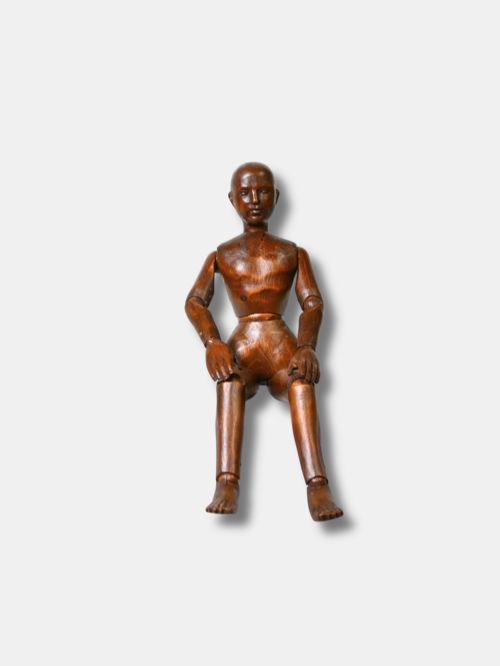
Surface treatments involved careful hand carving supplemented by paint, lacquer, or glass insets for eyes, giving realism to animals and human subjects alike. Articulated pieces incorporated pegged joints to permit movement, particularly in artist lay figures and jointed mannequins.
Several bears carry fish, while owls peer from bookends with stud eyes, proving nineteenth-century carvers loved a touch of woodland theatre.
Judging Quality
The preservation of original surface finishes, such as historic paint layers or polished wood patination, influences desirability. Intact components, original glass or bone eyes, and functional joints in articulated figures mark the higher end of the surviving range.
Hans Huggler Seiler
The Vintage Carved Wood Figure Glossary
- Black Forest
- A style of wood carving originating from the Brienz region of Switzerland, characterised by realistic depictions of animals, particularly bears, and foliage. These items gained popularity during the Victorian era and remain notable for their expressive detail.
- Artist Lay Figure
- An articulated wooden mannequin used by painters and sculptors to study drapery and human anatomy. These items feature jointed limbs held together with wooden pins or metal fixings.
- Folk Art
- Objects created by self-taught or traditional artisans outside academic fine art traditions, often displaying charming naive qualities. These pieces rely on regional materials and straightforward carving methods.
- Limewood
- A pale, fine-grained timber frequently utilised by European carvers for intricate subjects due to its lack of prominent grain and ease of cutting. It accepts sharp detail without splitting.
- Match Striker
- A functional domestic item incorporating a textured surface or striker plate alongside a carved sculptural figure. These objects sat on mantels and desks during the nineteenth and early twentieth centuries.
Vintage Carved Wood Figure: Frequently Asked Questions
What is a vintage carved wood figure?
A vintage carved wood figure is a hand-shaped sculpture, animal study, or decorative object produced from timber during the nineteenth or twentieth centuries.
These pieces range from folk art carvings and Black Forest animals to artist lay figures and religious statues, reflecting varied cultural traditions.
How were these wooden figures used?
Many figures served purely decorative purposes on mantels and pedestals, while others combined art with utility as bookends, match holders, or furniture pediments.
Artist lay figures were utilised in studios to model clothing and poses, and tradesman figures advertised specific professions.
How do I date a carved wooden figure?
Dating relies on stylistic clues, tool marks, timber types, and the wear patterns visible on the exposed wood surfaces.
Victorian and Edwardian pieces often display specific regional characteristics, such as the distinct foliage of Black Forest work or the paint styles of early folk art.
How should I care for antique wood carvings?
Antique wood carvings require stable environmental conditions away from direct sunlight and severe humidity fluctuations to prevent timber splitting.
Dusting with a soft, dry cloth preserves the surface patination without the need for modern chemical polishes.