

Vintage Carved Tray
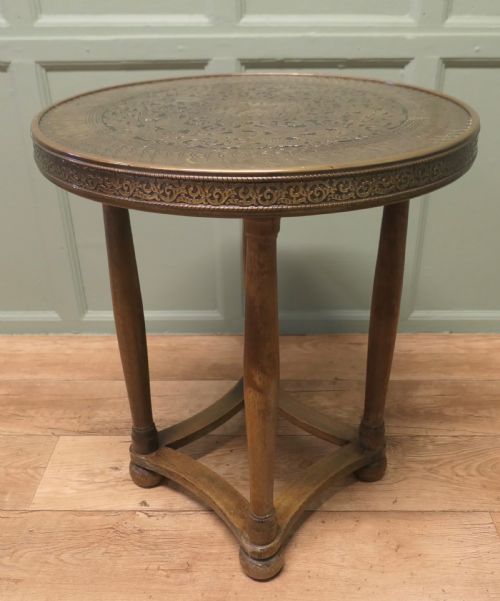
A vintage carved tray brings tactile warmth and historical utility to any surface, ranging from intricate Anglo-Indian brass to sturdy Edwardian oak.
Vintage Carved Tray
A vintage carved tray is a functional serving piece or decorative tabletop surface, often associated with the search phrase vintage carved tray, designed to hold drinks, letters, or afternoon tea.
The pieces appearing on this page span several periods, notably the Victorian era, the Edwardian period, and the 1920s, reflecting both British domestic utility and colonial craftsmanship.
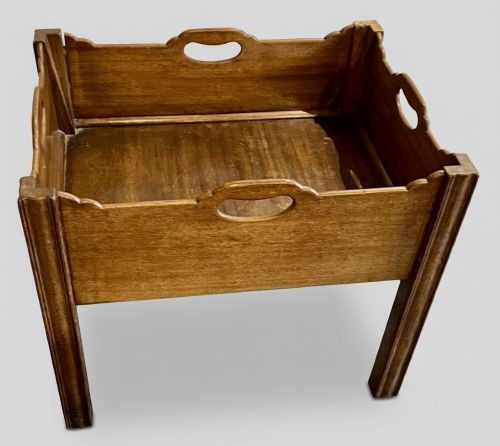
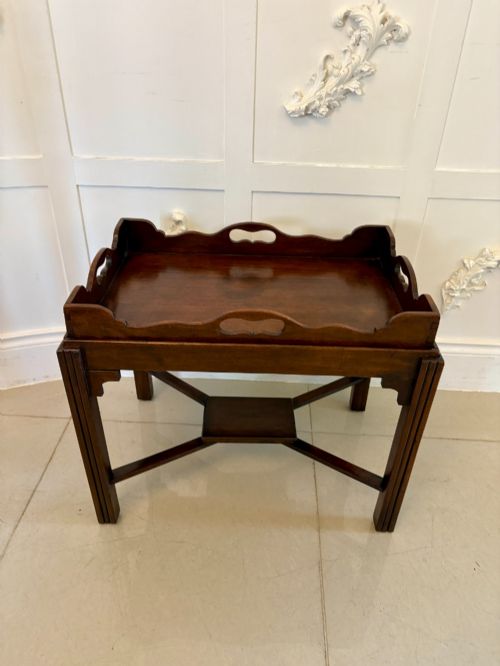
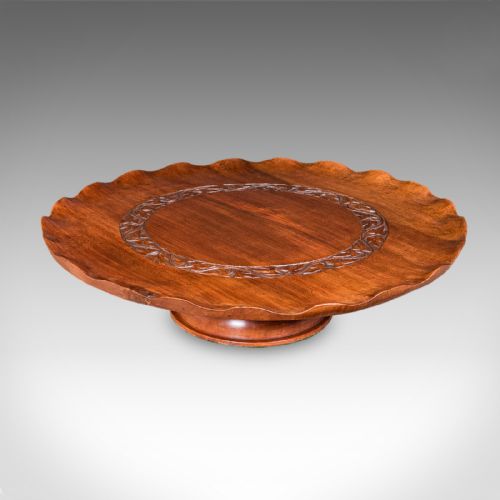
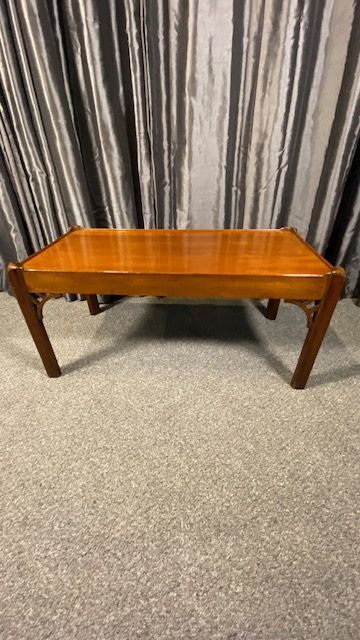
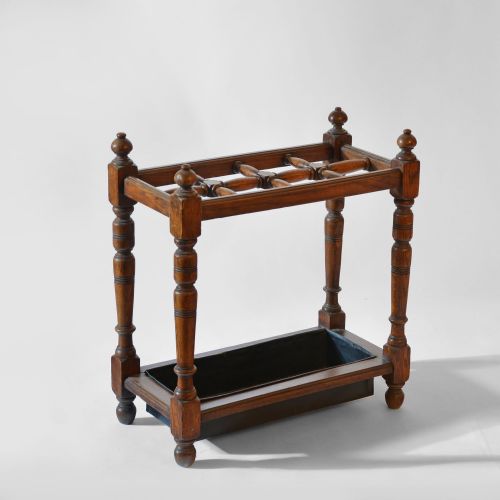
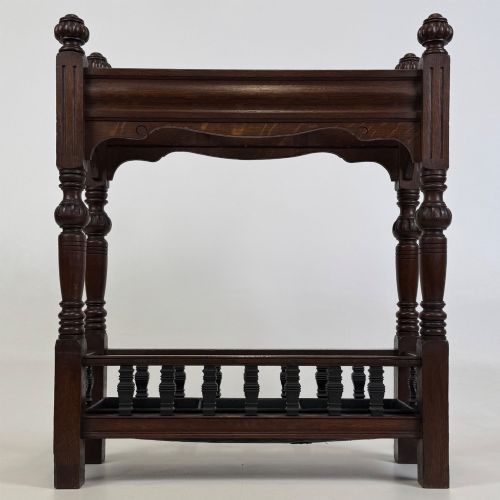
Forms include traditional butler trays on folding stands, rotating lazy susans, and low serving pieces, utilising timbers such as oak, mahogany, walnut, and teak alongside engraved brass.
How they were made
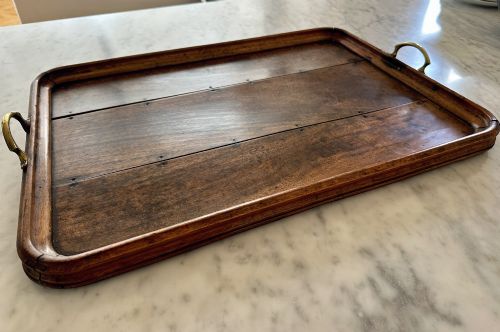
Cabinetmakers utilised dense hardwoods like oak, mahogany, walnut, and teak, shaping them with hand tools to create raised galleries, folding stands, and integrated handles.
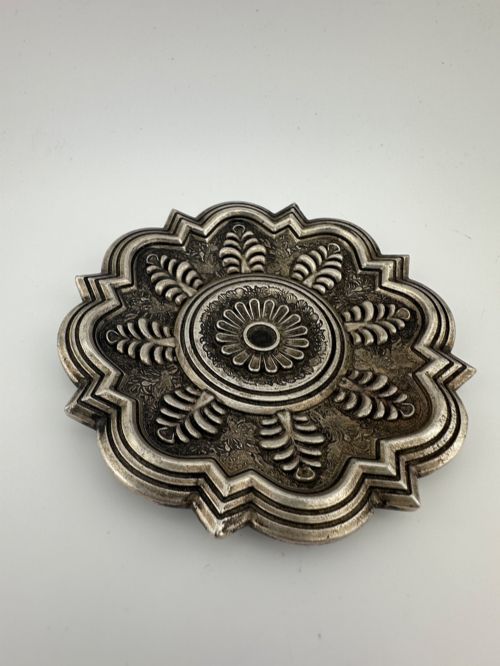
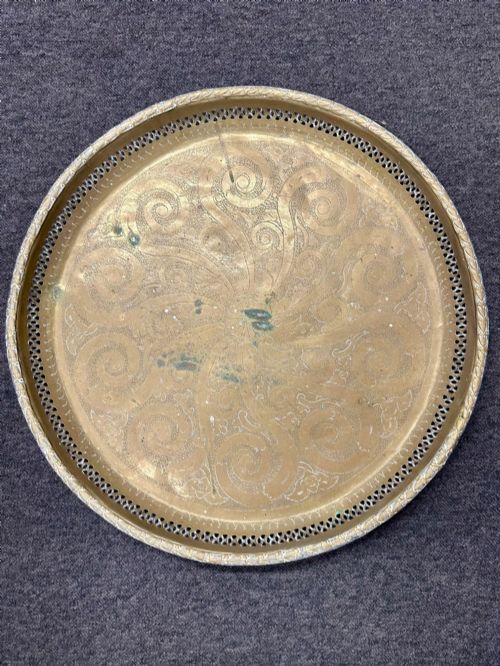
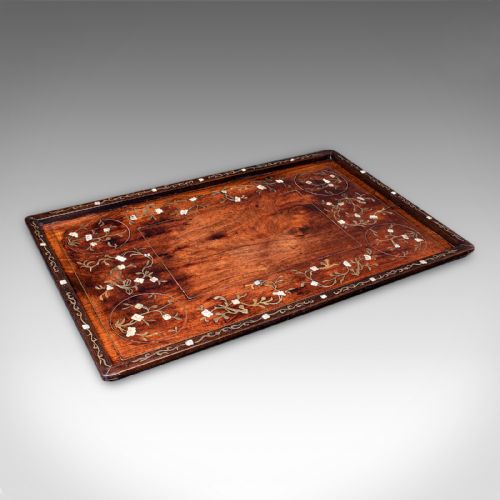
Metal versions employ brass and pewter, shaped through engraving, piercing, and cold painting to achieve detailed floral and geometric motifs seen in Anglo-Indian and Arts and Crafts examples.
Vintage Carved Tray Retail Price Guide 2026
Typical asking prices for vintage carved tray among the pieces listed under this phrase on Sellingantiques today, from the lower quarter to the upper quarter. They describe what is for sale here now, not the wider market.
Some trays double as rotating lazy susans, ensuring nobody ever has to stretch too far for the afternoon biscuits.
What varies in quality
The distinction between standard examples and superior specimens lies in the depth and precision of the hand-carving or metal engraving, where crisp details elevate the visual weight of the timber or brass.
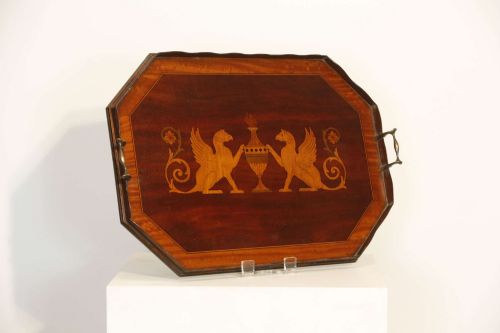
Structural integrity of the joints, the crispness of inlaid marquetry work, and the original pairing of a tray with its folding stand separate everyday utility items from finer decorative works.
The Vintage Carved Tray Glossary
- Butler tray
- A portable serving tray with a raised gallery, often fitted onto a folding X-frame stand for domestic service.
- Lazy Susan
- A rotating tray or turntable placed on a table to facilitate the sharing of food or condiments.
- Gallery
- A raised wooden or metal border around the edge of a tray or table designed to prevent items from sliding off.
- Marquetry
- Decorative veneer work arranged in intricate patterns using various coloured woods and organic materials.
- Anglo-Indian
- A descriptive term for items produced in India during the British colonial period, combining local craftsmanship with British furniture forms.
Vintage Carved Tray: Frequently Asked Questions
How were butler trays used originally?
Butler trays were utilised in large Victorian and Edwardian households for serving afternoon tea or meals in various reception rooms. The removable tray top sat securely on a folding stand so servants could transport and set up a serving surface wherever needed.
Over time, these pieces transitioned from strict service items to versatile occasional tables used in drawing rooms and studies for permanent display or casual entertaining.
How do I date a wooden tray?
Dating relies on observing the timber species, construction methods, and prevailing decorative styles of the period. Victorian and Edwardian pieces frequently utilise solid oak, mahogany, or walnut with hand-cut dovetails and traditional joinery.
Later pieces from the 1920s may incorporate Art Deco influences or lighter marquetry inlay work, while nineteenth-century items often show deeper patination and hand-finished surfaces.
Can I use an antique tray on a modern table?
Placing a vintage carved tray on a modern surface adds textural contrast and practical organisation to a room. They function well as centrepieces on coffee tables to group smaller objects like candles or books.
Due to age and delicate finishes, it is wise to protect the timber or brass from excessive moisture and heavy daily wear by using coasters or liners if serving drinks.