

Vintage Carved Timber
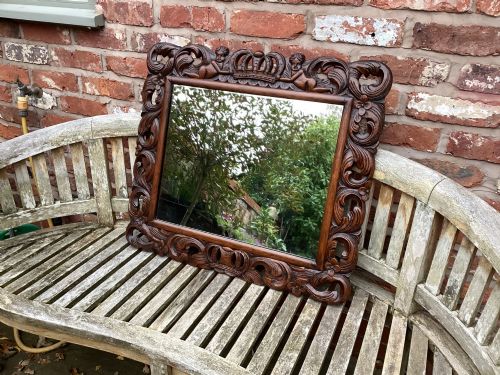
Vintage carved timber brings tactile warmth to a room through centuries of hand-chiselled detail, from nineteenth-century oak barometers to Edwardian mirrors.
Vintage Carved Timber
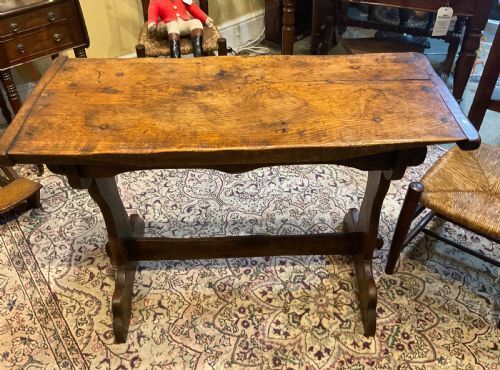
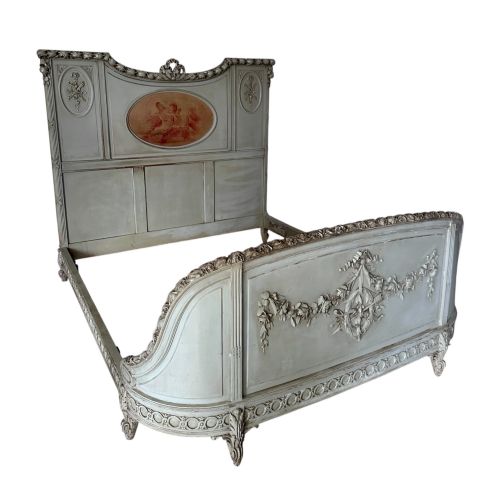
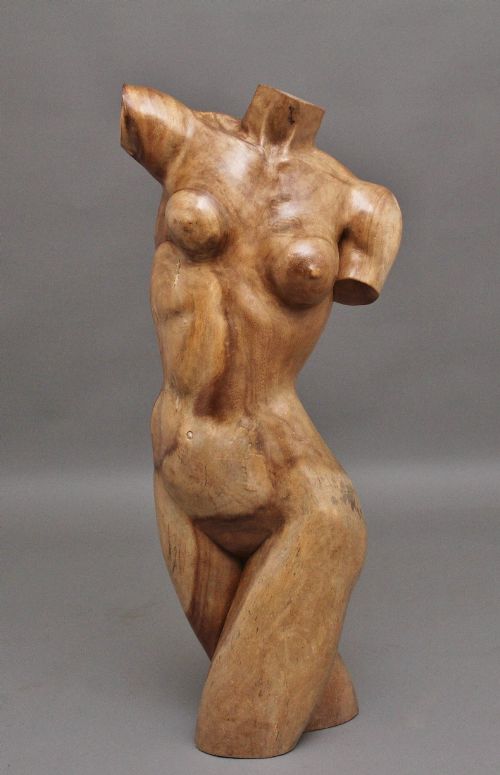
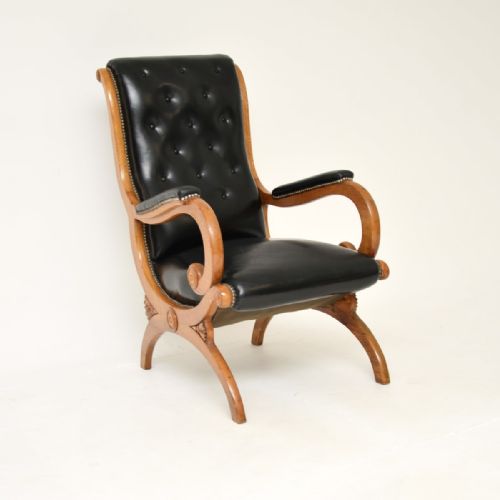
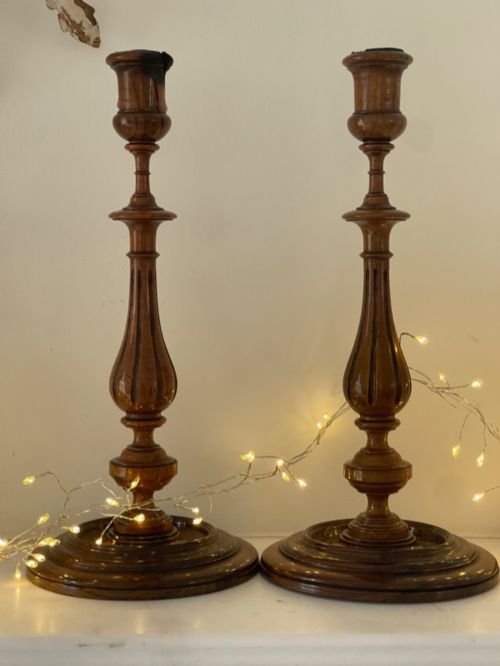
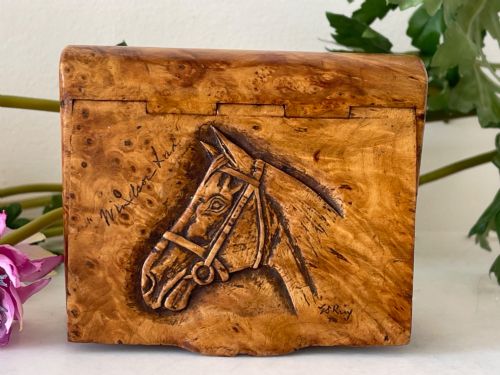
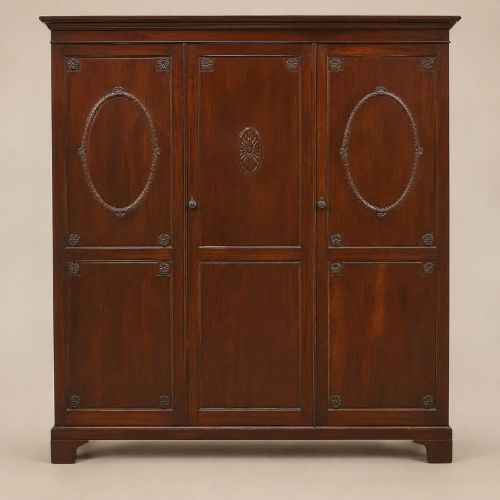
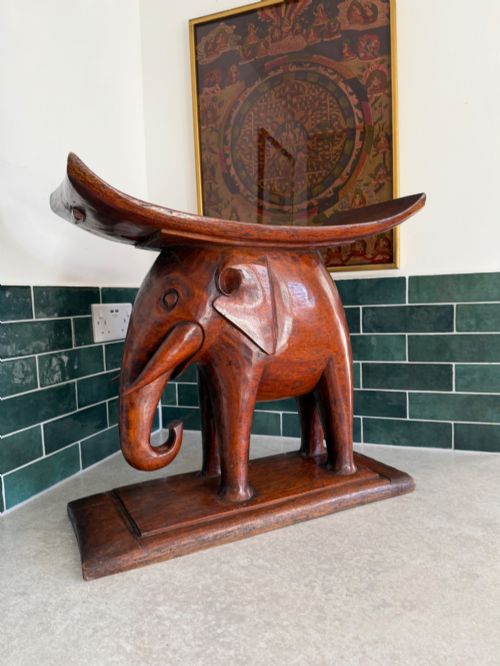
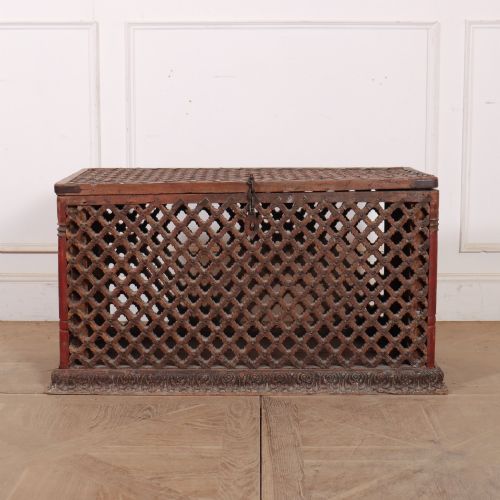
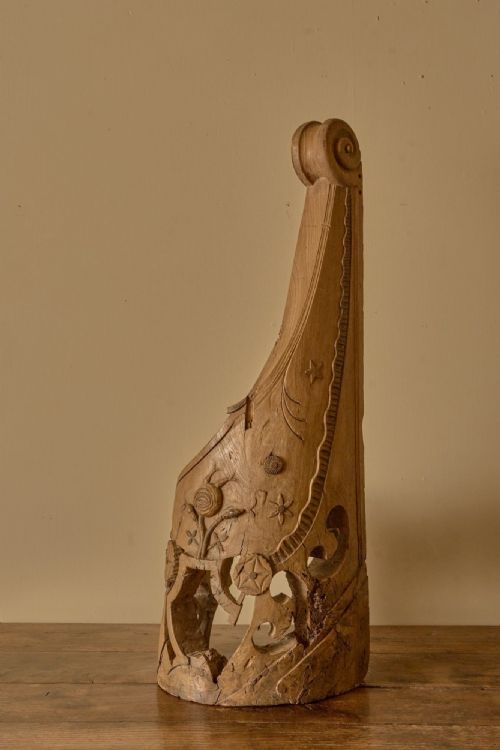
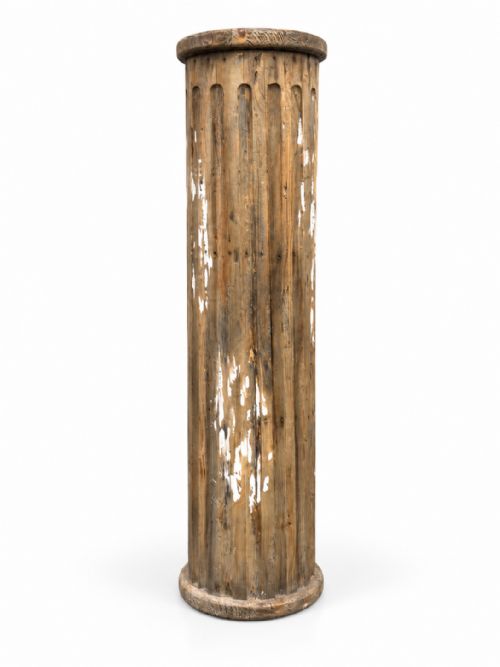
Vintage carved timber encompasses a wide array of functional and decorative items shaped from solid woods like oak, mahogany, walnut, elm and rosewood. These pieces range from substantial Victorian hall chairs and bookcases to intricate Black Forest bear lamps, Japanese okimono, and architectural salvage.
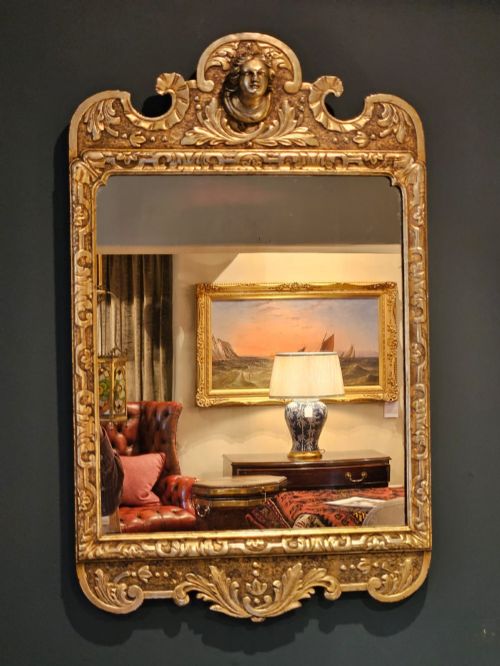
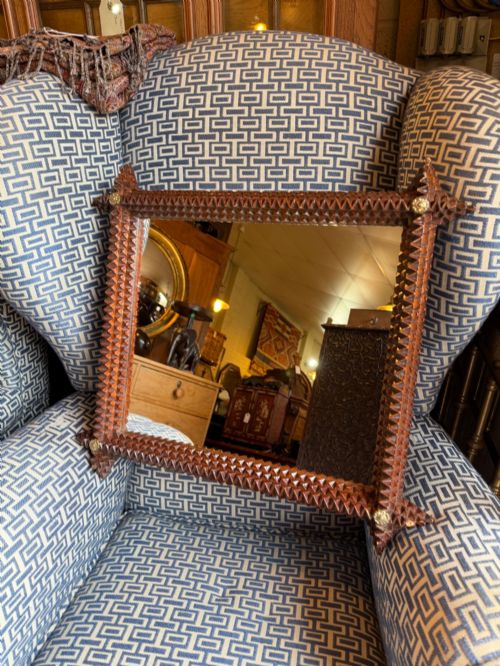
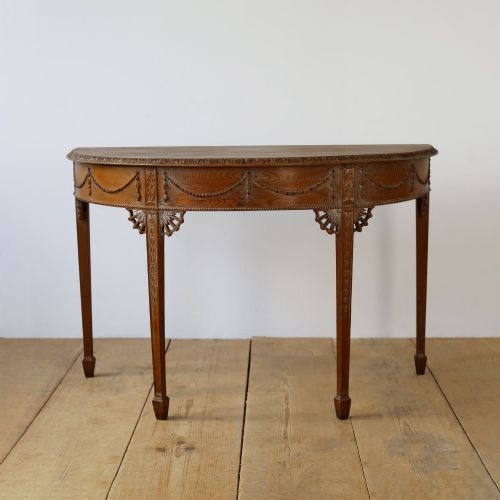
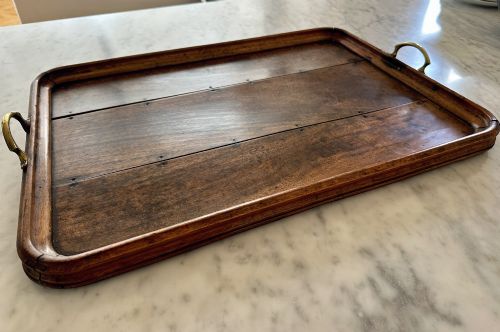
The selection on this page draws heavily from the nineteenth century through the early twentieth century, spanning Edwardian, Gothic Revival, Folk Art, and Anglo-Indian traditions. Buyers encounter everything from wall mirrors and standard lamps to storage benches and side tables.
Makers and artisans utilised dense hardwoods to create enduring objects that retain deep chisel marks and natural grain patterns. The category balances practical furnishings with purely sculptural works, each bearing the distinct hand of regional woodworking traditions.
How they were made
Craftsmen worked primarily with seasoned hardwoods such as oak, mahogany, walnut, and exotic timbers, selecting specific grains to suit structural supports or intricate relief carving. Hand tools including gouges, chisels, and mallets created depth and texture across surfaces like mirror frames, newel posts, and screen panels.
Joinery techniques relied on traditional methods suited to the period, pairing pegged mortise and tenon frames with dovetailed carcases and turned structural elements. Surface finishes typically involved natural waxes, oils, or shellac French polish that protected the timber while enhancing the natural figures of the wood.
Vintage Carved Timber Retail Price Guide 2026
Typical asking prices for vintage carved timber among the pieces listed under this phrase on Sellingantiques today, from the lower quarter to the upper quarter. They describe what is for sale here now, not the wider market.
What varies in quality
Quality rests upon the depth, clarity, and confidence of the hand carving, where skilled depth-relief work creates crisp shadows and lifelike forms rather than flat, mechanical repetition. The choice of timber also dictates standard, with dense, well-figured walnut, mahogany, and quarter-sawn oak holding fine detail far better than softer or secondary woods.
Proportion and structural integrity define the upper tier of these pieces, ensuring that applied ornamentation supports the overall architectural form without appearing clumsy or over-restored. Original surfaces that retain genuine patination and unbleached grain separation outclass pieces stripped down or heavily refinished.
Shuho Nakahara
The Vintage Carved Timber Glossary
- Okimono
- A Japanese standalone decorative carving intended for display on a shelf or tabletop. These objects often depict animals or figures carved from wood or ivory.
- Newel post
- The principal vertical post that supports the handrail at the top or bottom of a staircase. Older examples frequently feature bold, hand-turned and carved ornamentation.
- Apotropaic mark
- A ritualistic carving or burn mark applied to timber, such as taper burns on structural beams, intended to ward off evil spirits. These marks reflect folk beliefs of earlier centuries.
- Cofer
- A traditional heavy timber chest with a hinged lid used for storage. Early examples display robust pegged construction and hand-carved panels.
Vintage Carved Timber: Frequently Asked Questions
How do I clean carved timber?
Dust surfaces regularly with a soft, dry lint-free cloth to prevent buildup within the carved recesses. Avoid wet cloths and modern aerosol polishes, applying a traditional microcrystalline wax sparingly when the wood appears dry.
Buff gently with a clean brush to maintain the natural sheen without softening the crisp edges of the hand-carved details. Proper humidity control in the room prevents the timber from splitting.
How do I date carved wood furniture?
Examine the tool marks left behind by the maker, as hand-chipped surfaces differ distinctly from modern machine-routed cuts. Tool technology and joinery styles evolve through the Victorian and Edwardian eras.
Consider the timber species popular to specific periods, such as heavy use of mahogany in the nineteenth century and oak revivals in the Arts and Crafts era. Wear patterns on touchpoints offer further clues to age.
Are these pieces suitable for daily use?
Solid hardwood items like hall chairs, bookcases, and side tables are built to withstand everyday domestic life. Their sturdy joinery often surpasses modern flat-pack alternatives.
Protect surfaces from excessive heat and direct sunlight to prevent the timber from warping or fading over time. Felt pads under decorative objects safeguard finished tops.