








Vintage Carved Putto
These vintage carved putto pieces bring winged cherubic figures into interiors through mirrors, wall brackets, and lamps spanning multiple centuries.
Vintage Carved Putto
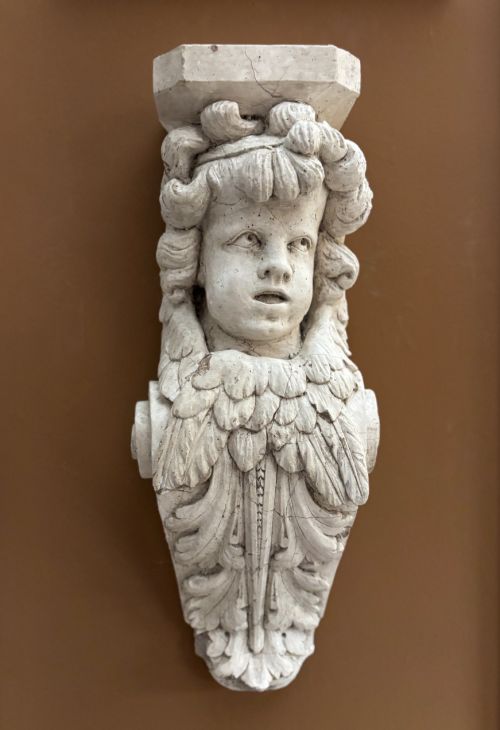
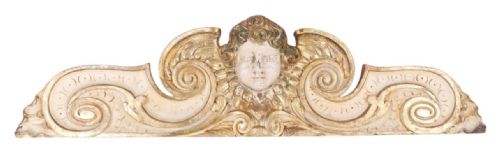
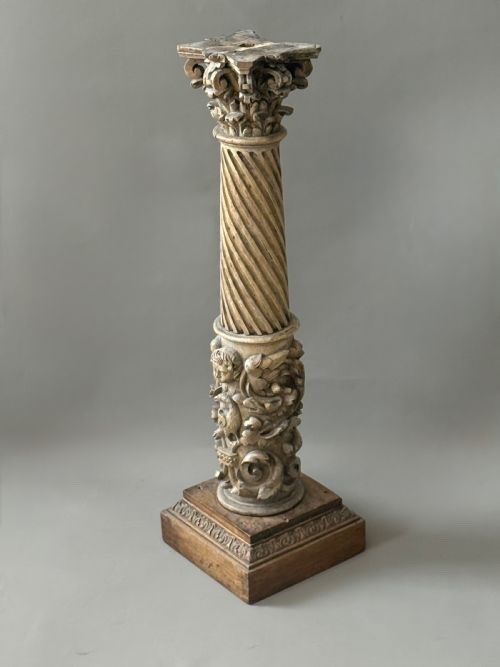
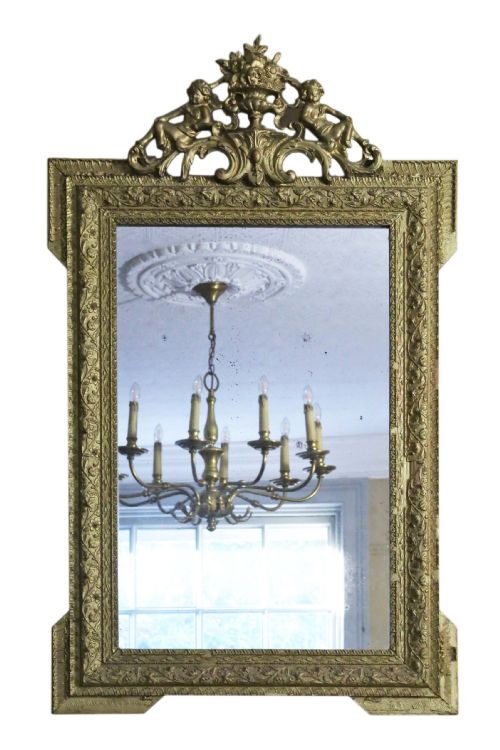
A vintage carved putto search covers sculptural representations of winged cherubs and angels integrated into functional and decorative household objects. Buyers encounter these figures predominantly upon 19th century wall mirrors, architectural overdoors, and carved wooden stands.
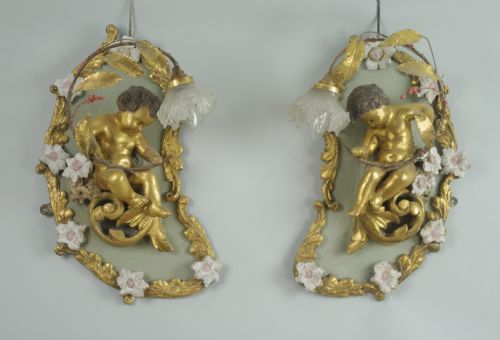
The selections span various historical aesthetics, including French Chateau, Victorian Neo-Classical, and Italian Baroque Revival. Common domestic forms range from table lamps and bookends to monumental pillars and wall sconces.
Origins stretch across Continental workshops and English makers, utilising periods from the 17th century up to the 1930s. The figures appear singly or as pairs, serving as focal points on wall mirrors or supporting architectural elements.
How they were made
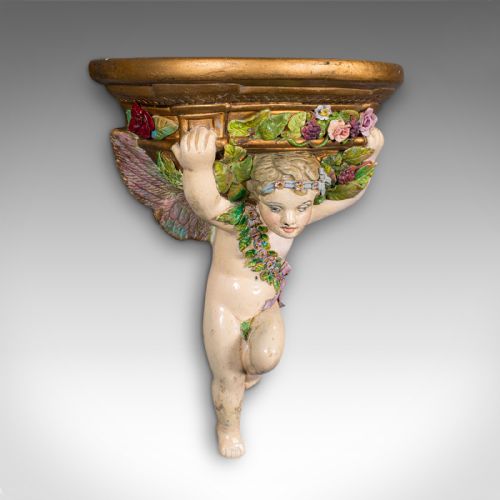
Carved wood, walnut, and oak form the structural foundation for many traditional figures, often enhanced with gesso and gold leaf. Artisans also utilised moulded plaster, leathermaché, and porcelain depending on the specific decorative application.
Giltwood and parcel gilded finishes provide reflective warmth to mirrors and wall lights, while paint adds surface character to weathered items. Construction methods combine traditional timber carving with applied decorative mouldings and structural framing.
Vintage Carved Putto Retail Price Guide 2026
Typical asking prices for vintage carved putto among the pieces listed under this phrase on Sellingantiques today, from the lower quarter to the upper quarter. They describe what is for sale here now, not the wider market.
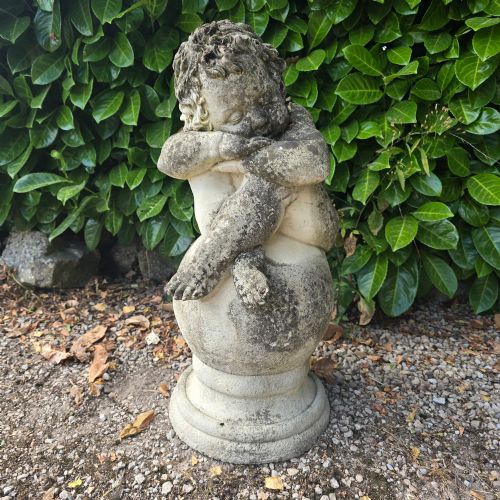
Object types include wall mirrors, architectural salvage, table lamps, bookends, and garden statues adorned with cherubic figures.
What varies in quality
The finesse of the carving dictates the distinction between standard items and exceptional sculptural examples. Depth of relief and anatomical definition in the wooden or plaster figures separate mass-produced decorative objects from masterwork pieces.
The integrity of the original gilt surface and gesso application heavily influences visual presence. Preservation of the underlying timber and the crispness of the surrounding architectural details determine overall desirability.
The Vintage Carved Putto Glossary
- Putto
- A figure of a small winged infant, commonly found in classical and religious art. These figures appear frequently as carved wooden or plaster ornaments.
- Giltwood
- Wood that has been covered with a thin layer of gold leaf or gold paint. This technique creates a luminous surface finish on antique mirrors and frames.
- Gesso
- A plaster-like mixture used as a base for paint or gilding on wood. It allows artisans to shape intricate decorative details prior to finishing.
- Overmantel
- A large decorative mirror or panel designed to be placed above a fireplace mantel. Many examples incorporate carved cherubs within their crestings.
- Corbel
- A structural piece of stone, wood, or plaster projecting from a wall to support a weight. Some versions feature sculptural putti beneath the supporting surface.
Vintage Carved Putto: Frequently Asked Questions
Where should I place a carved putto mirror?
These large mirrors suit prominent positions above fireplaces or hallway console tables where their gilded frames catch the light.
Ensure the wall structure supports the weight, particularly for monumental 19th century examples incorporating dense timber and plaster.
What is the difference between putti and cherubs?
Putti are classically derived infant figures that often lack specific religious connotations, whereas cherubs traditionally possess celestial significance.
In antique market terminology, the terms are frequently used interchangeably to describe these winged infant sculptures.
How can I date a carved putto item?
Examine the underlying materials, tool marks, and construction techniques used to assemble the backing boards or frames.
Stylistic indicators such as Italian Baroque Revival or Victorian Neo-Classical motifs provide clear clues to the manufacturing era.