
Vintage Carved Overmantel Mirror
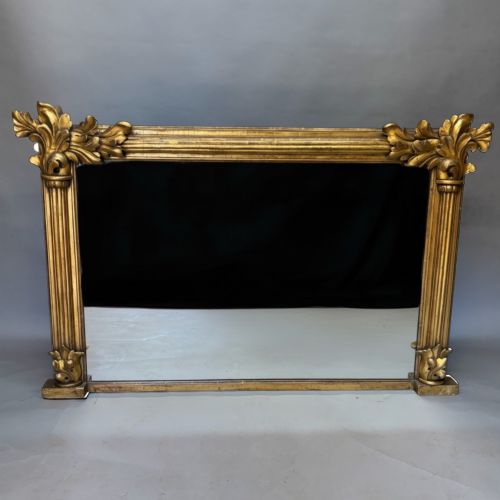
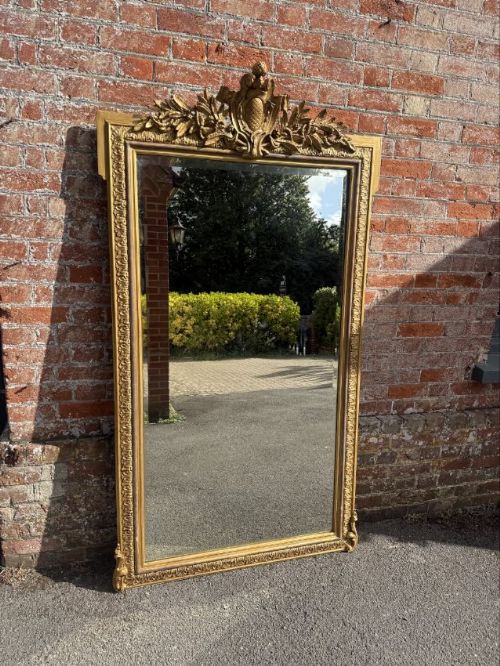
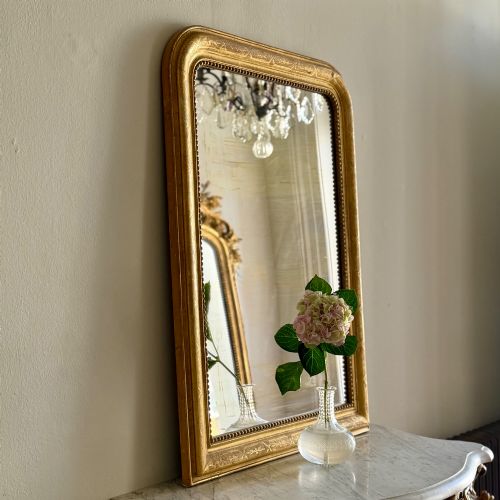
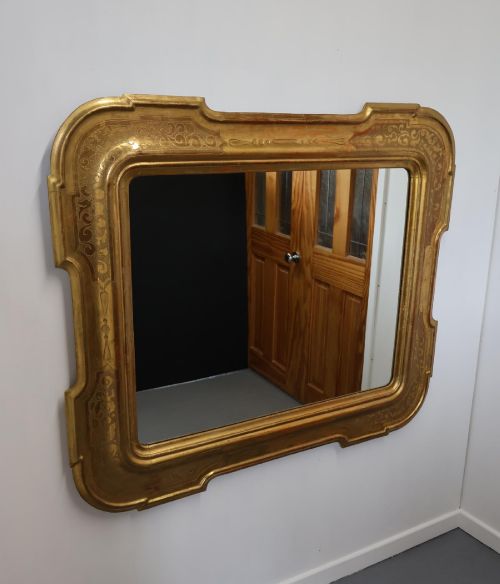
A vintage carved overmantel mirror brings architectural presence and reflected light to a chimney breast, anchoring the reception room.
Vintage Carved Overmantel Mirror
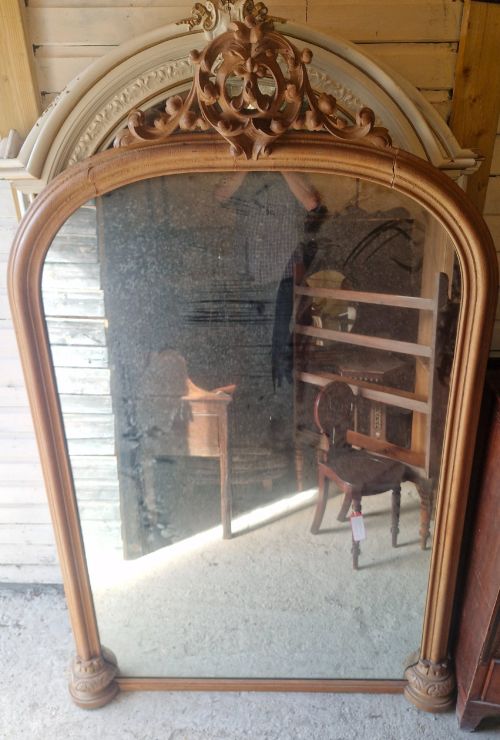
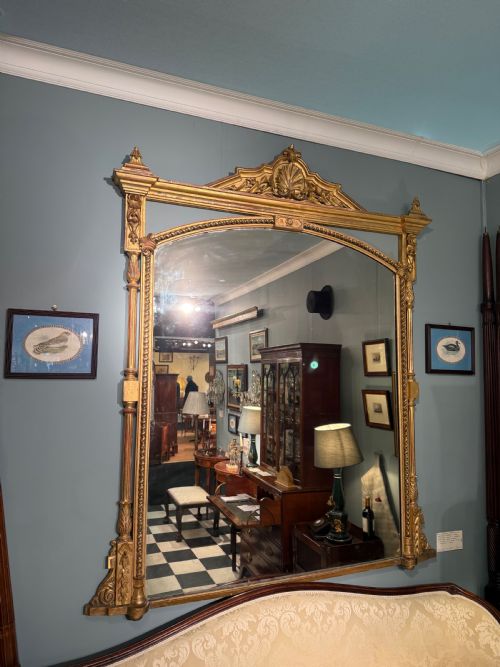
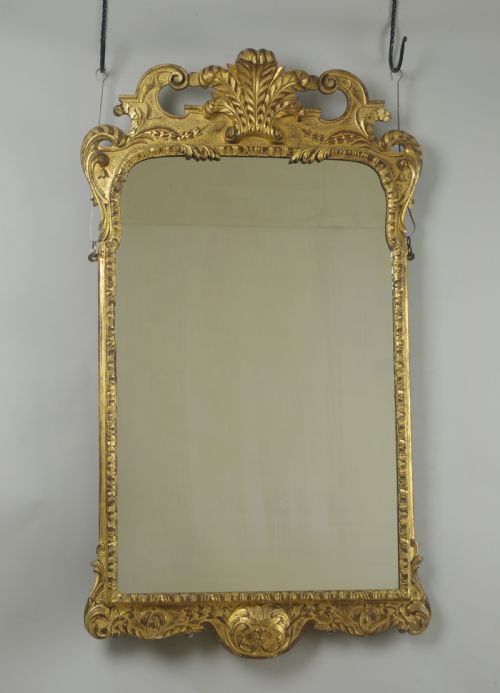
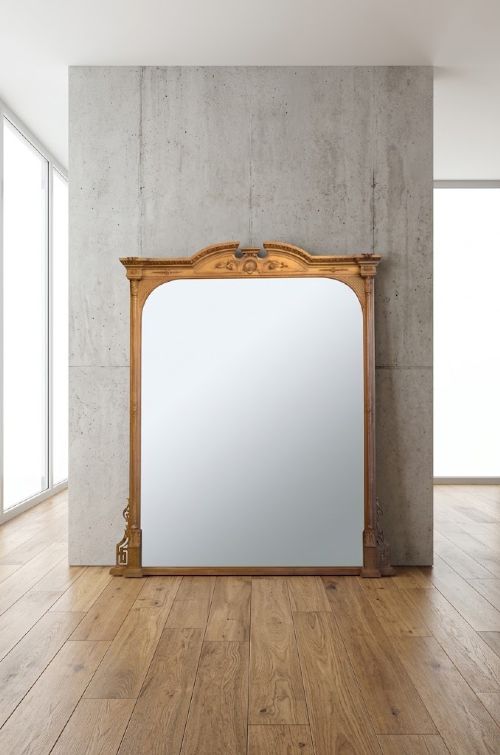
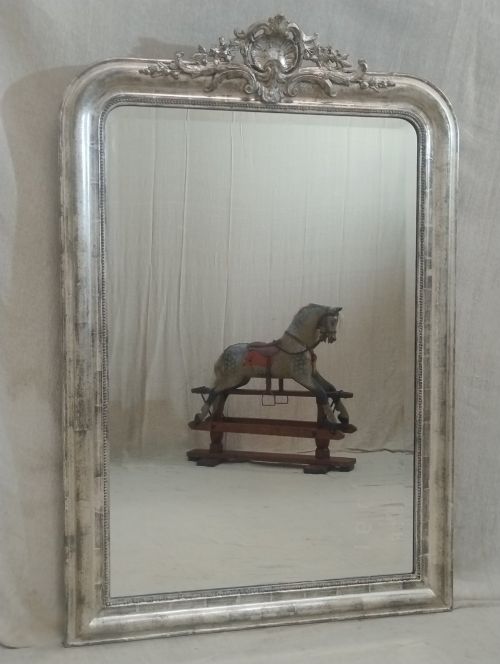
A vintage carved overmantel mirror is typically a large wall-hanging glass plate designed specifically to sit above a fireplace mantelpiece. The examples gathered here span from the eighteenth century through the Victorian period and into the early twentieth century, showing substantial proportions suited to period interiors.
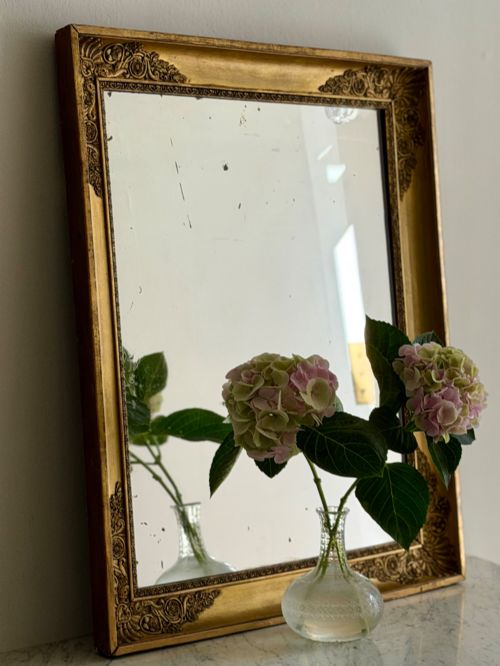
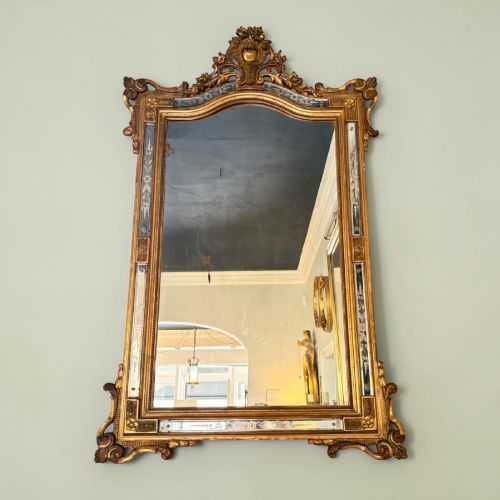
Most pieces on this page originate from France or England, displaying prominent regional styles such as French Rococo, Louis Philippe, and Victorian revivalism. The primary forms include arched tops, shaped crests, and rectangular frames intended to draw the eye upward in a principal room.
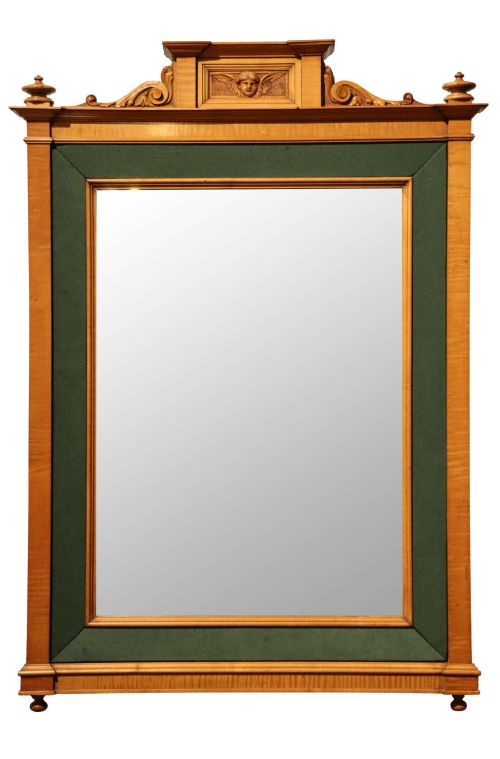
While many take the specific overmantel format, related wall and pier mirrors also appear, sharing the heavy timber or gesso-moulded framing typical of nineteenth-century domestic design. Buyers select these items to create a focal point that visually expands the proportions of a reception room.
How they were made
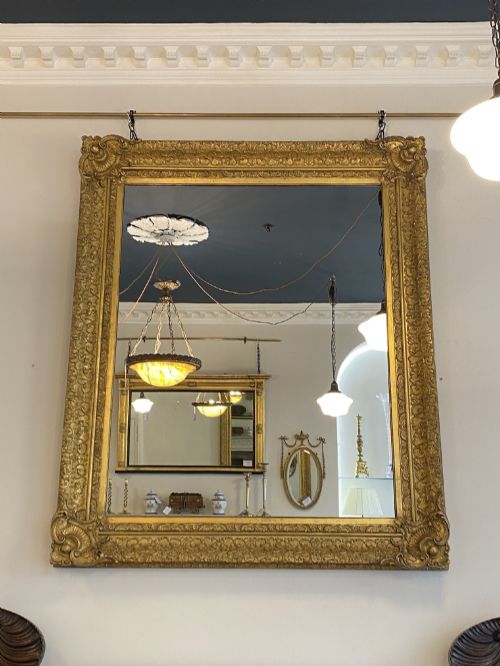
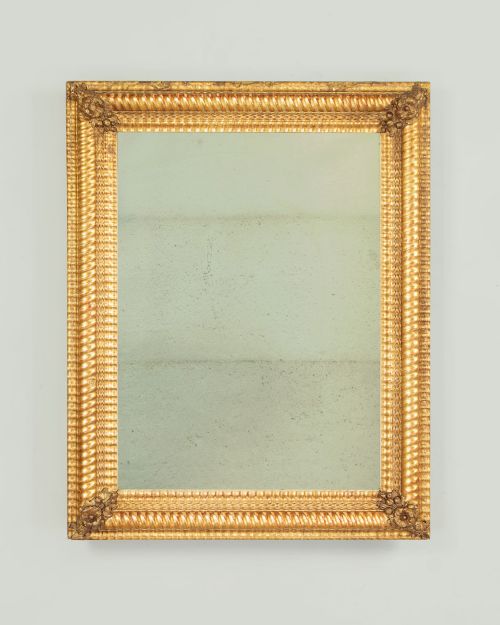
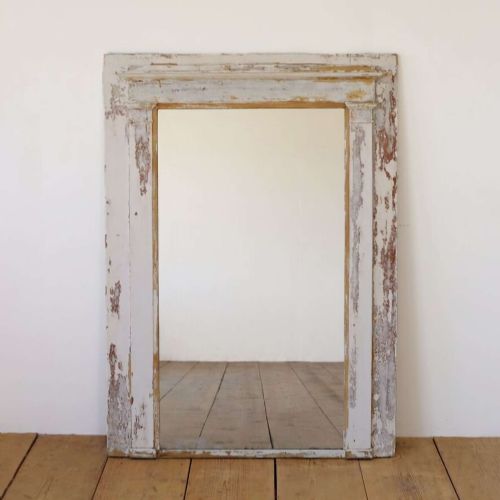
The construction of these frames relies heavily on carved timber, often pine or oak, built with substantial joints to support heavy glass plates. Many surfaces receive a preparation layer of gesso before being gilded with gold leaf or painted in muted palettes such as olive green, lilac, and ink blue.
Decoration is achieved through hand-carving or moulded gesso applied to the wooden carcase, producing complex floral, ribbon, or mythological motifs. Glass plates are frequently original, sometimes exhibiting foxing or silver degradation that marks their age.
Listings here feature materials including giltwood, gesso, oak, rosewood, and painted wood across nineteenth- and early twentieth-century periods.
What varies in quality
The distinction between standard and superior pieces rests on the depth and crispness of the hand-carved ornamentation rather than moulded composition work. Finer examples display undercut foliage and well-defined crests that retain their original gold leaf or carefully applied parcel-gilding.
The glass plate itself contributes significantly to the grade of the piece, with heavier bevelled edges and untouched antique mercury glass commanding greater interest among collectors. Structural integrity of the original wooden frame and backing boards also determines the standing of an individual mirror.
The Vintage Carved Overmantel Mirror Glossary
- Overmantel mirror
- A large wall mirror specifically proportioned to hang on the wall directly above a fireplace mantelpiece. These pieces often feature wide horizontal or vertical formats to match the width of the fireplace below.
- Gesso
- A plaster-like mixture applied to wood frames to provide a smooth surface for gilding or painting. It is frequently moulded into decorative relief patterns.
- Giltwood
- Timber that has been coated with thin sheets of gold leaf or metallic powder. It provides a bright reflective surface that catches natural light in a room.
- Foxing
- The natural ageing of mirror glass where the silver backing oxidises and produces dark spots or cloudy patches. This chemical change is an indicator of age.
- Pier mirror
- A tall wall mirror designed to hang on the narrow section of wall between two windows. They share similar decorative framing techniques with overmantel mirrors.
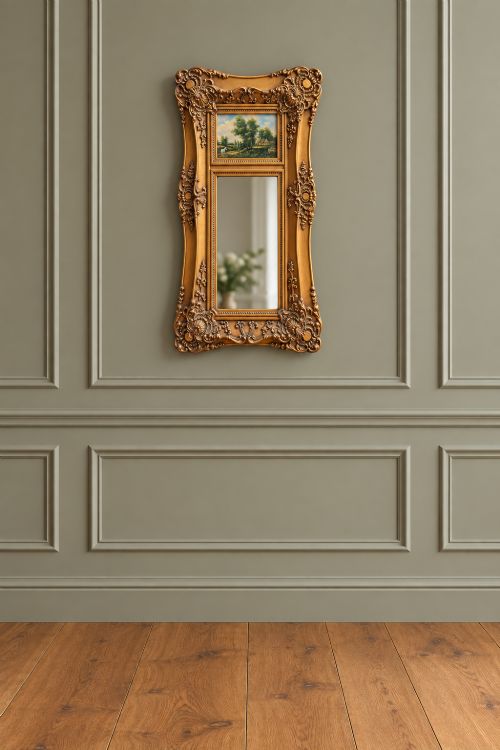
- Trumeau
- A decorative wall mirror incorporating a painted panel or carved artwork within the upper section of the frame. These originate primarily from French interior design.
Vintage Carved Overmantel Mirror: Frequently Asked Questions
Where should an overmantel mirror hang?
These mirrors traditionally mount on the chimney breast directly above the fireplace mantelpiece, where they reflect light from windows across the room.
Their substantial weight requires secure fixing directly into solid masonry or substantial wall studs using appropriate hardware.
Are the mirror plates original?
Many pieces retain their original glass, which often exhibits foxing, silver loss, or minor blemishes resulting from age.
Replacement plates do occur in older frames, so examining the backing and the edges of the glass helps determine its period authenticity.
How do I identify a French overmantel?
French examples frequently display characteristic Louis Philippe curved upper corners, crests featuring ribbons or floral motifs, and lighter painted or parcel-gilt finishes.
Construction details such as pine carcases and traditional French joinery methods further distinguish continental pieces from British ones.
What is the difference between gesso and carved wood?
Carved wood involves shaping the timber base directly with gouges and chisels to form decorative motifs and relief patterns.
Gesso is a liquid plaster mixture applied over a simpler wooden carcase and pressed into moulds to create ornate surface ornamentation.