


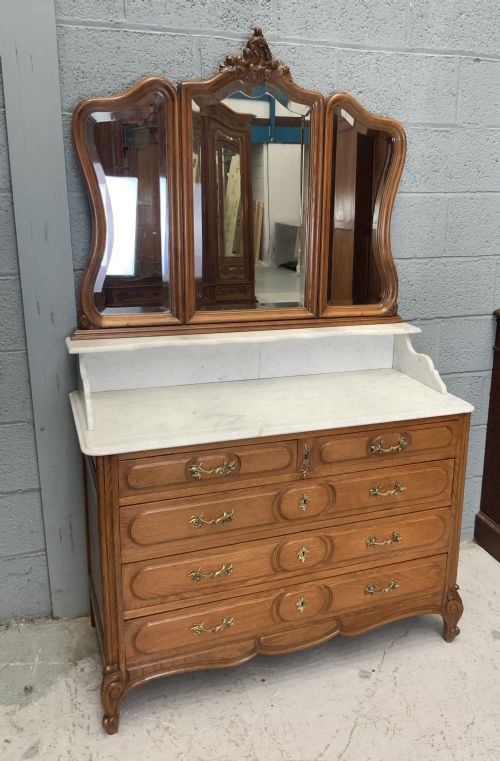
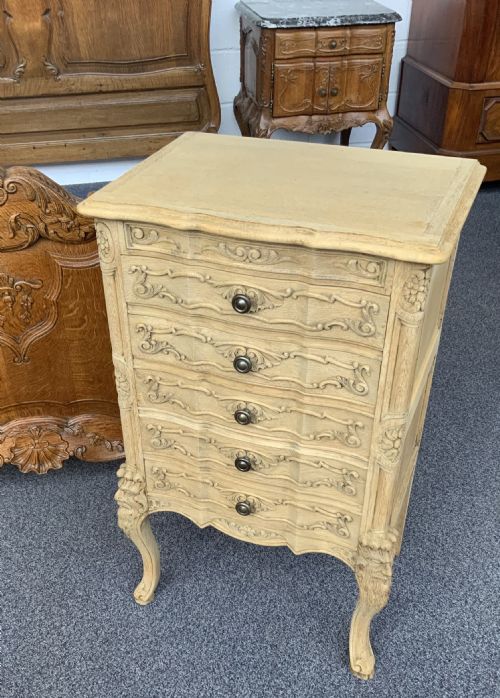
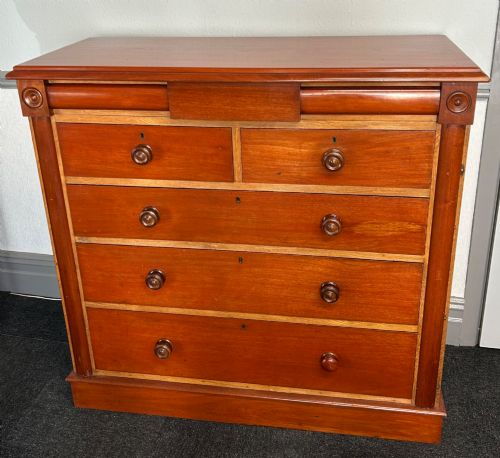


Vintage Carved Oak Commode
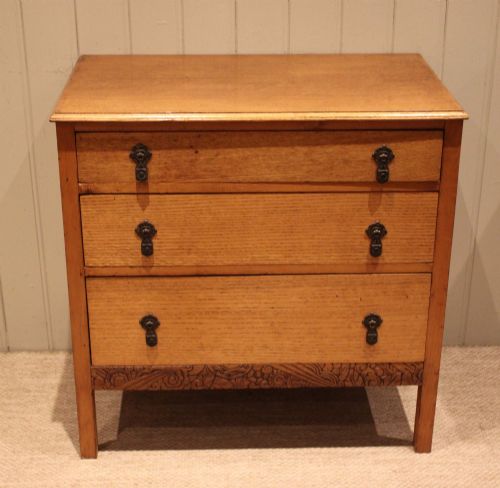
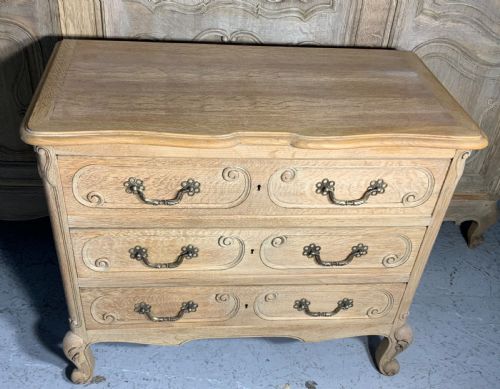
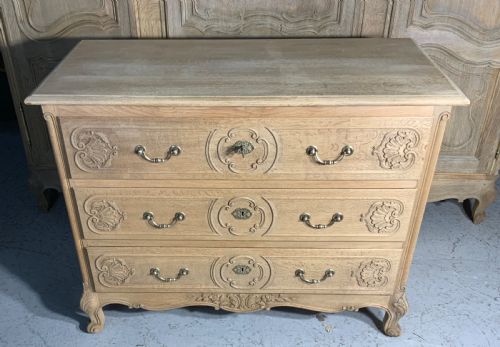
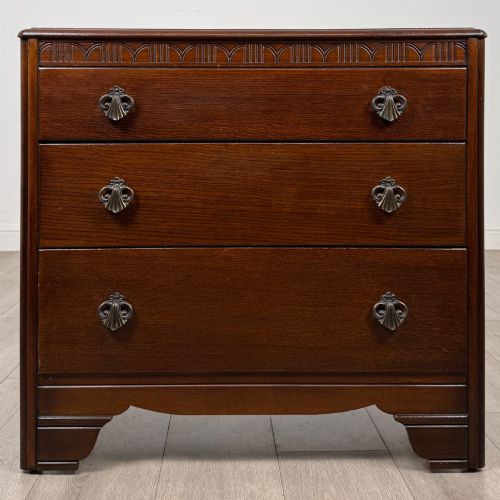
A vintage carved oak commode brings heavy timber and robust storage into a room, spanning styles from French provincial pieces to English country chests.
Vintage Carved Oak Commode
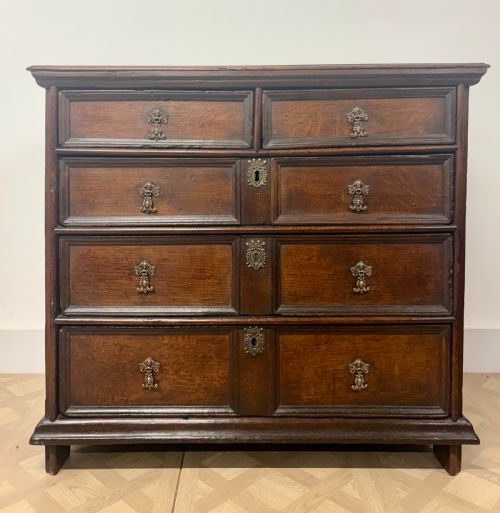
A vintage carved oak commode sits at the intersection of sturdy utilitarian storage and ornate decorative woodwork, fulfilling the search for a vintage carved oak commode. Buyers encounter variations ranging from early eighteenth-century English chests to later French provincial commodes and Edwardian examples.
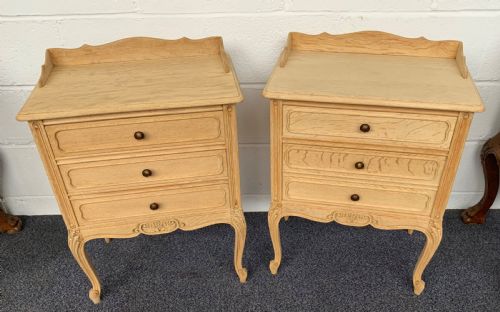
The selection includes chests of drawers, bedside cabinets, washstands, and sideboards. These pieces provide deep drawer capacity and substantial wooden surfaces suited for daily use in bedrooms or hallways.
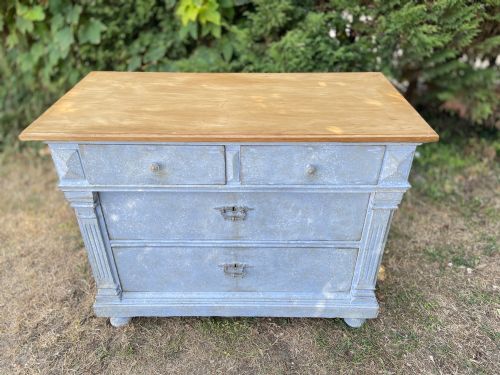
Origins stretch across English, French, and Swedish workshops, displaying regional preferences for carving depth, timber selection, and surface finishes like bleaching or paint.
Materials and construction methods
Solid oak forms the primary structural and decorative timber, complemented by secondary woods like pine in drawer linings and carcases. Metal hardware, brass handles, and iron fittings secure the heavy drawers and doors.
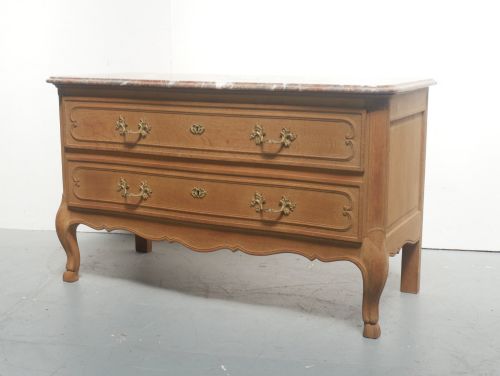
Carving techniques define the decorative surfaces, utilising relief work, geometric panels, and grotesque motifs like the Green Man. Marble tops appear on several continental commodes, adding a cool stone surface to the warm timber base.
Vintage Carved Oak Commode Retail Price Guide 2026
Typical asking prices for vintage carved oak commode among the pieces listed under this phrase on Sellingantiques today, from the lower quarter to the upper quarter. They describe what is for sale here now, not the wider market.
Listings feature items spanning from the 17th century through the Edwardian period, utilising oak, marble, brass, and painted wood.
Markers of quality and craftsmanship
Depth and crispness of the hand-carving separate standard production pieces from superior examples. Sharp, well-defined details in floral motifs or figural carvings indicate skilled cabinet work.
The integrity of the timber movement, the smoothness of drawer operation, and the retention of original brass hardware or marble slabs distinguish the finer survivors from heavily altered pieces.
The Vintage Carved Oak Commode Glossary
- Commode
- A low chest of drawers or cabinet, often of French origin, standing on legs or bun feet. This term covers various continental storage forms found alongside traditional English chests.
- Bun feet
- Rounded, slightly flattened wooden feet resembling small buns, commonly supporting seventeenth and early eighteenth-century chests.
- Serpentine
- A gently undulating front line curving outward in the centre and inward at the sides, typical of finer eighteenth and nineteenth-century commodes.
- Bleached oak
- Timber treated to lighten the natural dark tone, creating a pale, scrubbed finish popular in twentieth-century interpretations of French furniture.
- Green Man
- A sculptural architectural ornament depicting a human face entwined with foliage, occasionally found on Victorian and revival carved panels.
Vintage Carved Oak Commode: Frequently Asked Questions
Where should I place a heavy oak commode?
These robust pieces suit bedrooms, hallways, or living spaces where their deep drawers provide substantial storage for linens or daily items. Ensure the floor is level to support the substantial weight of solid timber and potential marble tops.
Keep the timber away from direct heat sources and drastic temperature shifts to protect the joints and prevent the oak from drying out over time.
How do I distinguish an 18th-century chest from a revival piece?
Examine the construction methods inside the drawers and along the back panels for hand-cut joints, tool marks, and timber shrinkage consistent with age. Eighteenth-century pieces typically show different patination and wear patterns compared to later nineteenth-century revivals.
Hardware placement, timber density, and regional joining techniques also provide clues to the exact period and workshop origin.
What is the difference between a commode and a standard chest of drawers?
A commode generally refers to continental European low storage cabinets, often featuring more decorative serpentine fronts, marble tops, or painted finishes. Standard chests of drawers are typically taller English forms focused primarily on vertical storage.
Both categories utilise oak and similar construction techniques, but continental commodes frequently prioritise ornate carving and sculptural silhouette.