

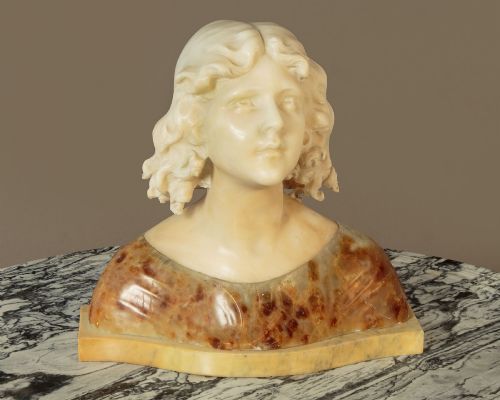
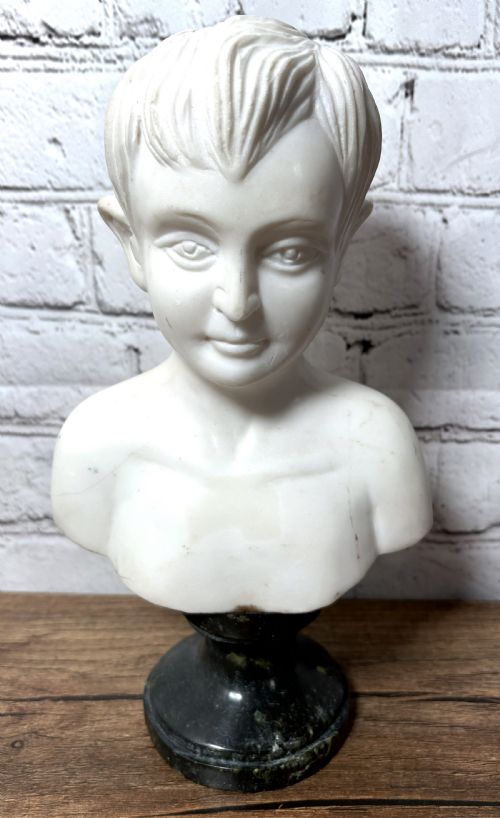


Vintage Carved Marble Portrait
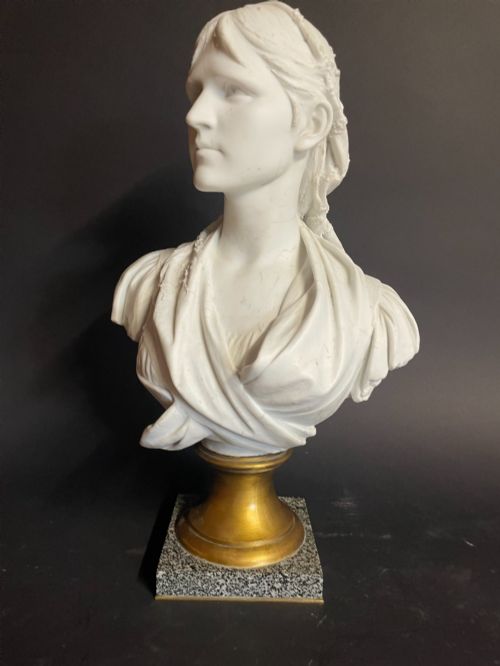
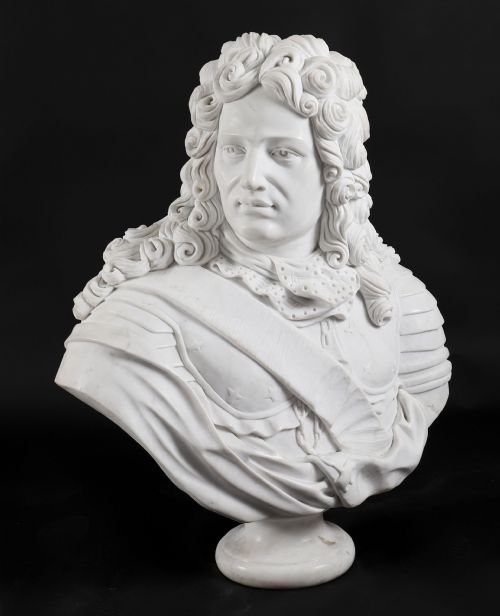
These vintage carved marble portrait pieces capture likenesses in stone, offering classical presence and sculptural depth for the home.
Vintage Carved Marble Portrait
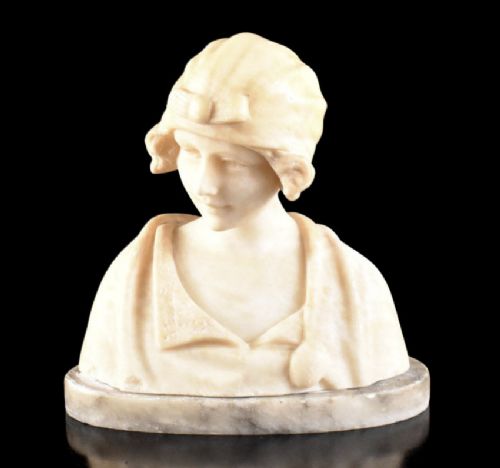
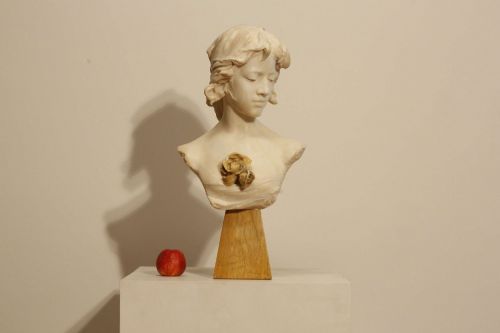
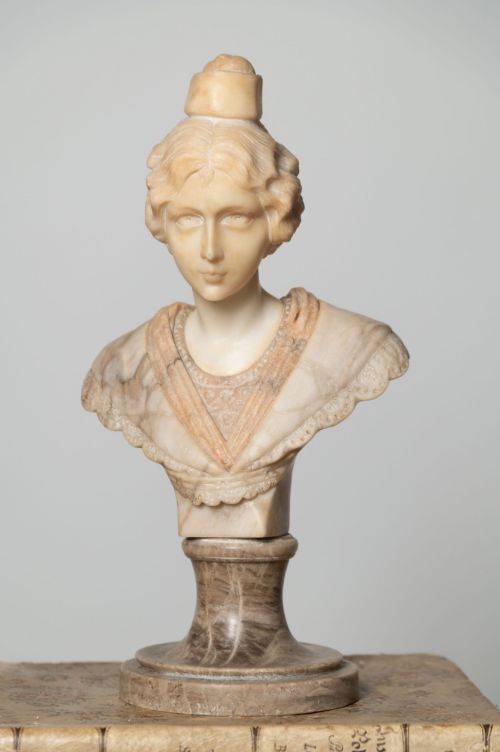
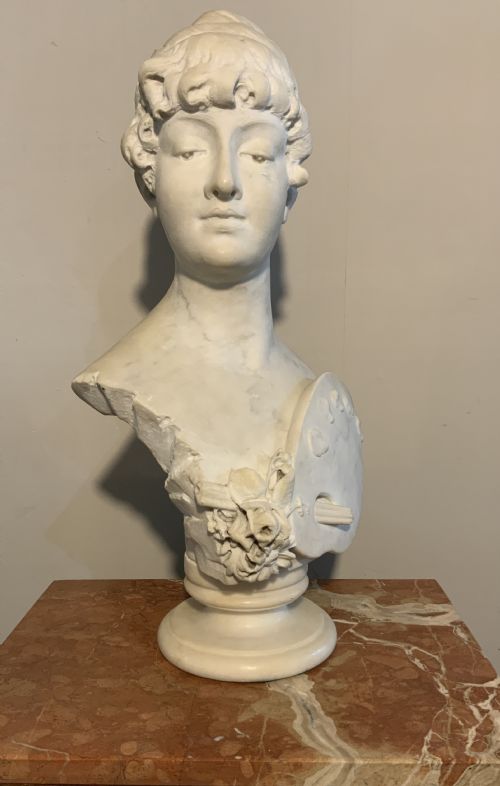
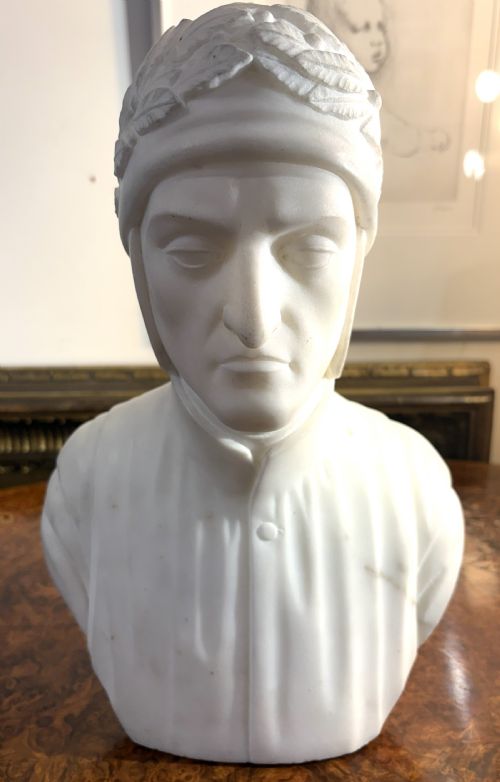
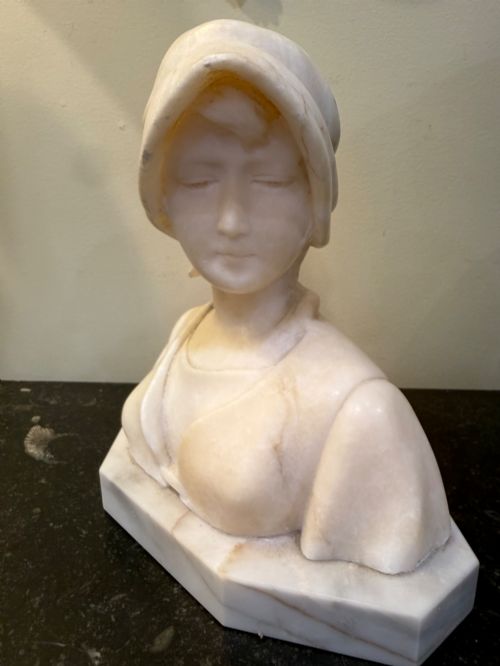
When you search for vintage carved marble portrait works, you encounter carved likenesses rendered in stone, alabaster, and marble from the nineteenth and twentieth centuries. These pieces take the form of busts and library sculptures depicting noblemen, young ladies, gentlemen, and historical figures such as Dante Alighieri.
The versions most commonly met on this page include Italian Carrara marble busts and French carved alabaster sculptures representing female subjects and young boys. Such works range from Neoclassical and French Classical conceptions to Edwardian and Arts and Crafts interpretations, reflecting diverse European traditions.
How they were made
Sculptors utilised manual chiselling and polishing techniques to achieve smooth flesh surfaces alongside textured hair and garments. Several surviving examples bear signatures from makers working within Italian, French, Polish, and English traditions.
Vintage Carved Marble Portrait Retail Price Guide 2026
Typical asking prices for vintage carved marble portrait among the pieces listed under this phrase on Sellingantiques today, from the lower quarter to the upper quarter. They describe what is for sale here now, not the wider market.
Listings feature works spanning the 19th century, 1900, 1910, 1870, 1950, 1890, 1930, and the Edwardian period.
What varies in quality
The level of anatomical precision and expressive depth in the carving separates standard workshop output from superior sculptural execution. Finer pieces demonstrate subtle handling of bone structure, hair strands, and gaze.
The choice of material also dictates distinction, with pure Carrara marble and translucent alabaster commanding greater visual refinement than coarser stone variants. Signed works by documented makers show distinct mastery over proportion and finish.
Mieczyslaw Leon Zawiejski·GREUZE
The Vintage Carved Marble Portrait Glossary
- Bust
- A sculpted representation of a person from the chest up. This form focuses attention on the head, shoulders, and facial expression.
- Alabaster
- A soft, fine-grained stone that allows light to penetrate slightly beneath the surface. It was frequently utilised for nineteenth-century portrait sculptures.
- Carrara marble
- A type of white or blue-grey marble quarried in the city of Carrara in Italy. Sculptors prized it for its purity and durability.
- Neoclassical
- A style originating in the mid-eighteenth century inspired by the art of classical antiquity. It emphasises proportion, restraint, and classical dress.
- Library bust
- A smaller portrait sculpture intended for display on bookshelves or desks. These often depicted literary figures, philosophers, or noblemen.
Vintage Carved Marble Portrait: Frequently Asked Questions
What periods do these marble portraits come from?
The pieces span the nineteenth century and the early decades of the twentieth century. Specific periods represented include the Edwardian era alongside broader nineteenth-century movements.
Craftsmen produced these sculptures across various European centres, including Italy, France, England, and Poland, utilising traditional stone-carving methods.
How do I distinguish marble from alabaster?
Marble presents a hard, crystalline surface with distinct veining and solid opacity. Alabaster feels softer to the touch and possesses a translucent quality that lets light pass through thin sections.
Both materials were carved into portrait busts, but alabaster was particularly favoured for female subjects and soft-hued garments.
Where were library busts displayed?
Library busts were designed for domestic studies, libraries, and reading rooms during the nineteenth and early twentieth centuries. They often portrayed respected authors, historical figures, or classical personalities to inspire intellectual pursuits.
Their scale permitted placement on mantelpieces, desks, or atop bookshelves alongside bound volumes.
Are these portrait sculptures signed by artists?
Certain pieces bear signatures or artist marks inscribed directly into the stone base or shoulder. Signed works provide clear attribution to individual sculptors working within European workshops.
Unsigned pieces remain common, reflecting the large-scale production of decorative portraiture during the Victorian and Edwardian periods.