

Vintage Carved Figures
These vintage carved figures encompass animal carvings, human busts, and folk art objects spanning the nineteenth and twentieth centuries.
Vintage Carved Figures
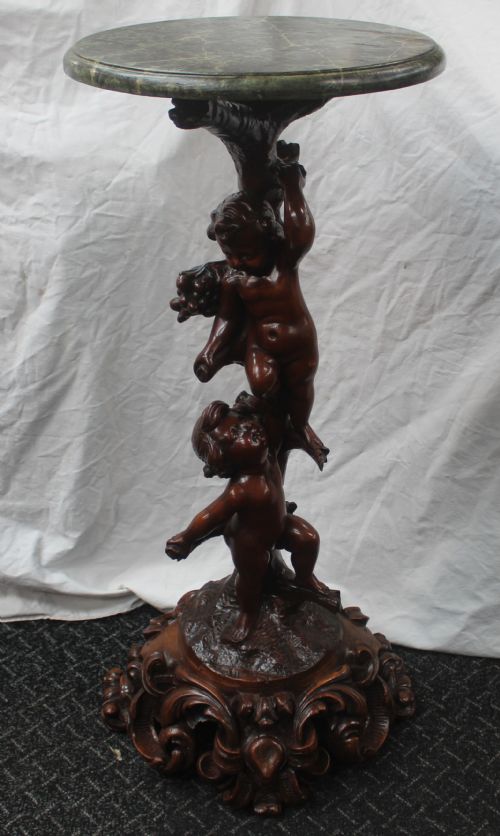
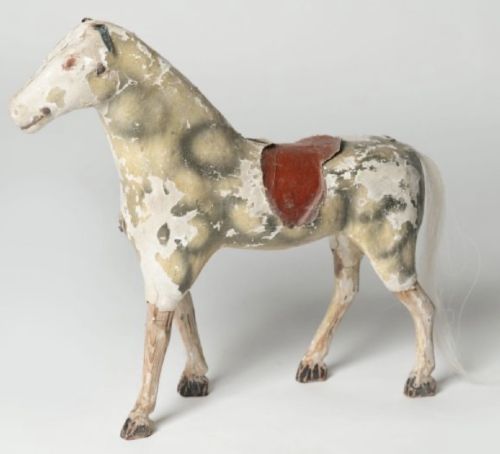
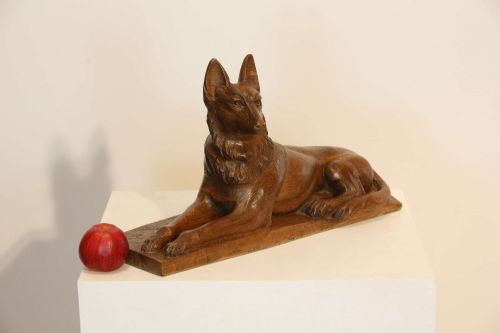
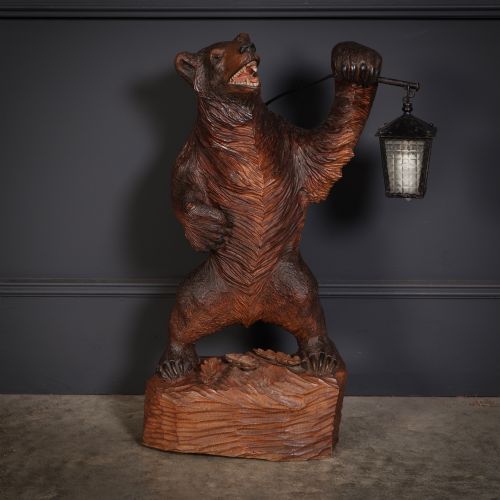
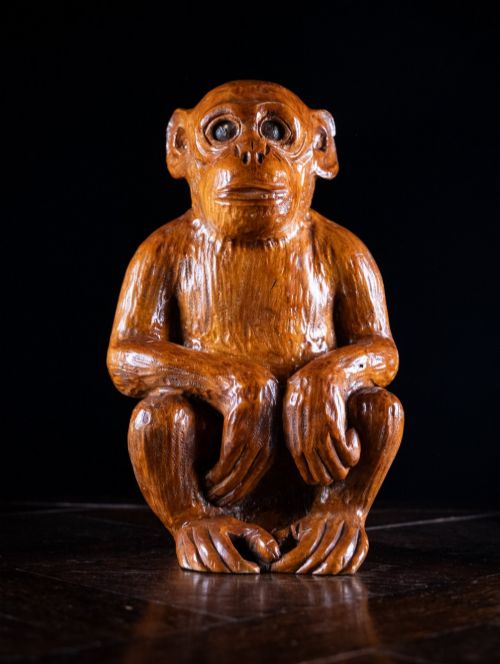
Vintage carved figures comprise decorative animal sculptures, human busts, and folk art objects sourced from diverse international traditions. Buyers seeking these items encounter works ranging from nineteenth-century European Black Forest carvings to early twentieth-century Asian jade animal studies and Japanese wooden bear sculptures.
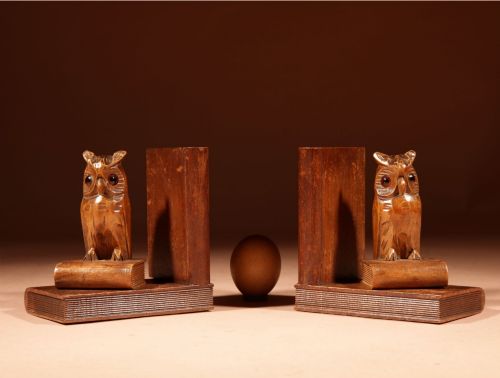
The selection includes functional items incorporating carved figures, such as bookends, desk tidies, and page turners, alongside standalone sculptures and architectural stone fragments. Pieces date predominantly from the nineteenth century through the 1940s, reflecting distinct regional styles including Victorian folk art and Chinese Republic period works.
How they were made
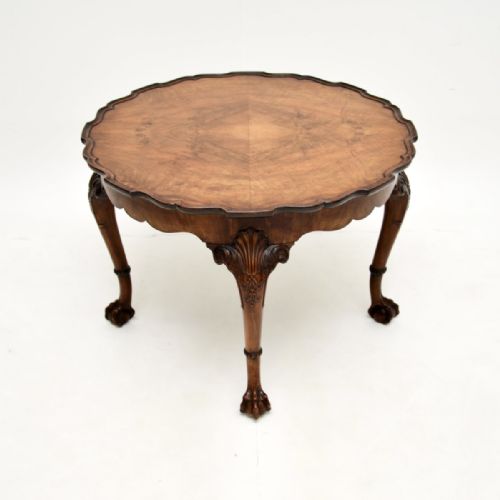
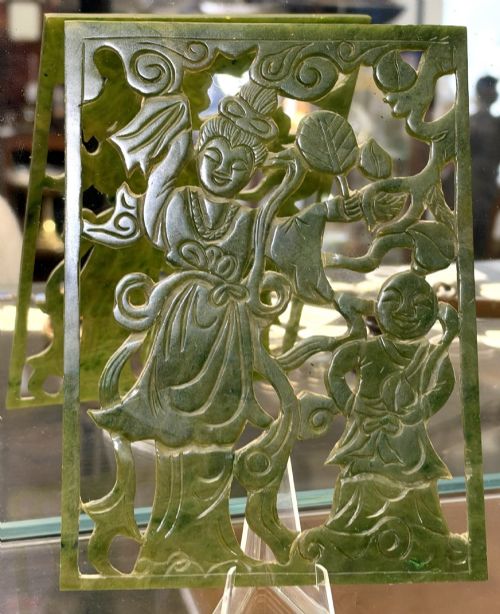
The objects are shaped primarily from various woods including walnut, limewood, linden, cedar, and bamboo, utilising traditional hand-carving techniques. Artisans also employ hard stone such as jade and carnelian agate, alabaster, brass, and cold-painted bronze to create detailed animal and human forms.
Many wooden pieces feature surface treatments including paint, ebonising, or natural polish to highlight the grain and form. Stone figures are frequently paired with custom-fitted hardwood stands designed specifically to support the sculpture.
Vintage Carved Figures Retail Price Guide 2026
Typical asking prices for vintage carved figures among the pieces listed under this phrase on Sellingantiques today, from the lower quarter to the upper quarter. They describe what is for sale here now, not the wider market.
One wooden cow comes fitted entirely on wheels, ready to roll across the floor.
What varies in quality
The fidelity of anatomical detail and the depth of the carving separate standard workshop pieces from masterworks. Expressive carving in animal forms, such as the fur texture on Black Forest bears or the plumage on jade cockerels, determines the visual impact.
The selection of raw materials influences overall quality, from finely figured burr walnut and pristine alabaster to high-grade jade and meticulously seasoned hardwoods. Evidence of skilled hand-tooling without mechanical shortcuts distinguishes superior historical craftsmanship.
Shuho Nakahara
The Vintage Carved Figures Glossary
- Black Forest
- A style of wood carving originating in the Swiss and German mountain regions, characterised by realistic animal subjects such as bears and owls. These pieces often serve practical functions like bookends or lamp bases.
- Okimono
- A Japanese decorative figurine designed for display, typically carved from wood or ivory. These sculptures often depict animals or figures with meticulous attention to naturalistic detail.
- Alabaster
- A fine-grained mineral commonly used for nineteenth-century European busts and sculptural figures. Its translucent quality permits subtle play of light across carved surfaces.
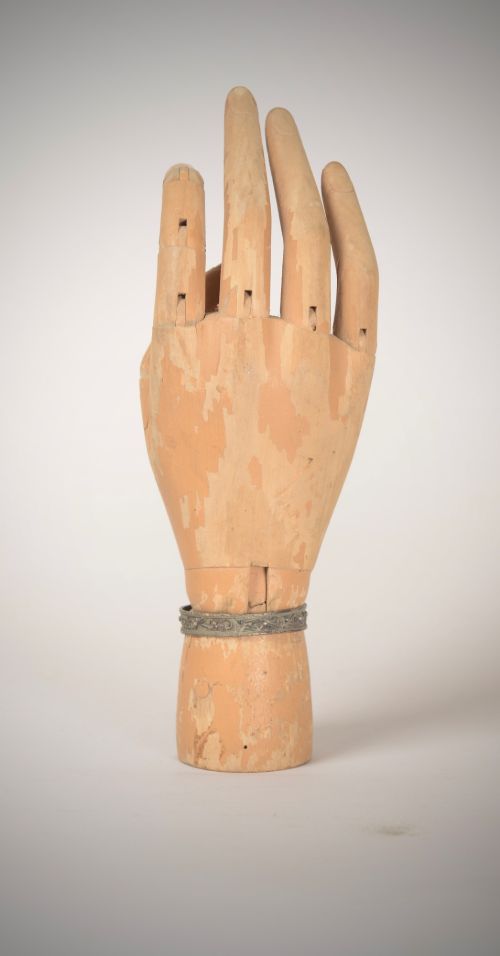
- Lay figure
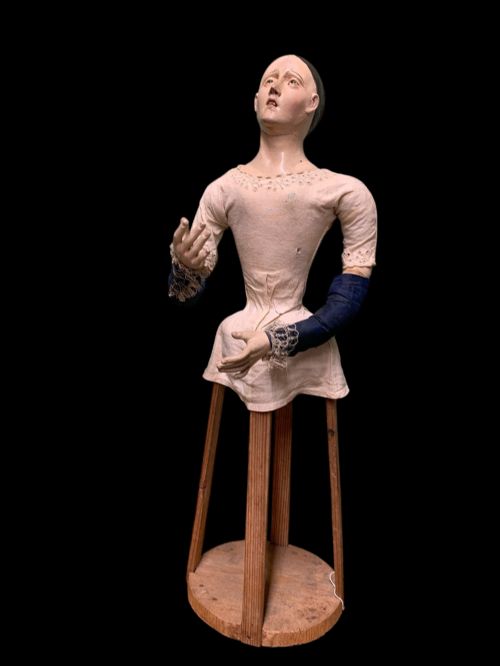
- An articulated wooden mannequin utilised by artists to study human form and drapery. Fully articulated examples from the nineteenth century are valued for their mobility and historical workshop use.
Vintage Carved Figures: Frequently Asked Questions
What materials are used for these figures?
The pieces utilise a wide range of organic and mineral materials. Wood is most common, including walnut, limewood, bamboo, and carved hardwood.
Other examples employ alabaster, stone of the jade family, carnelian agate, brass, and cold-painted bronze.
How do I identify a Black Forest carving?
Black Forest carvings are typically rendered in deep brown woods and feature realistic animal subjects, most notably bears, owls, and dogs.
They frequently double as functional items such as bookends, match holders, and lamps.
What periods do these carvings come from?
The available inventory spans the nineteenth and twentieth centuries. Dates range from the 1820s through the Art Deco era of the 1930s and 1940s.
Victorian pieces and early twentieth-century folk art represent significant portions of the selection.