




Vintage Carved Doll
These vintage carved doll pieces span articulated lay figures, processional statues, and folk art figures prized for their expressive carving and materiality.
Vintage Carved Doll
When you search for vintage carved doll, you encounter a diverse group of sculptural objects that includes artist lay figures, processional statues, and traditional folk art figures. These pieces originate from various cultural traditions such as English, French, Italian, Edo, and Middle Eastern folk art.
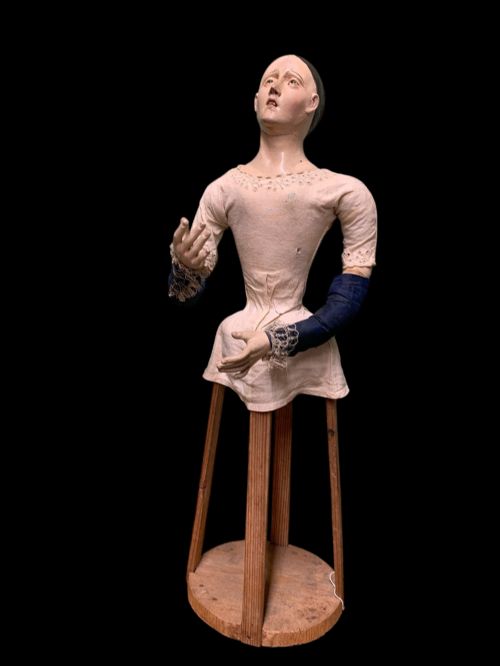
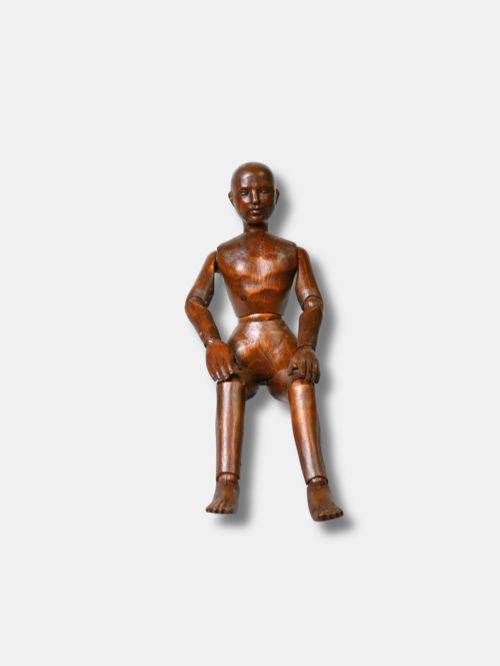
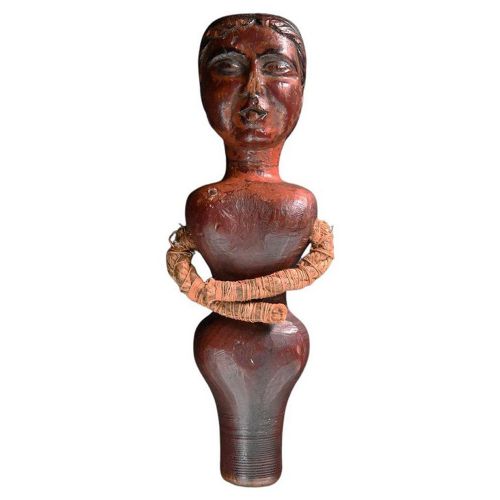
The most common forms on this page are articulated wooden artist lay figures and English folk art jigger dolls from the nineteenth and early twentieth centuries. Other notable forms include processional mannequins, Santos figures, bedpost figures, and puppets.
These figures serve primarily as decorative objects and historical artefacts rather than children's toys. Their appeal lies in their hand-carved construction, historical patina, and utility as artists' tools or cultural representations.
How they were made
Surface treatments frequently involve polychrome paint, while some figures feature textile elements such as linen, lace, and silk for clothing. These applied finishes and fabrics contribute significantly to the visual texture and historical character of each piece.
Vintage Carved Doll Retail Price Guide 2026
Typical asking prices for vintage carved doll among the pieces listed under this phrase on Sellingantiques today, from the lower quarter to the upper quarter. They describe what is for sale here now, not the wider market.
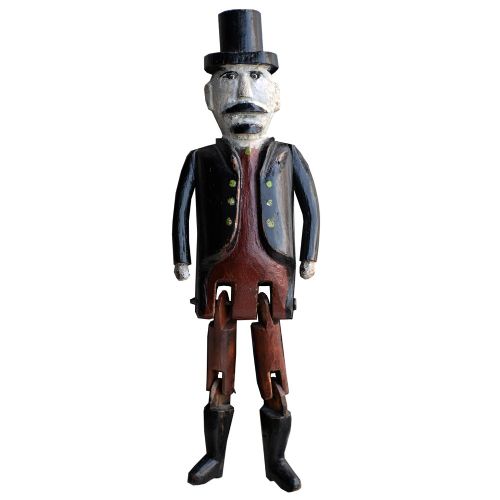
Some jigger dolls come dressed for dinner in top hats and tails, ready to dance on command.
What varies in quality
The articulation complexity and mechanical precision distinguish standard examples from finer sculptural works, particularly in fully articulated artist lay figures. Finer pieces demonstrate careful proportioning and functional joints that retain their positioning.
Surface preservation and the integrity of original paint or polychrome decoration determine the visual strength of the object. Examples retaining untouched carved details and authentic historical finishes command greater interest than heavily altered or stripped pieces.
The Vintage Carved Doll Glossary
- Lay figure
- An articulated wooden mannequin utilised by artists to study human anatomy, drapery, and posture. These figures feature jointed limbs that move to replicate various poses.
- Santos figure
- A carved religious statue representing a saint or sacred figure, often utilised in processions or domestic devotion. They frequently feature carved wood construction with painted details.
- Jigger doll
- A traditional folk art figure designed to dance or jig on a thin board when tapped by hand. These English pieces often date from the early twentieth century.
- Polychrome
- Painted or decorated in multiple colours, adding visual realism or symbolic detail to carved wooden surfaces. This technique appears on religious figures and folk art.
- Articulated
- Constructed with movable joints to allow positioning of limbs. This quality is essential in artist lay figures and puppets.
Vintage Carved Doll: Frequently Asked Questions
What is an artist lay figure?
An artist lay figure is a jointed wooden mannequin used historically to study posture and drapery. Makers carved these figures with articulated limbs to hold poses for painting and drawing.
They function today as decorative objects that display the craftsmanship of nineteenth-century woodcarving and studio practice.
How were jigger dolls used?
Jigger dolls are traditional toys and folk art figures that dance on a thin wooden board. A user taps the board to make the jointed figure move in a lively manner.
English makers produced these wooden figures in the early twentieth century, often adding painted details like top hats and tailcoats.
What is a Santos processional figure?
A Santos processional figure is a carved wooden statue representing a religious subject used in ceremonial processions. These figures originated in various European traditions, including Italian workshops.
They combine carved wooden elements with polychrome paint and sometimes fabric clothing to create an expressive devotional object.
How can I date these carved figures?
Dating relies on stylistic evidence, material choices, and construction methods such as joint types and paint formulation. Pieces on this page primarily date from the nineteenth century through the early twentieth century.
Examining tool marks and wear patterns provides additional context regarding the age and origin of each carved object.