

Vintage Carved Dining Table
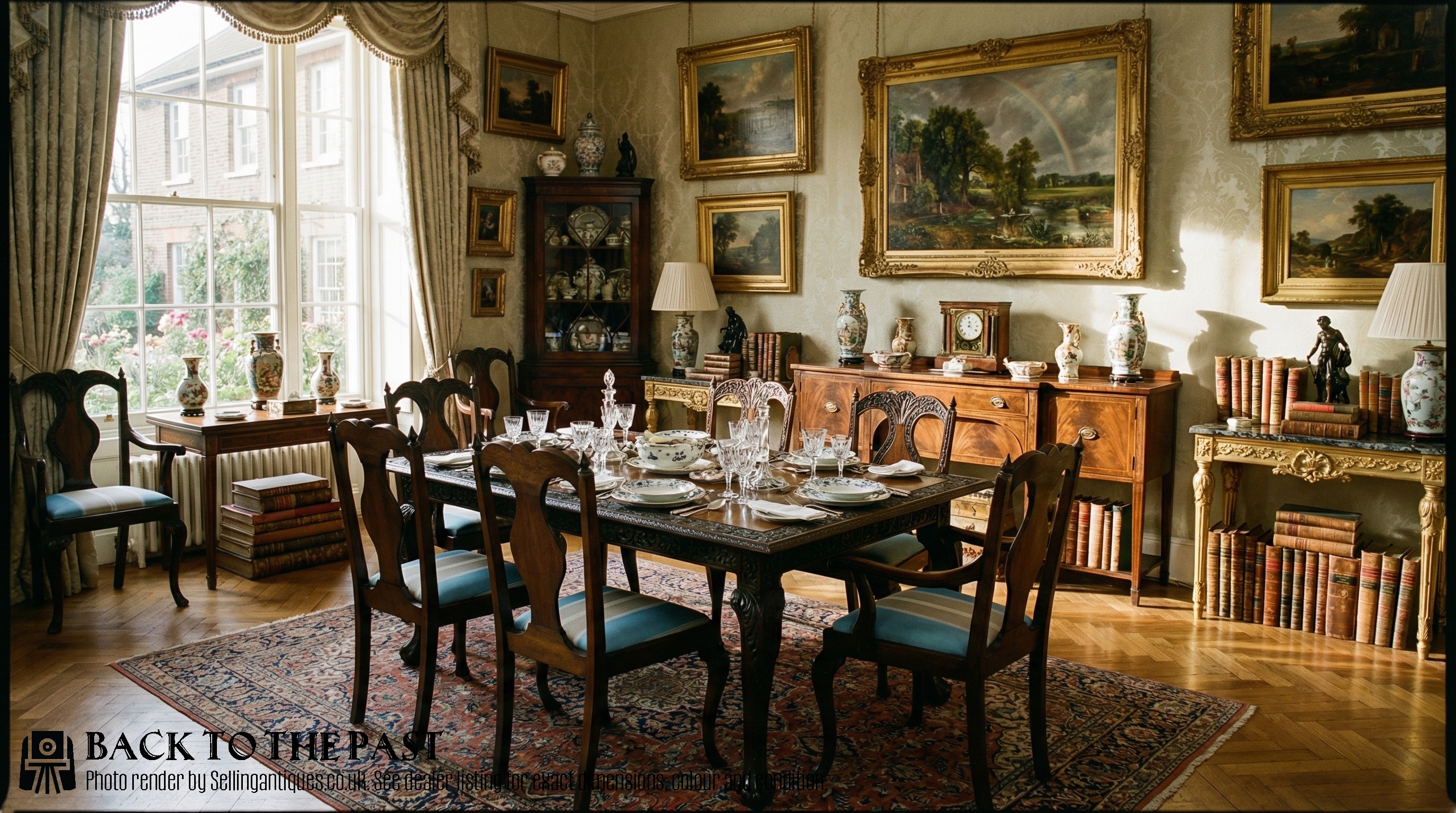
A vintage carved dining table brings substantial presence and deep timber grain to a room, anchoring the space with enduring craft.
Vintage Carved Dining Table
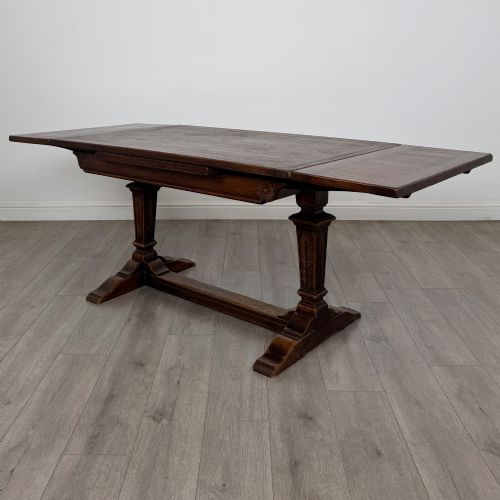
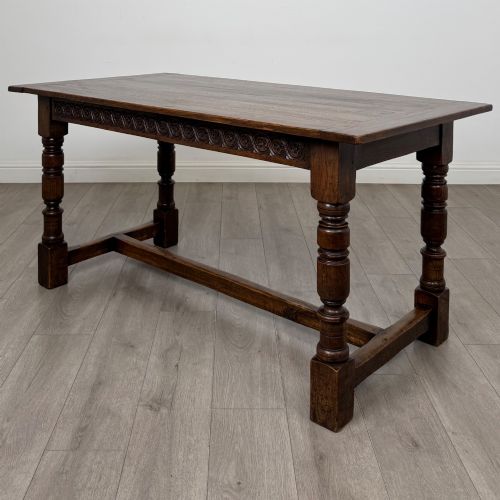
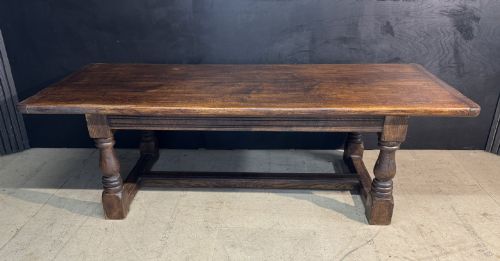
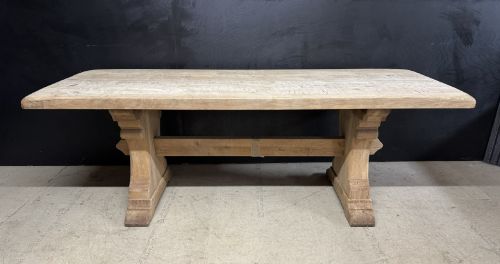
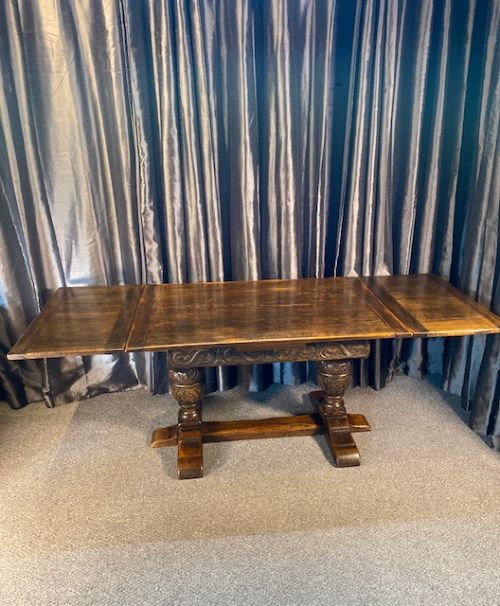
A vintage carved dining table encompasses solid timber constructions primarily shaped during the nineteenth and early twentieth centuries, drawing heavily on earlier revival aesthetics like Jacobean, Elizabethan, and Jacobean Revival styles. These pieces range from refectory formats and draw-leaf mechanisms to gateleg designs, offering versatile surface areas suited for daily gatherings.
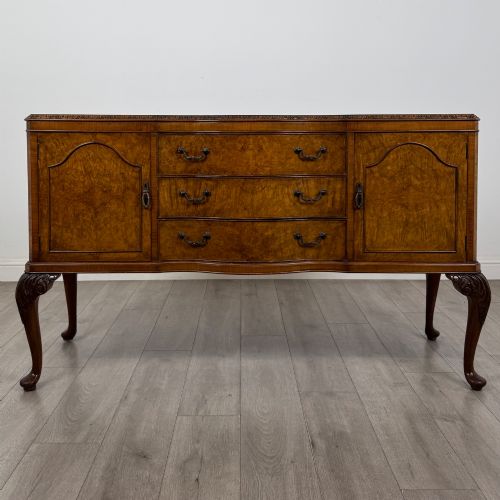
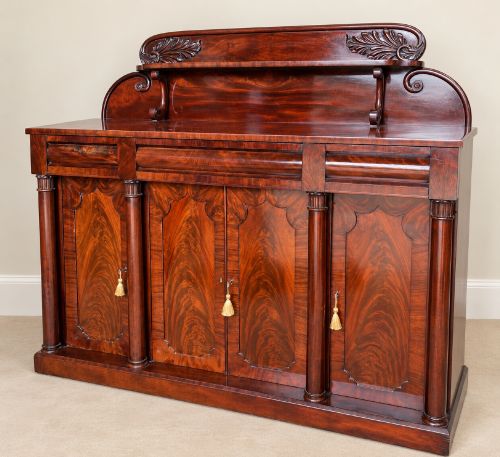
Oak dominates the selection on this page, frequently appearing alongside mahogany, walnut, and burr walnut in various dining tables, breakfast tables, and accompanying seating sets. Buyers will most commonly encounter heavy oak models featuring carved details and extension capabilities, reflecting the practical domestic requirements of the Edwardian era and the nineteen-twenties.
How they were made
Cabinet makers utilised dense hardwoods such as oak, mahogany, and walnut, selecting sections with strong figure and grain to withstand heavy daily use. Construction often relied on traditional joinery methods, incorporating draw-leaf mechanisms and gateleg framing to allow surfaces to expand or fold according to space.
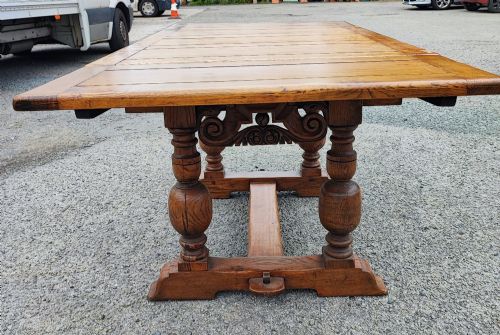
Carving was executed by hand directly into the timber, bringing dimension to table edges, friezes, and trestle supports. Finishes were typically built up using traditional polishes and waxes that protected the wood while highlighting its natural colour and texture.
Listings feature oak, mahogany, and walnut timbers across dining tables, sideboards, and gateleg forms spanning the Victorian era through the nineteen-thirties.
What varies in quality
The standard of timber selection largely dictates the upper tiers of the range, where furniture makers chose richly figured burr walnut, quarter-sawn oak, or well-matched mahogany grains. Superior examples exhibit crisply rendered hand carving that integrates harmoniously with the overall architectural proportions of the frame.
Engineering of the mechanisms also sets finer pieces apart, ensuring that draw-leaf leaves slide smoothly and gateleg supports lock firmly into position without sagging. Original hardware, stable construction joints, and preserved patination elevate the standing of a table far above utilitarian or later mass-produced alternatives.
Maple & Co
The Vintage Carved Dining Table Glossary
- Draw Leaf Table
- A dining table equipped with sliding leaves stored beneath the main top that pull out to extend the surface length. This clever mechanism allows the table to accommodate more guests without requiring separate loose leaves.
- Refectory Table
- A long, narrow dining table traditionally used in communal dining halls and characterised by sturdy legs connected by low stretchers. These tables display a solid, grounded silhouette derived from early architectural styles.
- Gateleg Table
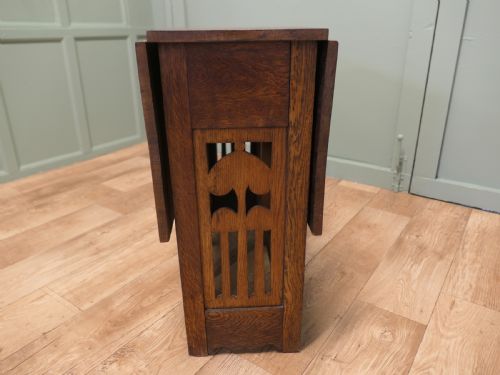
- A table featuring hinged leaves supported by swing-out legs that resemble a swinging gate when opened. This design allows the surface area to fold down compactly when not in use.
- Parquetry
- A geometric mosaic of wood pieces used for decorative surfacing on tabletops and furniture panels. It showcases the varied natural tones of timbers such as walnut and oak in precise patterns.
- Barley Twist
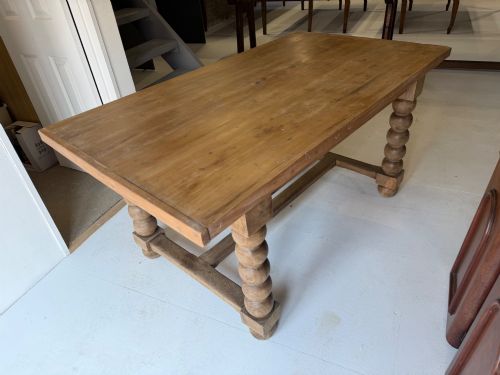
- A turned furniture leg or stretcher carved in a spiral shape resembling a twisted rope. This decorative turning technique gained popularity during the seventeenth century and saw revivals in later periods.
Vintage Carved Dining Table: Frequently Asked Questions
How do draw leaf tables work?
Draw leaf tables feature two hidden leaves stored directly beneath the main central surface. When guests arrive, you simply pull each end outward, and the leaves slide up and lock into alignment.
This ingenious mechanism removes the need to store separate boards elsewhere in the home. It offers an adaptable surface length suited for both everyday meals and larger gatherings.
How do I care for an antique oak table?
Caring for an antique oak table involves protecting the timber from excessive moisture and sudden temperature changes. Regular dusting with a soft cloth and occasional application of traditional beeswax help preserve the natural finish and nourish the grain.
Avoid placing hot dishes directly onto the unshielded surface to prevent marking the polish. Proper maintenance ensures the timber develops an even richer patina over time.
What distinguishes Jacobean style furniture?
Jacobean style furniture draws inspiration from the early seventeenth century during the reign of King James the First. It is defined by dark, heavy oak construction, geometric moulded panels, and robust turned supports.
Revival pieces from later periods replicate these architectural characteristics with deep relief carving and sturdy frames. They bring a distinct sense of history and gravitas to an interior space.