




Vintage Carved Claw Ring
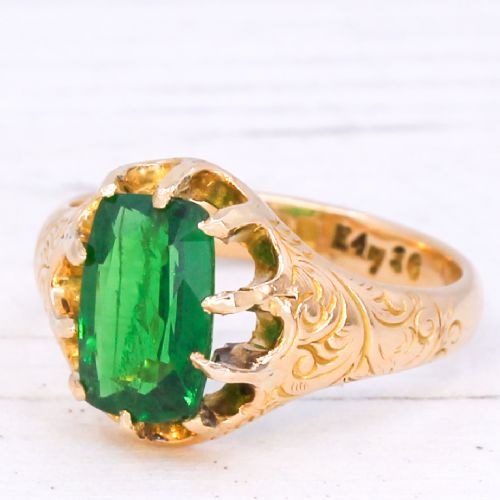
A vintage carved claw ring brings sculptural botanical or animalistic detail to the hand, combining precious stones with secure prong settings.
Vintage Carved Claw Ring
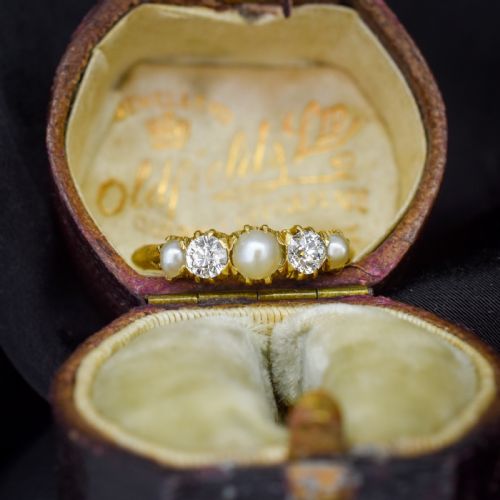
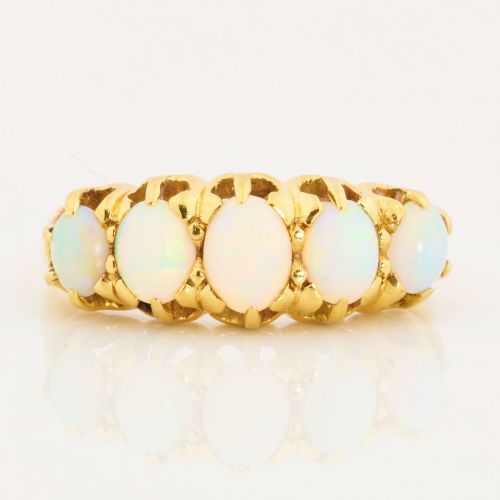
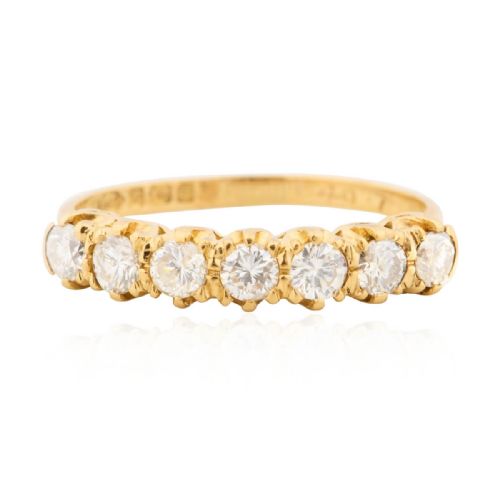
A vintage carved claw ring is an expression of period craftsmanship, appearing in forms such as five stone bands, solitaires, and panel rings. These pieces emerge across several decades, ranging from the late nineteenth century through the Edwardian era and into the mid-twentieth century.
The buyer meets variations spanning traditional Victorian designs, early twentieth century styles, and Art Deco geometry. Materials vary from yellow gold settings to platinum highlights, holding gems like diamonds, sapphires, emeralds, and jadeite.
Materials and construction
Goldsmiths shaped these pieces predominantly in eighteen carat yellow gold, alongside specific examples utilising nine carat gold and platinum elements. Metals were worked by hand to create sturdy bands and secure prongs designed to hold stones firmly in place.
Gemstones including old cut diamonds, sapphires, tsavorite garnets, and carved jadeite panels were hand-set into the mounts. Jewellers utilised careful claw settings to maximise light entry through the stones while maintaining structural integrity.
Some claws grip gemstones with such fierce loyalty they outlast empires.
Distinguishing quality
Quality rests in the precision of the metalwork and the depth of the carving within the design. Superior examples display crisp definition in the claws and well-balanced proportions across multi-stone layouts.
The selection of materials further divides the tier, with higher grade pieces incorporating fine colour gems and substantial gold weight. The harmony between the setting technique and the chosen stones defines the upper range.
The Vintage Carved Claw Ring Glossary
- Claw setting
- A method of securing a gemstone using metal prongs that grip the girdle of the stone. This technique allows maximum light to pass through the pavilion.
- Old cut diamond
- A precursor to the modern brilliant cut, characterised by a smaller table, higher crown, and hand-faceted symmetry typical of nineteenth and early twentieth century gems.
- Five stone ring
- A design featuring a row of five graduated or matching gemstones across the finger. This configuration was immensely popular during the Victorian and Edwardian periods.
- Panel ring
- A flat or slightly curved geometric section of jewellery, often featuring carved hardstones like jadeite. These designs dominated the Art Deco movement.
- Hallmark
- An official stamp applied to precious metals indicating purity, origin, and sometimes the year of manufacture. London hallmarks frequently appear on British items from the early twentieth century.
Vintage Carved Claw Ring: Frequently Asked Questions
How do I style a claw ring?
These rings work well worn alone as a statement piece or stacked alongside plain bands. Their distinct profiles complement both modern and traditional wardrobes.
Consider pairing yellow gold pieces with similar metal tones or mixing textures for a curated, layered appearance on the hand.
What periods do these rings come from?
The available selection spans from the late nineteenth century through the Edwardian era and into mid-century vintage decades. Each period brings distinct aesthetic choices, from ornate Victorian mountings to clean Art Deco lines.
Dating is typically confirmed through hallmarks, gemstone cuts, and the specific fabrication techniques used by period jewellers.
Are these rings suitable for daily wear?
Solid gold constructions and secure prong settings make many of these historical pieces robust enough for regular use. Careful handling ensures the longevity of delicate elements such as carved jadeite or softer coloured stones.
Removing jewellery during manual tasks helps protect both the mounting claws and the stones from unnecessary impact.
What stones are typically set in these rings?
Diamonds and sapphires appear frequently, accompanied by emeralds, pearls, opals, tsavorite garnets, and carved jadeite. These materials reflect the diverse preferences of buyers across the nineteenth and twentieth centuries.
Stones are generally natural, featuring period-specific cuts like old European or old mine diamond facets.
How do I care for a carved ring?
Cleaning requires warm water, mild soap, and a soft brush to remove debris from beneath the claw settings. Harsh chemical dips should be avoided, particularly when the ring contains softer organic gems or jadeite.
Periodic inspection of the prongs by a professional jeweller ensures stones remain tightly held within their mounts.