

Vintage Carved Buffet
These substantial storage pieces offer serious presence and utility, and a vintage carved buffet brings rich texture and history to a dining room or hall.
Vintage Carved Buffet
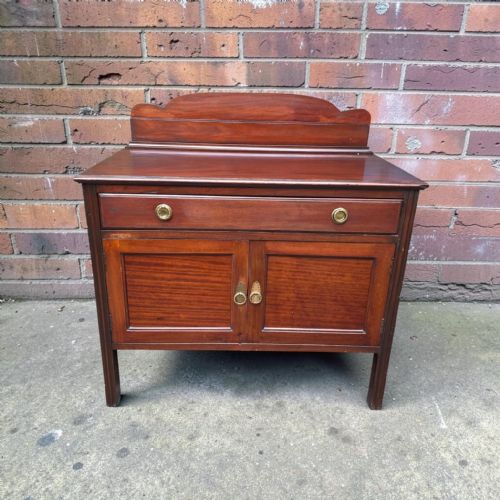
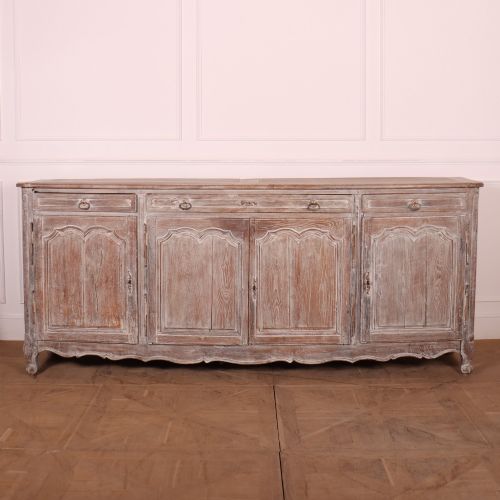
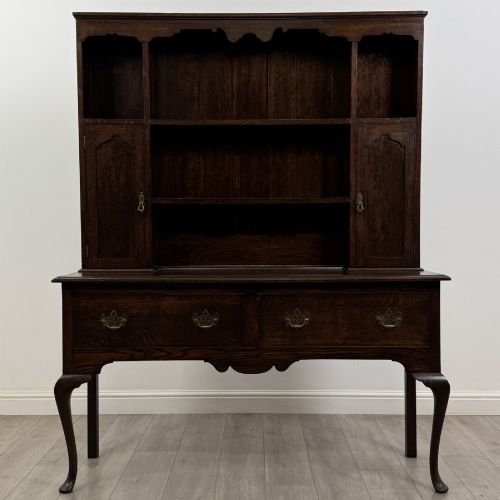
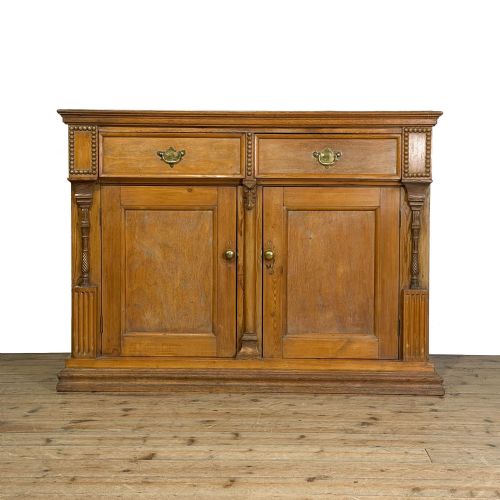
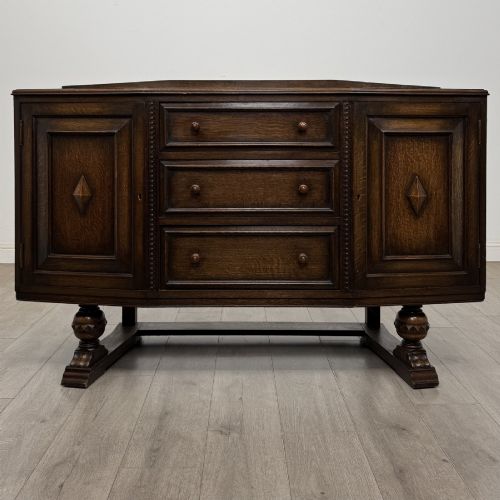
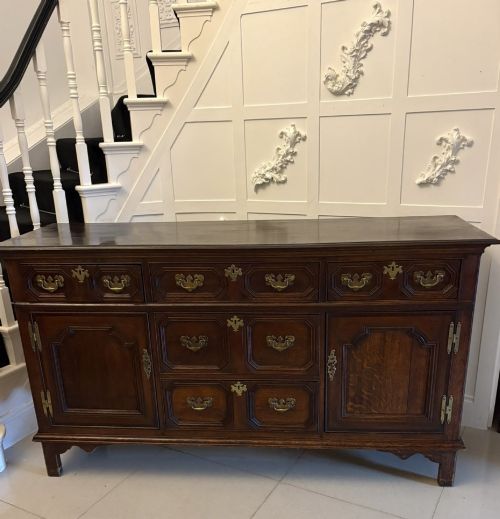
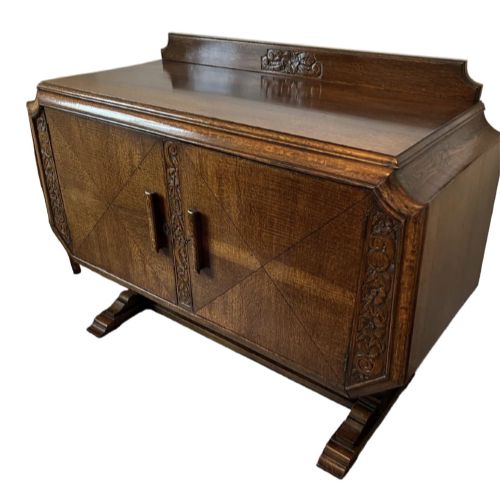
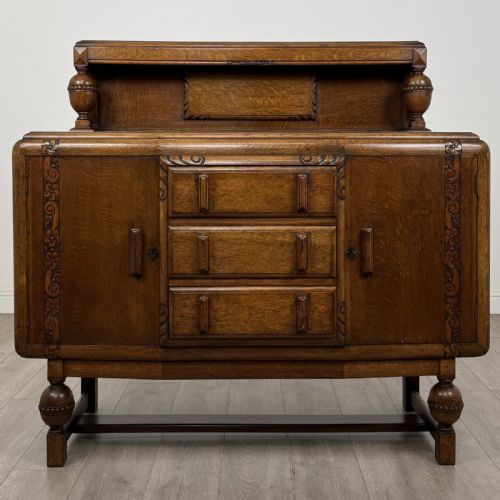
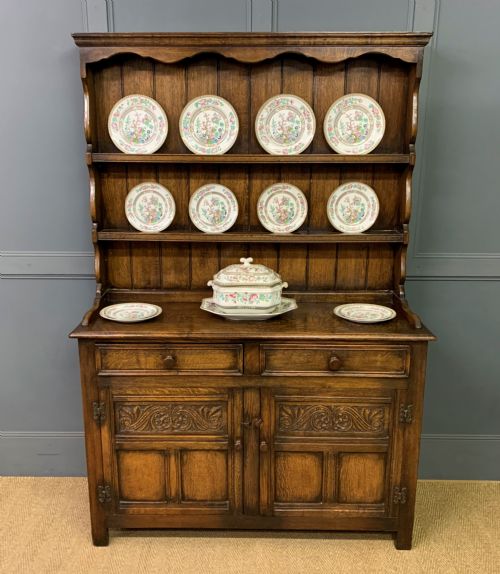
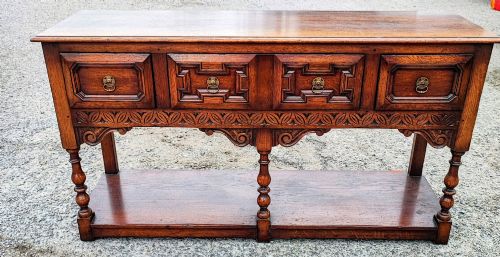
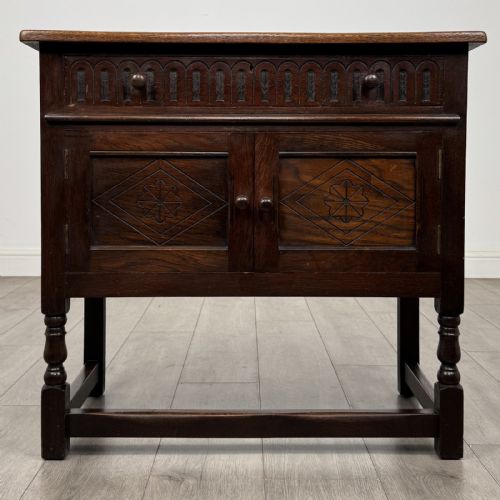
When buyers search for a vintage carved buffet, they encounter a heavy concentration of solid timber storage furniture spanning several decades and styles. These items function primarily as dining room servers, credenzas, and large cupboards designed for displaying and storing tableware.
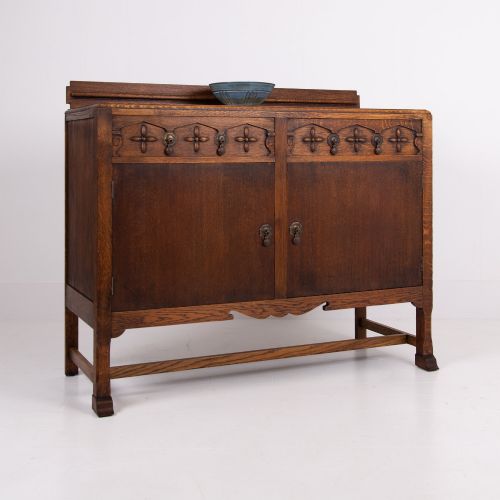
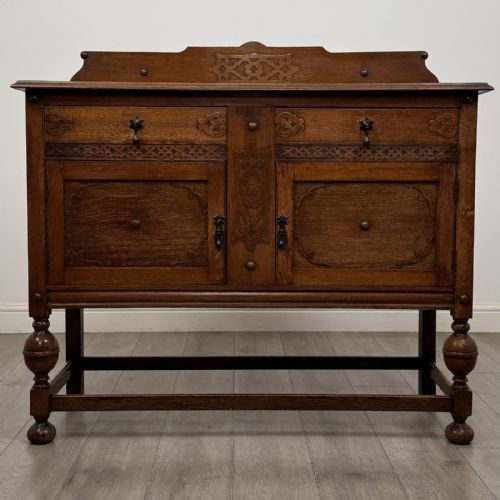
Oak dominates the selection, frequently taking the form of massive sideboards with stretcher bases, turned legs, or raised galleries. Pieces range from straightforward early twentieth-century designs to nineteenth-century interpretations of earlier historical periods.
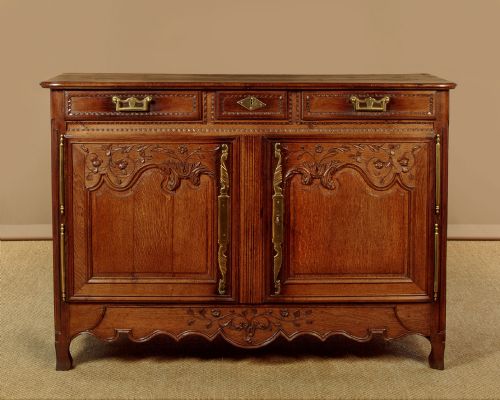
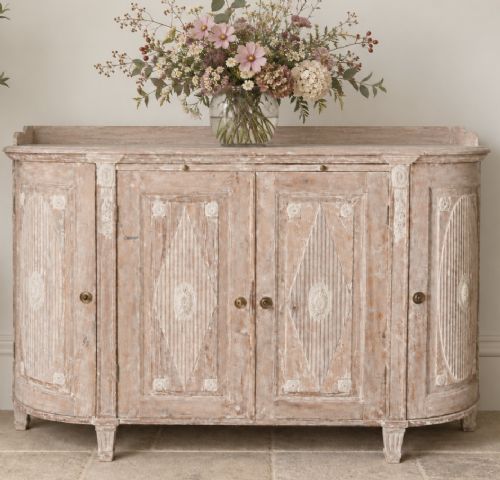
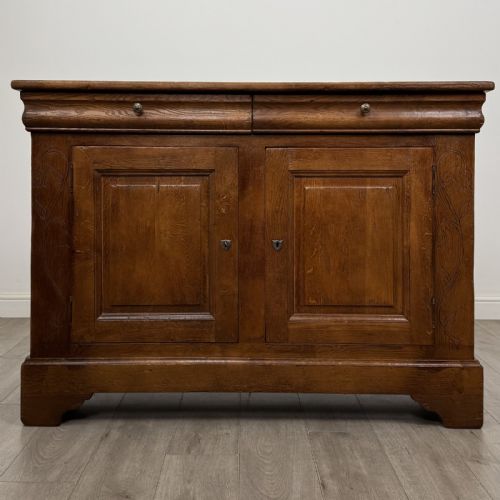
Beyond standard oak iterations, buyers meet French provincial enfilades and hunting cabinets alongside refined mahogany and burr walnut alternatives. Regional British and continental workshops produced these variations to meet shifting domestic demands for formal dining accommodation.
Materials and construction methods
Makers relied heavily on solid oak, mahogany, and burr walnut, often pairing heavier timbers with brass handles, iron hardware, and glass panels. Surfaces frequently display intricate hand carving, linenfold panelling, or figural green man decoration that breaks up large expanses of wood.
Structural integrity relies on traditional joinery, stretcher bases, and fitted drawers, while decorative touches include turned or barley twist legs, claw and ball feet, and mirrored galleries. Some continental examples incorporate marble tops to add a contrasting texture to the carved wooden carcass.
Vintage Carved Buffet Retail Price Guide 2026
Typical asking prices for vintage carved buffet among the pieces listed under this phrase on Sellingantiques today, from the lower quarter to the upper quarter. They describe what is for sale here now, not the wider market.
Listings feature oak, mahogany, burr walnut, and satinwood across periods from the Regency era through the Edwardian years and into the 1930s.
Assessing quality in carved storage furniture
The distinction between standard utility items and exceptional examples rests upon the depth and precision of the carving, the selection of figured veneers like burr walnut, and the integrity of the original hardware. Crisp detailing on foliage, linenfold panels, or figural elements signals superior workshop standards.
Proportion and scale dictate the visual success of a piece, with well-balanced proportions and harmonious timber selection commanding greater appreciation. Original structural components, intact interior fittings, and unified patination across the entire surface elevate the standing of any sideboard.
Jaycee·Charles Dudouyt
The Vintage Carved Buffet Glossary
- Enfilade
- A long continental sideboard featuring multiple doors and a continuous serving surface. This form originated in seventeenth-century France and typically provides extensive interior cupboard space.
- Linenfold
- A style of wood carving that mimics folded parchment or fabric. Craftsmen frequently applied this motif to cabinet and cupboard doors during revival periods.
- Stretcher base
- A system of horizontal wooden bars connecting the lower legs of a sideboard for added stability. This structural feature appears commonly on substantial oak dining furniture.
- Chiffonier
- A compact sideboard or low cabinet equipped with drawers and shelves. These items gained popularity in the nineteenth century for smaller reception rooms.
- Raised gallery
- An upright decorative back section rising above the main surface of a sideboard. This addition often incorporates mirrors, small shelves, or carved woodwork.
Vintage Carved Buffet: Frequently Asked Questions
How do I choose the right size?
Measure your dining room wall space carefully and account for the swing of cupboard doors and drawers. Large oak sideboards require substantial clearance to avoid dominating a compact interior.
Consider the height of any raised gallery or mirror back so it does not interfere with wall art or lighting fixtures. Matching the scale of the buffet to your dining table creates visual balance.
What is a green man carving?
A green man depicts a human face surrounded by or sprouting from foliage and vines. This ancient motif symbolises rebirth and appears frequently on nineteenth-century revival oak furniture.
Inspect the carving to appreciate the depth and naturalistic detail rendered by the craftsman. It adds a distinct folkloric character to heavy timber sideboards.
Where should I place a buffet?
Dining rooms remain the traditional location for storing tableware, cutlery sets, and serving platters. Hallways and large living spaces also accommodate these long wooden units effectively.
Keep wooden surfaces away from direct heat sources and strong sunlight to prevent the timber from drying out or warping. Ensure the floor can support the considerable weight of solid oak or walnut construction.
How do I care for antique oak?
Dust the carved surfaces regularly with a soft cloth and apply a quality beeswax periodically to nourish the timber. Avoid silicone-based polishes that build up a sticky residue over time.
Address any spills immediately to protect the finish from water marks. Gentle maintenance preserves the natural patination built up over decades of use.